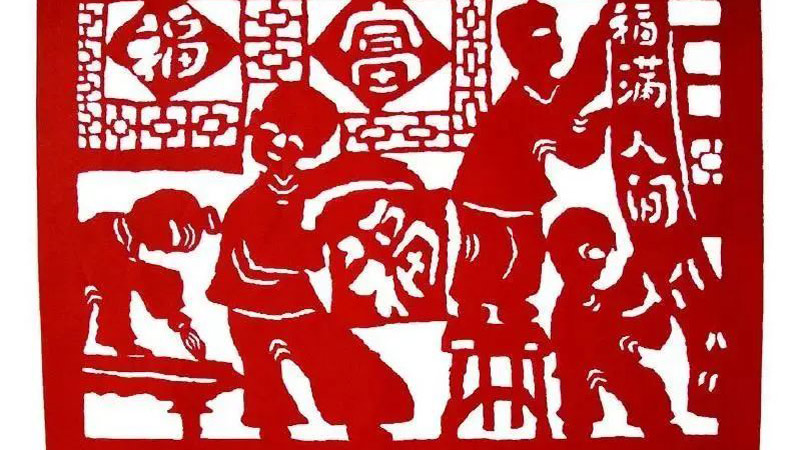
Chinese paper cutting represents an extraordinary cultural tradition that has evolved over two millennia, serving as both artistic expression and cultural documentation. This intricate art form transforms simple paper into complex visual narratives using only scissors or knives, creating works that embody the collective memory, social values, and aesthetic sensibilities of Chinese civilization. Far more than mere decoration, these delicate cuttings represent a sophisticated visual language that continues to communicate cultural identity across generations.
Historical Development
The origins of Chinese paper cutting predate the invention of paper itself, with early artisans practicing similar techniques on various thin materials, including leather, metal foils, and silk fabrics. During the Warring States period, these precursor arts reached remarkable sophistication, establishing technical foundations that would later transfer to paper. The subsequent invention of paper during the Han Dynasty provided the perfect medium for these techniques to flourish and evolve into what we now recognize as traditional paper cutting.
The Tang Dynasty witnessed the art form's emergence as a distinct cultural expression. As paper became more widely available, artists developed specialized forms, including window decorations, figurative representations, and floral patterns that enriched daily life and celebrations. The Song Dynasty marked another significant advancement with the appearance of professional paper-cutting artists who refined techniques such as multi-blade cutting and elaborate openwork designs, pushing the artistic boundaries toward greater complexity and refinement.
During the Ming and Qing Dynasties, paper cutting reached its artistic zenith, becoming thoroughly integrated into numerous aspects of cultural life. The art form served as a design foundation for lantern festivals, fan decorations, and particularly embroidery patterns, establishing itself as both an independent art form and a crucial component of traditional crafts. This period represented the full flowering of paper cutting as a mature artistic tradition.
Technical Mastery and Artistic Diversity
The art of paper cutting encompasses numerous distinctive techniques, each requiring specific skills and offering unique aesthetic qualities. Single-color cutting remains the most recognizable form, typically employing vibrant red paper to create striking patterns through the sophisticated interplay of positive and negative space. This style predominates in traditional window decorations and serves as a blueprint for intricate embroidery patterns.
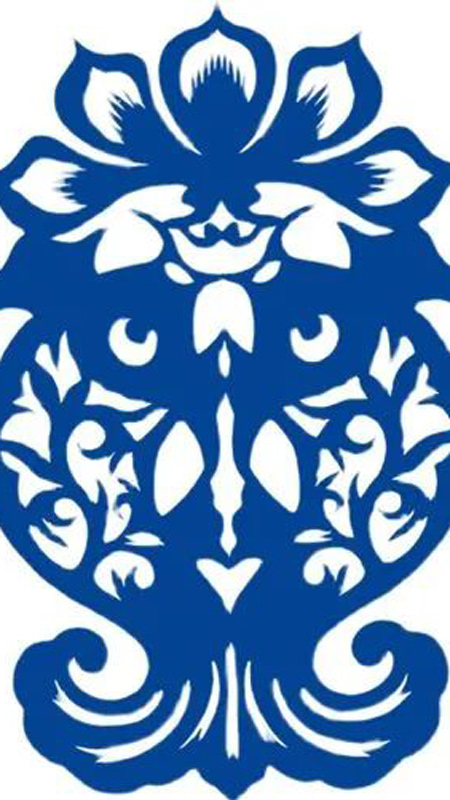
Fold-cutting demonstrates mathematical precision through perfectly symmetrical designs. By folding paper before cutting, artists create beautifully balanced compositions ranging from simple bilateral symmetry to complex radial patterns known as "collective flowers." The precision required for these works reflects the artistic integration of mathematical principles with creative expression.
Silhouette cutting emphasizes the power of pure contour and profile, while paper tearing offers a more organic approach that conveys rustic charm through intentionally textured edges. Each technique represents a different aspect of the art form's versatility, from the precise and mathematical to the spontaneous and expressive.
Modern Evolution and Contemporary Applications
The twentieth century brought significant transformations as paper cutting adapted to changing social contexts. The May Fourth Movement and subsequent New Culture Movement sparked renewed intellectual interest in folk arts, leading to systematic documentation and preservation of traditional paper-cutting techniques. The 1940s witnessed particularly innovative developments as Yan'an artists created works reflecting contemporary life and revolutionary themes, marking an important expansion of subject matter.
Following the establishment of the People's Republic, the "Let One Hundred Flowers Bloom" policy encouraged artists to develop new styles reflecting socialist values while maintaining traditional techniques. This period produced innovative works depicting daily life and social progress, demonstrating the art form's ability to evolve while maintaining its cultural essence.
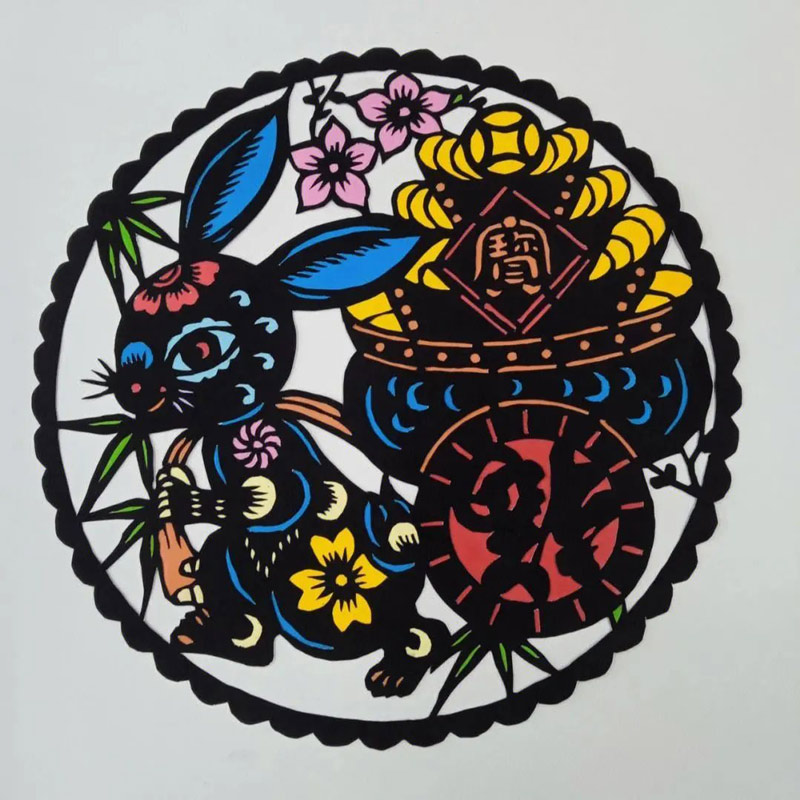
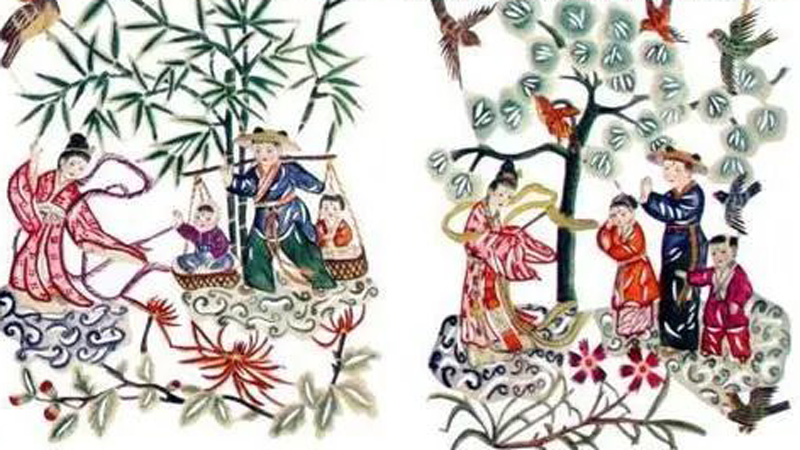
Contemporary artists have expanded the technical possibilities through innovative approaches to color and dimension. Stained paper cutting combines precise cutting with delicate watercolor techniques, while set-color cutting creates vibrant compositions through layered colored papers. The most dramatic innovation comes through three-dimensional paper cutting, which transforms traditional two-dimensional forms into sculptural works that expand the craft's possibilities for both exhibition and education.
These modern adaptations demonstrate how paper cutting continues to evolve while maintaining its cultural significance, ensuring its relevance for new generations of artists and appreciators. The art form's enduring appeal lies in its unique combination of technical precision, cultural meaning, and creative innovation, making it both a preservation of tradition and a living, evolving art form.