
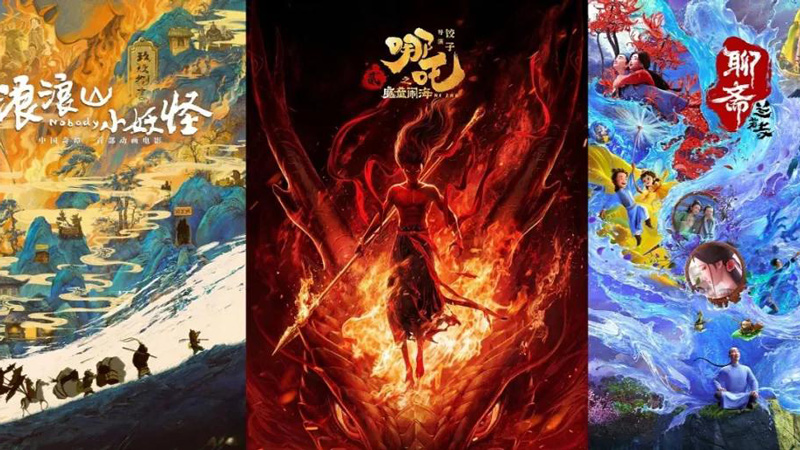
The surprise hit NOBODY (浪浪山小妖怪) has now passed the 1-billion-RMB mark at the box office.
Like its name suggests, this one is another spin-off from Journey to the West—and that's hardly unusual anymore. Among the five domestic animated films this year that crossed the 100-million-RMB line, three were based on classic novels.
Aside from Langlang Mountain, there's Ne Zha 2, adapted from The Investiture of the Gods. That one grossed 15.446 billion RMB early this year, setting a new record for single-film earnings in China. The summer release Curious Tales of a Temple (聊斋:兰若寺) also brought in 242 million RMB.
Looking more closely, the relationship between domestic animation and these classic stories feels like a kind of "two-way dependency."
Not only do most blockbuster animated films come from traditional literature, but in recent years, successful adaptations of these works seem to appear almost exclusively in animation. The live-action side has never stopped trying to make hits out of Journey to the West or The Investiture of the Gods (sometimes nicknamed "the fifth great classic"), but more often than not those attempts flop.
So why is it that animated films can consistently turn these ancient texts into box-office gold? What creative logic and industry backdrop are at play here? It might be worth the rest of the film industry paying attention.
The Trend: Top-Tier Animation Relies on Traditional Cultural IP
If you take stock of animated films in the past decade that crossed the 100-million-RMB mark, you'll notice a clear pattern: the biggest titles usually anchor themselves in traditional cultural IP.
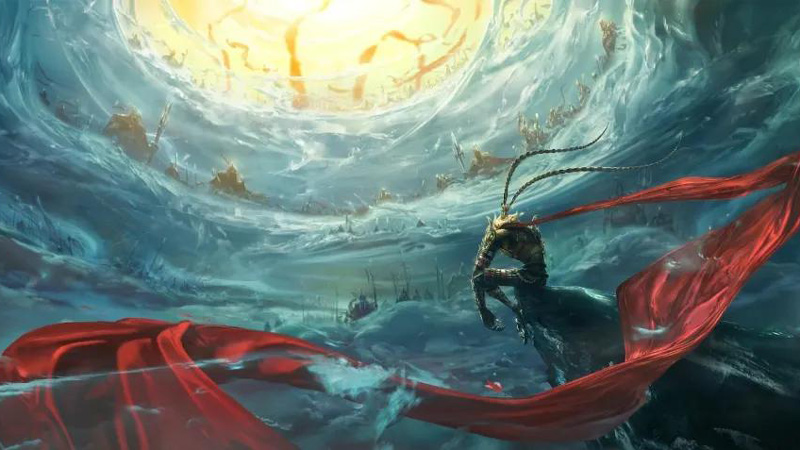
The real relaunch of Chinese animated films into the mainstream—and into large-scale commercial development—arguably began in 2015 with Monkey King: Hero Is Back (西游记之大圣归来). That movie grossed 954 million RMB in mainland China and holds an 8.3 rating on Douban, with 727,000 people rating it. Its director and screenwriter, Tian Xiaopeng, had previously worked as a supervising producer on CCTV's animated adaptation of Journey to the West.
That success essentially bound Chinese animation tightly to traditional cultural IP and classic novel adaptations.
Before 2015, most of the more successful domestic animated films were spin-offs of existing TV animation. Several Pleasant Goat and Big Big Wolf (喜羊羊与灰太狼) movies each grossed over 100 million RMB, and Boonie Bears (熊出没) had already cemented itself as the go-to franchise for Chinese New Year animation.
Since 2015, though, things have shifted. In roughly the last decade, about 40 domestic animated films have crossed the 100-million mark. If you exclude content led by overseas studios (Wish Dragon, Abominable, and Agent Backkom: Kings Bear), that still leaves 37 films.
Among them:
15 were rooted in traditional cultural IP.
19 were theatrical spinoffs of existing animated series.
Only 3 were fully original creations: Big Fish & Begonia (大鱼海棠), Deep Sea (深海), and Oh My School! (茶啊二中).
Since 2020, out of 21 domestic animated films that hit the market, 11 were based on traditional cultural sources. In other words, not only has the frequency of such adaptations increased, their performance at the box office has also continued to improve.
Animation producer Lax broke down the logic:
"There's no question that having an IP background lowers the development risk of a project and makes it easier to secure investment. For companies without existing animation IP, traditional cultural works—especially the big-name classics—become an ideal choice for adaptation."
She added:
"In recent years, the top-tier kids' animation IPs have actually been in a gap period. The old ones are losing market value, while most of the new ones are pretty niche. That leaves more room for cultural IPs to step in. And with the general public becoming more aware of traditional culture, it's natural that these adaptation projects are getting hotter."
At the same time, several big IPs rooted in classics, along with the studios behind them, have turned into the core forces driving this wave of adaptations.
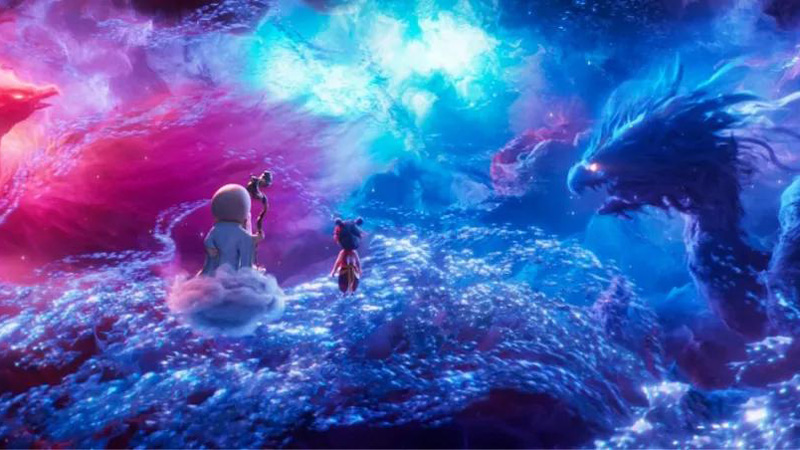
The most familiar figure to audiences is director Jiaozi. Ever since Ne Zha (2019) blew up, his background has been widely discussed, and he's now seen as part of the franchise's identity. His studio, Coloroom, has become one of the most talked-about animation companies in China.
Backing him is Enlight Media's animation label, Coloroom Pictures. They were the key investor and enabler that got Ne Zha made in the first place.
This company had already dipped into traditional subjects with films like Mr. Miao and Big Fish & Begonia. After Ne Zha, they released Jiang Ziya (2020), and even teased more "Investiture of the Gods" sequels in its post-credits scene—characters like Lei Zhenzi, Erlang Shen, and Huang Tianhua were announced. But for various reasons, those follow-up projects have been slow to materialize.
Another heavyweight in the cultural-IP camp is Light Chaser Animation, the studio behind the White Snake series, the New Gods films, and, in 2023, the Tang poetry-themed blockbuster Chang An (长安三万里).
Light Chaser has kept up an impressive pace, putting out a new film every summer for five years straight. Their production values and audiovisual quality are widely praised, but storytelling has been inconsistent. Take this year's Curious Tales of a Temple: marketed as the second installment in their "New Culture" lineup after Chang An, it ran into obvious narrative issues and sits at just 6.6 on Douban.
Still, Light Chaser remains one of the main studios waving the flag for traditional culture in animation. Their consistent presence at the box office keeps proving that audiences are open to this kind of content.
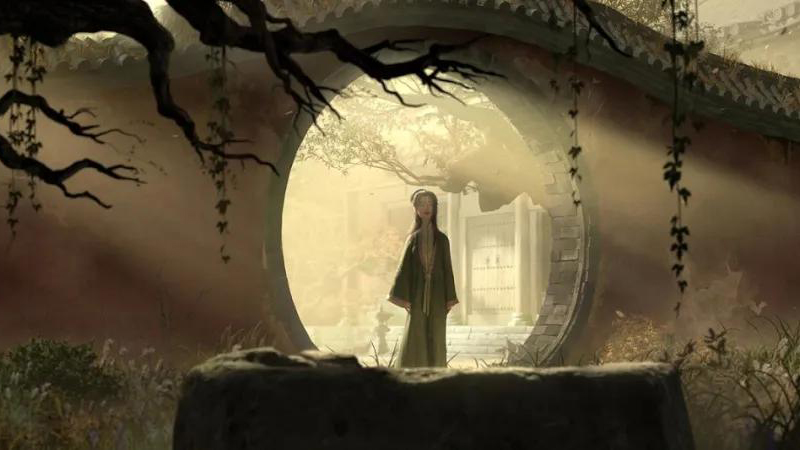
"When Chinese animation can repeatedly confirm the reliability of classic-IP adaptations, it's only natural that more companies jump on board," Lax noted. "This year's results have been outstanding, so we can expect even more studios to push into this space."
And that reliability—the certainty of content—is exactly what underpins these strong performances.
Tracing Back to the Roots: Why Animation Can Reshape the Classics
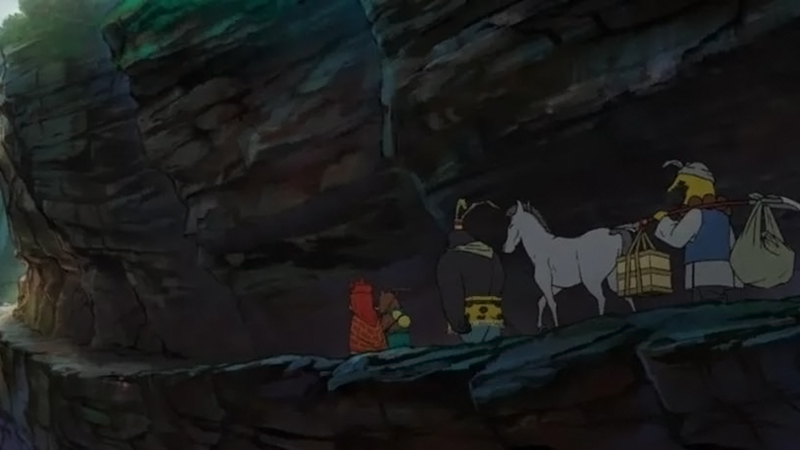
Whether in China or abroad, animation has almost always started out by adapting well-known children's stories. Disney had Snow White. China had its very first animated feature in 1941—Wan Brothers' Princess Iron Fan (铁扇公主), also drawn from Journey to the West.
The studio behind Langlang Mountain's Little Monsters (Shanghai Animation Film Studio) has a long tradition of drawing from cultural classics. Their catalogue includes feature films like Havoc in Heaven (大闹天宫), Ne Zha Conquers the Dragon King (哪吒闹海), Heavenly Book (天书奇谭), and Lotus Lantern (宝莲灯), as well as shorts like Pigsy Eats Watermelon (猪八戒吃瓜), Nine-Colored Deer (九色鹿), and The Mr. South Guo (南郭先生). All of these are steeped in traditional culture and classic literature.
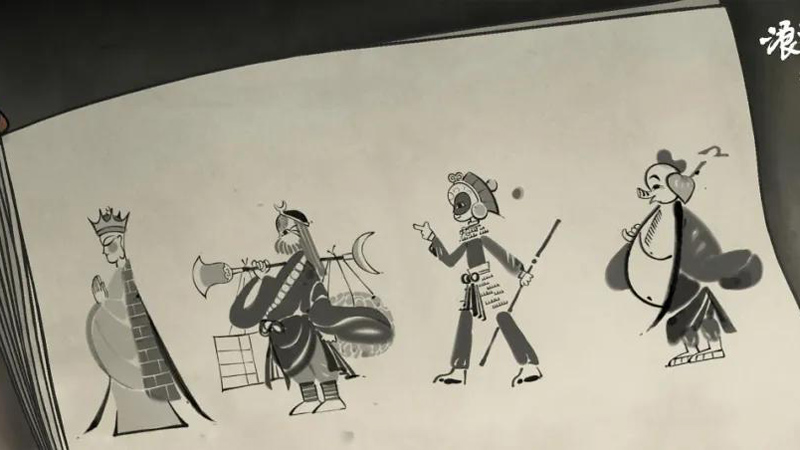
But compared to these works, which mostly aimed to recreate the classics faithfully, the wave of films since Monkey King: Hero Is Back (2015) shows a very different intention: deconstruction and reconstruction.
Animator Luo Ming explained that this comes from the life experience of a new generation of animation creators:
"They grew up with a much broader global perspective. Not only do they have more stylistic and technical imagination, they also carry a stronger sense of authorship—starting from themselves, telling stories from more private and personal angles. That makes it easier for today's audiences to relate."
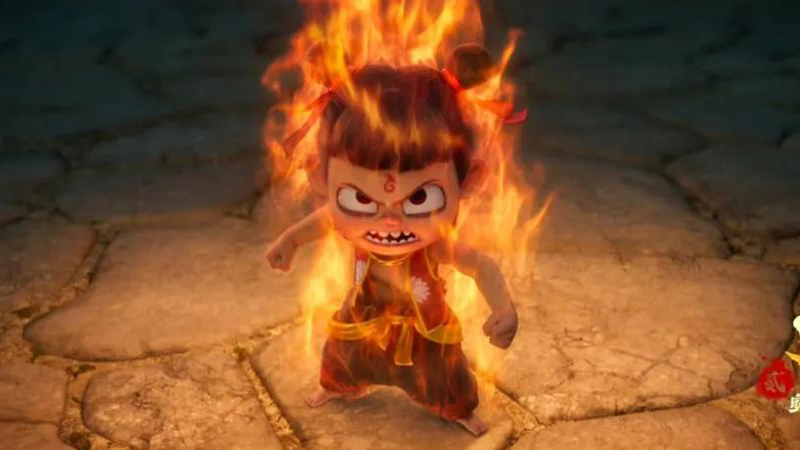
In terms of visual style, the Ne Zha franchise is the most iconic. Back in 2019, the so-called "Ugly Ne Zha" stirred controversy when first revealed. But because the storytelling was so strong, the scrappy, awkward-looking kid won over mainstream viewers, and now stands as a major symbol of the animation industry.
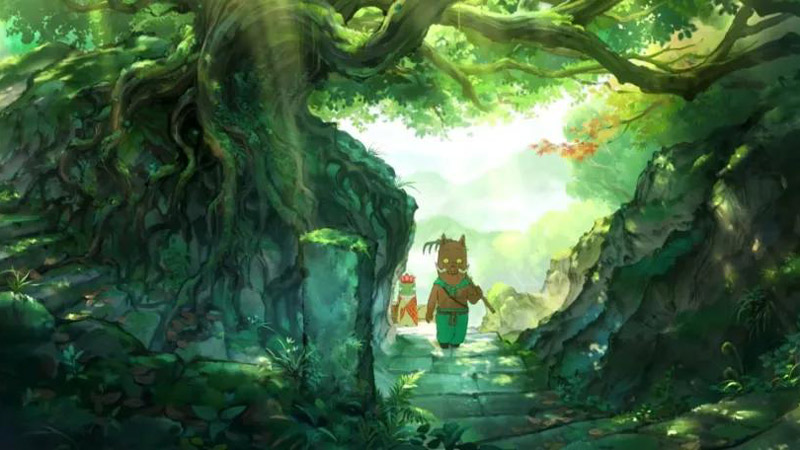
Other examples include the dynamic ink-painting visuals of NOBODY and the watercolor-style washes of the White Snake (白蛇) films—both now staples of the Guofeng (国风, Chinese-style) animation look.
This strong sense of "authorship" has become the emotional bridge connecting modern viewers to these works.
The success of NOBODY lies in how audiences felt "everyone has their own Langlang Mountain"—a metaphor that resonates with urban workers facing real-life struggles. The Ne Zha films, with their defiant motto "My fate is my own, not heaven's" , tapped into a deeper layer of resistance and self-assertion for viewers.
"Compared to live-action, animation gives you more freedom in narrative expression," Luo Ming added.
"Some things would feel awkward in live-action—like a character shouting out a hot-blooded slogan. But in animation, it works perfectly. Same with contemporary references—if done in live-action, they'd feel forced, but in animation they land just right. That's the unique edge of this medium: it can voice things for the audience that might otherwise be unspeakable."
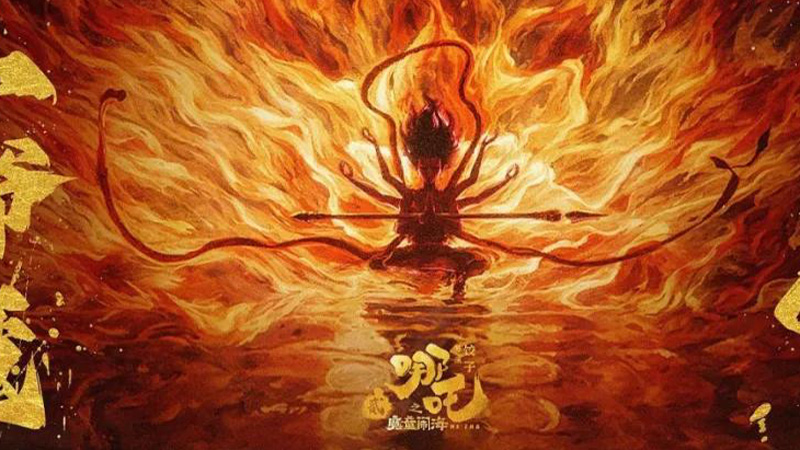
Of course, this kind of creative approach places very high demands on both production quality and storytelling.
"In the end, it's still about the content," said producer Lax. "The production cycle, investment costs, and industrial difficulty of animation are all much higher than shooting a live-action film on the same subject. So why do people still stick with animation? Because most of those who do have their own artistic ideals and persistence—and that's why their works find an audience."
Recently, news broke that China's Four Great Classical Novels are about to undergo another round of live-action remakes. Perhaps it wouldn't hurt to borrow some lessons from the way animated films have adapted the same material.
Respecting the audience, respecting an increasingly mature market, carefully working on the script and the cast—these are the basics for making good culturally-rooted content. On top of that, the real challenge is digging into the contemporary cultural resonance behind the classics, and creating aesthetic impact through both audiovisual design and character work.
Take the demon-versus-immortal battle in Ne Zha 2. It might be the most imaginative and visually striking depiction of The Investiture of the Gods we've seen on screen, big or small. That kind of spectacle—where creativity and visual force meet—should be the direction worth doubling down on in future adaptations.
The Limits of This Genre of Animation
That said, we also have to acknowledge some of the limitations of animation compared to live-action.
First, the form itself. Animated environments simply can't deliver the same sense of weight and grandeur as live-action when it comes to large-scale battles. This is one reason why most animated adaptations lean into fantasy themes, while few dare to touch heavy war epics like Romance of the Three Kingdoms or Water Margin.
Then there are market challenges.
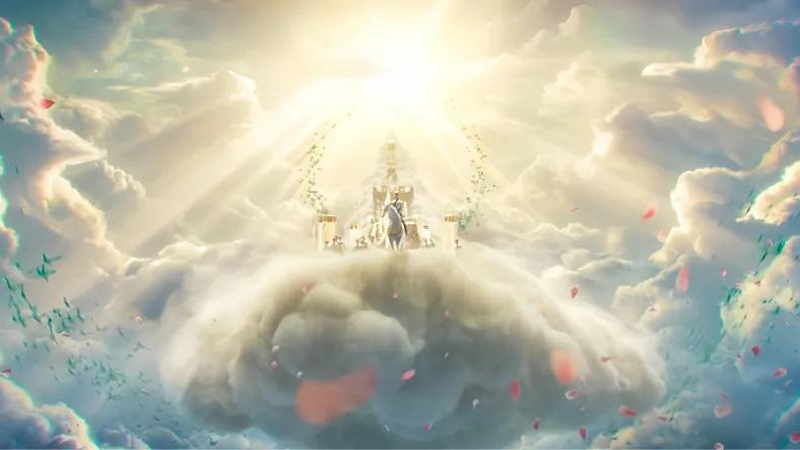
Animated IPs do lend themselves to good commercial spin-offs—merchandising, brand collaborations, and so on. But compared to live-action, the high costs and long production cycles of animation make investment risk much greater.
Take Light Chaser Animation as an example. Their summer release Curious Tales of a Temple was structured into six chapters, directed by six different directors. That pushed production costs up significantly—reportedly to around 150 million RMB. With its current box office performance, breaking even looks tough.
In fact, even films that pass the 100-million mark at the box office often struggle to turn a profit. The Ne Zha franchise, while a success, also raised the bar for industrial standards. According to Enlight Media's financial reports, Ne Zha 2 cost over 500 million RMB to produce.
But there may be other promising paths.
Films like The Legend of Hei 2 (罗小黑战纪2) and NOBODY point to an alternative model. Reportedly, Langlang Mountain cost only about 60 million RMB to make, and its return on investment has been remarkable. What made that possible was a focus on story first, with distinctive visual style to boost appeal. With two such films appearing within just six months, we may already be seeing signs of a new industry trend.
But this "mutual dependence" between Chinese animation and classical literature may not last forever.
"As a creative instinct, it's natural for animators to want to deconstruct the classics. But from an industry perspective, this tight 'bond' is very much a feature of the early stage of market development. Going forward, we'll likely see more films like Oh My School! (a school-life comedy that tells its own original story through animation). And honestly, that should become the norm," Lax explained.
More film companies are already investing in original animated projects. For instance, Nirvana in Fire (琅琊榜) is getting an animated adaptation from Daylight Entertainment, and writer Ma Boyong's IP The Troubled Life of Taibai Jinxing (太白金星有点烦) is also being adapted into a fantasy animation. These kinds of works are steadily expanding the storytelling range of Chinese animated films.
So when it comes to the future of animation, maybe it's best to think long-term—and give the medium time to grow into something more diverse.
