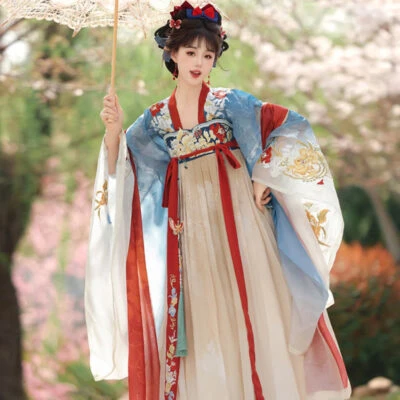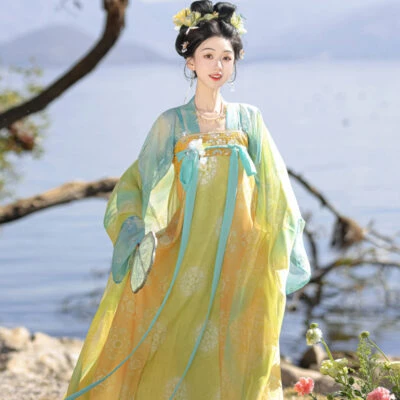
When watching historical dramas, we often marvel at the gravity-defying hairstyles—elaborate loops, towering buns, and intricate coils that seem to float effortlessly. These “zero-gravity aesthetics” leave us wondering: how did ancient women achieve such dramatic looks without modern tools? This article delves into the ingenious methods used in dynasties like the Tang, revealing how hairpins and accessories transformed hair into art while defying physics. Through examples from popular shows and paintings, we uncover the secrets that kept these styles intact, blending functionality with breathtaking beauty.
The Role of Hairpins
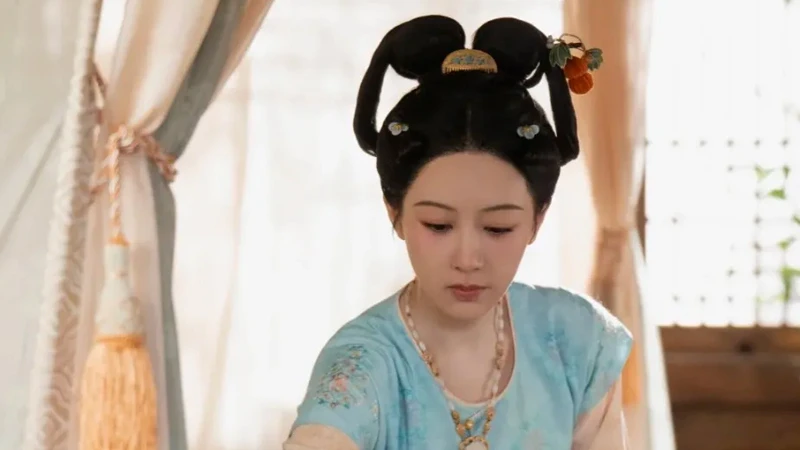
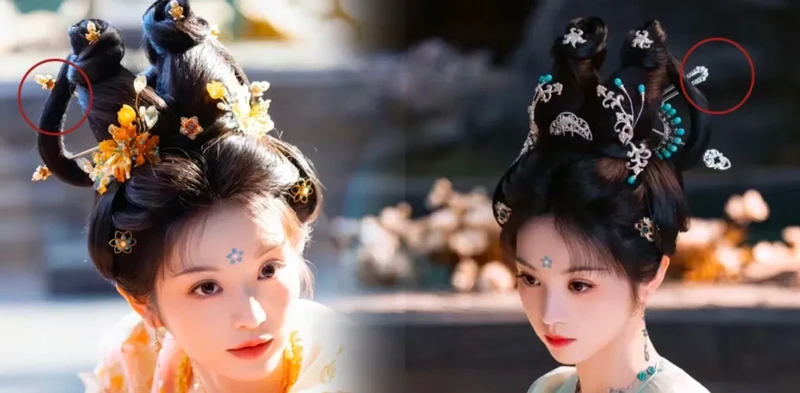
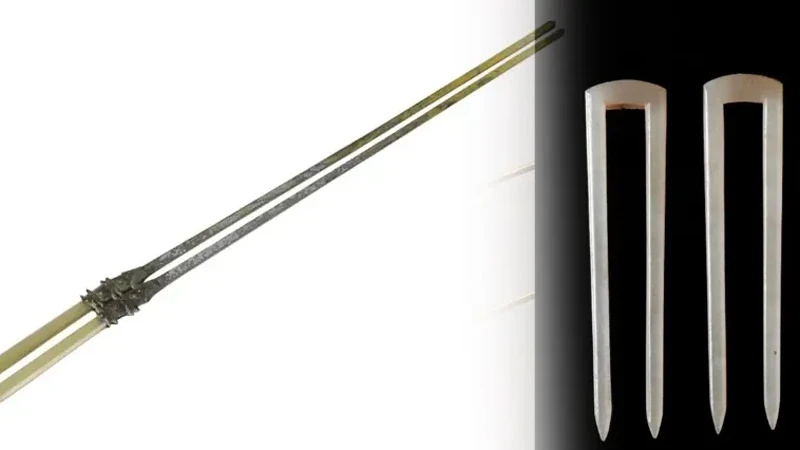
In historical dramas, characters sport stunning coiffures that appear weightless, like those in Moonlit Reunion (子夜归) featuring Tian Xiwei (田曦薇). Her character’s ring-shaped styles aren’t held by wire or glue; instead, ancient artisans relied on hairpins for both fixation and adornment. These pins, often single-pronged or double-pronged, anchored the hair at key points, creating a sturdy framework that supported even the most complex shapes. Unlike today’s temporary solutions, these tools were elegant and durable, proving that ancient craftsmanship was both practical and artistic.
Hairpins weren’t just functional—they added decorative flair. For instance, in Ladies Wearing Flowers painting, symmetrical pins embellished the hair, their designs varying from simple to ornate based on social status. Typically 20-30 cm long, with minimalistic heads or engraved patterns, they blended seamlessly into the hairstyle, avoiding visual clutter. This approach ensured the pins held firm while enhancing the overall aesthetic, a testament to the meticulous attention to detail in eras like the Tang Dynasty.
Without such pins, hairstyles would sag under their own weight, as seen in Flourished Peony (国色芳华) where Yang Zi (杨紫) sports natural, drooping buns. Hairpins provided the necessary lift, allowing for sculpted forms that seemed to defy reality. Their strategic placement—often at the center or ends of buns—created depth and dimension, turning ordinary hair into architectural marvels that captivated audiences then and now.
Butterfly Coiffures
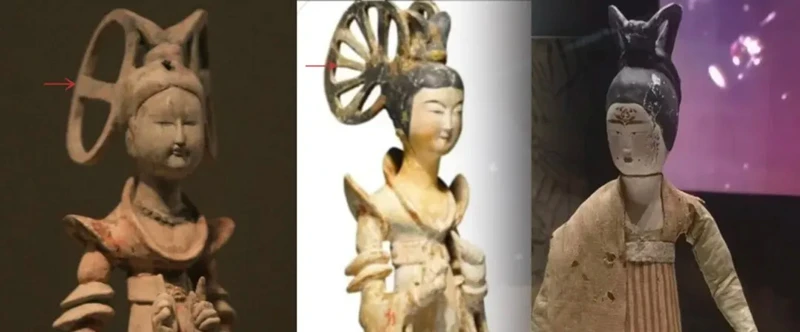
One iconic example is the “butterfly coiffure,” a style where twin buns curve inward to mimic wings. This look, popular in Tang Dynasty art, relied heavily on hairpins for its ethereal effect. By inserting pins deep into the hair’s core, stylists could shape the buns into near-perfect ellipses, giving them a light, fluttering appearance. The technique wasn’t just for show; it symbolized grace and status, making it a favorite among nobility and immortalized in statues and paintings.
In modern recreations, like those for dramas, this style often appears stiff if over-reliant on artificial aids. Ancient methods, however, used pins to achieve a natural flow. For example, in Moonlit Reunion, Tian Xiwei’s hairstyles showcase how multiple pins worked in harmony—some for structure, others for embellishment—resulting in looks that felt alive. This contrasts with simplified versions in figurines, where pins were sometimes omitted for durability, leading to a less dynamic effect.
The butterfly coiffure highlights the balance between art and engineering. Pins allowed for creative freedom, enabling styles that seemed to hover weightlessly. Today, we might use clips or wires, but they lack the finesse of these ancient tools. As viewers, we’re left in awe of how something as simple as a pin could elevate hair into a symbol of cultural sophistication.
Beyond Ornamentation
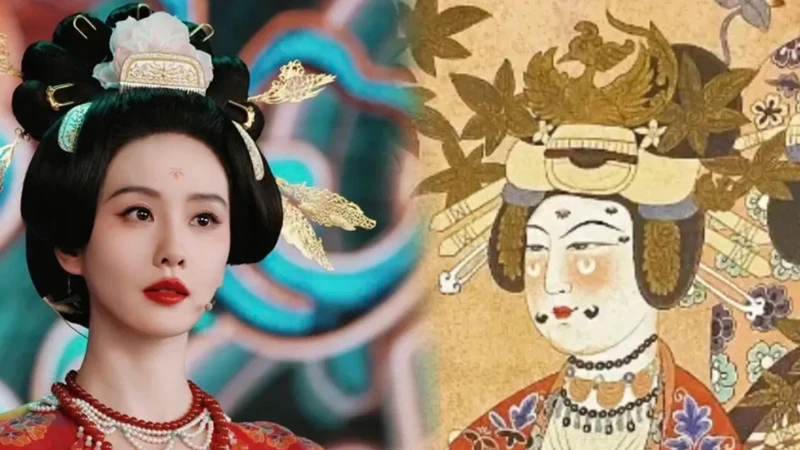
Hairpins were just part of the story; other accessories like Huadian (花钿) and hair combs played crucial roles. Huadian, often floral and lace-like, served dual purposes: they adorned the brow while securing stray hairs and covering imperfections. In Tang fashion, these pieces were practical magic, turning potential flaws into decorative highlights that complemented elaborate updos.
Hair combs, meanwhile, focused on tidiness. They smoothed flyaways and reinforced the hairstyle’s foundation, working alongside pins to ensure everything stayed in place. This division of labor—pins for fixation, combs for refinement, Huadian for concealment—showcased a holistic approach to hair care. Ancient stylists anticipated every challenge, from loose strands to gravity’s pull, creating solutions that were as beautiful as they were effective.
These accessories reveal a deeper truth: ancient hair art was about more than vanity. It reflected a culture where every element had purpose, blending utility with elegance. Today’s hair tools, like decorative clips, echo this spirit but fall short in integration. As we admire these styles in dramas, we’re reminded of the timeless ingenuity that continues to inspire modern fashion.