As autumn's chill begins to whisper through the air, a unique phenomenon unfolds across cultures. From the costumed revelry of Halloween to the vibrant altars of Mexico's Día de Muertos, societies worldwide acknowledge the thinning veil between the living and the dead. In China, this observance takes its most profound form during the entire seventh lunar month, culminating in the Zhongyuan Festival (中元节), or Hungry Ghost Festival. More than just a "ghost day," it's a deeply woven tapestry of ancestral respect, philosophical thought, and community care that defines its core.
The Ghost Month
The entire seventh lunar month is traditionally known as the "Ghost Month" in Chinese folklore. The belief holds that on the first day of the month, the gates of the underworld open, allowing spirits to roam the human realm. The festival peak arrives on the fifteenth day, though some regions observe it on the thirteenth or fourteenth.
This isn't framed as a terrifying invasion. Instead, it's viewed as a sacred period where the departed can return to visit their families and receive sustenance. The month is dedicated to providing for these spirits. It begins with ceremonies to "receive the ancestors" , and families make offerings throughout the period. The belief concludes that by the month's end, having been appeased and nourished, the spirits return to the underworld as the gates close. This cycle reflects a fundamental Chinese value: the enduring responsibility of the living to care for the departed.
The Roots of Zhongyuan
The festival's significance is deepened by its blend of ancient agricultural, Daoist, and Buddhist traditions.
Its earliest roots likely lie in ancient "autumn harvest" ceremonies, where people made offerings to deities and ancestors in gratitude for the harvest and prayers for future abundance. The Daoist tradition designates this day as the time for the Earth Official to inspect the mortal world, forgive sins, and determine fates. Simultaneously, the Buddhist narrative of Mu Lian (目连) saving his mother from the underworld led to the practice of the Ulambana ceremony, focused on releasing souls from suffering.
This fusion of ideas transformed a harvest ritual into a comprehensive festival of merit-making, ancestral veneration, and universal compassion. Historical records, like those in the classic novel Water Margin, describe immense public celebrations with temple ceremonies, lanterns, and operas performed for both gods and people.
The Living Traditions: Rituals That Connect
Three core practices continue to define the Zhongyuan Festival today, moving beyond superstition to embody its philosophical heart.
The central ritual is the offering of food, spirit money and paper effigies of goods to ancestors and "wandering ghosts" without families to care for. This is done at home altars and, most visibly, at waterways or street corners. The act of burning these items is believed to transform them into goods the spirits can use in the afterlife. This isn't merely about appeasement; it's a tangible expression of ongoing care and remembrance, a way to honor one's lineage and show compassion to all souls.
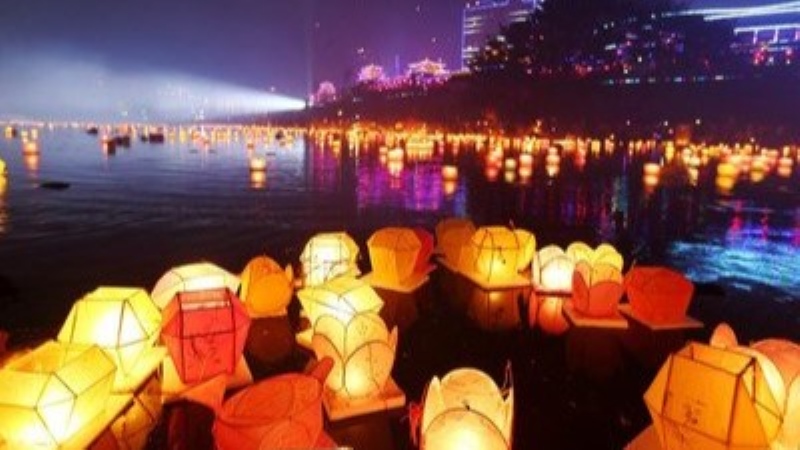
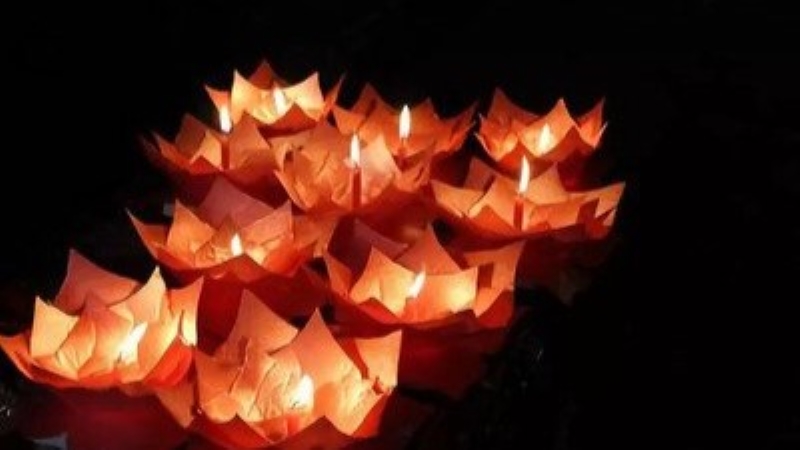
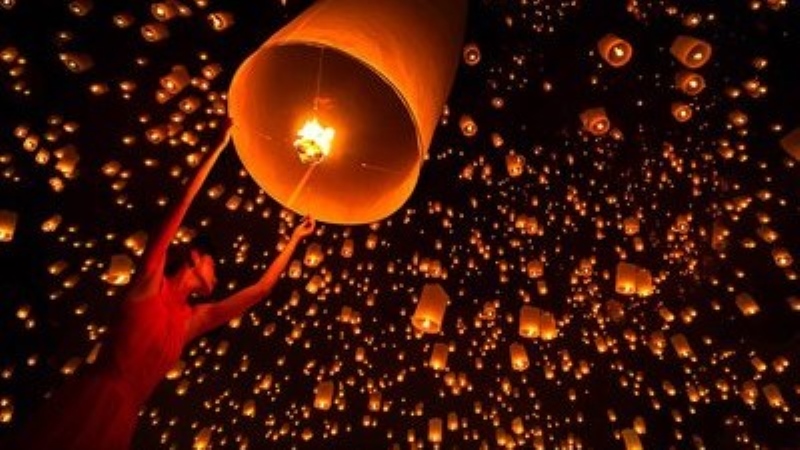
One of the festival's most beautiful sights is the launch of water lanterns. These small, candle-lit lanterns are set afloat on rivers and lakes. Poetically, they serve a dual purpose: to guide the spirits back to the underworld at the month's end and to symbolize the release of one's prayers and wishes for the peace of the departed. The flickering lights on the water create a moving, silent spectacle of collective memory and hope.
The practices of staying indoors after dark, avoiding swimming, and not stepping on door thresholds during rituals are often labeled as superstitions. However, they can also be understood as a cultural framework for creating a sacred, mindful space. By observing certain cautions, the community collectively acknowledges the significance of the period and fosters a sense of reverence and mutual care, especially for the well-being of children and the elderly.
The Enduring Meaning: More Than Meets the Eye
To dismiss the Zhongyuan Festival as mere superstition is to miss its profound cultural essence. At its heart, it is a powerful, month-long meditation on the connection between life and death. It provides a structured time for families to collectively remember their roots, express gratitude to their ancestors, and contemplate their own place in the continuum of life.
It is a festival that champions compassion, urging kindness not just to one's own family but to all lonely souls. In its modern observance, while some traditional practices may evolve, the core values remain: respect for the past, responsibility to one's community, and a heartfelt hope for peace across all realms.