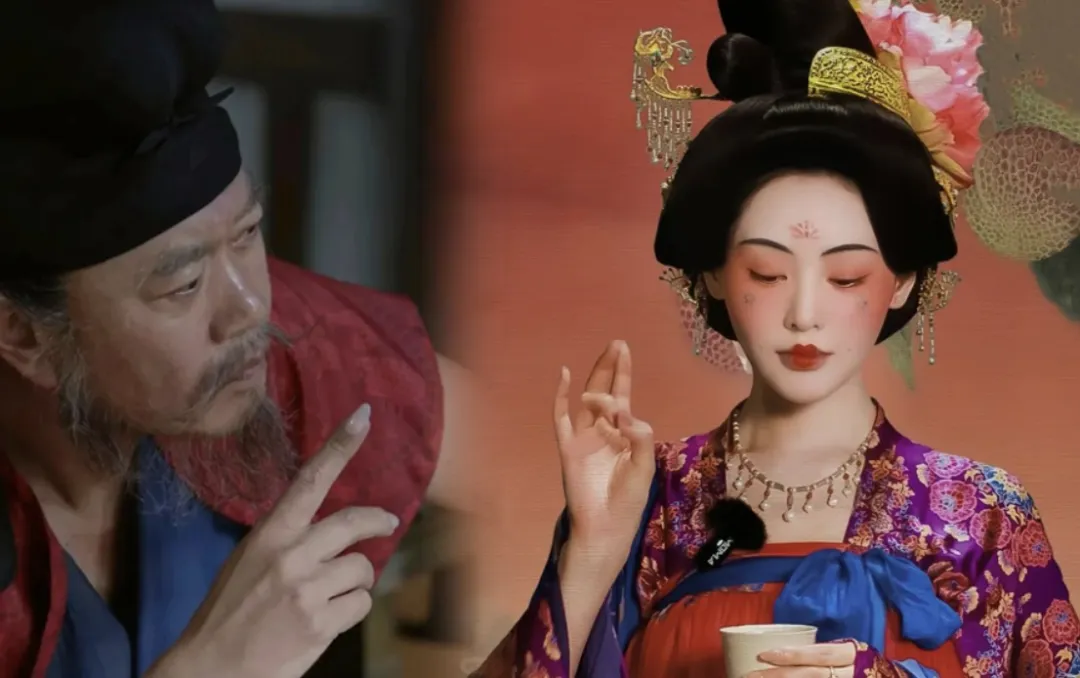
In the cdrama The Lychee Road, not only women but also men are into manicures. He Cishi, a seemingly rugged man, and some officials have well – manicured nails, which challenges many people’s modern thinking. What’s going on? Were the Tang people more progressive than us?
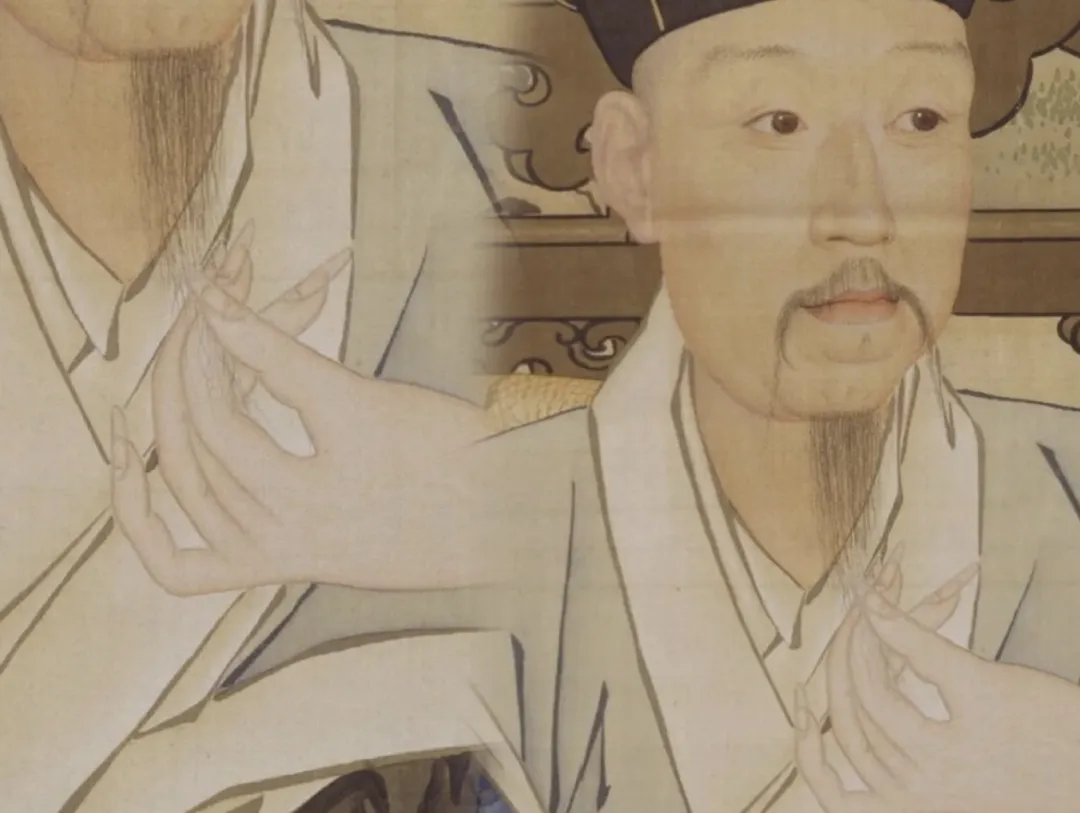
Actually, ancient men also liked growing nails. But it wasn’t for beauty. It was a symbol of upper – class status, showing they didn’t do manual labor. We can see long nails in some portraits. Take Zhuge Liang, a well – known figure in the Three Kingdoms period. In a Yuan – Dynasty portrait of him (collected in the Palace Museum in Beijing), he has long nails, and the ruyi in his hand is delicate. His black – and – white – and – red clothes are still fashionable today.
Nail Art in Tang Dynasty
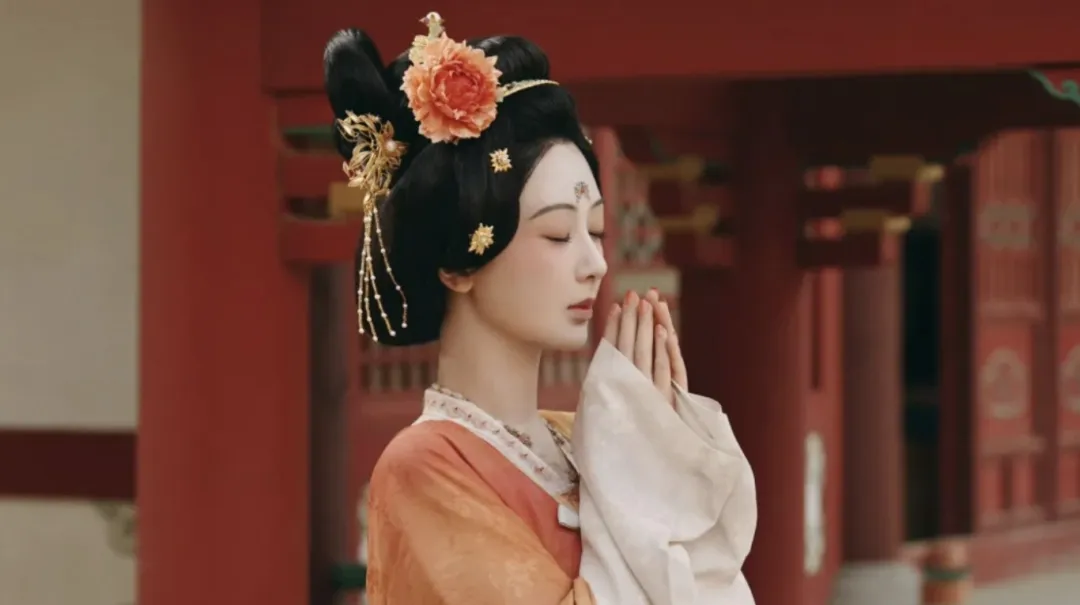
The trend of manicures became more popular in the Tang Dynasty. There were ‘nail – dyeing’ techniques and a specialized manicure industry. Similar to today, nail – dyeing was a sign of beauty and noble status, especially favored by noble women. In ancient times, ‘Koudan’ referred to dyed nails or delicate hands with dyed nails. Balsam flowers, also known as ‘nail – dyeing grass’ and ‘good – daughter flower’, were common dyeing materials.
There were specific and delicate methods. One was to crush balsam flower leaves and flowers in a small bowl, add a little alum, and use it to dye nails. According to Guixin Zashi Xuji by Zhou Mi in the Southern Song Dynasty, after repeated dyeing, the color was like rouge and lasted for about ten days. Another method was to soak silk floss in flower juice and stick it on nails, which could keep the color for months.

Tang – Dynasty palace ladies were crazy about manicures. Yang Guifei loved nail – dyeing, leading to a trend in the palace that spread to the noble class and then to the common people.
Tang poet Han Xie wrote Ode to Hands to praise women’s hands. Other poets also sang praises of dyed nails, making the process well – known as a symbol of beauty. ‘Jade shoots’ were used to describe women’s slender fingernails.
Nail Protectors
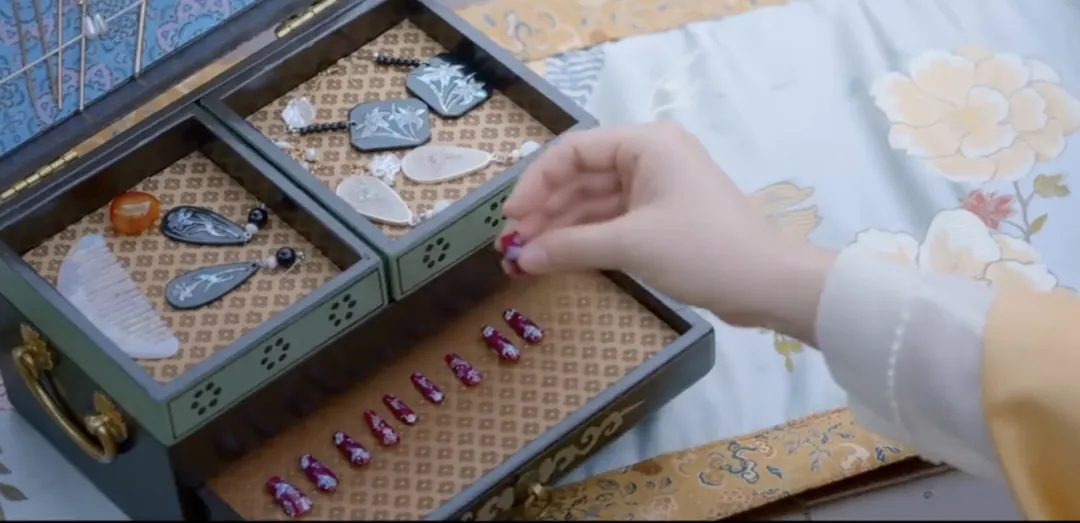
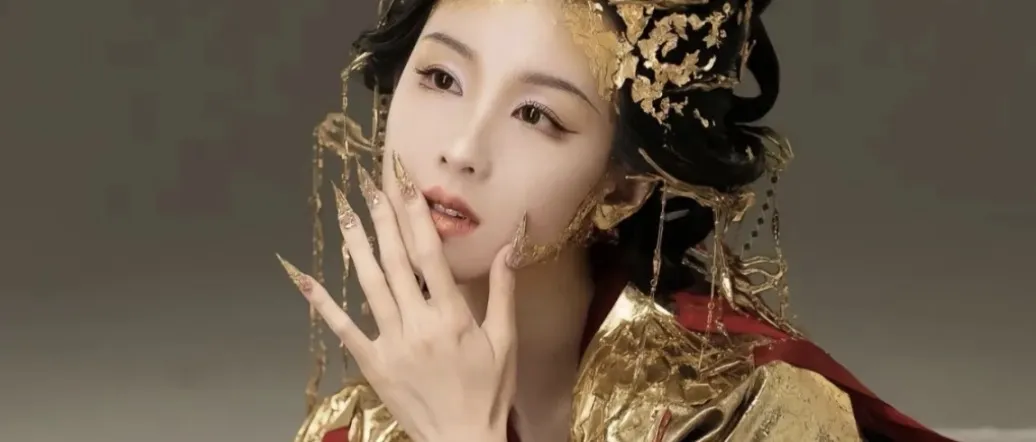
There were also wearable ‘nail protectors’. Some say they first appeared in the Warring States period, while others think they were passed down from the Ming Dynasty. One theory is that they protected fingers from musical instrument strings.
Another is that ancient women made them from bone and horn to protect their long nails, called ‘xizhua’. Noble women’s nail protectors were extremely luxurious, inlaid with real gold, silver, and precious stones.
It turns out the love for manicures has remained the same through the ages. So, can you accept men doing manicures?