Article
Search results:
-
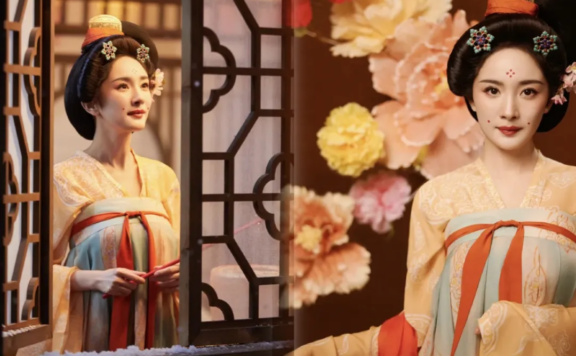
Why Yang Mi's Tang Dress is So Advanced?
The poster of the movie version of The Lychee Road reveals that Yang Mi plays Zheng Yuting, the lawfully - wedded wife who shouts, "I'm marrying him, not Chang'an". She always accompanies Li Shande played by Da Peng. Fans believe this can make up for the regret of the TV series version. Careful fans found that the stripes on her dress in the play are horizontally gradient. Similar striped prints have even been featured on various international fashion runways by foreign designers! Were the people in the Tang Dynasty so trendy? Let me give you the conclusion first. This horizontally gradient dress is inspired by the pattern of a woman's dress in the Tang Dynasty silk painting The Birth of Buddha. And this pattern is created through the dyeing and resist - dyeing techniques of the Tang Dynasty. The dyeing and resist - dyeing techniques can be further divided according to their functions. "Dyeing" mainly focuses on coloring the fabric, while "resist - dyeing" is about creating patterns on the fabric. It is said to have originated in the Qin and Han dynasties and was very popular from the Sui, Tang to the Song dynasties. According to Shuowen Jiezi, "Xie… -
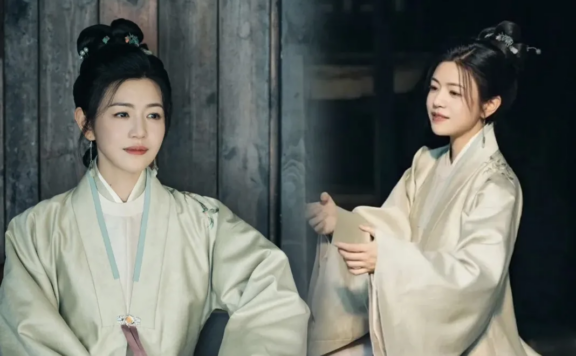
Chen Yanxi's Mother Costume in The Legend of Zang Hai
In the ancient cdrama The Legend of Zang Hai (藏海传), although Chen Yanxi only appeared in a few scenes, she left a deep impression. She played the mother of Zang Hai (played by Xiao Zhan), wearing a Ming-style cape, showing a different kind of mature charm from before. Let's first talk about the outfit on the left side of the main picture. Chen Yanxi wore a front-buttoned narrow-sleeved cape, with a round-collared shirt and a cross-collared middle garment inside, and a horse-faced skirt below. The whole set was in the Ming style. The overall color of this outfit was a combination of light blue and light colors, so it looked gentle and elegant. Her hair was simply styled in double buns or a single bun, making her look fresh, elegant, and refined. The cape is a relatively formal style in Ming Dynasty clothing. Its style features a straight collar and slits on both sides. It evolved from the Bei Zi in the Song Dynasty. In some Ming Dynasty books, the terms 'Bei Zi' and 'cape' were often used interchangeably. The main difference between them is that in the middle and late Ming Dynasty, the collar of the cape was mostly… -

Tutorial: Techniques for Boneless Flower and Bird Paintings
Mastering the art of boneless flower and bird painting involves a delicate balance of technique, observation, and restraint, capturing the essence of nature without rigid outlines. This approach encompasses diverse methods for rendering petals, leaves, branches, and even birds, each tailored to the subject’s unique characteristics. For flowers, artists employ distinct strategies for single-petaled blossoms like hibiscus and multi-layered ones such as peonies, focusing on gradual color blending and structural unity. Leaves are brought to life through either vein-reserving or vein-defining techniques, while branches and vines gain texture and dynamism via water-color buildup or expressive brushwork. Extending to birds, the boneless style uses fluid washes and layered strokes to convey feather detail and vitality. Complemented by secondary elements like rocks and grasses, these techniques come together to create harmonious compositions where every stroke—whether bold or subtle—breathes life into the natural world. https://youtu.be/pPLSh3ABRrU 1. Mastering Boneless Methods in Flower Painting 1.1 Flower Petals Single Blossom Approach: Single-petaled flowers like hibiscus or plum blossoms require deep understanding of their structure before painting. Start by preparing pigments: dip a medium brush tip into white paint, touch it with crimson at the edge, and spread one stroke per petal. Connect strokes smoothly for gradual… -

Yang Mi's Qipao: Sneakers and Pigtails in Daily Fashion?
A recent street style photo of actress Yang Mi (杨幂) ignited social media. She wore a thigh-length Qipao paired with crisp white sneakers, her hair styled in high pigtails tied with pink ribbons. This unexpected fusion radiated youthful energy, sparking widespread debate: Can this trio—short Qipao, sneakers, and pigtails—breathe new life into everyday wardrobes? While fans marveled at her seemingly ageless glow, others questioned its practicality for average women. The image sharply contrasted with conventional Qipao associations, challenging decades of formal styling norms overnight. Street Style Sensation Yang Mi’s ensemble shattered Qipao stereotypes. Traditionally reserved for weddings or galas, the garment demanded heels and updos to maintain solemnity. Her version, however, stopped mid-thigh, featuring subtle floral embroidery near the hem instead of the usual dense upper-body patterns that age wearers. Vibrant red piping along the collar and sleeves injected vitality into the soft pink fabric. The high pigtails, slightly curled at the ends, coordinated seamlessly with her Qipao’s hue through matching ribbons. Completing the look, minimalist sneakers grounded the outfit in accessibility. "Is she bringing Qipao to college campuses?" netizens joked, acknowledging its sudden shift from ceremonial wear to casual chic. The look’s brilliance lies in its deliberate informality. By… -
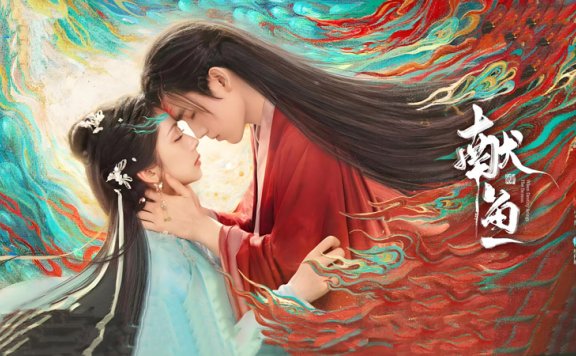
Who Tamed Ancient When Destiny Brings The Demon? A Xianxia Rom-Com Rewrites Romance!
The highly anticipated When Destiny Brings The Demon (献鱼) premiered today on Youku, offering a refreshingly quirky take on the Xianxia genre. Starring rising talents Chen Feiyu (陈飞宇) and Wang Yinglu (王影璐), this series throws a modern slacker into the heart of ancient immortal politics, sparking an unlikely romance with a volatile powerhouse. Think workplace comedy meets high-stakes fantasy, where survival trumps saving the Three Realms. Get ready for laughter, heart, and a complete genre shake-up. Mismatched Souls Collide Imagine zoning out at your desk one moment, then waking up branded a traitor in an immortal sect the next. That’s the bewildering reality for modern-day office worker Zou Yan (邹雁), unexpectedly thrust into the body of Liao Tingyan (廖停雁), a disciple of the Gengchen Immortal Manor (庚辰仙府) suspected of being a spy from the Demon Realm. Her assignment? Serve the Manor’s legendary, terrifyingly powerful Ancestor, Sima Jiao (司马焦), newly awakened after 500 years sealed within Three Sacred Mountains. Their first encounter is electric with tension. Sima Jiao, radiating intimidating energy, instantly sees through Liao Tingyan’s disguise. He probes her motives relentlessly, expecting treachery. She, clinging to her "work-to-live" philosophy, just wants to avoid getting incinerated. Yet, a bizarre connection forms.… -
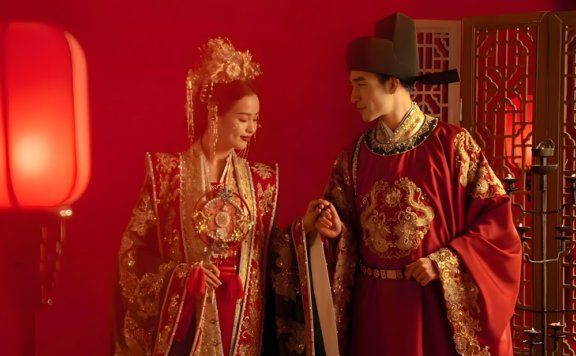
How Does Ancient Chinese Wedding Attire Captivate Modern Hearts?
Under the bright lights of contemporary weddings, a bride steps forward adorned in Fengguan Xiapei (凤冠霞帔), her ceremonial headdress and cape shimmering with jewels that chime softly like ancient wind chimes. This ensemble transcends mere clothing; it embodies millennia of Chinese tradition, weaving together ideals of love, ritual, and exquisite craftsmanship. More than a bridal costume, it represents a profound cultural legacy where every stitch whispers stories of devotion and artistry passed down through generations. Today, this iconic attire is experiencing a vibrant resurgence, captivating modern couples seeking a connection to their heritage and a deeply symbolic start to their union. Beyond Bridal Wear The Fengguan, or "phoenix crown," stands as a masterpiece of adornment. Traditionally reserved for noblewomen, its complexity signified rank. Crafted from precious metals, it features intricate phoenix motifs – symbols of grace and virtue – adorned with gleaming pearls, vibrant gemstones, and delicate tassels that sway with movement. Its brilliance was unmatched in traditional court regalia. Complementing the crown is the Xiapei, the "rosy-cloud cape." This long, rectangular garment drapes elegantly from the shoulders to the chest, its name inspired by the radiant hues of dawn. Embroidered meticulously onto rich fabrics like silk or brocade are… -
Brothers Torn Between Justice and Revenge in The Wanted Detective Finale
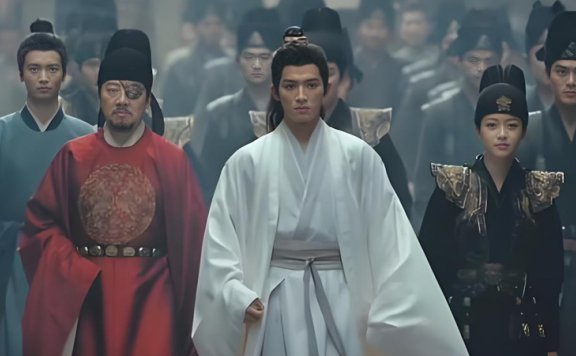
The 36-episode saga The Wanted Detective (定风波) concluded its intricate dance of suspense, supernatural intrigue, and perilous adventure, masterfully framed by striking visuals rooted in Chinese gothic aesthetics. Its finale brilliantly wove seven distinct cases into a cohesive whole, akin to a celestial alignment, leaving viewers profoundly satisfied yet haunted by its lingering power. The culmination wasn't merely about solving crimes; it exposed the raw nerves of fate, loyalty, and the devastating cost of vengeance spanning decades, centered on the fates of two orphans from Cliffside Bay. The Haunting of Cliffside Bay The chilling events at Cliffside Bay formed the origin point for the entire narrative, making its resolution paramount in the final act. Following the map provided by Wu Lie (武烈), the Bo Bo team (波波队) journeyed towards the cursed location. Villagers along the way recoiled in terror at the mere mention of "Cliffside Bay," their faces betraying deep-seated fear, yet all clues inevitably led there. Upon arrival, the team discovered a man bearing savage bite wounds – a grim harbinger of the truth about to surface. This perilous expedition finally unraveled a mystery buried for thirty-six years. The source of the horror was the Tempest Pill, developed by… -
Bai Lu's Weight Loss: Health vs. Career Debate in Entertainment
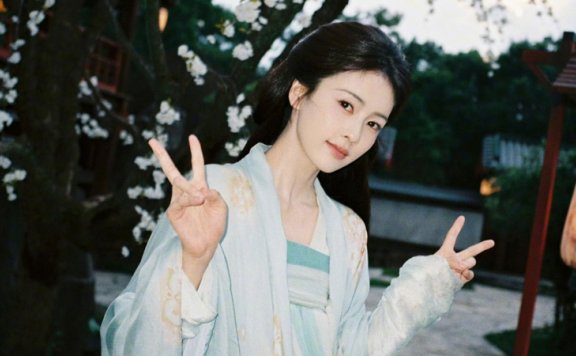
Bai Lu's (白鹿) dramatic physical change has become a national talking point since spring 2024. Between March sightings on the Tang Gong (唐宫) set, where she appeared with soft, rounded cheeks, and August glimpses from Mo Li (莫离) filming revealing a drastically thinner frame, the 28-year-old actress reportedly shed over ten pounds, now weighing just 80 pounds. This places her well below a healthy BMI range. Public reaction swings between concern over her visible fragility and uncomfortable questions about the extreme demands placed on actresses. This transformation wasn't accidental. During Tang Gong filming in March, she radiated a vibrant, healthy energy, her face full and her complexion glowing. Her historical costumes emphasized a noble elegance. Fast forward to August on the Mo Li set, where her character, strategist Ye Li (叶璃), requires an ethereal thinness. Costumes hang loosely on her frame; her facial structure appears sharply defined, almost severe. Initial fan reactions weren't admiration, but alarm: "Could she faint?" While Bai attributed the weight loss to stomach issues, the sheer speed and extent suggest more than simple dietary sensitivity. Seeing an actress who once embodied youthful vitality now struggling to fill small-sized clothing is deeply unsettling. Industry's Unspoken Rulebook The… -
Why Do Hooded Cloaks Dominate Every Historical Drama?
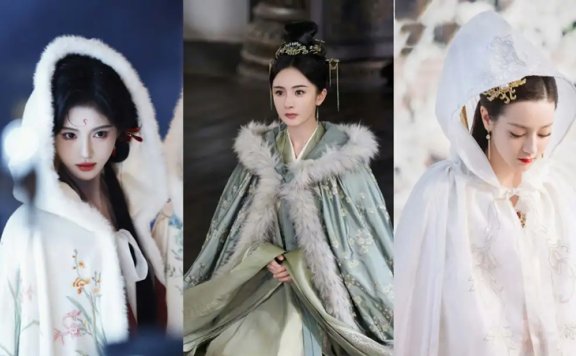
From celestial beings in fantasy epics to noblewomen in palace intrigues, one costume piece silently reigns supreme: the hooded cloak. This garment, seemingly simple in design, has become an indispensable visual shorthand across Chinese historical film and television. Its sweeping presence raises questions – is this a nod to historical authenticity, a practical filmmaking choice, or pure aesthetic enchantment? The answer weaves together threads of function, symbolism, and modern creative license, transforming the hooded cloak into far more than just a covering. Power, Mystery, and Practicality on Screen In Zhong Kui: Snow Girl and the Dark Crystal (钟馗伏魔:雪妖魔灵), the snow spirit Xue Qing (雪晴), portrayed by Li Bingbing (李冰冰), glides through icy landscapes enveloped in a pale blue hooded cloak adorned with intricate snowflake embroidery and fur lining. This exemplifies one core function: elemental protection. The cloak shields her from the biting wind and snow, a practical barrier against harsh weather. Similarly, in the acclaimed series Empresses in the Palace (甄嬛传), the protagonist Zhen Huan (甄嬛) dons a light-colored hooded cloak for discreet warmth during a nighttime visit to the Plum Garden. It allows her to move outside undetected while staying comfortable. Beyond warmth, the hooded cloak serves as the… -
Tan Songyun: A White Silk Photoshoot at 35
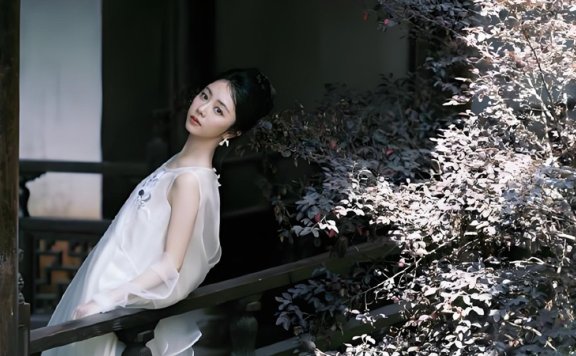
In the crisp autumn of 2025, Tan Songyun (谭松韵) unveiled a series of ethereal photos in white silk, blending traditional Chinese elegance with modern simplicity. Captured in a serene classical garden, these images sparked a social media frenzy, with fans clamoring for wallpapers and praising her timeless grace. At 35, she defies industry norms, showcasing how authenticity trumps artificial enhancements. This piece explores her stunning visuals, the viral response, and the broader conversation on age and beauty in entertainment. The Enchanting Visuals Tan Songyun appeared in flowing white silk robes, her hair elegantly tied back, embodying a goddess-like aura in a tranquil courtyard setting. Unlike flashy red-carpet styles, this minimalist approach featured no heavy makeup or extravagant accessories, highlighting her radiant skin and soft features. The photos exuded a calm, almost poetic vibe, with sunlight filtering through ancient trees as her gown billowed gently in the breeze. This choice emphasized natural beauty over digital perfection, resonating deeply in an era dominated by filters and edits. Her look drew sharp contrasts with past appearances, where elaborate outfits often overshadowed her innate charm. Here, the simplicity amplified her elegance, making every gesture feel authentic and unforced. Fans instantly noted how the ensemble… -
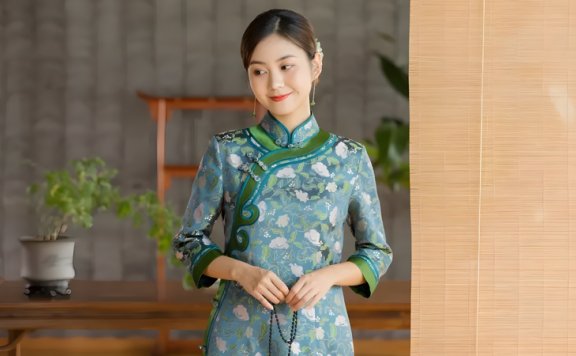
Tang Brocade: How Did This Silk Art Define Splendor?
In the heart of Chinese cultural heritage, Tang Brocade stands as a luminous symbol of silk artistry from the Tang Dynasty era. This exquisite fabric, woven with meticulous care, once adorned the nobility and now finds new life in contemporary fashion like the Qipao. Its rich patterns and opulent textures reflect a timeless pursuit of beauty, bridging centuries of craftsmanship. As we delve into its story, we uncover not just a textile, but a narrative woven with threads of history and innovation. Roots in Royalty Tang Brocade emerged during China's Tang Dynasty, flourishing as a hallmark of aristocratic life. Crafted primarily from silk threads, it incorporated gold and silver accents to signify wealth and status. Nobles favored it for ceremonial robes and palace decor, using its radiant sheen to display power. For instance, in royal courts, this fabric became synonymous with prestige, worn during grand events to command respect and admiration. Its rarity stemmed from labor-intensive methods, ensuring only the elite could afford such luxuries. Over time, Tang Brocade evolved beyond mere adornment, embodying cultural identity. Artisans drew inspiration from nature, infusing designs with symbolic motifs like birds and flowers to convey harmony. This artistic expression resonated deeply, making the… -
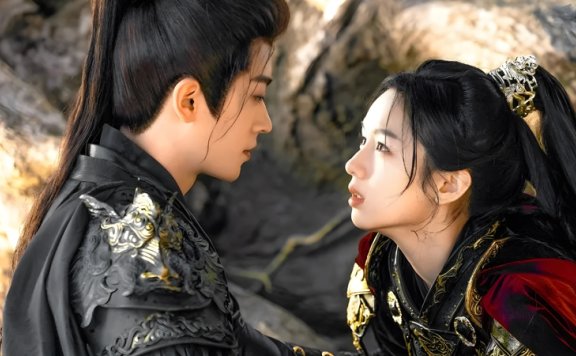
Power Plays Ignite Forbidden Passion in Legend of The Female General
Political intrigue cuts deeper than swords in the riveting historical drama Legend of The Female General (锦月如歌). At its core lies the electrifying dynamic between military strategist Xiao Jue (肖珏) and disguised warrior He Yan (禾晏)—a dance of suspicion and desire where every glance holds lethal potential. Their connection thrives in the dangerous space between calculated manipulation and undeniable attraction, making their journey a masterclass in tension. Viewers find themselves ensnared not just by the plot's twists, but by the exquisite agony of two formidable souls navigating treacherous waters where vulnerability could mean death. This isn't mere romance; it's high-stakes emotional warfare waged under the watchful eyes of a crumbling dynasty. Masquerade of Trust He Yan's survival hinges on deception. Forced into male disguise after familial betrayal, she enters the military garrison of Ye Zhou (掖州), her delicate appearance belying lethal combat skills. Xiao Jue, scarred by his father's death at the Battle of Ming River, sees spies in every shadow. He targets the enigmatic new recruit, probing for weakness. Their enforced proximity becomes a crucible. A life-or-death underwater breath-sharing forces mouth-to-mouth contact—survival instinct blurring into awakening desire. A drunken stumble becomes an accidental embrace, physical collisions sparking unexpected heat… -
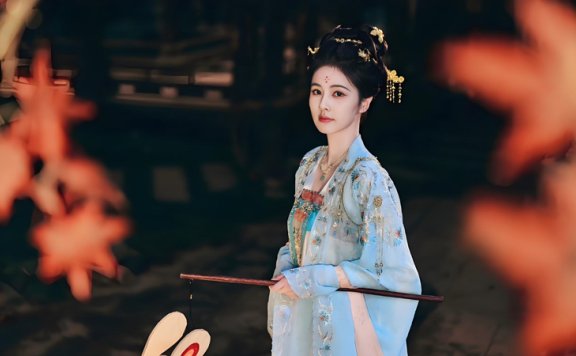
Mo Li: Bai Lu's Royal Power Play with Sharp Strategy
The buzz surrounding Mo Li (莫离) is impossible to ignore. Long before filming even wrapped, this historical political drama racked up over 500,000 reservations on Tencent Video, a testament to its white-hot anticipation. Adapted from the popular novel Sheng Shi Di Fei (盛世嫡妃), it thrusts a modern special forces operative into the treacherous court of ancient China. She finds herself reborn as Ye Li (叶璃), the legitimate daughter of a high minister, entangled in a political marriage with a seemingly docile prince, Mo Xiuyao (墨修尧). Directed by the acclaimed Lin Yufen (林玉芬), the series promises intricate power struggles, a fierce "power couple" dynamic, and a collision of modern wit against ancient intrigue. With Bai Lu (白鹿) taking on her first true scheming heroine role and Cheng Lei (丞磊) as her enigmatic counterpart, Mo Li isn't just aiming to be popular; it's poised to dominate. War Hero to Royal Game Player For Bai Lu, Ye Li represents a significant and welcome departure. While a staple in historical dramas, her recent roles often leaned towards ethereal "goddess" figures, particularly after the success of One and Only (周生如故). Mo Li shatters that mold. Ye Li is no passive beauty; she's a strategic powerhouse,… -
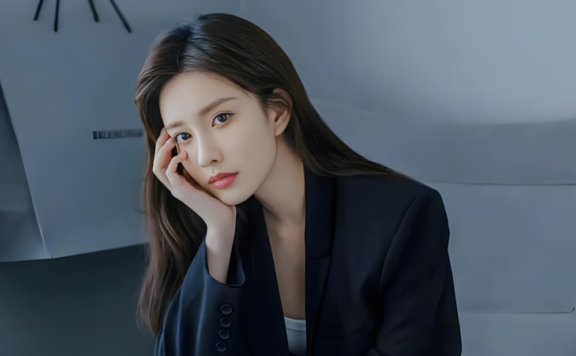
Blazers and Sneakers: Is This The Ultimate Cool-Girl Combo?
Move over, predictable power suits. A fresh fashion alchemy is redefining sophistication, and actress Meng Ziyi (孟子义) is leading the charge. Her recent street style triumph—pairing a sharp black blazer with casual canvas sneakers—has ignited a style revolution. This unexpected fusion masterfully balances structure and ease, offering a blueprint for achieving high-impact looks that are refreshingly accessible. It proves that office staples can shed their formality, transforming into versatile pieces that radiate modern confidence and youthful charm without sacrificing an ounce of elegance. Forget rigid rules; this is about smart, playful styling that truly resonates. A Classic Black Blazer The brilliance of Meng Ziyi’s look lies in its deliberate contrasts. She chose a classic black blazer but ditched the expected button-down shirt. Instead, a simple tank top became her secret weapon. This choice instantly softened the blazer's severity, introducing a touch of skin and femininity that transformed the ensemble. The clean lines of the blazer provided structure, while the relaxed tank added effortless cool. The real game-changer, however, was the footwear. Swapping traditional leather dress shoes or pumps for classic canvas sneakers was a stroke of genius. This single move injected undeniable youthfulness and street credibility into the look. The… -
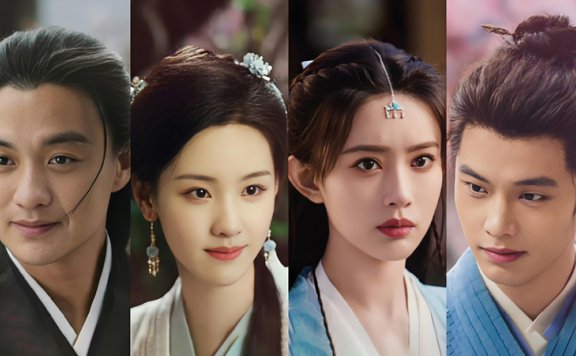
2 Wuxia Productions: A Contrast in Capturing the Genre's Essence
Two productions drawing from the same legendary wuxia universe couldn’t be more different in execution. While Jiuyin Zhenjing (九阴真经) offers a simplistic, romance-focused tale centered solely on its protagonist, Dongxie Xidu (东邪西毒) crafts a sprawling, gritty tapestry of authentic martial arts, complex characters, and profound themes reflecting a crumbling dynasty. The contrast exposes what truly makes Wuxia resonate: not just power fantasies, but the human struggle within a vast, unforgiving world. Fighting Spirit One relies solely on superficial spectacle. Jiuyin Zhenjing substitutes genuine martial prowess with endless slow motion, frantic camera cuts, and heavy reliance on wind machines and CGI blasts. Fight sequences feel weightless, devoid of distinct styles or credible threat. Mei Chaofeng (梅超风) masters advanced techniques like Bibo Palm implausibly fast, undermining the value of martial arts cultivation. Key figures like Huang Yaoshi (黄药师) appear weakened, acting inconsistently—such as bloodying his hands in a brawl, contradicting his established fastidious nature. The world feels small, limited to a single school, one coveted manual, and basic weapons. Conversely, Dongxie Xidu delivers visceral, varied combat grounded in martial philosophy. Different factions bring unique weapons and styles: the Zijin Tang (紫金堂) sect showcases practitioners like Yu Dian (俞典) wielding intricate bamboo umbrellas… -
Zhao Lusi Quitting Showbiz? Why Stars & Agencies Often End Badly?
Zhao Lusi cried during a livestream. Since publicly confronting her agency, Galaxy Cool Entertainment, on Weibo on August 2nd, she has started livestreaming daily on Xiaohongshu. These sessions included emotional outbursts and revelations about her family and herself. These included, but were not limited to: denying plastic surgery, revealing she was scammed in a dessert shop venture leading to a lawsuit, her father's cancer diagnosis, and her grandfather's passing. Of course, much was also about work. She revealed she faces huge compensation claims from film crews and brands. She also disclosed that a film crew, driven by superstition, hired a "master" to perform an "exorcism" on her, and recalled earning only 2500 yuan in her first month in the industry. Artists clashing with their agencies is nothing new. But a top-tier artist halting work due to emotional health issues, triggering a chain reaction that escalates into a public "confrontation" on online platforms, with the artist revealing details via livestream–this is indeed a new way contract disputes are playing out in this era. In the Weibo posts, while Zhao Lusi and Galaxy Cool Entertainment didn't disclose full contract details, the main points of conflict are clear: Zhao Lusi and Galaxy Cool… -
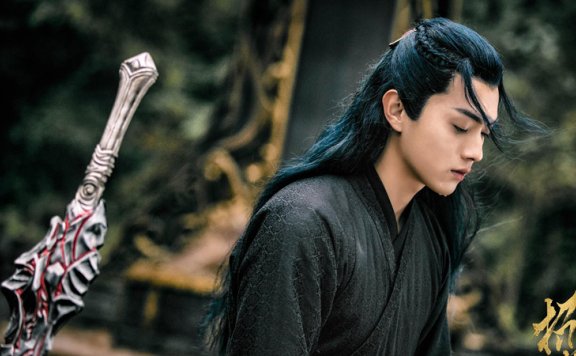
Xu Kai's 7 Must-Watch Costume Dramas
Xu Kai (许凯) has redefined Chinese costume dramas with his magnetic screen presence and transformative acting. Rising from modeling to acting, his breakthrough role in "Story of Yanxi Palace" launched him into stardom. Known for his ability to portray complex emotional arcs—from restrained nobility to playful rebels—Xu Kai dominates both historical epics and fantasy sagas. Here's a curated guide to his finest works. Story of Yanxi Palace 延禧攻略 Aired: 2018 Period: Qing Dynasty, Qianlong era Genres: Palace intrigue, Romance, Tragedy Role: Fuheng, the Empress's brother, a noble general torn between duty and love. Adapted From: Original screenplay Fuheng's arc epitomizes tragic nobility within Qing Dynasty court politics. As the Empress Fuca's brother and a military prodigy, his initial clashes with cunning seamstress-turned-consort Wei Yingluo (Wu Jinyan) evolve into profound, unspoken love. Their bond defies rigid hierarchies—he sacrifices political alliances to protect her, even accepting a forced marriage to Erqing to shield Yingluo from the Qianlong Emperor's wrath. The climax sees Fuheng volunteering for a fatal battlefield mission, delivering his iconic line: "This subject chooses death to prove loyalty". His final letter to Yingluo—"Guard your freedom; I guard you"—cements his legacy as a martyr to love and duty. Cultural Anchors: Hierarchy… -
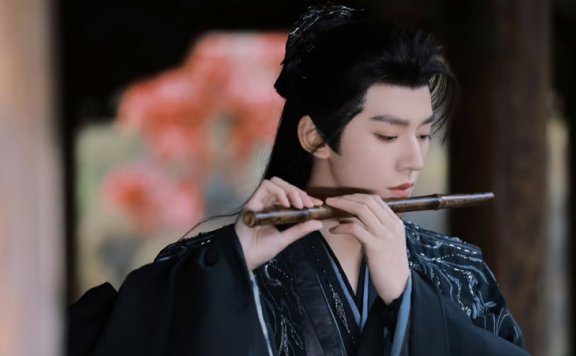
Top 5 Xianxia Dramas of 2025: How Many Have You Seen?
2025 dropped some seriously bingeable xianxia dramas–you know, the Chinese fantasy stuff with immortals, cultivation (basically supernatural training), gods, and magic. Forget the tired formulas and overused buzzwords, let's just talk about what actually hit the screen this year: Love of the Divine Tree 仙台有树 Starring: Deng Wei, Xiang Hanzhi Plot Overview: A Subversive Cycle of Karma Love of the Divine Treedismantles conventional xianxia reincarnation tropes by anchoring its conflict in irreversible consequences rather than romantic destiny. Sui Ying (Xiang Hanzhi), a once-revered immortal master, is reborn as a mortal child plagued by chronic illness and spiritual fragility. Her former disciple, Xue Mu'an (Deng Wei)—now a near-omnipotent celestial—discovers her and forcibly takes her under his protection. What appears to be a guardian-ward dynamic curdles into something darker: Xue's obsession with rectifying Sui Ying's past "failures" manifests as psychological control, cloaked in benevolence. He isolates her from the world, manipulates her recovery, and weaponizes her gratitude, all while denying her autonomy. The central tension isn't whether they'll reconcile, but whether Xue's actions stem from devotion to heror a pathological need to rewrite history by "perfecting" the mentor he idolized. Reasons to Recommend: Psychological Depth & Taboo Nuance The series interrogates… -
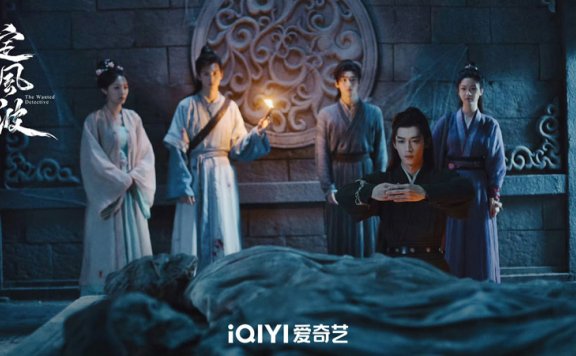
The Wanted Detective: Historical Crime Dramas Are on Fire
If you're someone who loves historical detective dramas, this summer's really treating you right. Just as Coroner's Diary (朝雪录) took off and became a surprise hit, now The Wanted Detective (定风波) has entered the scene—and it's making waves from episode one. Comments online say it all: "Each one's better than the last. Period detective dramas? Yeah, this track is getting seriously competitive." I powered through ten episodes in a row—here's why it's hard to stop: constant twists, tight plotting, and suspense that keeps pulling you in. Add in a strong cast and a distinctly Chinese supernatural vibe, and what you get is another top-tier mystery from iQIYI's summer lineup. Let's talk about it. The Wanted Detective Premiered August 1, 2025 · iQIYI A Case Within a Case – Twists You Don't See Coming A strong mystery series needs a powerful hook—and this one doesn't waste time. Three court officials die in quick succession, each one in a more bizarre fashion than the last: A rider's neck snaps mid-gallop, his head flying off. A man writing at his desk bursts into flames with no warning. Another drowns quietly in a washbasin, with no water spilled. All three deaths are sinister. All… -
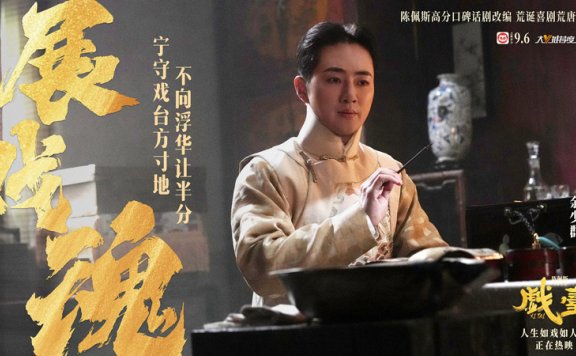
Peking Opera-Themed Film Xi Tai: Laughter Fades, Only Sorrow Remains
Honestly, Xi Tai (戏台) doesn't feel like a movie at first. The painted faces strutting across the stage, the exaggerated rhythm of the dialogue... it screams theater. Which makes sense, since it's adapted from a play of the same name. But as the story unfolds, it pulls you in. The jokes land thick and fast, the script is tight, and the lines have real bite. It's been a while since we've seen a comedy this sharp on the big screen. The story's set in the chaotic Republic of China era. Manager Wu (played by Yang Haoyu) of the Dexiang Theater books the famous Wuqing Opera Troupe. The whole city's buzzing to see the star, Jin Xiaotian (Yin Zheng). But then, the newly arrived warlord, Commander Hong (Jiang Wu), crashes the party. He doesn't just want to watch; he wants to change the play. So, inside the Dexiang Theater, everyone gets tangled up around the classic opera Farewell My Concubine – the warlord, the actors, the audience. Onstage and off, it's pure chaos. Warlord Rewrites the Opera Play: Obey or Die Commander Hong takes Beijing. In this unstable time, people react differently. Xu Mingli (Chen Dayu), head of the Education Department,…