Article
Search results:
-
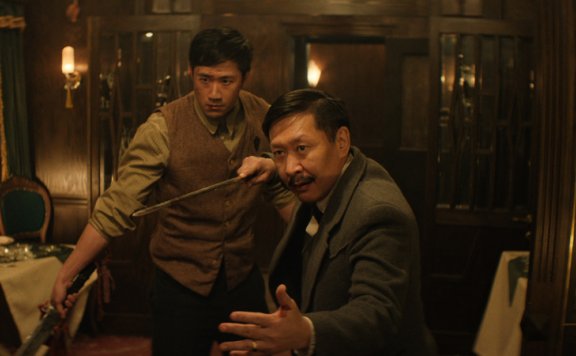
Red Silk: A Bridge for Sino-Russian Cinema
In September 2025, the Sino-Russian co-produced spy thriller Red Silk (红丝绸) premiered in Chinese cinemas. A major project of the "China-Russia Culture Year," the film had already been a hit with Russian audiences earlier in the year. It follows Chinese and Soviet agents in 1927 as they unite to protect a vital secret document aboard the Trans-Siberian Railway. More than an adventure, the film stands as a significant milestone in collaborative filmmaking between the two nations. A Shared Creative Vision The project began with a goal to create a story resonating with both Chinese and Russian viewers. Producer Vadim Birlkin, inspired by a 2019 visit to Hengdian World Studios (横店影视城), envisioned a film about "China and Russia safeguarding justice together" that was also commercially viable. Director Andrey Volgin defined the movie as a suspenseful spy film set primarily on a train, using the confined space to heighten tension. The title, Red Silk, was chosen for its symbolism. For Russian audiences, red silk evokes China, while the color red signifies love and victory. The director saw the red silk as a narrative thread connecting the characters' fates. Overcoming Technical Challenges To achieve historical authenticity, the production team undertook ambitious technical work. Since real train… -
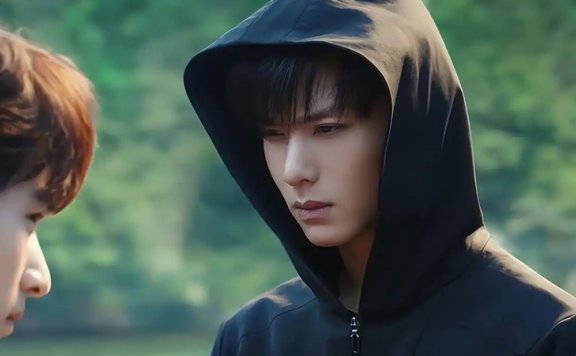
Time Raiders: A Fresh Tomb-Raiding Tale
The sprawling universe of The Lost Tomb (盗墓笔记) has welcomed a new addition. Time Raiders (吴邪私家笔记), a derivative series that premiered on September 20, 2025, quickly captured audience attention, achieving a notable heat index upon its release. Helmed by the original author Xu Lei (徐磊) and director Pan Anzi (潘安子), the series aims to deliver an immersive experience by adopting a notebook-viewpoint narrative. A Narrative Anchored by Perspective The series distinguishes itself through its storytelling approach. It utilizes Wu Xie's (吴邪) personal notes as a core device, creating a sense of immediacy and intimacy. This perspective blends the main adventure with handwritten observations, sketches, and personal quips from the young protagonist. The plot alternates between a modern timeline, where Wu Xie (played by Xu Zhenxuan, 徐振轩) runs an antique shop and gets drawn into a new mystery involving a mysterious silk manuscript, and flashbacks to his grandfather's early tomb-raiding days. This structure provides depth and context, serving as both a new adventure and a supplement to the main storyline. The Assembled Team A crucial element of any tomb-raiding story is the team dynamics. The series sees the gathering of a familiar crew. Veteran actor Francis Ng takes on the role… -

A Culinary Journey to the West in Beijing
This September, a unique event is transforming a corner of Beijing's Shougang Park (北京首钢园) into a vibrant crossroads of food, folklore, and fun. The "Wuhuatianbao·Xiyou Shengyan" (物华天宝·西游盛宴) food market is more than just a place to eat; it's a creative playground where China's classic culinary names shake hands with one of its most beloved stories, creating an unforgettable fusion of taste and tale. This innovative concept aims to bridge generations, inviting both those who grew up with the legend and newcomers to experience it in a wholly original way. Running from September 10–14 as part of the 2025 China International Fair for Trade in Services (CIFTIS), this market is the brainchild of Beijing Huatian Food Group (北京华天饮食集团). It brings together a roster of the city's most famous time-honored restaurants for a collaborative experiment, all themed around the iconic 1999 CCTV animated series Journey to the West. The choice of Shougang Park, a symbol of industrial transformation, as the venue is particularly apt, echoing the event's own theme of reinventing tradition for a modern audience. The industrial backdrop provides a striking contrast to the mythical world being created, enhancing the sense of entering a special, separate realm. Old Brands, New Roles Forget… -
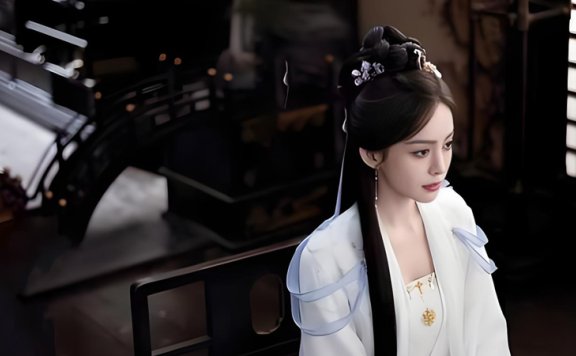
How Gulnazar's Genuine Smile is Shaping Stardom
In a recent series of images that quickly captivated social media, actress Gulnazar appeared not as a distant celebrity, but as a approachable figure enjoying a moment of pure joy. Dressed in Hanfu, she was photographed playfully making a peace sign, her genuine smile radiating a warmth that felt instantly relatable. This departure from highly polished promotional materials sparked immediate discussion among fans and critics alike, highlighting a growing public appetite for authenticity in an industry often dominated by manufactured perfection. The photoshoot, set against a simple backdrop, emphasized natural expression over dramatic flair, suggesting a shift in how artists connect with their audience. Gulnazar, known for her ethereal beauty and Xinjiang heritage, seemed to be embracing a more personal narrative, one that values emotional truth as much as visual appeal. This moment serves as a poignant entry point into broader conversations about celebrity culture, personal identity, and the evolving definition of success in Chinese entertainment. The Real Gulnazar Gulnazar's journey in the spotlight has been marked by her ability to navigate the complexities of fame while staying true to her roots. Born in 1992, she entered the public eye with the distinctive appeal of someone from Xinjiang, yet she… -
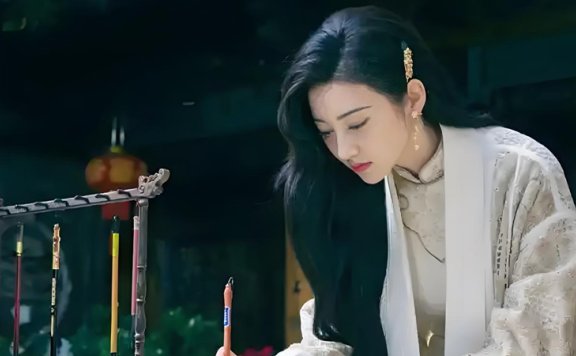
How Does Jing Tian Defy Time? Her Hangzhou Appearance Sparks Wonder
In the vibrant city of Hangzhou, actress Jing Tian (景甜) recently became the center of attention during an advertisement shoot. Dressed in a striking green Qipao and casually wielding a fan, she moved through the mall with an effortless grace that left onlookers in awe. Her skin, noticeably radiant without any digital enhancements, seemed to glow from within, challenging the common narrative of aging in the entertainment world. At 37, she exhibited a freshness often associated with youth, yet paired with the poise of experience. This scene not only highlighted her physical beauty but also ignited discussions about what it means to have a long-lasting "flowering period" in a industry obsessed with novelty. Her relaxed demeanor, as she interacted with fans and handled the summer heat without fuss, added to the allure, making it clear that her appeal goes beyond mere aesthetics. Career Shifts Jing Tian's journey in the spotlight began with high-profile projects that should have cemented her status. She starred in major films like The Great Wall (长城), where she often held central positions thanks to substantial backing. Despite these opportunities, widespread recognition eluded her for years, leading to online criticism labeling her as someone who couldn't break… -
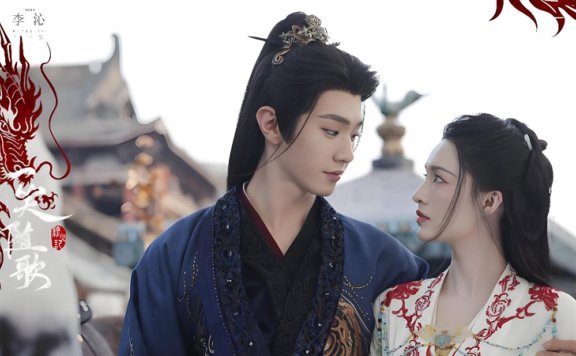
Fated Hearts: A Dance of Rivals in Ancient Yujing
What happens when two fierce rivals are forced to rely on each other for survival? Fated Hearts (一笑随歌), a new historical drama, spins a tale of lost memory, political schemes, and an unexpected bond forming amidst the chaos of the ancient Yujing City (玉京城). The series introduces Fu Yixiao (付一笑), a brilliant archer whose life is upended after a fall from a cliff, and Feng Suige (凤随歌), the cunning prince of a rival kingdom. Their story begins with betrayal and manipulation but gradually unfolds into a complex dance of trust and affection. Set against a backdrop of war and intrigue, the narrative challenges the typical romance tropes, offering viewers a gripping experience where both characters are equally powerful and intelligent. This is not a story of rescue, but one of mutual discovery and strength. The Power Duo From their first encounter on the battlefield, the dynamic between Fu Yixiao and Feng Suige is electric. She is known for her sharp skills and decisive actions, while he is a master strategist accustomed to controlling every situation. After her accident, he sees an opportunity to use her condition to uncover deeper conspiracies, but he soon finds that even without her memory, she… -
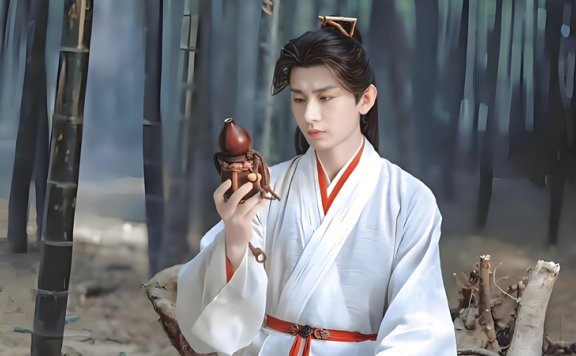
The Legend of Journey: A Modern Soul in a Wuxia World
When a television series opens with a disillusioned modern writer suddenly thrust into the world of his own creation, expectations are immediately subverted. This is the premise of the new drama The Legend of Journey (赴山海), which has sparked intense debate since its debut. At first glance, the combination of a 'book-transmigration' plot, a tech-based system, and the classic Wuxia genre seems like a chaotic mix. Yet, beneath what some dismiss as a gimmicky surface lies a thoughtful examination of a timeless question: what does it mean to be a hero in a world that prioritizes survival over chivalry? The series uses its unconventional framework not to mock tradition, but to ask if ancient virtues can withstand the pressures of contemporary life, making it far more than the sum of its seemingly disjointed parts. A Hero for Today The protagonist, Xiao Mingming (肖明明), is a character countless viewers will recognize. He is a modern office worker, his dreams of grandeur flattened by the daily grind. When he finds himself inhabiting the body of the heroic Xiao Qiushui (萧秋水), he brings with him a modern cynicism and a desperate desire to avoid danger. This creates the central tension. The original Xiao… -
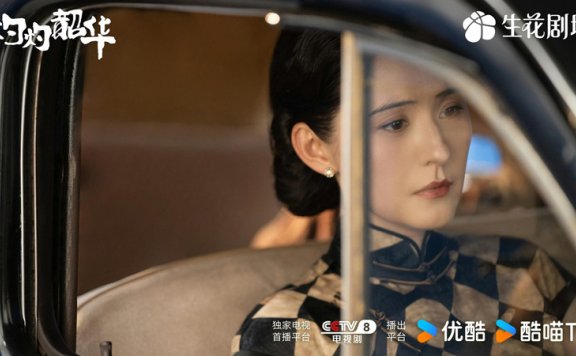
Wild Ambition Bloom: A 20th-Century Woman's Herbal Venture
"Fast-paced and satisfying." When this becomes the label most people attach to a period drama, it already hints at something unusual. Wild Ambition Bloom (灼灼韶华), now streaming on Youku, has indeed broken the mold. The show has cut through the crowded drama market with impressive results: a CVB rating above 2.6%, Youku's internal popularity index over 8000, and the top spot on Douyin's drama chart. Along with these numbers, the show has gained both public attention and steadily improving word of mouth. What makes Wild Ambition Bloom stand out is that it isn't just another so-called Shuang Drama (爽剧)—a fandom term used to describe shows built on fast payoffs, revenge arcs, and cathartic spectacle. The creative team tapped into what contemporary viewers want and reworked the familiar framework of Republican-era dramas. By leaning into three key areas—rare subject matter, modern character design, and an intensified rhythm of storytelling—the series updates the genre and adds new value. A Long Drama That Still Feels Fast The immediate market response was strong. In terms of ratings, its CVB performance not only started high but kept climbing. On Youku, the show crossed 8000 in popularity score, staying at the top of several charts: the… -
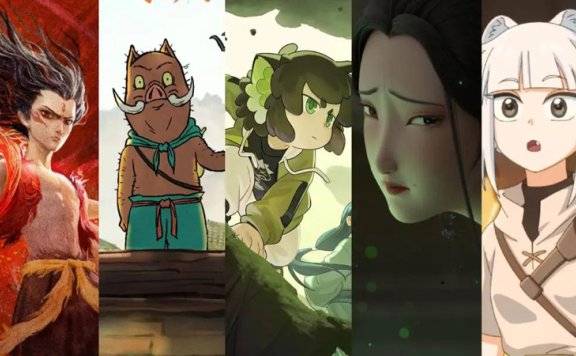
Why Are Chinese Anime Films So Obsessed With Monsters?
"Yao are like a mirror—every story about them ultimately reflects humanity itself." By any measure—quantity, quality, or box office—2025 is a breakout year for Chinese animated films. It began with Ne Zha 2 smashing records during the Spring Festival and reaching audiences worldwide. Summer brought an even fiercer lineup: NOBODY, The Legend of Hei 2, Curious Tales of a Temple Chinese, Fairizest: Rally for Pally, and Pleasant Goat and Big Big Wolf: Bright New Dawn. Among them, NOBODY and The Legend of Hei 2 stood out as rare 2D hits, with the former breaking a nine-year box office record. Together, these works suggest Chinese animation has finally moved past old critiques—too many Monkey Kings and Ne Zhas, too much 3D, too many recycled myths. And yet, one curious pattern remains: so many protagonists are…yao. Of the six non-children's animated films this year, five feature them. Why does Chinese animation keep returning to monsters, spirits, and the supernatural? What Are Yao? An old saying goes: "Where there is strangeness, there must be Yao (妖)." In ancient China, people explained unexplainable phenomena through categories. Natural wonders were attributed to gods (神), while things that disrupted the normal order became yao. It was… -
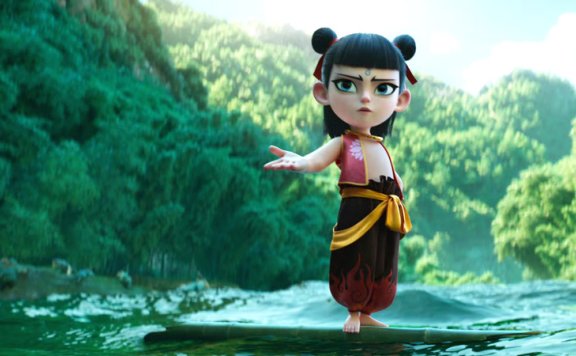
Why is the 2025 Version of Ne Zha 2 So Popular?
The most debated element of Ne Zha 2 is its transformation of a tale of defiance against authority into a story about familial love and harmony. The film takes such bold liberties with tradition that many viewers struggle to reconcile it with earlier versions. So what exactly did this "Ne Zha 2" Ne Zha betray—and what did he inherit? A New Ne Zha, A Different Spirit Did the film betray Ne Zha's anti-authoritarian core? Some say yes, but the answer is not so simple. In Investiture of the Gods, Ne Zha's rebellion is tempered by filial duty. Before his famous self-sacrifice, he is still a loyal son, killing himself largely to save his parents. The 1979 animation Ne Zha Conquers the Dragon King (哪咤闹海) also shifts the emphasis: Ne Zha dies to protect the people of Chentang Pass. His defiance of authority is there, but it is indirect. Seen this way, the new film isn't unprecedented. Most retellings soften Ne Zha's radical edge, and Ne Zha 2 is simply the most dramatic example. There is also a practical reason. Across eras and cultures, audiences have struggled to accept the shocking "returning flesh and bones to parents" scene—a symbolic act of… -
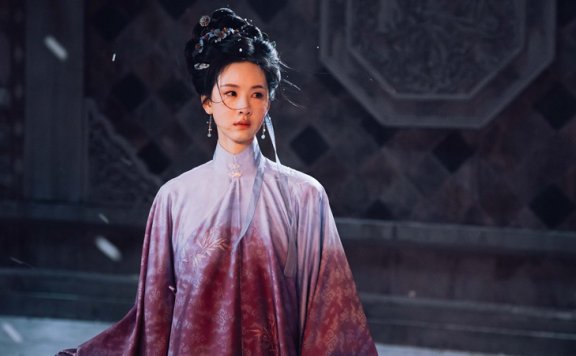
Top 5 Revenge-Themed Historical Dramas of 2025
Where ancient grievances meet modern storytelling, these Chinese historical dramas weave tales of vengeance, redemption, and exquisite beauty that will captivate your imagination. The revenge motif taps into universal themes of justice, resilience, and moral complexity, offering more than just simple tales of retribution. Today's revenge dramas explore profound transformations, philosophical depths, and the psychological costs of vengeance, all set against richly detailed historical backdrops. Here are five exceptional revenge-themed historical dramas from 2025 that deserve your attention. Legend of Zang Hai 藏海传 Aired: May 21, 2025 Period Background: Fictional Yong Dynasty Genres: Historical Political Intrigue, Revenge, Growth Drama Main Roles: Xiao Zhan as Zang Hai, Zhang Jingyi as Xiang Tutu, Zhong Hanliang as Kuai Duo, Chen Yanxi as Zhao Shangxian Adapted from: Original screenplay Plot Overview "Legend of Zang Hai" traces the story of Zang Hai (originally named Zhi Nu), whose family falls victim to a purge orchestrated by the powerful minister Pingjin Hou. After being rescued and trained for ten years in specialized skills—including architecture, astronomy, and statecraft—he returns to the capital under a concealed identity. Rather than pursuing direct confrontation, Zang Hai employs a calculated approach, embedding himself within the power structures of the court and using… -
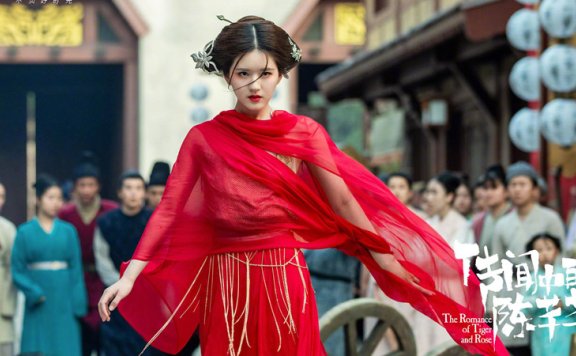
Top 5 Empress Time-Traveling Ancient Dramas
What if your reality suddenly shattered? Imagine being thrust into ancient courts where you don't belong, forced to play games of survival where the rules were written centuries ago. This is the thrilling premise sweeping Chinese television—modern women catapulted into historical chaos, armed with nothing but their wits and contemporary knowledge. From scheming palaces to mythical realms, five extraordinary dramas invite you on journeys where every moment could mean discovery or disaster. The question isn't whether you'll escape the past—but what you'll become along the way. A Dream Within A Dream 书卷一梦 Aired: 2025 Period Background: Fictional ancient dynasty Genres: Romance, Fantasy, Comedy, Ancient Costume Main Roles: Li Yitong (as Song Xiaoyu/Song Yimeng), Liu Yuning (as Nan Heng/Li Shiliu) Adapted from: Original script Plot Deep Dive The drama intricately follows Song Xiaoyu (portrayed by Li Yitong), a struggling eighteen-line actress who unexpectedly finds herself transported into the very ancient costume drama script she auditioned for, becoming the character Song Yimeng—a heroine destined for immense suffering and a tragic end. Determined to avoid her character's grim fate, which includes being brutally manipulated and ultimately murdered, Song Xiaoyu embarks on a frantic and often hilarious "life-saving escape." Her attempts to defy the… -
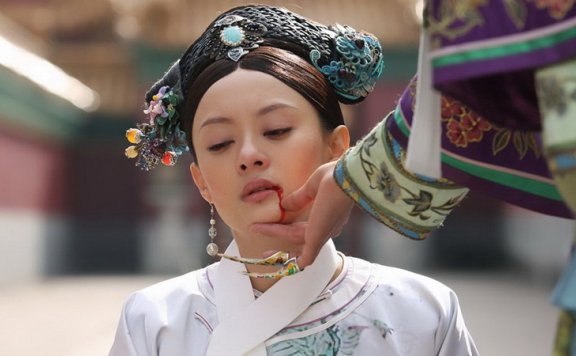
Guide to 7 Must-Watch Chinese Palace Scheming Dramas
Behind the gilded gates of ancient China's palaces, a different kind of battlefield emerged. Palace scheming dramas unravel these secrets, pulling viewers into a world where love, power, and betrayal collide under the shadow of the dragon throne. Each series is a labyrinth of moral ambiguities, where survival demands more than beauty or birthright—it requires cunning, resilience, and the courage to sacrifice everything. As we step into this realm of forbidden intrigues, one question lingers: in the quest for supremacy, can anyone emerge unscathed? From Qing Dynasty tales to Han Dynasty epics, here are 7 must-watch palace scheming dramas that define the genre. Empresses in the Palace 甄嬛传 Aired: 2011 Period Background: Qing Dynasty (1722–1735) Genres: Historical, Political Intrigue, Romance Main Roles: Sun Li (Zhen Huan), Chen Jianbin (Emperor Yongzheng), Cai Shao Fen (Empress Chunyuan) Adapted From: Liu Lianzi's novel Empresses in the Palace Plot Overview Zhen Huan begins her journey as an idealistic young woman reluctantly entering the Qing Dynasty court during Emperor Yongzheng's reign (1722–1735). Initially naive and hopeful, she seeks genuine love but soon witnesses the brutal realities of harem politics. Her transformation into a cunning strategist is triggered by systemic betrayal and violence. For instance, after… -
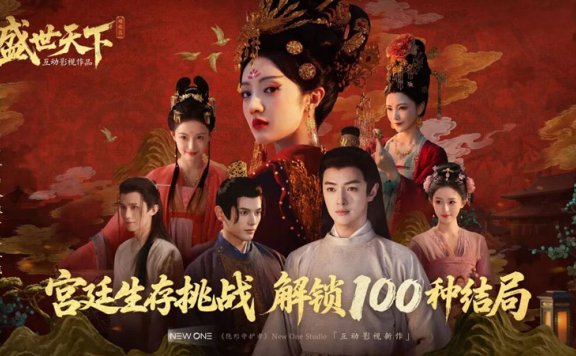
Court Survival Interactive Film Game Road to Empress Goes Live
Created by New One Studio, the team behind The Invisible Guardian (隐形守护者), the new live-action interactive project Road to Empress (盛世天下) has officially launched worldwide on multiple platforms in September 9. The first installment, "Meiniang's Chapter," focuses on palace survival in an imperial setting. Since the first teaser dropped on June 26, the project has been on the radar of many players. At the time of writing, it sits at 8.7 on TapTap and 8.6 on Hao You Kuai Bao (a Chinese mobile gaming community and rating site). The bundle combining The Invisible Guardian and Road to Empress even peaked at No. 8 on China's top-selling chart. At a recent media event, editors from Chuapp (a Chinese games media outlet) got to try out several chapters ahead of release. Later, producer Demi shared details about the vision, process, and production scale. The story spans two parts: "Meiniang's Chapter" and "The Empress Chapter," with a combined runtime of over 20 hours of live-action footage. The team clearly aims to deliver a large-scale narrative that pulls players into the dangerous dance of imperial politics and survival choices. But the real question is: how exactly does Road to Empress keep players immersed? Entering… -
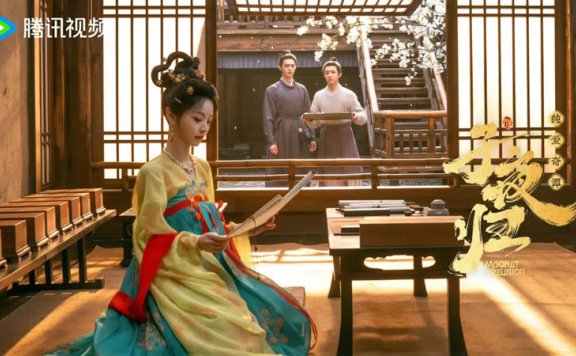
Conversation with Producer of Moonlit Reunion
The happy ending went viral on Weibo. Mei Zhuyu and Wu Zhen overcame the barrier between humans and demons to be together, and viewers were thrilled: "This is the HE (happy ending) we wanted!" Unlike other hit dramas that relied on constant twists, cliffhangers, or heavy plotting, Moonlit Reunion locked onto what today's viewers actually want to feel. With delicate visuals and the flow of everyday emotions between characters, the show offered audiences a journey into another world. That difference allowed Moonlit Reunion to break free from the clichés of fantasy costume dramas. Its emotional frequency matches modern audiences—when we're touched by the pure love in the show, deep down it's because we all long for the courage to choose and the right to be chosen. So what exactly made the drama hit that emotional "switch" for so many? Huan.tv Big Data sat down with producer Wu Ruoyan to look behind the curtain. All Cast, All In: Form and Spirit as One "First the form, then the spirit." That was the casting philosophy, and it's why Moonlit Reunion could hook viewers in seconds. Whether it's the contrast written into the leads or the arcs given to supporting characters, every performance… -
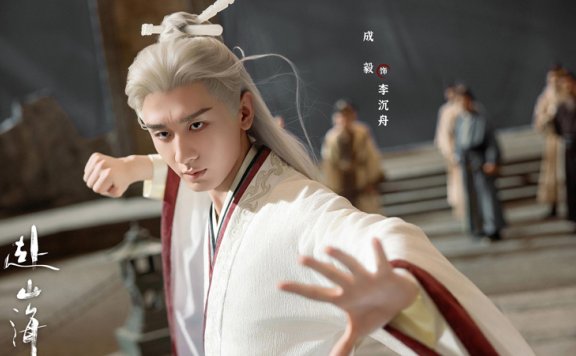
A New Wuxia Cdrama: Cheng Yi in The Journey of Legend
Time-travel into novels, game-like systems, and "infinite flow" (a popular Chinese internet term for stories where characters face endless quests or survival scenarios)—The Journey of Legend (赴山海) is giving the wuxia genre a fresh reset. The series is jointly produced by iQIYI, Tencent Video, Straw Bear Pictures, Yehua Film, and Tongle Media, directed by Ren Haitao and Lin Feng, with Liu Fang as head writer. Starring Cheng Yi and Nazha, it is currently streaming on iQIYI and Tencent Video. Adapted from the classic novel Shenzhou Qixia (神州奇侠) by wuxia master Wen Rui'an, the story follows modern youth Xiao Mingming, who suddenly gets pulled into the novel itself. Bound by a "demonic system," he becomes the young swordsman Xiao Qiushui and must live through the book's storyline. Only by completing the main quest—unifying the martial world—can he return to reality. By blending an innovative meta concept with traditional wuxia values, The Journey of Legend puts martial arts dramas back in the spotlight. Breaking Out with Skyrocketing Popularity Judging from the first week's numbers, The Journey of Legend had a spectacular launch. Even before release, pre-orders on both iQIYI and Tencent Video surpassed ten million. Many viewers jokingly called it "embryo-watching mode"… -
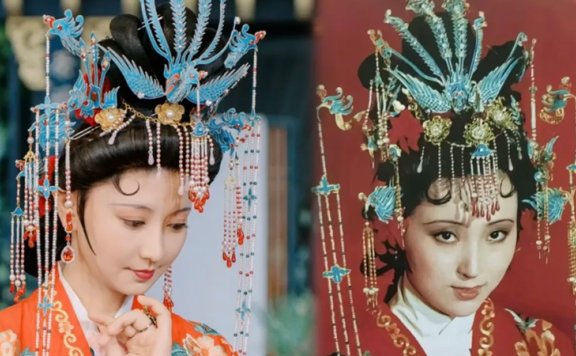
Lan Xi's Portrayal of Lin Daiyu Sparks Casting Debate Among Fans
When actress Lan Xi (斓曦), celebrated for her role as Shen Meizhuang (沈眉庄) in the television series, recently shared images of herself dressed as Lin Daiyu (林黛玉) from the classic 1987 adaptation of The Dream of Red Mansions (红楼梦), she ignited a fervent discussion among fans. Paying homage to the iconic wedding look of the character made famous by Chen Xiaoxu (陈晓旭), Lan Xi expressed that portraying the ethereal Lin Daiyu was a long-held personal ambition. Yet, while many admired her dedication, a significant number of viewers voiced a different opinion: her dignified aura might be a better fit for another character from the epic tale, the tragic You Erjie (尤二姐). This debate does more than just compare actresses; it opens a fascinating window into the intricate world of traditional Chinese costume and its powerful role in shaping a character's identity on screen. The Beizi's Timeless Grace The most striking element of Lan Xi's portrayal is the Beizi (褙子), a long, elegant outer garment that defines Lin Daiyu's visual identity in the 1987 series. This particular style of robe, which gained prominence during the Song and Ming dynasties, is characterized by its straight collar, front opening, and long, narrow sleeves.… -
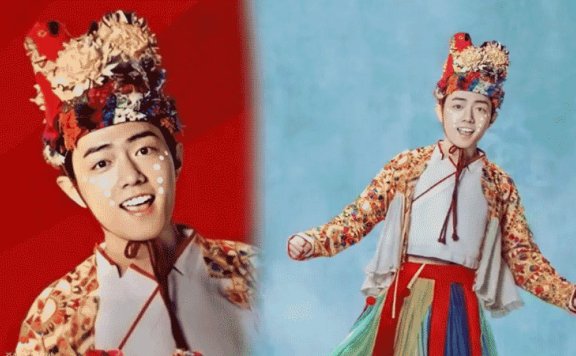
Xiao Zhan's Floral Headpiece in Monster Hunt 2
When actor Xiao Zhan (肖战) appeared in the 2018 fantasy film Monster Hunt 2 (捉妖记2) wearing a bizarre hat adorned with a colorful array of flowers, it sparked curiosity and amusement among viewers. Many wondered about the inspiration behind such an unusual accessory, which looks like a miniature garden perched on his head. Little did they know that this design has historical roots dating back to China's Northern Song Dynasty (960-1127), where a similar aesthetic known as Yi Nian Jing (一年景) was popular. This concept involved combining floral elements from all four seasons to symbolize completeness and eternal beauty, often used in clothing, jewelry, and art. The hat in the film, set in the fictional Yongning Village, echoes this tradition, showing how ancient Chinese culture continues to influence modern storytelling. This article explores the fascinating connection between Xiao Zhan's cinematic headpiece and the historical Yi Nian Jing, delving into its origins, significance, and contemporary relevance. Historical Roots The Yi Nian Jing aesthetic first gained prominence during the late Northern Song Dynasty, particularly around the Jingkang period (1126-1127), as recorded in historical texts such as Lu You's (陆游) Lao Xue An Notes (老学庵笔记). According to these records, it was a style… -
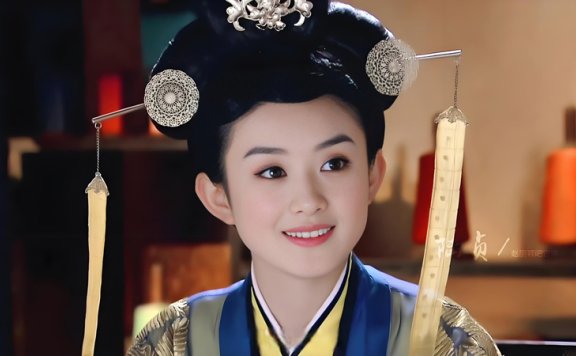
What Is the Name of Zhao Liying's Long Hairpin with Ribbons?
Have you ever watched a Chinese historical drama and been captivated by the elegant hair accessories, particularly those long hairpins with flowing ribbons? In shows like The Legend of Lu Zhen (陆贞传奇), starring Zhao Liying (赵丽颖), characters often sport intricate updos adorned with what appears to be a slender hairpin paired with two delicate cloth strips. This distinctive look has sparked curiosity among fans, leaving many to wonder about its name and origins. While it evokes a sense of ancient charm, this style is largely a modern interpretation seen in television and animation, blending aesthetic appeal with creative liberty. Unlike traditional pieces rooted in strict cultural protocols, these accessories prioritize visual drama over historical accuracy. Their popularity highlights a broader trend where contemporary media reimagines the past, making ancient fashion accessible to global audiences. This article delves into the background of this iconic hairstyle, tracing its possible inspirations from East Asian traditions and examining how it has evolved on screen. Korean Court Origins The hair accessory resembling a long hairpin with ribbons may draw inspiration from a Korean noble piece known as the Tutule Tangzhi (图涂乐唐只). Worn by aristocratic women during the Joseon Dynasty, this ornament was reserved for significant… -
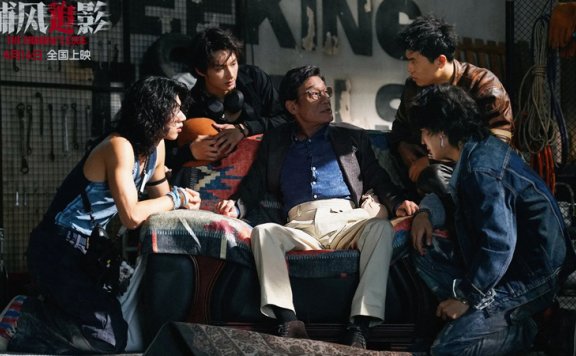
The Shadow’s Edge: A Throwback Action Gem
If you’d asked me two years ago to name a great modern urban action movie, I might have struggled. Now, I have an answer: The Shadow’s Edge (捕风捉影). This 2025 release, starring Jackie Chan and Tony Leung Ka Fai, quietly became a standout summer hit. Forget bloated CGI spectacles. This film delivers crisp, practical action and a pace that doesn’t quit. It feels like a welcome return to form. A Familiar Chase, Elevated The plot is straightforward. Tony Leung plays Fu Longsheng (傅隆生), a master thief known as "Shadow," who leads a crew of adopted sons on a high-stakes heist in Macau. Jackie Chan is Huang Dezhong (黄德忠), a retired tracking expert pulled back in to help the police. The chase is on, complicated by a mutiny within Leung's own crew. The setup might sound familiar, especially to fans of the 2007 film Eye in the Sky (跟踪). In fact, The Shadow’s Edge feels like a deliberate homage. Both films share a similar gritty, realistic aesthetic and breakneck pacing. Tony Leung even plays a similar antagonist in both, though his role here has more layers—a wolf-like king with a surprising capacity for fatherly love towards his rebellious "cubs." The Action…