Article
Search results:
-
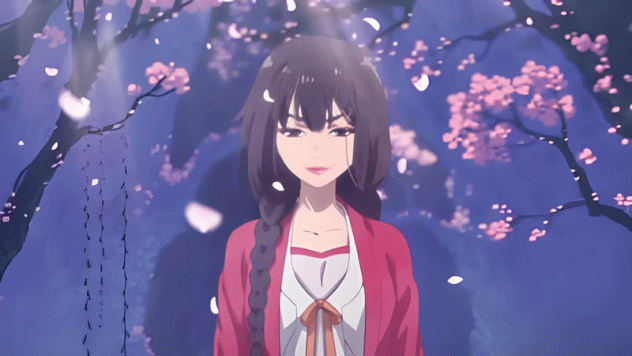
Fairies Albums: More Than Just Demons
In the world of Fairies Albums (百妖谱), we follow Tao Yao (桃夭), a mysterious healer from Taodu (桃都). She has one rule: she only treats demons, never humans. Traveling with her are a young Buddhist monk named Mo Ya (磨牙), a fox demon called Gun Gun (滚滚), and later, a snake demon, Liu Gongzi (柳公子). This unusual group operates in the spaces between our world and the realm of Yao (妖), or demons. Stories That Tug Heartstrings The narrative unfolds in standalone chapters, each a self-contained tale that subtly connects themes of human and demon nature, good and evil, love and obsession. It's not about epic battles, but about quiet, profound moments. Take the story of the Hui Hu (灰狐), the Gray Fox. A young boy saves it, and decades later, when the boy, now a hardened general, faces death, the fox returns the favor. It makes a huge sacrifice, giving up its chance to attain immortality, just to guard the man's grave for a century. This story asks: who remembers a promise longer—a human or a demon? Then there's the Shu Jin Niao (漱金鸟), the Golden-Spitting Bird. Bound by a promise, it stays in a deserted courtyard, producing gold… -
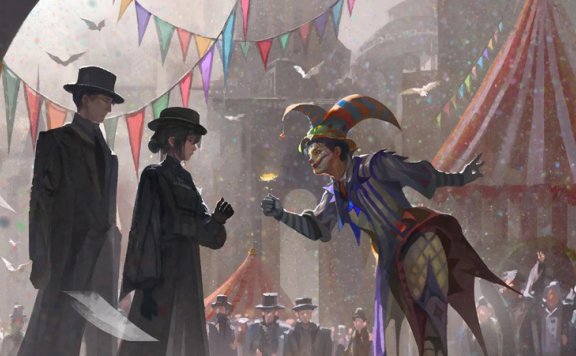
Lord of Mysteries: Reshaping Chinese Animation
Forging its own path, the animated adaptation of the web novel Lord of Mysteries (诡秘之主) is making waves far beyond China. It’s not just another hit show—it’s a phenomenon leading international anime fans to use the term “donghua” more often, recognizing Chinese animation as a distinct and compelling genre. A Sacrifice That Moved Millions The first season’s finale left viewers speechless. Facing a descending evil deity, Captain Dunn Smith lights his pipe, takes a deep breath, and literally tears out his own heart. It resonates with Saint Selena’s ashes, causing brilliant silver-blue flowers to bloom across the battle-worn church—a final, breathtaking act of hope. "Nightmare!" the captain shouts, using his last strength to restrain the evil god’s vessel. "Light!" The protagonist, Klein Moretti (Zhou Mingrui, 周明瑞), seizes the moment. Using a sealed artifact, he summons solar flames that obliterate the threat. The Nightwatch squad saves the city, but the cost is immense. This powerful climax solidified the show’s reputation. Many viewers admitted the finale alone reshaped their view of the entire season, praising its emotional depth and stunning animation. Not Your Typical Adaptation Lord of Mysteries was already a heavyweight from the start. Its source material is a record-breaking web novel… -
Memory and Meaning in the Hakka Mid-Autumn Festival
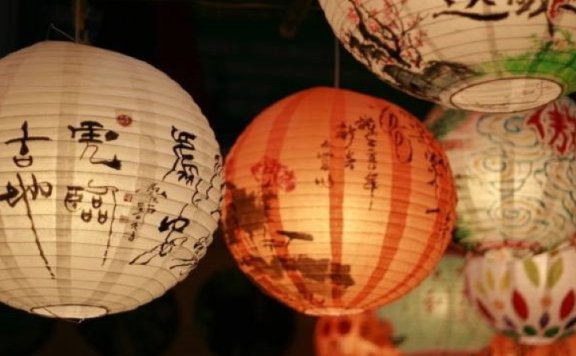
When talk turns to Mid-Autumn, mooncakes often take center stage. But for the Hakka, the festival is far richer: a tapestry of lantern light, moonlit songs, and meaningful traditions that honor their past and bind their communities. The Heart of Hakka Mid-Autumn To the Hakka people, the Mid-Autumn Festival isn’t just about moon gazing and sweet treats—it’s a tapestry of memory, migration, and meaning. For a community shaped by movement and resilience, the roundness of the moon carries deep symbolism: reunion, protection, and the hope for wholeness in a changing world. While mooncakes and family dinners are universal customs across China, the Hakka have woven their own traditions into the festival—some quiet and intimate, others vibrant and collective. From lantern lighting to mountain song competitions, Hakka Mid-Autumn is a celebration of both culture and continuity. When the moon rises on Mid-Autumn night, Hakka families gather outdoors to begin the ritual of “paying respect to the moonlight.” They choose places like courtyards, lawns and rooftop terraces for the gathering. A table is laid with offerings: mooncakes of course, but also pomelos, peanuts, taro, persimmons, and ling fruit. There’s always a pomelo and taro arranged as mother and offspring, symbolizing family unity.… -
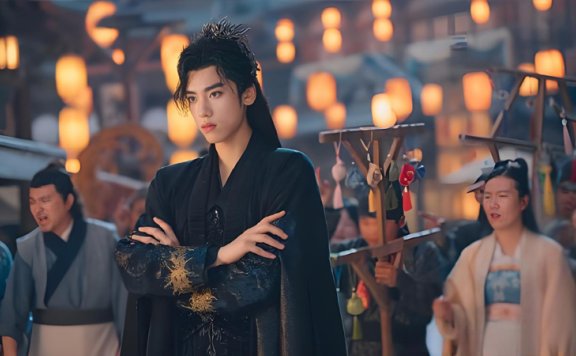
The Sun in the Dark Wins with Story and Cast
In a landscape dominated by big-budget productions, a modest Xianxia has cut through the noise. The Sun in the Dark (白夜宸缘起三生) arrived without fanfare, yet after just six episodes, it seized audience attention, achieving an impressive 8.4 rating. This isn't just another costume drama; for many, it feels like a homecoming. A Return to Roots For years, the Xianxia genre seemed to lose its way. Plots became predictable, revolving around gods embroiled in earthly love affairs that threatened the very cosmos, all while visuals often favored garish spectacle over substance. The genre's core that the “xian” spirit of ascension and the “xia” code of justice faded into the background. It became something to watch with distracted amusement, not invested passion. The Sun in the Dark shatters this mold. Its power lies not in subverting expectations but in fulfilling the original promise of Xianxia. The story introduces Bai Xiaoying (白小萤), a young woman cursed from birth. Her blood corrodes everything it touches, marking her as a monster in her village. Her tragedy deepens when Ye Shen (夜神), the Night Deity, exterminates her entire community, leaving her as the sole survivor. This is not a setup for a pity party; it is… -
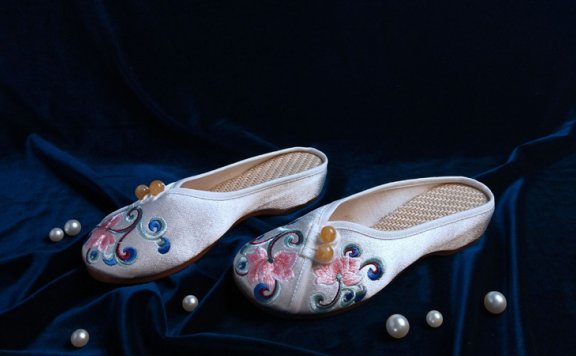
Why Are Slippers So Rare in Historical Chinese Dramas?
Viewers often notice a curious absence in historical television series set in ancient China. Characters stroll through palace corridors, relax in private gardens, and even sleep in lavish bedrooms—all while wearing the same sturdy, often elaborate, boots or cloth shoes. Where are the slippers? This question isn't just a modern pedantry; it touches on a broader conversation about historical accuracy, modern production choices, and the surprising realities of ancient Chinese footwear. The common assumption is that open-back shoes are a modern convenience, but a dive into history reveals a different story, one of practicality, fashion, and a rich sartorial culture that many contemporary shows overlook. Ancient Footwear Fashion The notion that ancient people lacked comfortable, casual footwear is a misconception. Archaeological finds and historical texts confirm that open-back shoes, known as Sa shoes (靸鞋), were worn as early as the Warring States period. These were not crude prototypes but deliberate designs, often featuring straps or intricate decorations. They served a practical purpose in a time before air conditioning, offering relief from the heat and a convenient option for indoor relaxation. In the classic novel The Dream of Red Mansions (红楼梦), the protagonist Baoyu (宝玉) is described wearing such shoes, padding… -
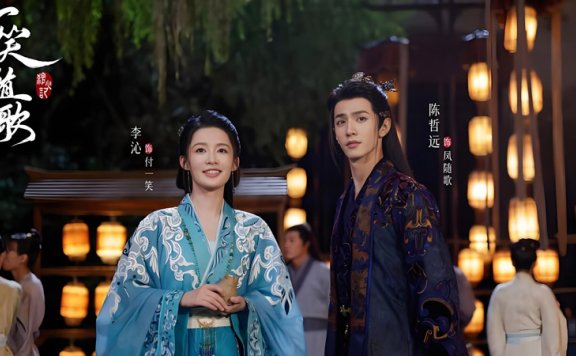
Fated Hearts: How 1 Arrow Shapes 2 Lives and a Kingdom’s Fate
Can a single arrow change two lives and the fate of a kingdom? In the new historical drama Fated Hearts (一笑随歌), that is precisely where our story begins. This series, streaming on iQiyi, quickly captured viewers with its potent mix of grand romance and high-stakes political intrigue. Led by actors Li Qin (李沁) and Chen Zheyuan (陈哲远), it presents a couple whose alliance is as dangerous as it is passionate, earning comparisons to a Mr. & Mrs. Smith set against a rich Wuxia backdrop. The narrative thrusts us into the fray as the Jinxiu Kingdom (锦绣国) faces imminent threat. In a desperate, defining moment, a brilliant female archer clad in red strikes a blow that alters the course of a battle. Her target is no ordinary soldier but the crown prince of the rival Susha Kingdom (夙砂国). This single act of defiance sets in motion a chain of events where memory is lost, identities are concealed, and trust is the ultimate gamble. The Amnesiac Archer Stripped of her past, she is found and brought to the Zhengnian Villa (正念山), a place of seeming peace that masks undercurrents of conspiracy. Here, the woman known for her fierce prowess must navigate a… -
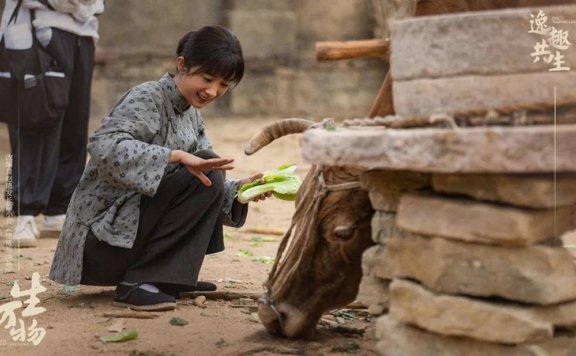
Yang Mi's Career Turning Point in 2025
The path of transformation from a traffic-driven star to a serious actress has been a long one for Yang Mi. From the early setback with Baby (宝贝儿) to the controversy around last year's In the Name of the Brother (哈尔滨一九四四), every attempt she made to step closer to the label of "actress of the people" came with scrutiny, heated discussion, and doubt. This year feels like a subtle turning point. She's Got No Name (酱园弄·悬案) and The Lychee Road (长安的荔枝) helped reverse public opinion, while her latest drama This Thriving Land (生万物) is delivering strong results. After three stumbles in a row followed by three consecutive successes, the question is: how close is Yang Mi to achieving a genuine breakthrough? The Success of This Thriving Land This Thriving Land stands as Yang Mi's most important step so far. Earlier this year, both The Murder in the House of Chaos and The Lychee Road were released, and even though Yang Mi only played supporting roles, they earned her positive reviews. In The Murder in the House of Chaos, her portrayal of Wang Xumei was highlighted as one of the rare bright spots in a film that only scored 5.7 on Douban… -
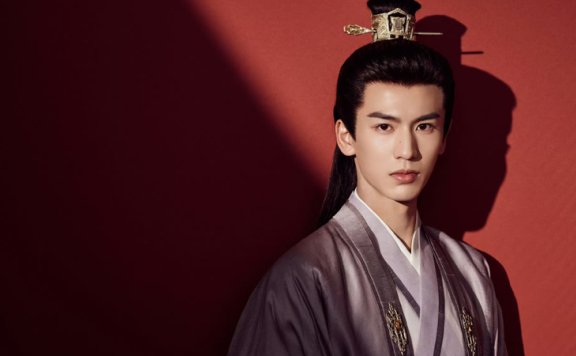
Top 6 Zhang Linghe Period Dramas You Can't Miss
Rising as a quintessential heartthrob in Chinese period dramas, Zhang Linghe (张凌赫) seamlessly blends scholarly intellect with arresting magnetism. Standing at 190cm—often dubbed "AI-modeled physique" for his sculpted features and commanding presence—he initially pursued engineering at Nanjing Normal University, excelling in mathematics and physics before serendipitously entering acting. With roles spanning ethereal immortals to cunning strategists, Zhang merges analytical depth with emotional vulnerability, creating characters that resonate globally. Here are six of his must-watch period dramas that showcase his remarkable range. Love Between Fairy and Devil 苍兰诀 Aired: 2022 Period Background: Mythical ancient China Genres: Xianxia, Fantasy, Romance Main Roles: Zhang Linghe as Changheng, Yu Shuxin (虞书欣), Wang Hedi (王鹤棣) Adapted from: Novel Mo Zun by Jiu Lu Fei Xiang In Love Between Fairy and Devil, Zhang Linghe portrays Changheng, the revered War God of the Heavenly Realm, whose unwavering sense of duty and innate kindness define his character. As the embodiment of the "immortal white moonlight" (a Chinese fandom term describing an idealized, unattainable love), he finds himself deeply devoted to Orchid (Xiao Lanhua), a low-ranking fairy whose innocence and warmth inadvertently challenge his celestial obligations. Their relationship unfolds against a backdrop of cosmic conflict, particularly with the powerful… -
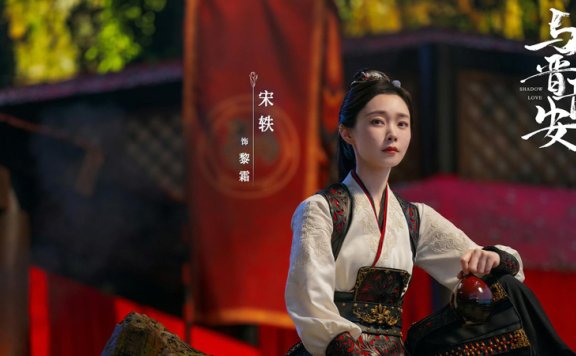
Song Yi: Embodying the Strategic General in Shadow Love
When an actor's style has already won recognition, stepping out of that comfort zone is never easy. It means facing the unknown, and it also means being judged again through the lens of past roles. That's exactly what Song Yi attempts with Shadow Love (与晋长安), where she plays the female general Li Shuang. Unlike her well-known "talented lady" roles, Li Shuang requires both sharp intelligence and raw courage—she must be decisive on the battlefield while carrying a quiet tenderness inside. This performance matters not only because audiences bought into her mix of strength and vulnerability, but also because it shows Song Yi pushing for more complex characters and wider acting range in her career. Act as A "Strategist General" with Both Iron and Softness Built around a "blood pact" fantasy element, the show offers what viewers call a "manhua-style" (漫感, meaning the fast-paced, heightened feel of reading a Chinese webcomic) drama-watching experience. Since its release, Shadow Love has steadily climbed in popularity. On iQIYI International, it has already topped the streaming charts in nine regions including the US and Japan, showing clear cross-border appeal. Data from consulting firm Detawen highlights the real driver: Song Yi's Li Shuang accounts for up… -
Grounded Costume Dramas Stay Hot with Heroines Chasing Careers
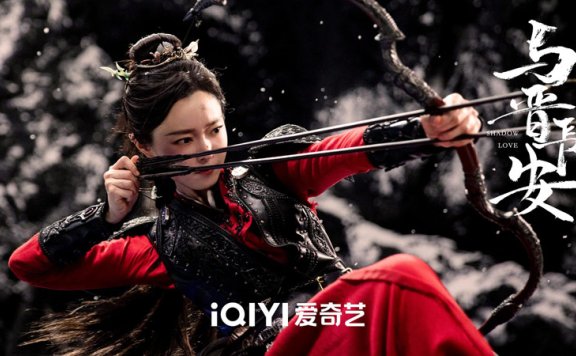
Adapted from Qianshan Chake's novel, Legend of The Female General (锦月如歌) received a Yunhe rating of S+, marking the first big splash for the "female general" subgenre of costume romance. So far this year, grounded costume dramas (落地古偶, meaning historical dramas rooted in reality rather than heavy fantasy) have kept their momentum. Shows like Flourished Peony (国色芳华), The Glory (雁回时), The Prisoner of Beauty (折腰), and Coroner's Diary (朝雪录) all drew strong reactions. With traditional fantasy xianxia dramas losing steam, these grounded works are holding steady. Why that is deserves a closer look. If we break it down by subgenres, the picture gets clearer: whether it's palace intrigue, mystery-solving, wuxia-inspired stories, or political power plays, these staples are always reliable. And in recent years, the rise of female-led stories—businesswomen, military commanders—has only added to the mix. For audiences, watching a heroine build her career can be just as satisfying as watching her fall in love. Popular Genres Shift to Female Generals Within grounded costume dramas, palace intrigue, mystery, wuxia, and political scheming remain the most enduring topics. Producer Lin Li explained: "In a platform-driven production system, these themes are safe bets because past data has already proven their appeal." Looking… -
Explore Zhou Ye's top 4 Costume Dramas
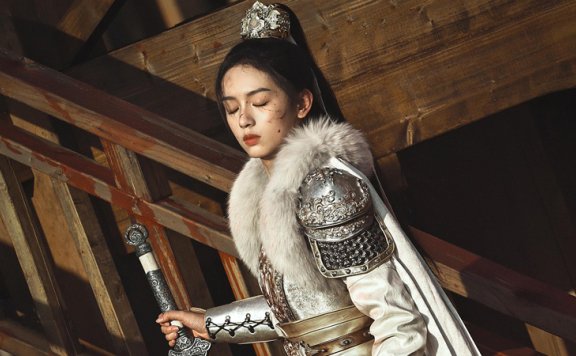
Zhou Ye, a prominent post-95s generation rising actress in the Chinese entertainment industry, captivates audiences with a unique blend of classically exquisite features and a refreshingly "wild" off-screen personality. From a mischievous fairy to a fierce general, her roles showcase her ability to embody strong, complex characters. This article delves into four of her must-watch costume dramas, highlighting their unique stories, genres, and why they are worth your time. Word of Honor 山河令 Aired: 2021 Period Background: Ancient China, Wuxia (martial arts) setting. Genres: Wuxia, Romance, Drama. Main Roles: Zhou Ye as Gu Xiang, a playful and loyal demon servant. Adapted From: Priest's novel "Faraway Wanderers." "Word of Honor" is a celebrated wuxia drama that intricately weaves themes of loyalty, redemption, and sacrifice. The story centers on Zhou Zishu, a former assassin seeking freedom from his past, and Wen Kexing, the enigmatic leader of the Ghost Valley, whose intertwined fates challenge their moral boundaries. Amidst this complex narrative, Gu Xiang (portrayed by Zhou Ye) emerges as a pivotal character. As Wen Kexing's fiercely devoted servant, she navigates a journey from unwavering loyalty to tragic self-discovery. Her character arc is deeply enriched by her relationship with Cao Weining, a gentle martial… -
Eclipse of Illusion: The First 3D Female-Led Revenge Hit
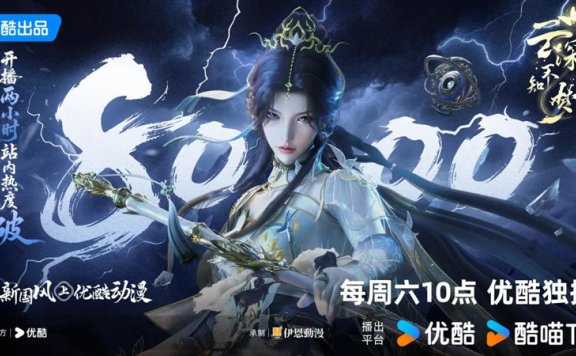
This summer, Chinese animation has been swept by a surge of what fans are calling "her power" (a buzzword in Chinese internet slang that highlights stories centered on strong female characters). The first 3D female-oriented animation from Youku, Eclipse of Illusion / Veiled Dreams (云深不知梦), made an explosive debut. Marketed as a "female-led revenge fantasy," it lit up the summer season the moment it dropped. Viewers were hooked by Yun Wangshu's wedding-day betrayal, which threw her straight into a "hell mode opening," then thrilled by her face-swapped rebirth and step-by-step revenge plan. Comments like "rebirth revenge is so addictive" and "this is the female lead we've been waiting for!" quickly flooded social platforms. The buzz wasn't just hype—it was backed by hard numbers. Before launch, reservations had already crossed 2.25 million, signaling sky-high anticipation. After release, the show's popularity surged, peaking at 8,620 on the heat index. It held the #1 spot on Youku's animation chart for female viewers, and within just one month broke into the annual Youku animation sales Top 7. On Yunhe's "binge chart" (a ranking of most-watched new series across platforms), it also stayed at the top. These figures built a solid foundation for its breakout success.… -
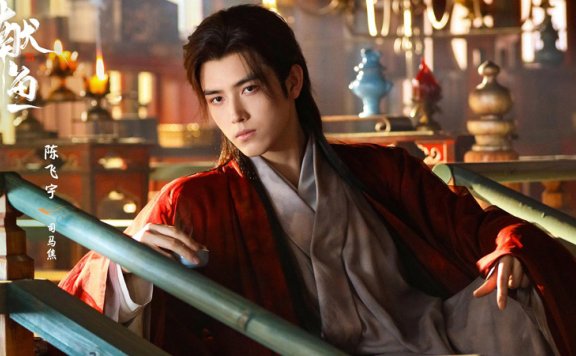
Chen Feiyu Gains Both Performance Growth and Industry Recognition
In the summer of 2025, Chen Feiyu returned to the spotlight with his new drama When Destiny Brings The Demon (献鱼). His role as Sima Jiao shattered the usual image of the flawless male lead in xianxia dramas, immediately stirring heated discussion online. According to data from Detawen, since its premiere on August 16, 2025, When Destiny Brings The Demon has crossed 9700 in popularity on Youku's in-app index. At the same time, the "character contribution rate" for Sima Jiao—essentially measuring how much his presence drives the drama's popularity—soared to a peak of 46%. Chen's performance is widely credited as a key factor behind the show's surging momentum. Social media comments show just how much the role has clicked with viewers: "In this B-king lane, our 'Shizu' (师祖, literally 'ancestral master,' here used playfully to refer to Sima Jiao) has endless tricks up his sleeve." "The unhinged Shizu is crazy but I adore him." "The tsundere Shizu spoiling someone with bossy tenderness? Hot." "Finally, the fantasy of the overworked employee getting pampered by their boss comes true." These reactions highlight more than just a trending character—they also signal Chen Feiyu's progress as an actor. From the inexperienced Ning Que in… -
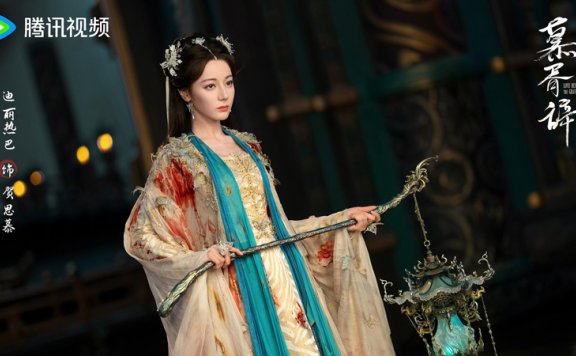
Are There Still Sleeper Hits Left for Q4 2025?
The summer drama battlefield ended with This Thriving Land (生万物), but the second half of the year has only just begun. Every year, once summer vacation is over, the drama market slips into a brief "hibernation." By this point in 2025, most of the heavyweight titles have already been consumed in the first half of the year. Still, the Qixi Festival (Chinese Valentine's Day, usually in August) brought fresh promo pushes: Chasing Jade (逐玉), Blossoms of Power (百花杀), Speed and Love (双轨), Love Beyond the Grave (慕胥辞), Our Dazzling Days (烟花少年), and Banquet at Yong'an (宴遇永安) all dropped new teasers. Rumors suggest many of them are lining up for a Q4 2025 to Q1 2026 release. Looking back at past winter holiday schedules, the family-friendly and comedy slots tend to dominate. Period pieces with an ensemble touch have also done well here—titles like Always On The Move (南来北往), Six Sisters (六姊妹), Perfect Match (五福临门), and Legend of the Undercover Chef II (鹊刀门传奇第二季) all pulled solid ratings in this timeframe. On the production side, platforms aren't rushing into large-scale historical projects just because of the latest supportive policies. They're keeping things steady. Over the past month, most new shoots have been… -
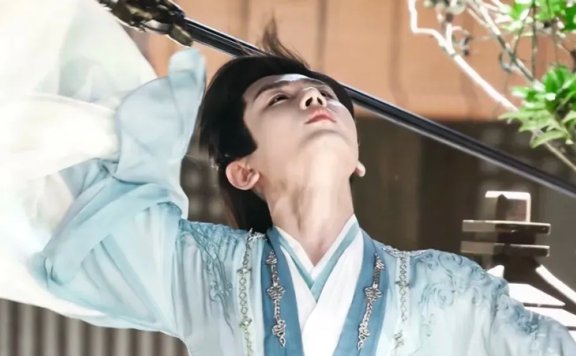
Why Do Ancient Costume Dramas Have Such Big Sleeves?
Recently, the ancient costume drama The Journey of Legend (赴山海) has gained popularity, and netizens have recalled the costumes of Li Lianhua, (李莲花) played by Cheng Yi, in Mysterious Lotus Casebook (莲花楼). They can’t help but question: “With such big sleeves, how do they fight? Wouldn’t the sleeves hit their faces or get tangled?” Here’s the conclusion: The oversized sleeves in ancient costume dramas are designed to create a sense of elegance and grace—making characters look like they’re floating like a fairy . While the sleeves are as big as possible for this effect, there’s a practical solution: narrow sleeves and arm guards underneath. This way, swords won’t get caught in the sleeves, and characters don’t have to roll up their sleeves just to fight. The Purpose of Oversized Sleeves Oversized sleeves are all about visual appeal. Dramas use them to highlight a character’s ethereal presence—when characters walk, the sleeves flow like clouds, adding a magical touch. But this doesn’t mean practicality is ignored: the inner narrow sleeves and arm guards ensure fighting scenes stay logical. What Are Arm Guards? Arm guards have many names in Chinese clothing culture: “Gou” (褠), “Bi Yi” (臂衣), “Bi Gou” (臂鞲), and “Bi Fu”… -

The Story Behind Tales of Palace Schemes’ Heroine Ji Ruya
How does an orphaned daughter survive the deadly schemes of the imperial harem and rise to become its master? The short drama Tales of Palace Schemes (清宫计), based on the groundbreaking 2013 game of the same name, premiered globally on September 7th. It tells the epic story of Ji Ruya, a woman who enters the palace under a false identity to clear her father’s name. What follows is a thrilling journey of revenge, political maneuvering, and complicated love, set against the opulent and treacherous backdrop of the Qing court. A Heroine's Resolve The heart of the story is Ji Ruya (姬如雅), played by Yu Yin (余茵). Initially a gentle noblewoman skilled in the arts, her life is shattered on her father's birthday when he is falsely accused of treason and assassinated, leading to the extermination of her entire family. Her quest for justice begins with a single clue: a piece of jade Yupei (玉佩) left behind at the scene. After being disfigured and disowned by her own sister, who is now a concubine, Ji Ruya is saved and given a new face by the court physician. She understands that to clear her father's name, she must gain power from within… -
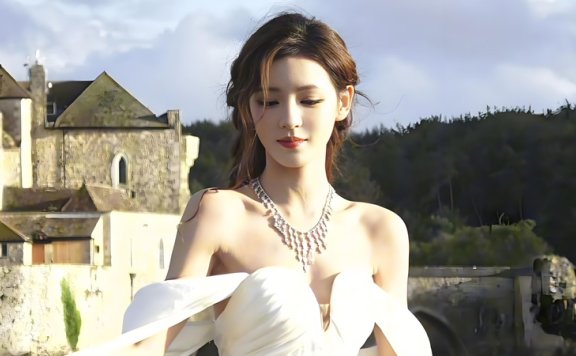
Zhang Yuxi's Castle Photoshoot Evokes Disney Princess Fantasy
When Zhang Yuxi's (张予曦) latest photoshoot surfaced online, it didn't just trend—it rewrote the rules of celebrity allure. Dressed in an elegant white gown against the backdrop of an ancient castle, she didn’t just pose; she brought a fairytale to life. Netizens couldn’t help but draw comparisons to a Disney princess who’d stepped right out of an animation and into reality. But beyond the dazzling visuals lies a story of grit, growth, and grace—one that challenges the very notion of what it means to be a star in today’s entertainment world. The Castle Fantasy Set against stone walls and vintage arches, the photoshoot is a masterclass in aesthetic storytelling. Zhang Yuxi has sharp features, porcelain skin and a poised demeanor, and she embodies the "runaway princess" vibe. This is not a gimmick; it is a natural extension of her presence. The setting amplifies her elegance, making it easy to imagine her as the heroine of a classic romance or a modern-day Cinderella. Social media exploded with praise, with fans and critics alike calling it one of the most visually stunning celebrity moments in recent memory. What sets these images apart is their authenticity. In an era of heavy editing and… -
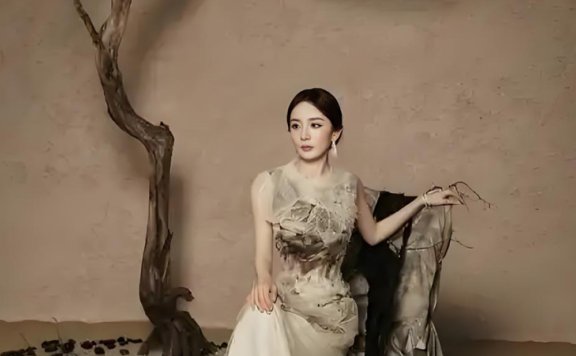
Yang Mi’s Ink Wash Qipao and Withered Trees
At first glance, Yang Mi’s latest photoshoot felt like a high-end couture campaign—until you zoomed in on the details. The Qipao she wore, with its ink wash patterns, evoked the exact moment when ink bleeds into rice paper during calligraphy practice: a flow of slate gray on plain white fabric, not a forced vibrant pop but a cool, understated elegance. The frog buttons dangled with tiny tassels, and the slit ran up to her thigh, adding a hint of sexiness that was never crass—just that “everyone gets it but no one can put it into words” kind of sophistication. But what truly set the scene apart was the backdrop: withered trees, bare and lifeless, yet somehow amplifying her presence instead of overshadowing it. Ink Wash Qipao The Qipao’s design is a masterclass in subtlety. The ink wash effect isn’t a bold, manufactured color; it’s a quiet spread, like the way ink seeps into paper when you’re learning to write with a brush pen as a kid. Slate gray on ivory fabric, it carries a “cold” tone—not unwelcoming, but distant enough to feel exclusive. The frog buttons, adorned with delicate tassels, and the high thigh slit balance elegance with allure: every… -
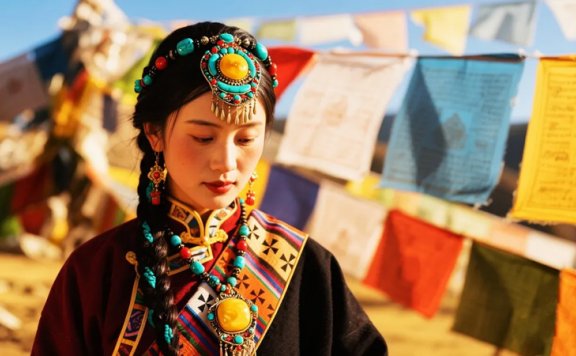
Why Do Tibetans Wear So Much Turquoise and Amber?
Walking through the highlands of Tibet, you might notice something striking: the local people often wear heavy, beautiful jewelry made of turquoise and amber. These aren't just simple decorations. For them, these pieces hold deep meaning, representing history, identity, and security. This tradition is not about fashion in the way many outsiders might think. It is a rich part of their cultural and practical life, developed over centuries. Unfortunately, this very tradition has also become a target for scams, leaving many well-meaning tourists with worthless imitations. Understanding the real story behind these adornments is the first step toward true appreciation. Portable Wealth For nomadic Tibetan peoples, life is defined by movement. Following their herds across the vast plateau, they could not carry fixed assets or large amounts of cash. Instead, they invested their wealth in precious, durable objects like turquoise and amber. Wearing this jewelry was the safest way to transport their life savings. A single necklace or bracelet could represent a significant portion of a family's wealth, making it both a beautiful ornament and a practical financial strategy. This jewelry also functions as a family archive, passed down through generations. Each piece carries the memories and history of those… -
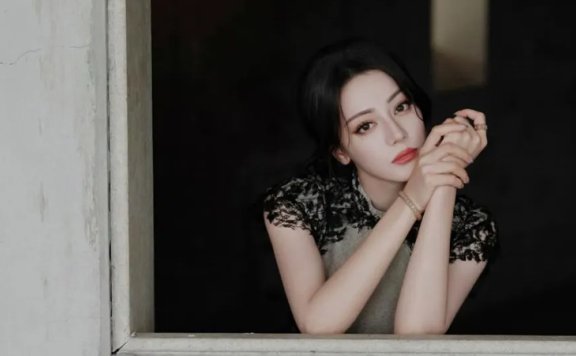
Dilraba: A Qipao Meets Knee-High Boots
When traditional elegance meets modern edge, a unique fashion statement is born. Chinese actress Dilraba's latest photoshoot masterfully demonstrates this fusion, creating a visual dialogue between the classic Qipao and contemporary, bold footwear. Her styling choices transcend mere trend-following, instead offering a narrative on how heritage and innovation can coexist in a single, powerful image. This is not just a photoshoot; it is a testament to the evolving language of global fashion, where boundaries are blurred and new definitions of beauty are constantly being written. Garment as Canvas The centerpiece of this sartorial story is a lace Qipao. Its light brown base provides a soft, elegant canvas, while intricate black lacework sprawls across the shoulders and sides like delicate ivy. This design choice is deliberate, preserving the dress's inherent classical grace while injecting a layer of modern mystique and allure. The garment hugs the figure, celebrating the timeless silhouette that has made the Qipao an enduring icon, yet the lace detailing ensures it feels entirely of-the-moment, a piece designed for a contemporary muse who respects but is not bound by the past. Dilraba’s interaction with the dress is equally thoughtful. In one frame, she lounges lazily on a wooden chair,…