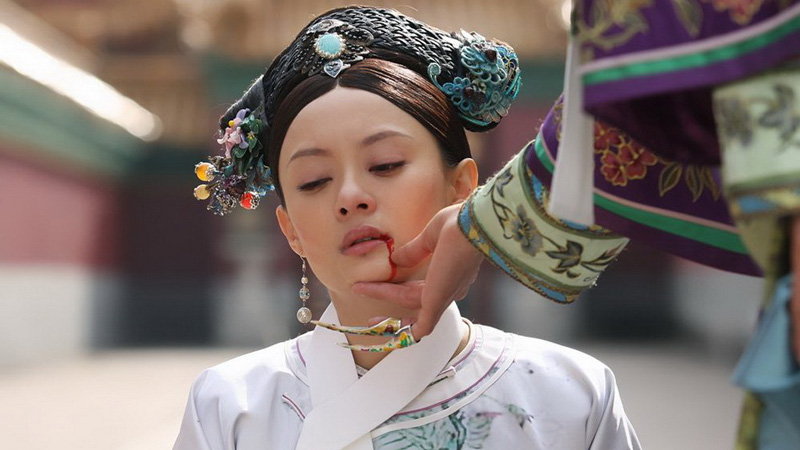
Behind the gilded gates of ancient China's palaces, a different kind of battlefield emerged. Palace scheming dramas unravel these secrets, pulling viewers into a world where love, power, and betrayal collide under the shadow of the dragon throne. Each series is a labyrinth of moral ambiguities, where survival demands more than beauty or birthright—it requires cunning, resilience, and the courage to sacrifice everything. As we step into this realm of forbidden intrigues, one question lingers: in the quest for supremacy, can anyone emerge unscathed?
From Qing Dynasty tales to Han Dynasty epics, here are 7 must-watch palace scheming dramas that define the genre.
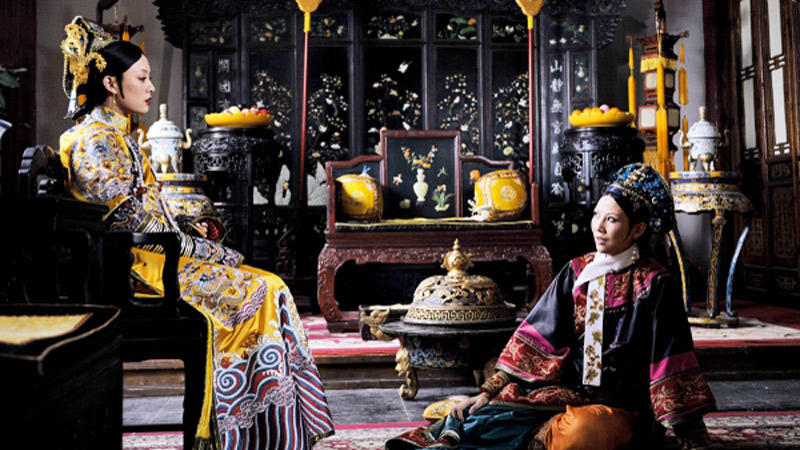
Empresses in the Palace 甄嬛传
Aired: 2011
Period Background: Qing Dynasty (1722–1735)
Genres: Historical, Political Intrigue, Romance
Main Roles: Sun Li (Zhen Huan), Chen Jianbin (Emperor Yongzheng), Cai Shao Fen (Empress Chunyuan)
Adapted From: Liu Lianzi's novel Empresses in the Palace
Plot Overview
Zhen Huan begins her journey as an idealistic young woman reluctantly entering the Qing Dynasty court during Emperor Yongzheng's reign (1722–1735). Initially naive and hopeful, she seeks genuine love but soon witnesses the brutal realities of harem politics. Her transformation into a cunning strategist is triggered by systemic betrayal and violence. For instance, after being manipulated by Empress Chunyuan and targeted by the ruthless Hua Fei (played by Jiang Xin), who orchestrates the death of Zhen Huan's allies and frames her family for treason, Zhen Huan learns to weaponize intelligence and resilience. She exposes Hua Fei's crimes, including the use of musk-laden "Joyful Fragrance" to induce miscarriages, and systematically dismantles her rivals through psychological warfare and political maneuvering. Her evolution culminates in a calculated ascent to empress dowager, but not without profound personal losses: the death of her lover Guo Junwang, the betrayal of former friend An Lingrong, and the sacrifice of her innocence.
Reasons to Recommend
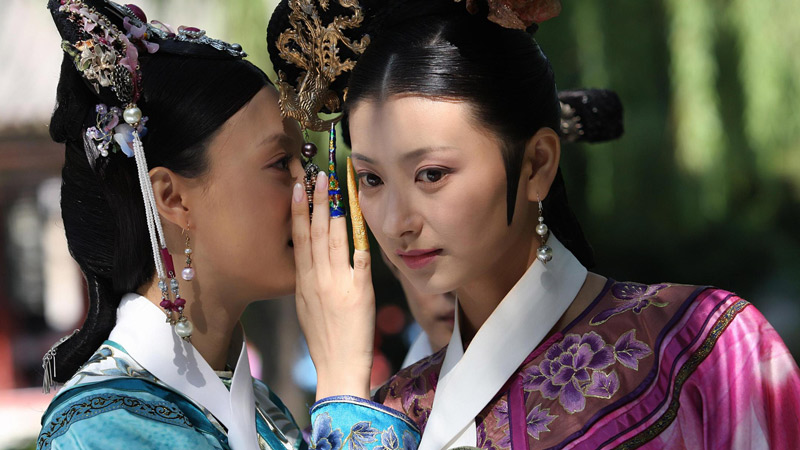
Empresses in the Palace transcends typical harem dramas through its psychological depth and critique of feudalism. Characters are not mere villains; they are products of a oppressive system. For example, An Lingrong's descent into treachery stems from internalized "unworthiness" and societal pressure, while Zhen Huan's triumph is paradoxically a tragedy—she becomes the very thing she fought against, ruling from a throne of isolation. The series exposes how feudal structures pit women against each other, reducing them to tools for political gain.
Sun Li's performance as Zhen Huan is iconic for its nuanced portrayal of a character aging from 17 to 40, conveying vulnerability, intellectual ferocity, and hardened resolve through subtle gestures and expressions. The production's historical authenticity, from Qing costumes to meticulously recreated rituals, adds layers of realism. Unlike melodramatic counterparts, the series prioritizes strategic narrative over sensationalism, making its critique of power, gender, and morality resonate globally.
War and Beauty 金枝欲孽
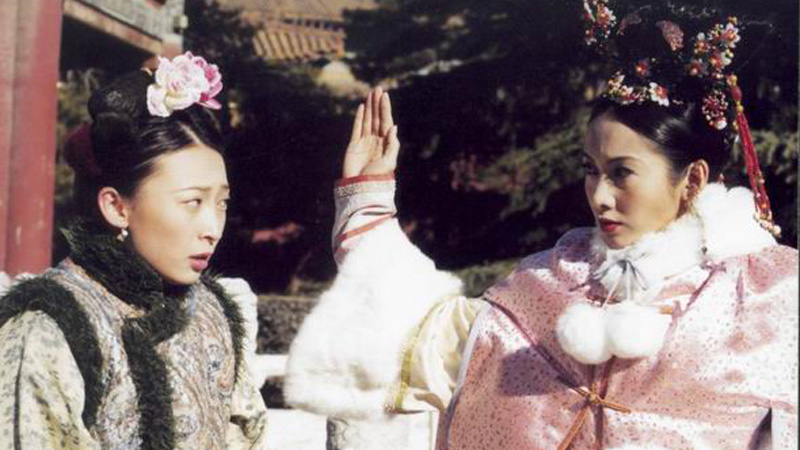
Aired: 2004
Period Background: Qing Dynasty (early 19th century)
Genres: Drama, Romance, Tragedy
Main Roles: Gigi Lai (Houjia Yuying), Charmaine Sheh (Dongguan Eryun), Sheren Tang (Consort Yu)
Adapted From: Original TV script
Plot Overview
Set in the Jiaqing era of the Qing Dynasty (early 19th century), War and Beauty delves into the lives of four courtesans vying for influence in the Forbidden City. Yuying initially appears as a naive beauty but reveals cunning strategies to secure her status, leveraging her alliance-turned-rivalry with Dongguan Eryun. Eryun, an intelligent but morally conflicted woman, enters the palace under disguised identity to seek revenge yet becomes entangled in romantic feelings for a physician.
Their conflicts are intensified by Consort Yu, a formidable strategist battling palace conspiracies while confronting her own emotional vulnerabilities, and Anxi, a senior maid whose initial neutrality shatters after personal tragedies force her into the power struggle. Unlike typical narratives where characters are purely heroic or villainous, each woman faces impossible choices: Yuying betrays allies to protect her family, Eryun sacrifices empathy for survival, and Consort Yu's fierceness masks profound loneliness. The plot avoids simplistic resolutions, culminating in a tragic fire during a palace uprising that leaves no character truly victorious.
Reasons to Recommend
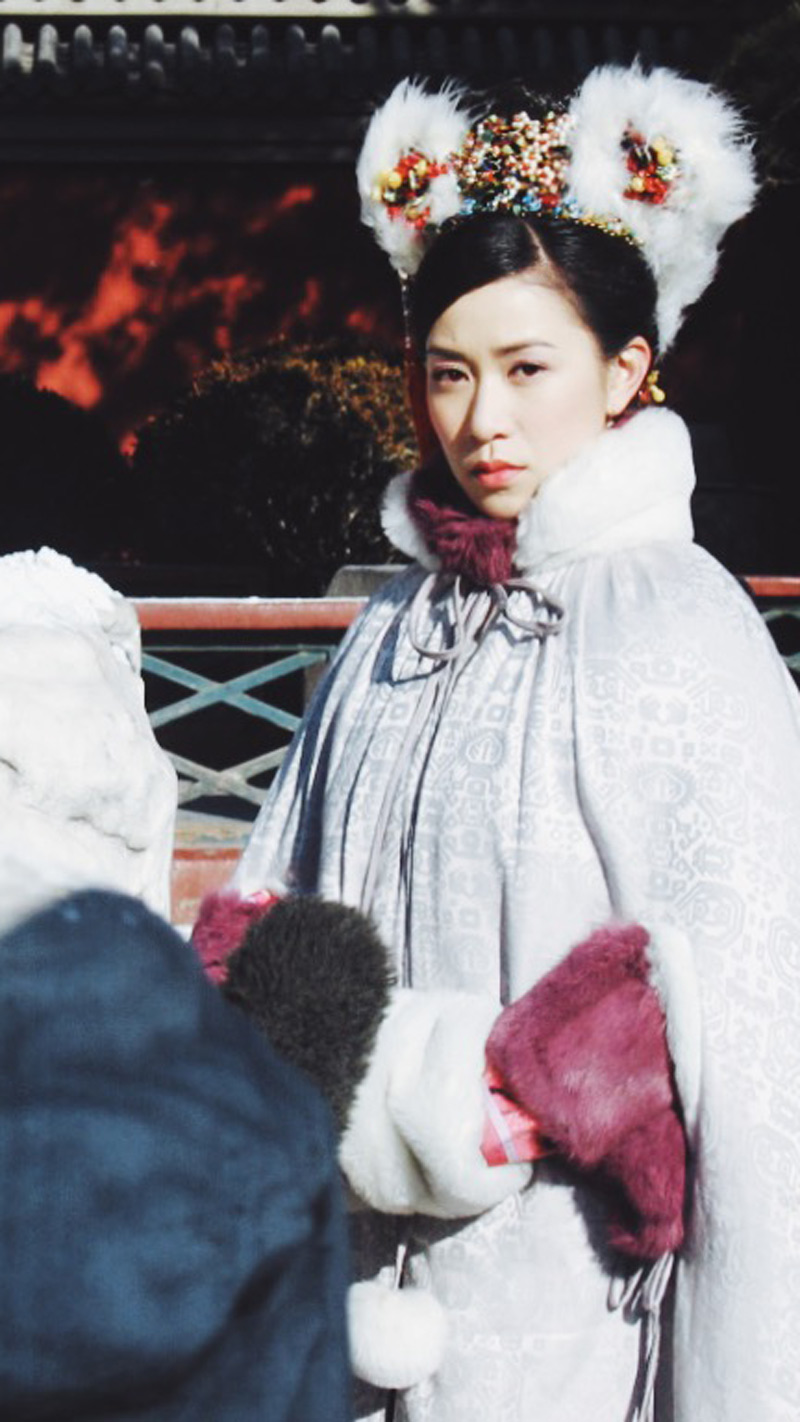
As a foundational text of the genre, War and Beauty distinguishes itself through moral ambiguity and psychological realism. It rejects the trope of a triumphant heroine; instead, all characters are trapped in a system that corrodes humanity. For example, Yuying's manipulation of Eryun's trust leads to mutual destruction, highlighting how ambition breeds collective tragedy. The series excels in philosophical depth, questioning whether power is worth the moral decay it demands. Consort Yu's arc exemplifies this—her iconic line, "I'd rather be feared than pitied," underscores the tragic cost of survival in a world where compassion is a weakness.
The production's historical authenticity (e.g., accurate Qing costumes, protocols) grounds its narrative, while the ensemble cast delivers nuanced performances that elevate the material beyond melodrama. Its influence is evident in later series like Empresses in the Palace, but its darker tone and unresolved endings remain uniquely impactful. For international viewers, it offers a critical lens into feudal oppression and gender dynamics, resonating with universal themes of power and morality.
Scarlet Heart 步步惊心
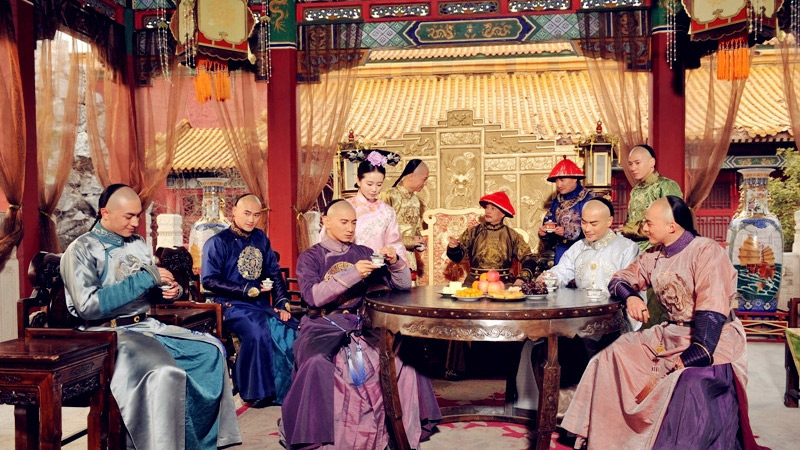
Aired: 2011
Period Background: Qing Dynasty (Kangxi Era, 1661–1722)
Genres: Time-Travel, Romance, Tragedy
Main Roles: Cecilia Liu (Maertai Ruoxi/Shengxiao), Nicky Wu (Emperor Yongzheng)
Adapted From: Tong Hua's novel Bu Bu Jing Xin
Plot Overview
Scarlet Heart follows Zhang Xiao, a 21st-century professional woman who mysteriously time-travels to the Qing Dynasty during the Kangxi Emperor's reign (1661–1722), awakening in the body of Maertai Ruoxi. Thrust into the rigid hierarchical society, she initially relies on her modern wit and defiance to navigate court life but becomes increasingly entangled in the historical power struggle known as the "Nine princes' Struggle". As a noblewoman serving as a palace maid, Ruoxi forms close bonds with Kangxi's sons, particularly the compassionate Eighth Prince (played by Zheng Jiacheng) and the ruthlessly ambitious Fourth Prince (Nicky Wu).
Her knowledge of future events becomes both a curse and a weapon: she warns the Eighth Prince against his doomed political choices, foresees the Fourth Prince's eventual victory, and witnesses brutal betrayals like the Thirteenth Prince's decade-long imprisonment. The love triangle deepens as she shifts from the Eighth Prince's idealism to the Fourth Prince's pragmatism, ultimately sacrificing her happiness to protect those she loves. Her modern identity erodes under the weight of historical inevitability, culminating in her tragic death shortly after the Fourth Prince ascends as the Yongzheng Emperor.
Reasons to Recommend
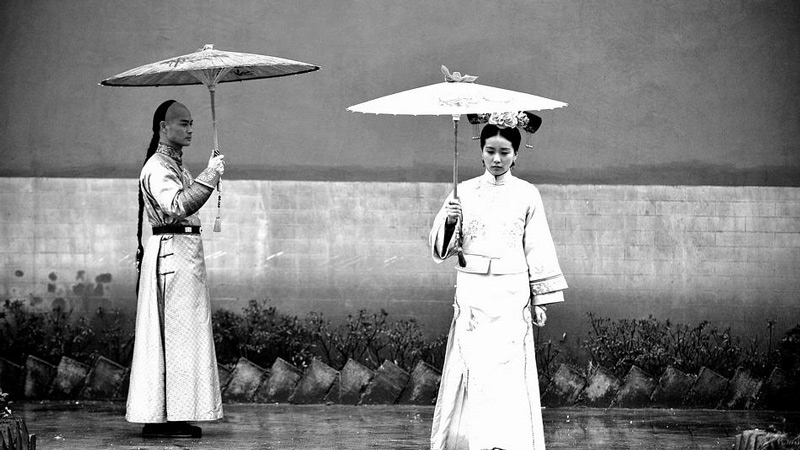
Scarlet Heart revolutionized the genre by integrating time-travel as a narrative device to explore historical fatalism. Unlike typical romance-driven plots, Ruoxi's modern perspective allows audiences to critique feudal norms—for instance, her outrage at the execution of loyal officials highlights the era's brutality. The series excels in character-driven tragedy: Ruoxi's relationships with the princes are layered with political stakes, such as her forced choice between saving the Fourteenth Prince's life or betraying the Eighth Prince's faction.
The production's meticulous attention to historical detail (e.g., Manchu rituals, court attire) grounds the fantasy elements, while the ensemble cast delivers emotionally raw performances. Nicky Wu's portrayal of the Fourth Prince's transformation from guarded outsider to merciless emperor is particularly acclaimed. For international viewers, the series offers a universal meditation on free will versus destiny—Ruoxi's futile attempts to change history mirror modern anxieties about control and sacrifice. Its success spawned adaptations across Asia, though the Chinese original remains revered for its lyrical storytelling and philosophical depth.
Story of Yanxi Palace 延禧攻略
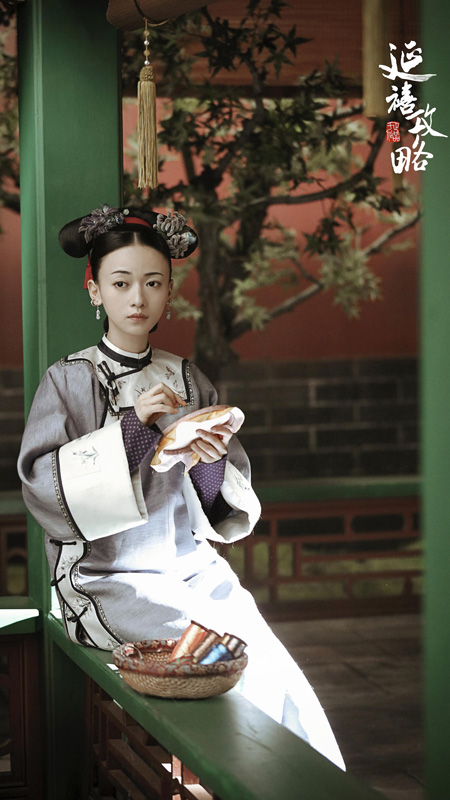
Aired: 2018
Period Background: Qing Dynasty (Qianlong Era, 1735–1796)
Genres: Revenge, Historical, Drama
Main Roles: Wu Jinyan (Wei Yingluo), Qin Lan (Empress Fucha), Nie Yuan (Emperor Qianlong)
Adapted From: Original script
Plot Overview
Story of Yanxi Palace follows Wei Yingluo, a determined commoner who enters the Qing court as a palace maid during the Qianlong era (1735-1796) under false pretenses to investigate the mysterious death of her older sister, Wei YingNing. Unlike typical palace drama heroines, Yingluo is portrayed as fiercely intelligent, strategically aggressive, and unapologetically vindictive from the outset. Her investigation quickly implicates powerful figures, including the haughty Consort Gao ( played by Tan Zhuo), who had Yingluo's sister murdered and disguised as a suicide.
Yingluo's rise is propelled by her cunning and mastery of traditional crafts like embroidery, which initially gains her favor with the virtuous Empress Fucha. She systematically eliminates enemies through psychological manipulation and precise strikes - for instance, she exposes Consort Gao's corruption by orchestrating a public revelation of her family's embezzlement scheme. After the Empress's tragic death, Yingluo willingly becomes the Emperor's consort to continue her revenge agenda and protect those she cares about. Her battles evolve from personal vengeance to navigating complex political conspiracies, including thwarting a coup attempt by the ambitious Consort Xian. Ultimately, she rises to become Imperial Noble Consort, having avenged her sister and secured her position while maintaining her agency in a oppressive system.
Reasons to Recommend
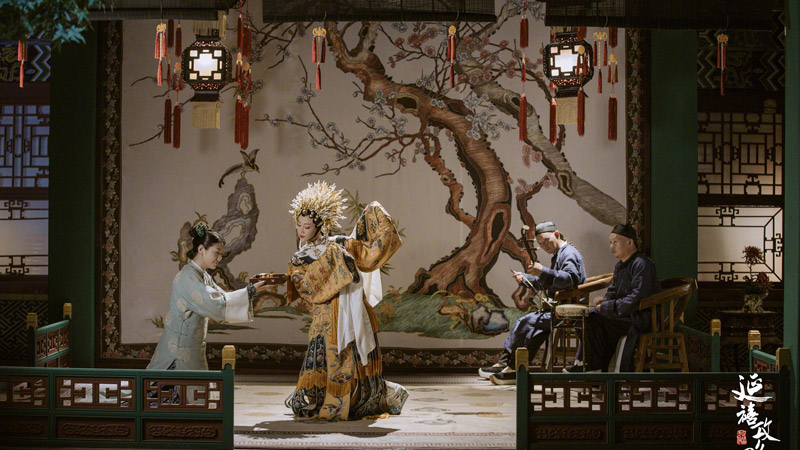
The series revolutionized the genre through its unconventional protagonist - Yingluo's proactive aggression and moral ambiguity broke from the passive, virtuous heroines typical of palace dramas. Her famous declaration "I've never been one to suffer in silence" epitomizes her confrontational approach to injustice. The narrative's breakneck pacing ensures constant momentum, with Yingluo facing and overcoming new threats in nearly every episode without dragging conflicts artificially.
Visually, the production set new standards with its meticulous aesthetic authenticity. The costumes accurately recreate Qianlong-era designs, featuring traditional embroidery techniques and color symbolism - the emperor's dragon robes and the women's dianzi (钿子) headdresses were reconstructed from historical records. The color palette deliberately subverts expectations by using muted, antique tones rather than the bright colors typically seen in historical dramas.
The series also offers nuanced characterizations beyond its heroine. Empress Fucha's struggle between her virtuous ideals and the brutal realities of palace life, and Emperor Qianlong's transformation from distrustful ruler to Yingluo's reluctant admirer provide depth and moral complexity. For international viewers, it presents a fresh perspective on female empowerment narratives within historical constraints, balancing entertainment value with sophisticated production values that respect cultural authenticity.
Ruyi's Royal Love in the Palace 如懿传
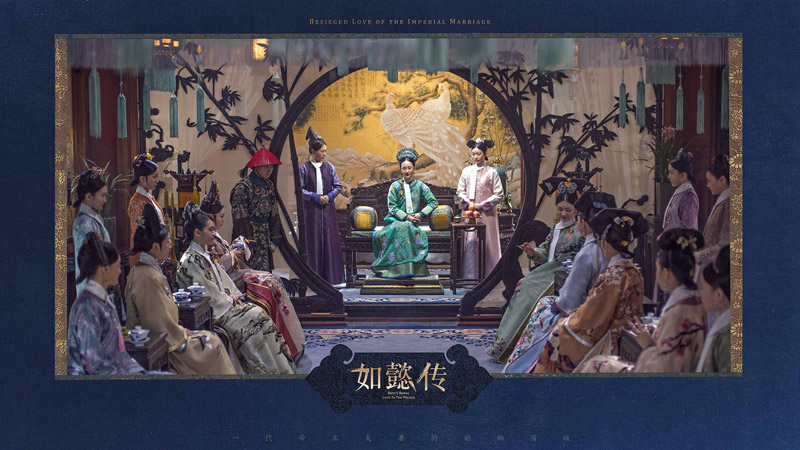
Aired: 2018
Period Background: Qing Dynasty (Qianlong Era)
Genres: Tragedy, Historical, Romance
Main Roles: Zhou Xun (Ula-Nara Ruyi), Huo Jianhua (Emperor Qianlong)
Adapted From: Liu Lianzi's novel Ruyi's Royal Love
Plot Overview
Ruyi's Royal Love in the Palace traces the tragic trajectory of Ula-Nara Ruyi, who begins as a spirited and beloved consort of Emperor Qianlong (played by Huo Jianhua) and eventually becomes his empress, only to witness their relationship unravel under the pressures of imperial politics and personal betrayals. Unlike typical palace dramas centered on revenge or triumph, Ruyi's story is one of emotional erosion. Her primary adversaries include Consort Gao, who exploits Ruyi's kindness by framing her for witchcraft, and Consort Jia, a master manipulator who orchestrates conflicts between Ruyi and other consorts while feigning innocence.
Ruyi's struggles are compounded by Qianlong's growing paranoia and authoritarianism. His distrust is systematically weaponized by rivals—for example, they fabricate evidence of Ruyi's romantic liaison with a court painter, leading to her temporary confinement and public humiliation. The emperor's prioritization of power over love culminates in Ruyi's symbolic act of defiance: cutting her hair in mourning for their dead relationship, an act deemed treasonous in Qing culture. This seals her fate, resulting in her demotion and solitary death. The plot avoids sensationalism, instead focusing on the quiet deterioration of trust, exemplified by Qianlong's refusal to believe Ruyi's innocence even when evidence emerges posthumously.
Reasons to Recommend
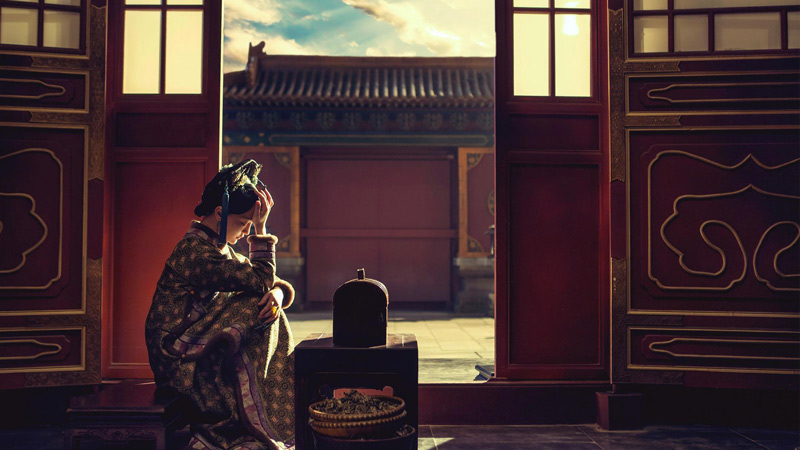
As a melancholic counterpart to the triumphant Story of Yanxi Palace, this series delves into the psychological cost of imperial oppression. Ruyi's tragedy lies not in external enemies but in the systemic erosion of her identity and agency. The narrative critiques the Qing court's misogyny—women are tools for political alliances, and empathy is punished as weakness. Zhou Xun's performance is sublime in its subtlety; she conveys Ruyi's transformation from optimistic youth to resigned empress through nuanced gestures, such as the gradual hardening of her gaze and the restrained delivery of lines like, "I thought we had a lifetime together, but now I see it was just an illusion."
The production's historical authenticity enhances its emotional weight: costumes reflect Ruyi's emotional arc (e.g., her early vibrant robes fade to muted tones as her spirit breaks), and the set design mirrors the court's oppressive grandeur. For international audiences, the series offers a poignant exploration of love corrupted by power, resonating with themes seen in Western tragedies like Anna Karenina or Madame Bovary. Its deliberate pacing and lack of cathartic revenge may challenge viewers accustomed to narratives of female empowerment, but its artistic integrity and emotional depth make it a landmark in historical drama.
Beauty's Rival in Palace 美人心计
Aired: 2010
Period Background: Han Dynasty (202 BCE–220 CE)
Genres: Historical, Romance, Political Intrigue
Main Roles: Ruby Lin (Dou Yifang), Wang Likun (Nie Shenyi), Chen Keyan (Emperor Wen)
Adapted From: Yu Zheng's novel Weiyang Chenfu
Plot Overview
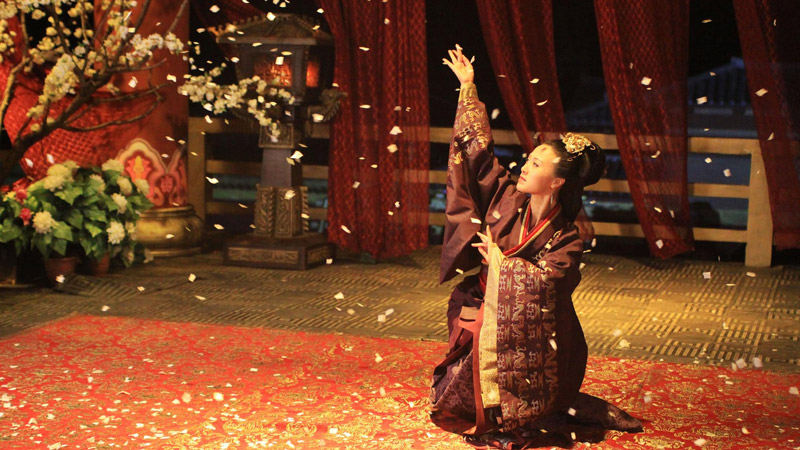
Beauty's Rival in Palace chronicles the extraordinary journey of Dou Yifang, who evolves from a humble servant into one of the most powerful women of the Han Dynasty (202 BCE–220 CE). Initially recruited as a spy by the ruthless Empress Lü to monitor Liu Heng, the Prince of Dai, Yifang gradually shifts her loyalty to the prince after witnessing his benevolence and the corruption of the central court. Her intelligence and strategic acumen help Liu Heng navigate deadly conspiracies, including foiling assassination plots orchestrated by Empress Lü's faction and exposing traitors within their own court. After Liu Heng ascends as Emperor Wen of Han, Yifang becomes Empress Dou, leveraging her deep understanding of politics to protect her family and stabilize the empire. She confronts ongoing threats from rival consorts, such as Consort Shen, who attempts to poison her son, and later navigates the succession conflict between her sons Liu Qi (Emperor Jing) and Liu Wu. Throughout her life, Yifang balances ruthless political decisions with genuine compassion, ultimately shaping the Han Dynasty's golden age while sacrificing personal relationships for political stability.
Reasons to Recommend
This series distinguishes itself through its rare focus on the Han Dynasty, a period often overlooked in palace dramas dominated by Qing or Tang settings. The production meticulously recreates the era's distinct aesthetics, including early Han costumes featuring deep-red Shenyi (深衣) robes and elaborate hairstyles adorned with jade hairpins, offering viewers a visually fresh experience compared to later dynastic representations. The narrative's pacing is notably brisk, compressing decades of political evolution into 40 episodes without sacrificing character development—a contrast to longer, more melodramatic series.
Ruby Lin's portrayal of Dou Yifang captures the character's complex evolution from idealistic youth to pragmatic ruler, particularly in scenes where she silently conveys tension through subtle expressions rather than dialogue. The drama also excels in depicting systemic power structures: instead of simplistic villainy, antagonists like Empress Lü are shown as products of a patriarchal system where women wield influence through manipulation rather than overt authority. For international audiences, the series provides historical context for China's early imperial era while delivering a compelling story of female agency within constrained circumstances. Its balance of political intrigue and emotional depth makes it both an educational and engaging entry into the genre.
Beyond the Realm of Conscience 宫心计
Aired: 2009
Period Background: Tang Dynasty (late 9th century)
Genres: Drama, Romance, Court Intrigue
Main Roles: Charmaine Sheh (Liu Sanhao), Tavia Yeung (Yao Jinling), Moses Chan (Emperor Xuanzong)
Adapted From: Original script
Plot Overview
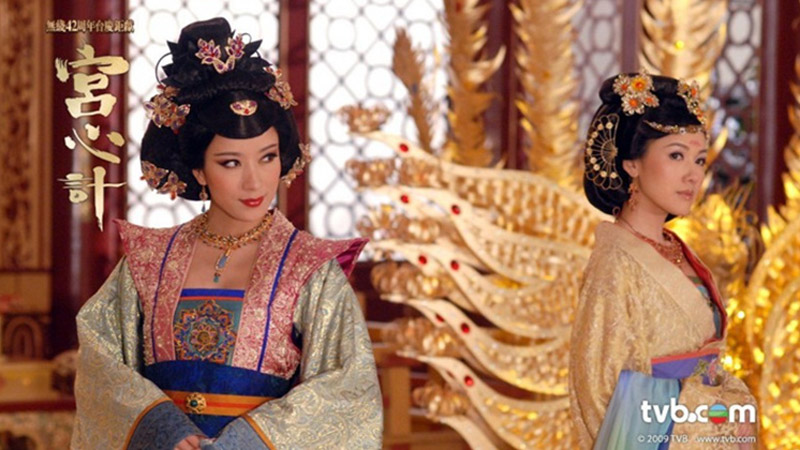
Beyond the Realm of Conscience unfolds in the late Tang Dynasty court, where Liu Sanhao serves as a skilled palace maid renowned for her embroidery talents and unwavering adherence to her mother's philosophy: "Do good, speak good, and think good." Her childhood friend Yao Jinling, however, embraces ambition and ruthlessness to climb the ranks from maid to consort. Their friendship fractures as Jinling's jealousy and desire for power intensify—she orchestrates multiple assassination attempts against Sanhao, including poisoning her embroidery needles and framing her for theft. Sanhao's resilience is tested through political turmoil, including the reign of the volatile Emperor Xuanzong (Moses Chan), yet she consistently chooses compassion over retaliation. The central conflict culminates in Jinling's descent into madness after her schemes result in unintended consequences, including the death of her own child, while Sanhao survives through alliances with loyal court figures like the general Gao Xianyang.
Reasons to Recommend
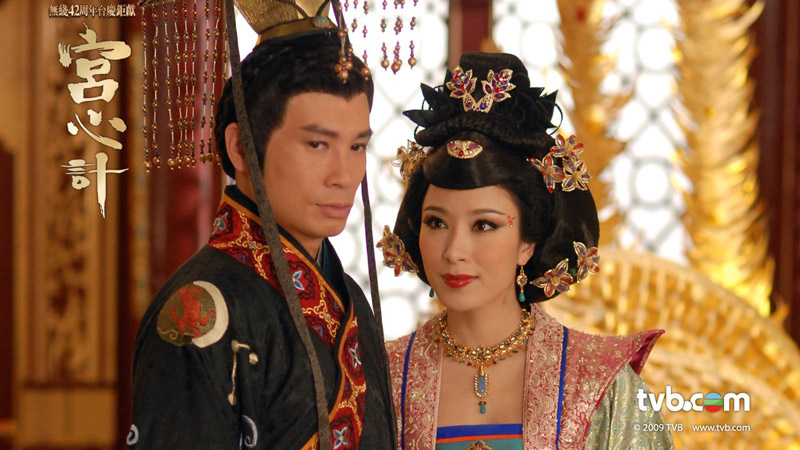
The series stands out for its rich Tang Dynasty aesthetic, vividly recreating the era's opulence through elaborate hairstyles (e.g., high buns adorned with gold hairpins), vibrant costumes featuring layered skirts and wide sleeves, and meticulously designed palace sets reflecting ninth-century architecture. Unlike darker palace dramas, it embraces a melodramatic tone reminiscent of classical theater, emphasizing clear moral binaries—Sanhao's altruism versus Jinling's villainy—while delivering satisfying comeuppances for antagonists.
Charmaine Sheh's portrayal of Sanhao avoids cloying idealism by imbuing the character with quiet strength, particularly in scenes where she protects fellow servants from Jinling's cruelty. Tavia Yeung's performance as Jinling elevates the archetypal "villainess" through nuanced moments of vulnerability, such as her breakdown upon realizing her ambition cost her motherhood. The narrative's focus on female friendships turned rivalries offers a timeless exploration of how systemic oppression (e.g., women's limited paths to power) fuels internal conflicts. For international viewers, it serves as an accessible entry point into palace scheming dramas, balancing historical spectacle with emotional drama without excessive complexity.
Yet beyond the glittering costumes and intricate plots, these dramas linger in the mind like a half-remembered dream. The palace gates may close, but the echoes of scheming whispers and shattered hearts endure—inviting us to unravel deeper truths about ambition, morality, and the timeless dance between light and shadow. The game of thrones ends; the human condition remains.