-

How Historical Fur Collars Blended Function and Status
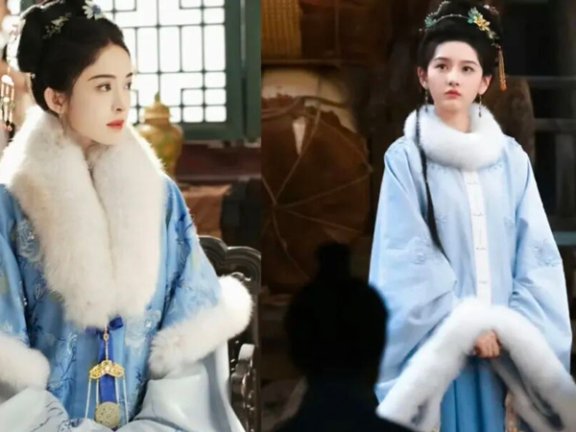
Audiences often notice a curious consistency in the robes worn by characters in historical television dramas: the fabrics appear suspiciously light, seemingly unchanged by brutal winters or sweltering summers. This visual shorthand prioritizes aesthetic flow and actor comfort over historical authenticity. But a closer look reveals subtle, often overlooked details that hint at how people in eras like the Ming and Qing dynasties genuinely coped with the cold. The answer lies not in bulky modern parkas, but in ingenious layers, strategic materials, and one particularly telling accessory: the fur collar. The Historical Fur Collar Far from a mere costume embellishment, the fur collar, or Fengling (风领), was a standalone, functional piece of winter wear. As described in classics like The Dream of Red Mansions (红楼梦), it was not sewn onto a garment but worn separately over cloaks or thick robes. This design created a protective barrier against wind slipping down the neck. A passage from the novel details Shi Xiangyun's (史湘云) outfit, noting her "large sable Fengling," illustrating its use among the aristocracy. Its purpose was explicitly defensive, guarding a critical thermal zone where significant body heat escapes. The construction of winter clothing itself varied by social class. The wealthy… -
Hairstyle Codes in The Story of Minglan
When audiences first tuned into The Story of Minglan (知否知否应是绿肥红瘦), they were drawn into a world of intricate family politics and personal growth. A subtle visual detail caught many eyes: the hairstyle of the protagonist, Sheng Minglan (盛明兰), played by actress Zhao Liying (赵丽颖). In her youth, she wore hair that fell over her forehead, much like contemporary bangs. After marriage, this style vanished, replaced by a formal, swept-back updo. This shift is far from arbitrary; it is a deliberate reflection of ancient Chinese societal codes, where hair served as a clear indicator of age, status, and personal responsibility. This exploration goes beyond the drama, uncovering how hairstyles functioned as a silent language in historical China, marking the significant transition from the carefree days of childhood to the weighted duties of adulthood. Decoding Childhood Hair In ancient China, the hairstyle we now loosely associate with bangs was exclusively a child's privilege. This look, known as Liu Hai (刘海), originated from the term "childhood-specific hairstyle", meaning "hair left for a child." From the Zhou Dynasty onward, both boys and girls wore their hair in this manner during their early years. Historical artworks, such as the painting Children at Play in an… -
Did Ming Officials Really Wear Jeweled Hats?
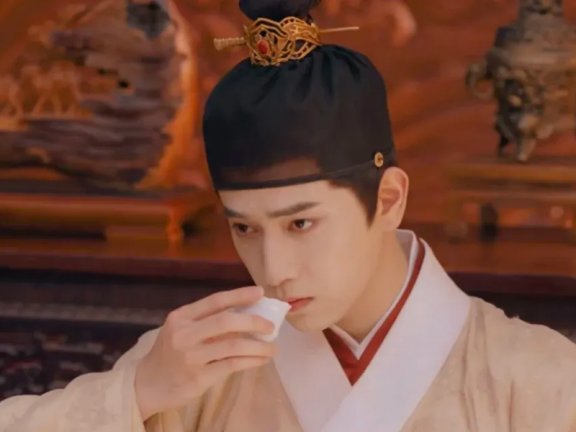
The recent period drama The Unclouded Soul (逍遥) sparked debate not just over its plot, but over a hat. Actor Wang Duo's (汪铎) character, Bing Zhu (秉烛), holds a position akin to the head of the Eastern Depot (东厂), a feared Ming Dynasty secret police agency. Such leaders were sometimes ironically called “Factory Flowers” for their perceived flamboyance. His costume, featuring an ornate black gauze cap with a central jeweled ornament known as a Maozheng (帽正), seemed to fit that trope. Yet, viewers questioned its historical accuracy, asking if Ming officials truly wore such elaborate headpieces or if the show was taking creative liberties. Icon of Authority The black gauze cap, or Wushamao (乌纱帽), is the definitive symbol of a Ming Dynasty bureaucrat. Its origin lies in the Futou (幞头), a headscarf from the Wei and Jin periods. By the Ming era, it had evolved into a stiffened hat, officially codified as mandatory court attire. Officials wore it with a round-collar robe, a belt, and black boots. This uniform was so entrenched that "losing the black gauze cap" became, and remains, a metaphor for losing one's official post. Scholars like Gao Chunming (高春明) and Sun Ji (孙机) note the Ming… -
China’s Coziest Gala? The Surprising Star Accessory
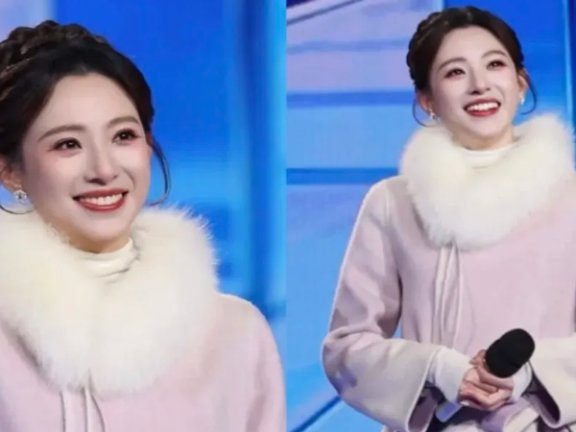
This year's China Central Television New Year's Eve Gala earned a new nickname: the coziest edition yet. In a refreshing departure from the usual sleeveless gowns and sharp suits, hosts and performers appeared bundled in warm, comfortable clothing. Online audiences cheered the practicality, but they quickly noticed something else. One accessory appeared more than any other—a simple scarf. This wasn't just a tool against the winter chill; it became a subtle thread connecting the modern celebration to centuries of Chinese sartorial elegance. Ancient Neckwear While the modern scarf feels universal, its precursors have deep roots in Chinese history. As early as the Song Dynasty, a garment called Xiangpa (项帕, neck kerchief) was worn by women during festivals like the Lantern Festival. Described by scholar Zhou Mi (周密), it was a decorative band of silk or brocade wrapped around the neck, serving both aesthetic and modest warming purposes. A similar item, the Lingjin (领巾, neck scarf), was used more broadly by men and women alike. These were not the long, trailing scarves of later European fashion but practical, often square or triangular pieces of fabric, tied or fastened at the front. Art provides clues to their form. In paintings like Tang…- 0
- 0
- 40
-
The Stage of Hair: Ming Dynasty Women's Crowning Glory
A woman sits before a bronze mirror in her chamber. Her fingers, deft and sure, begin their daily ritual. Strand by strand, hair is coiled, pinned, and elevated. This is not mere grooming; it is the construction of identity. In the Ming Dynasty, a woman’s hairstyle was her public statement, a silent language of social status, marital availability, and regional fashion. From the relatively simple coils of the early 14th century to the architectural marvels atop heads in the 16th, the evolution of the hair bun narrates a story of aesthetic ambition and social nuance. It was a canvas for artistry and a map of one's place in the world. Evolution of Style The journey of Ming hairstyles mirrors the dynasty's own socio-economic pulse. Initial styles, influenced by the preceding Song and Yuan periods, favored modesty and restraint. Hair was often gathered into neat, low buns, reflecting a post-war ethos of simplicity. This understated elegance, however, was not destined to last. As the dynasty matured, particularly during the mid to late Ming period, commercial prosperity blossomed. A vibrant urban culture emerged, especially in the wealthy Jiangnan (江南) region. With newfound economic confidence came sartorial daring. Women's hairstyles began to soar,… -
Has Strange Chronicles of Tang Uncovered a Lost Fashion Trend?
In the historical drama Strange Chronicles of Tang (唐诡奇谭), the entrance of the rain-praying master, Rachel, immediately captivates the audience. Her unique hairstyle and layered costume stand in stark contrast to the other characters, prompting viewers to question its authenticity. Could this striking look truly belong to the Tang Dynasty? The answer is a definitive yes. Her appearance is a meticulous recreation of early Tang fashion, specifically from the 7th century, centered around two distinct elements: a practical yet elegant hairstyle and an innovative garment that redefined the silhouette. The Whirlwind Chignon The hairstyle worn by the character is known as the Reverse Coiled Chignon, or Fanwan Ji (反绾髻). Its most defining feature is a curved lock of hair framing the forehead, created by coiling the hair from the nape of the neck forward. This was a popular style in early Tang, particularly during the reign of Emperor Taizong. It was also poetically called the Leyou (乐游) Plateau Reverse Coiled Chignon, named after the scenic Leyou Plateau in Chang'an. This elevated park was a favorite leisure spot for nobility and literati, and the hairstyle's name evokes its association with outdoor activity and effortless grace. Poet Gu Kuang (顾况) captured its… -
Yang Zi’s The Mo Earrings: A 600-Year-Old Ming Fashion Icon
In the historical drama The Mo (家业), the earrings worn by actor Yang Zi (杨紫) in her role as Li Zhen (李祯) are more than just elegant accessories. They are a direct portal to the fashion sensibilities and consummate craftsmanship of the Ming Dynasty, roughly 600 years ago. The specific style, a Hulu (葫芦)-shaped pendant, was a staple in the jewelry boxes of Ming noblewomen. This attention to detail in costume design does more than create a visually authentic scene; it prompts a fascinating question. How did a simple fruit's form become a centuries-long symbol of status and blessing, so meticulously crafted that it still impresses modern audiences? Design and Detail The Hulu earring seen on screen is a refined example of its kind. Typically part of a full ceremonial headdress set, its design is both symbolic and intricate. The version Yang Zi wears appears to be made of white jade or pearl, forming the body of the gourd. A delicate gold leaf caps the top, with two beads suspended beneath to create the distinctive "waist" and lower bulb of the fruit. The most arresting detail is the tiny ring of minuscule gold granules that cinches this waist, a testament… -
The Curious Case of the Ming Bunny Hat
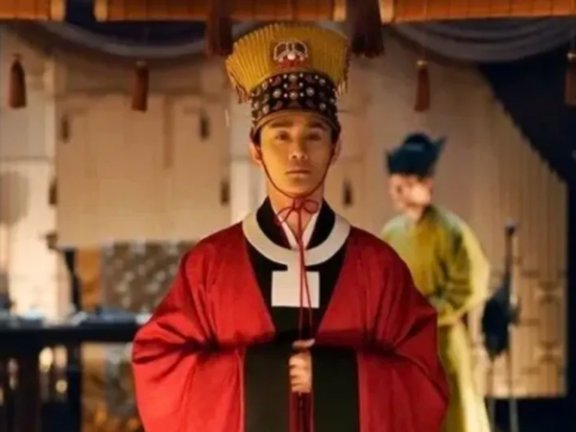
A simple black hat, once reserved for Ming Dynasty emperors, has hopped from the solemn pages of history into the playful heart of internet culture. Known formally as the Yishan Crown (翼善冠), this piece of royal headwear is now affectionately dubbed the "bunny hat" by netizens and Hanfu enthusiasts. Its journey reveals how a potent symbol of imperial authority can be transformed, through a lens of modern creativity and humor, into a beloved cultural icon. This shift is more than a mere change of name; it represents a fresh, accessible dialogue with the past. A Crown's Evolution The story of this distinctive cap begins long before the Ming Dynasty. Its earliest ancestor is the Futou (幞头), a headscarf worn by men in the Tang Dynasty. Initially a practical cloth for tying up hair, its soft, hanging flaps might remind one of a rabbit's drooping ears. By the Song era, the Futou had stiffened and formalized, most notably in the official's black gauze cap with long, straight wings. When the Ming founder, Zhu Yuanzhang (朱元璋), sought to restore traditional dress codes, he adapted these styles for a new imperial aesthetic. For his officials, he maintained the black gauze cap with horizontal… -
Why Does Every Historical Drama Love the Center Parting?
Open any historical drama, from palace intrigues to romantic Wuxia tales, and you will likely see it: the precise, unwavering center parting. This hairstyle dominates the screens, framing the faces of heroines and court ladies alike. It is more than a recurring visual motif; it is a silent language of aesthetics, history, and cultural identity. While modern viewers might see repetition, this signature look is deeply rooted in a legacy of artistic representation and philosophical ideals. Its persistence speaks to a profound connection between contemporary storytelling and ancient conceptions of beauty, order, and the human form. The Rule of Symmetry The center parting is the ultimate expression of balance. In traditional Chinese aesthetics, symmetry is not merely pleasing—it is a fundamental principle reflecting cosmic and social harmony. The perfectly centered hairline creates a clean, vertical axis for the face, evoking stability and composure. For characters in shows like The Story of Yanxi Palace (延禧攻略), this visual balance mirrors the ordered, yet perilous, hierarchy of the court. The style frames the face like a classical portrait, focusing attention on the eyes and expressions crucial for conveying unspoken drama and emotion. This partitioning also served highly practical needs historically. A center part… -
Unpacking the History of Ming Dynasty Wangjin
Why is that actor wearing a fishnet on his head? That's a question many viewers had when watching the recent period drama Marry My Cousin (表妹万福). In a sea of ornate costumes, a male character's headwear stood out: a sheer, net-like cap covering his hair and forehead. To modern eyes, it looked bizarre, even comical. Was this a costume department blunder? A sign of a low budget? The truth, however, is far more interesting. This isn't a prop mistake or a fashion mishap. It’s a historically accurate piece of attire known as a Wangjin (网巾), a hair net that was a staple of Ming Dynasty men's fashion and a symbol of Han Chinese cultural identity. More Than a Hairnet The Wangjin was a practical and essential item. Made from finely woven black silk, horsehair, or even human hair, its primary function was to hair binding, or bind the hair. It kept the main topknot securely in place and neatly gathered any loose or shorter hairs around the temples and neck. This created a clean, tidy appearance considered fundamental for a gentleman. Beyond mere tidiness, the Wangjin served as a base layer for other, more formal headwear. Hats and caps of…- 0
- 0
- 92
-
That Curious Hat in Swords into Plowshares
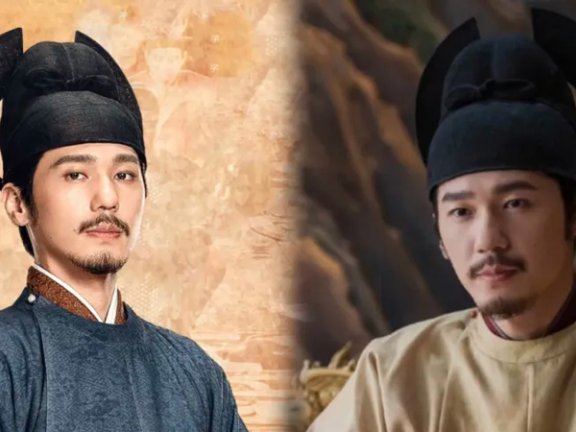
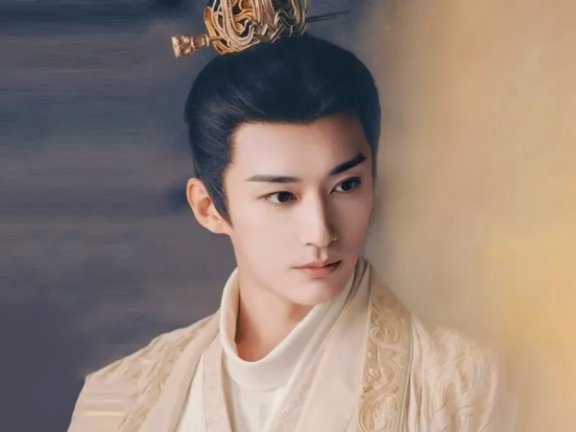
In the historical drama Swords into Plowshares (太平年), the character portrayed by actor Bai Yu (白宇) wears a hat that immediately captures attention. Its most distinctive feature? Two stiff, upward-curving wings. To modern eyes, its silhouette might seem whimsical, even cartoonish, sparking amused comparisons online. Yet, this is no costume designer’s flight of fancy. This headwear is a carefully recreated Chaotian Futou (朝天幞头), a style steeped in the political and social symbolism of ancient China. Its presence on screen is a deliberate choice, a visual key that unlocks a deeper understanding of a character's status, profession, and the intricate world they inhabit. From the imperial court to the performing stage, the evolution of the Futou tells a story of shifting power, cultural exchange, and silent communication long before a single word is spoken. The Journey of the Upturned Wings The Chaotian Futou, with its iconic raised ribbons or "wings," first gained prominence during the Five Dynasties period. Initially, it was a mark of supreme authority. Historical records and portraits, such as those of King Qian Liu (王钱镠) of Wuyue (吴越), show this style adorning the heads of emperors and kings. The upward sweep of the wings was likely symbolic, perhaps…- 0
- 0
- 77
-

Why Does Every Face in Chinese Period Dramas Look the Same Now?
Watch any current Chinese historical television series, and a familiar visual echo emerges. From princesses of the Tang Dynasty to wandering swords-women of the Wuxia genre, a single, standardized face seems to dominate the screen. This uniform look features sharply defined eyebrows, porcelain-white foundation, dramatic eyelashes, and vivid red lips, all smoothed under heavy digital filters. The result is a procession of performers who appear molded from the same template. This phenomenon transcends mere casting trends; it reflects a profound shift in aesthetic principles, where personalized character design has been sacrificed for a replicable, instantly recognizable "instagrammable" beauty. The question isn't just about makeup—it's about what we have collectively decided to value in visual storytelling. The Disappearing Face The craft of screen makeup was once a tool for transformation and revelation. Its purpose was to serve the narrative and illuminate character. An actor's face was a canvas where time, status, and personality could be painted. Today, that priority has often inverted. The primary goal appears to be making the actor conform to a trending, socially-mediated ideal of beauty, regardless of historical context or role. Makeup artists, sometimes less experienced than popular beauty bloggers, apply the same techniques to every performer.… -
Why Are We So Wrong About Qing Dynasty Hair?
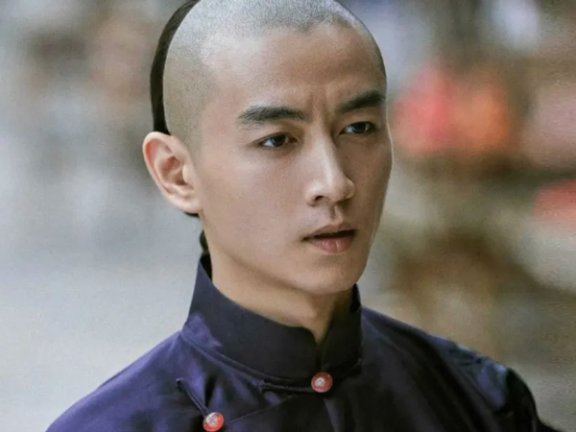
Open any television show or film set during the Qing dynasty, and you’ll see a familiar sight: men with shaved foreheads and long, thick braids of hair down their backs. This style, often called a "queue," has become the universal visual shorthand for the era. From the scheming courtiers in Empresses in the Palace (甄嬛传) to the romanticized princes of Scarlet Heart (步步惊心), the hairstyle is a constant. But this ubiquitous image is a historical fiction, a modern compromise for audience appeal that whitewashes a brutal and symbolic reality. The iconic "half-shaved" look is actually a late-Qing invention, a far cry from the humiliating and severe hairstyles mandated when the dynasty first seized power. The "Money Rat Tail" The true hairstyle of the early Qing was starkly different. Following the Manchu invasion and the establishment of the Qing court, the infamous "Queue Order" was decreed: "Keep your hair and lose your head, or keep your head and lose your hair." The mandated style was the Jinqian Shuwei (金钱鼠尾, "Money Rat Tail"). This involved shaving almost the entire head, leaving only a small patch of hair on the crown, roughly the size of a copper coin. This tiny patch was then…- 0
- 0
- 159
-
The Royal Collar: How a Song Dynasty Neckpiece Ruled the Court
In the historical drama Serenade of Peaceful Joy (清平乐), a peculiar white neckpiece adorns the robes of officials, instantly capturing the modern viewer's eye. To contemporary audiences, it might resemble an odd fashion accessory or even a pet's collar. But this item, far from mere decoration, was a powerful instrument of state authority. Its correct name is the Fangxin Quling (方心曲领), and its story is one of rigid hierarchy, cosmic symbolism, and physical discipline within the imperial system. A Mark of Rank Not every official in the Song Dynasty could wear the Fangxin Quling. Its privilege was reserved by law for those of the seventh rank and above, specifically those entitled to wear a certain type of ceremonial undergarment. This regulation, documented in texts like the Book of Sui (隋书·礼仪志七), made it a clear, visual demarcation between high-ranking central bureaucrats and lower-level local magistrates. It was a badge of inclusion within the empire's most powerful administrative circle. This was not a Song invention. The collar's institutional origins can be traced back to the Sui and Tang dynasties, evolving from more complex ceremonial attire. The Song court fully standardized and codified its use, embedding it firmly within the formal court robe… -
Pearls on Screen and Silk: Did a Song Dynasty Trend Just Go Viral?
A recent period drama photo has set the internet abuzz. In stills from the upcoming series Yi Ou Chun (一瓯春), actress Zhou Ye’s (周也) costumes feature a striking detail: hems and seams meticulously edged with pearls. Online commentators were quick to praise the exquisite craftsmanship, with many marveling at the advanced aesthetic sensibilities of ancient China. This isn't just a random design choice; it’s a direct homage to a specific and lavish fashion trend from the Song Dynasty (960–1279 AD). The shimmering trim is a recreation of Zhu Luo (珠络, pearl edging), a practice that saw pearls adorn everything from the collars and cuffs of formal robes to the seams of luxurious garments. This rediscovery highlights a timeless fascination with pearls and reveals how a royal decree, sumptuary laws, and sheer love for beauty shaped fashion a millennium ago. Courtly Sparkle The use of Zhu Luo was a definitive marker of elite status during the Song era. Its application was widespread and extraordinarily detailed. Portraits of empresses from the period show them in wide-sleeved ceremonial robes where pearls trace every edge, from the crown and face ornaments down to the hems of their shoes. Historical records describe specific garments, like…- 0
- 0
- 74
-
Zhang Linghe’s Feathered Helmet in Pursuit of Jade
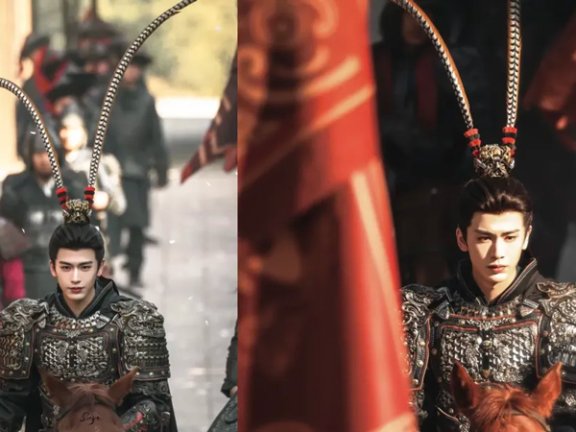
Have you recently scrolled past a historical drama photo where a young actor's helmet is crowned with two wildly long, colorful feathers? This exact image of actor Zhang Linghe (张凌赫) from the costume drama Pursuit of Jade (逐玉) set the internet abuzz. Fans were instantly reminded of the iconic Monkey King, Sun Wukong (孙悟空), leading many to joke, "Has ancient costume drama borrowed the Great Sage's style?" This striking headdress, far from a modern fantasy invention, is a deliberate callback to a deep and symbolic tradition in Chinese performance arts. Known as pheasant feathers or "Zhijiling (雉鸡翎)", these plumes are more than decorative flair. They are a dynamic language of their own, whispering tales of character, status, and millennia of cultural evolution directly from the wearer's brow. Roots in Ritual and Battle The story of these feathers begins not on stage, but in ancient ceremony. Their earliest traceable lineage connects to the ritual dances of the Zhou Dynasty, governed by the strict codes of Zhou Li (周礼). In these performances, particularly the esteemed "Ba Yi (八佾)" dance reserved for imperial rites, dancers held ceremonial implements called "Di (翟)." These were often crafted from the long, iridescent tail feathers of pheasants, symbolizing…- 0
- 0
- 221
-
Why Zhang Yaqin’s Era-blending Outfit Divided the Internet
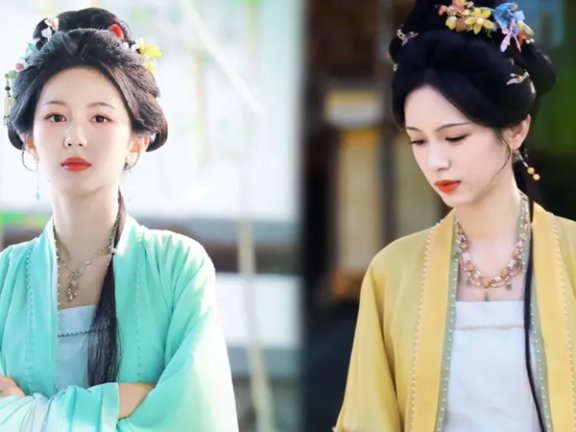
When actress Zhang Yaqin (张雅钦) recently appeared in a Hanfu ensemble, the internet divided. For some, it was an immediate callback to her role as Lu Yuan (陆鸢) in the time-travel drama An Ancient Love Song (古相思曲). For many others, the look missed the mark, feeling disjointed and overly busy. Why did this particular outfit, rich in historical references, fail to resonate? The answer lies not in a lack of beauty, but in a collision of eras. Her styling became a textbook case of how mixing distinct historical aesthetics without a unifying vision can create visual confusion, pulling the observer out of the immersive fantasy such clothing aims to build. Historical Harmony Lost The most striking issue is the temporal dissonance. Her hairstyle is a Shuang Huan Wang Xian Ji (双鬟望仙髻), a high, twin-loop style popular during the Wei, Jin, and Northern and Southern Dynasties, often seen in deity and court lady paintings. This ethereal look was complemented by dangling side locks, or Chui Shao (垂髾), enhancing the otherworldly vibe. However, the hairpins tell a different story. She wore two styles of Buyao (步摇), or step-shakers. One was a Western Han design, its dangling beads meant to sway gently with… -
Why Yang Mi's Hair Buns Are Sparking a Fashion Reshape?
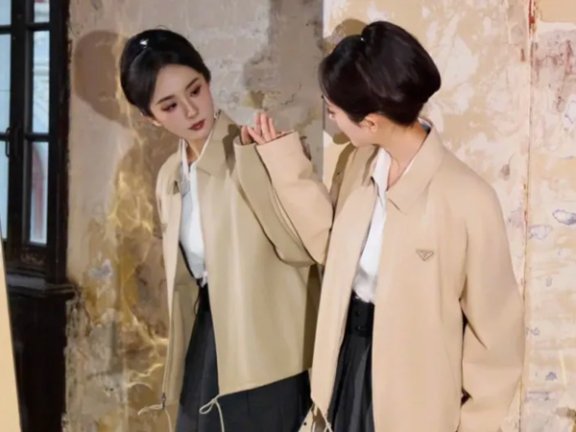
A recent public appearance by actress Yang Mi ignited a fiery online debate. Her choice? A meticulously crafted traditional Chinese hair bun paired not with a Qipao or modernized Hanfu, but with a crisp, contemporary blouse. Critics were quick to declare the mix a mismatch, questioning the logic behind blending a classical hairstyle with Western-style fashion. Yet, this seemingly simple style clash touches on deeper questions about tradition, modernity, and who gets to define the rules of cultural expression. Is this a fashion faux pas, or a bold step towards redefining a heritage art form for a new generation? A Historical Journey The Chinese hair bun, or Ji (髻), is far more than a hairstyle. Its history is woven into the fabric of social rites and personal identity. In ancient China, the act of a young woman putting up her hair for the first time during the Jiji Li (及笄礼), or Hair Pinning Ceremony, was a pivotal rite of passage into adulthood. This transformation from loose locks to a secured bun was a powerful social symbol. Archaeological evidence suggests the practice dates back to the Neolithic Age, evolving significantly through dynasties. The Han Dynasty favored soft, low-hanging chignons that conveyed… -

What a Tang Dynasty Hat Tells Us
In many television series set against the backdrop of the Tang Dynasty, like the popular drama Flourished Peony (锦绣芳华), audiences often notice the distinctive headwear worn by characters. This item, which might look oddly familiar to a modern eye, is called a Futou (幞头). It was the most common form of male headgear during that era, a simple yet sophisticated piece of cloth that evolved into a powerful symbol of identity and status. Far from being a static fashion item, its transformation mirrors the social and cultural currents of one of China's most celebrated dynasties. More Than Just Cloth The Futou originated as a practical headscarf. Its basic form involved wrapping a piece of black silk or linen around the head. There were two primary methods: the soft wrap and the hard wrap. The soft wrap was for everyday use, where the cloth was tied directly onto the head, conforming to its shape. The hard wrap was more structured. It required a stiffened base, known as a Jinzi (巾子), placed on the head first. The cloth was then wrapped over this frame to create a more pronounced and formal shape. The style of the Jinzi changed noticeably over time. In… -
Was That K-Drama Hair Towel Worn in Tang China?
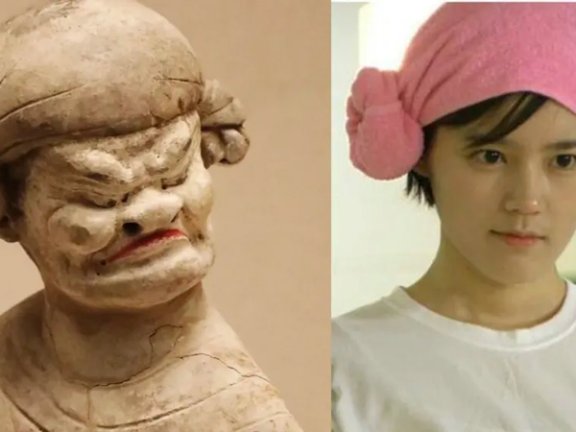
Viewers of recent Korean dramas have been charmed by a peculiar styling choice: characters often lounge at home wearing what looks like a bath towel twisted into playful “sheep horns” on their heads. This trend, sparking countless social media tutorials, feels distinctly modern. Yet a recent archaeological revelation suggests this playful accessory has a precedent over a millennium old and thousands of miles away. A painted grey pottery figurine from a Tang Dynasty tomb is wearing what appears to be the very same style, challenging our assumptions about novelty and tracing a fascinating thread through fashion history. An Ancient Discovery The figurine was excavated from the tomb of Mu Tai (穆泰), a border defense general during the Tang Dynasty. His burial site, located in Qingcheng (庆城) County, contains clear evidence of cultural exchange between Han Chinese and northern nomadic traditions. The statue’s headwear is the standout feature: two distinct, cloth-like protrusions curve upward from the sides of the head, strikingly similar to the twisted “sheep horn” towel look popularized on screen today. Scholars quickly identified this not as a typical Han Chinese crown, but as a form of Fanmao (蕃帽), or “foreign cap.” These caps, referenced in Tang and Song… -
Did Han Dynasty Men Wear High-Collars?
A recent period drama costume has ignited curiosity about ancient Chinese fashion. Actor Liu Xueyi (刘学义) appeared in promotional images wearing a high-necked inner garment, a style unfamiliar to many modern viewers. Fans quickly dubbed it the "neckless" undershirt, sparking online discussions about its historical accuracy. This sartorial detail is not a costume designer's fantasy but a potential revival of a real, yet enigmatic, item from the Han Dynasty known as the Quling (曲领). The debate surrounding Liu's attire mirrors a century-old academic puzzle: what exactly was this garment depicted on countless clay figurines? Clay Figurine Clues Archaeologist Zeng Zhaoyu (曾昭燏) provided crucial evidence in her study of pottery figurines from Pengshan (彭山) cliff tombs in Sichuan. She noted a distinct, raised ring around the necks of many figures. This was not a sculptural flourish or a folded collar. The ring had clear, parallel seams and a defined edge, suggesting it was a separate, detachable item with its own structure. The most compelling proof came from two unique "nursing mother" statues. On these, the outer robe was open, revealing a separate piece of cloth covering the chest. Zeng observed this chest piece was continuous with the raised ring at the…- 1
- 0
- 100
-
Why Are Period Drama Costumes So Thin?
Viewers of historical Chinese dramas often share a common thought during winter scenes: those actors must be freezing. The diaphanous gowns, often little more than a single layer of silk, seem utterly inadequate against painted backdrops of snow and ice. While a flowing cloak might be added for effect, the costumes underneath remain stubbornly, beautifully thin. This consistent aesthetic choice prompts the question: is this what people really wore, or is it purely for the camera? Historical Layering The reality of historical winter wear was fundamentally about layers, not just fabric weight. A Tang Dynasty woman, for instance, would have employed a sophisticated system of overlapping garments. This would start with close-fitting undergarments, followed by a lined jacket and skirt, and then a padded outer robe or coat. A final, large shawl or cape provided additional protection. This multi-layered approach trapped air and created insulation far superior to any single garment. For the elite, winter wear was both warm and luxurious. Mianpao (绵袍), or silk-wadded robes, were common. Here, "mian" refers to silk floss, a lightweight and highly effective insulating material akin to a natural down filling. More extravagant outfits incorporated furs from sable, fox, or rabbit for collars, cuffs,…- 0
- 0
- 62
-
Wang Yibo's Hair Net: A Ming Dynasty Fashion Statement or Modern Mystery?
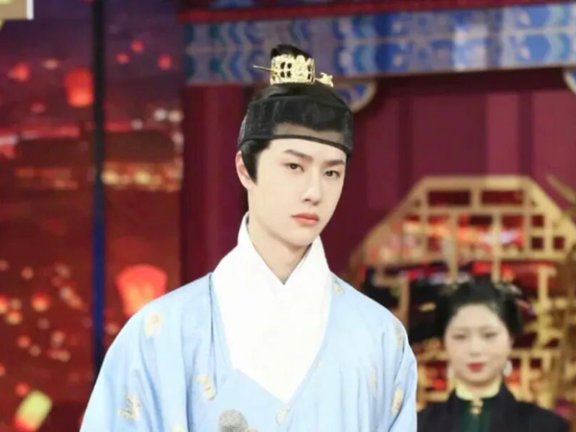
When Chinese actor and singer Wang Yibo (王一博) appeared on the variety show Day Day Up (天天向上) years ago, a specific costume detail ignited online curiosity. His headpiece, resembling a sparse fishnet, led many to wonder if it was a styling error. However, this accessory was a deliberate choice, rooted in centuries of tradition. Far from a mistake, it represents the Wangjin (网巾), a functional hair net from China's Ming Dynasty. This glimpse into historical fashion, facilitated by a modern celebrity, opens a window to understanding how everyday items from the past carried significant cultural weight. The conversation it sparked highlights a common disconnect between contemporary perceptions and historical reality, urging a closer look at the artifacts that shaped daily life in ancient China. Origins and Use The Wangjin was a foundational item in the wardrobe of Ming Dynasty men. Designed as a mesh net, its primary function was to bind one's hair, or bundle the hair, containing loose strands and creating a neat base for headwear. Its adoption was not merely a fashion trend but a practical solution for managing hair, which was typically worn long. The net also provided grip, preventing hats and official headdresses from slipping during…- 0
- 0
- 64
-
Hu Bingqing: Her Song Dynasty Baoji in Da Song Ci Ren Zhuan
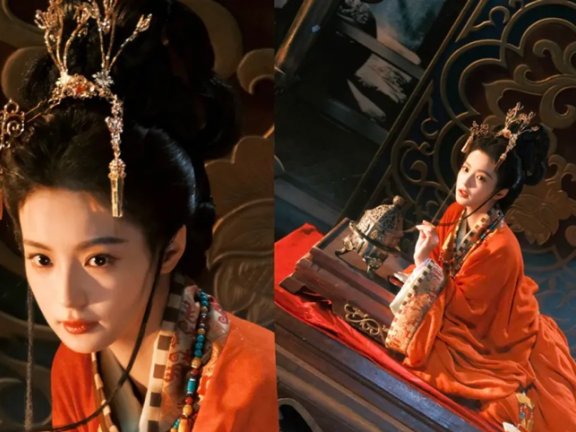
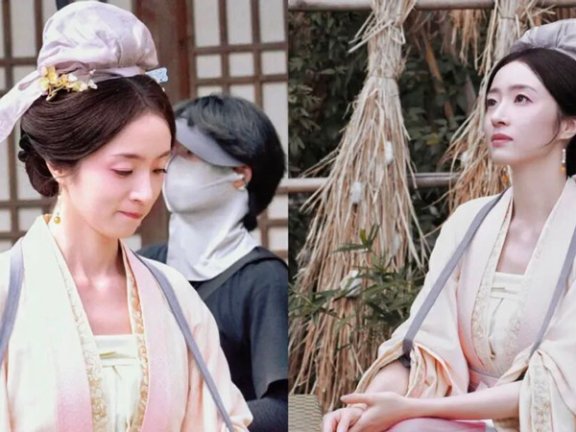
A single image from a documentary has captivated audiences, sparking both curiosity and admiration. In the CCTV production Da Song Ci Ren Zhuan (大宋词人传), actress Hu Bingqing (胡冰卿) portrays Xu Wenmei (徐文美), the wife of renowned poet Qin Guan (秦观). Her most striking feature is an elegant, sculptural headwrap that some viewers humorously compared to a chef's hat. Yet, far from being a culinary misstep, this delicate headdress is a meticulously researched piece of historical attire. It represents a perfect marriage of actress, aesthetic, and era, leading fans to applaud the "authoritative taste of CCTV" for its authentic and harmonious presentation of Song Dynasty elegance. The Headwrap's History The style worn by Hu Bingqing is known as a Baoji (包髻), a term literally meaning "wrapped hair knot." Its origins can be traced to practical necessity. For women engaged in daily work or managing households, keeping intricate hairdos tidy was a challenge. The Baoji offered a simple, graceful solution: a square piece of cloth, often silk or fine linen, folded and wrapped securely around the styled hair. This practice was not invented in the Song Dynasty. Its precursor was the more structured Jinguo (巾帼), a headdress from the Han Dynasty. The…
Guide & Tutorial






Scan to open current page
-
$CouponsLimitation of use:Expired and UnavailableLimitation of use:
before
Limitation of use:Permanently validCoupon ID:×Available for the following products: Available for the following products categories: Unrestricted use:Available for all products and product types