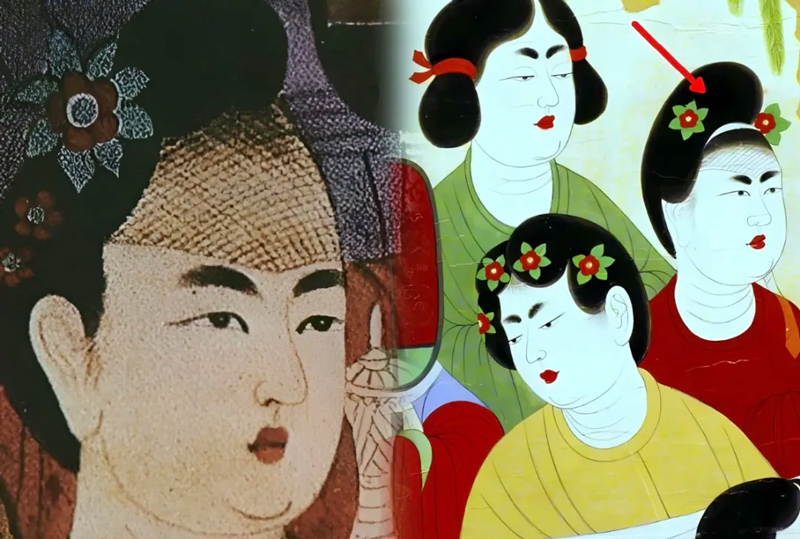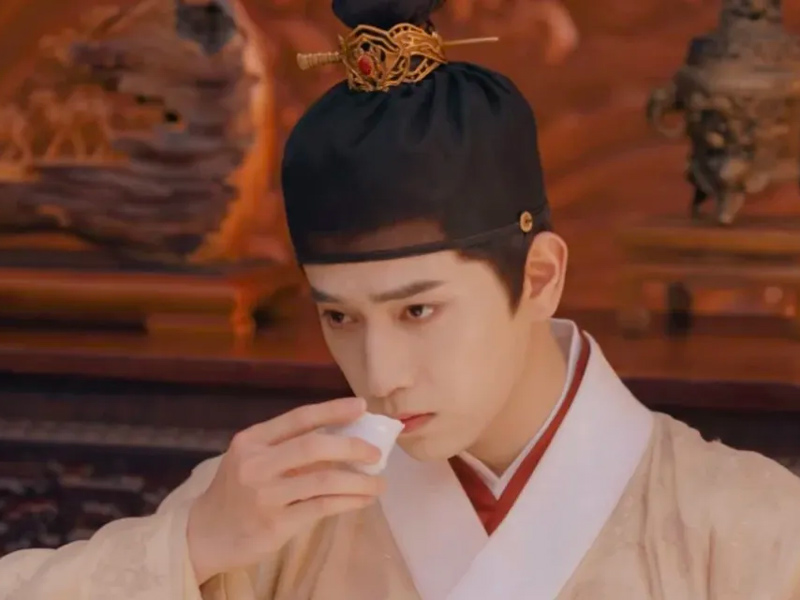
Why is that actor wearing a fishnet on his head? That's a question many viewers had when watching the recent period drama Marry My Cousin (表妹万福). In a sea of ornate costumes, a male character's headwear stood out: a sheer, net-like cap covering his hair and forehead. To modern eyes, it looked bizarre, even comical. Was this a costume department blunder? A sign of a low budget? The truth, however, is far more interesting. This isn't a prop mistake or a fashion mishap. It’s a historically accurate piece of attire known as a Wangjin (网巾), a hair net that was a staple of Ming Dynasty men's fashion and a symbol of Han Chinese cultural identity.
More Than a Hairnet
The Wangjin was a practical and essential item. Made from finely woven black silk, horsehair, or even human hair, its primary function was to hair binding, or bind the hair. It kept the main topknot securely in place and neatly gathered any loose or shorter hairs around the temples and neck. This created a clean, tidy appearance considered fundamental for a gentleman.
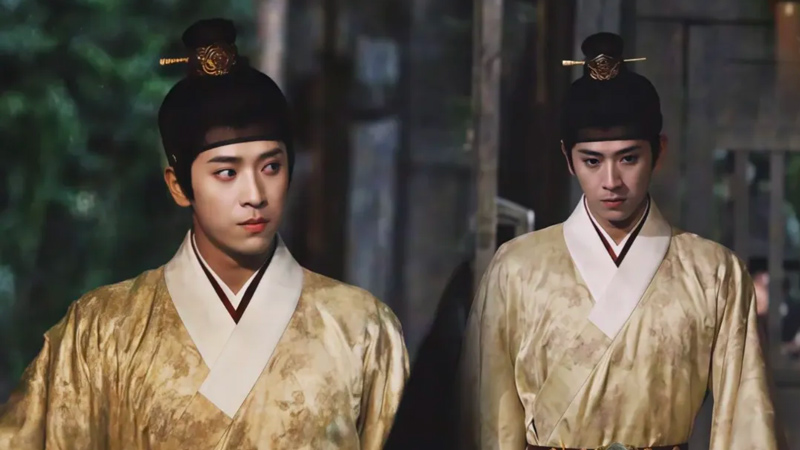
Beyond mere tidiness, the Wangjin served as a base layer for other, more formal headwear. Hats and caps of the Ming era, often elaborate and symbolic, could be slippery. The netting of the Wangjin provided crucial grip, preventing them from sliding off during important ceremonies or daily activities. For commoners, it was often worn alone for simplicity, while scholars and officials would layer their ceremonial guan or jin atop it.
Its design was clever. The main body was a net, often with a drawstring at the top to tighten around the topknot. Two smaller cords at the bottom edge would be threaded through small rings, often made of jade or metal, known as Wangjinquan (网巾圈), and tied under the chin to secure it. The version seen in Marry My Cousin, with a denser weave, was simply one variation, much like different weights of fabric are used today.
A Royal Decree
The popularization of the Wangjin is credited to the founding emperor of the Ming Dynasty, Zhu Yuanzhang (朱元璋). Historical records, including the Ming Shi (明史·舆服志), tell a story of the emperor visiting the Shenleguan (神乐观) Taoist temple in casual dress. There, he observed a Taoist priest, weaving a net by lamplight.
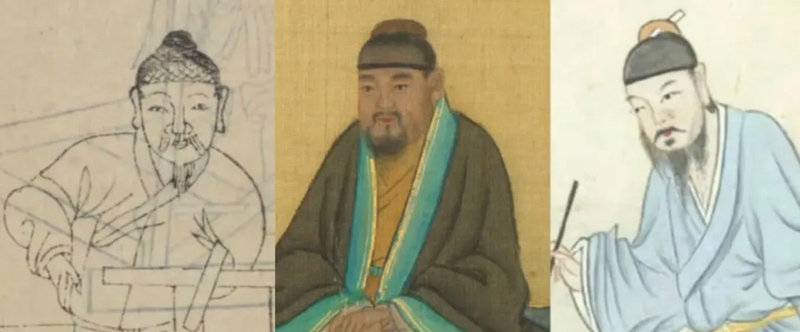
When asked, the priest explained its purpose as a tool for managing and securing hair. Struck by its utility and neatness, Zhu Yuanzhang saw a symbol for his new regime. The next day, he issued an edict mandating its use by all adult men across the empire, regardless of social status. The emperor himself adopted it for his own casual wear.
This was a deeply political act. The Ming Dynasty rose after defeating the Mongol-led Yuan Dynasty. By mandating the Wangjin, Zhu Yuanzhang was consciously reviving and standardizing Han Chinese sartorial customs, moving away from perceived "barbarian" influences. The net's very name was said to carry a pun on the words for "gathering" and "stabilizing the land," tying personal grooming to national order.
From Lazy Nets to Modern Mistakes
Fashion evolves, even for hair nets. By the late Ming Dynasty, a simplified version called the "lazy net" or Lanshou Wangjin (懒收网巾) became trendy. It originated, ironically, from the haste of prisoners who needed to quickly remove their headwear, leading them to cut off the top drawstring section. This left only the bottom band to hold the hair.
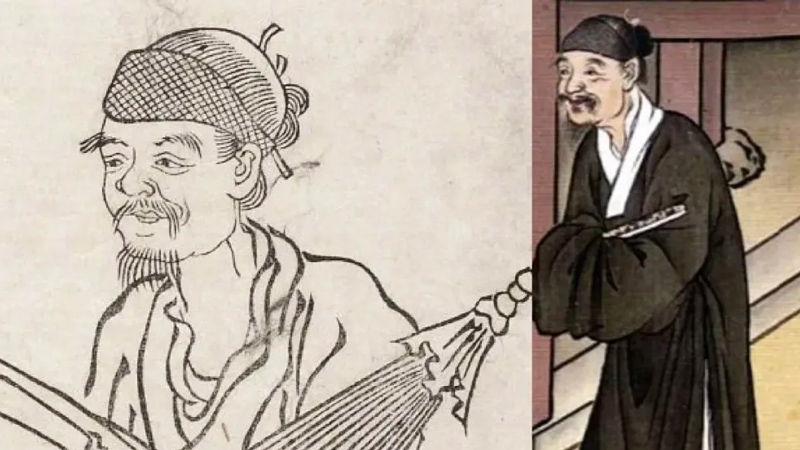
This "lazy" style, wider in the front and narrower at the back, became a casual fashion, though it was initially frowned upon by the elite. Its legacy, however, spread beyond China's borders. Both Korean and Vietnamese attire adopted and adapted the Wangjin, though their versions typically feature a band of consistent width, often lined with black cloth at the sides—a key difference from the classic Ming full-net structure, or all-net, structure.
This historical nuance is where many modern costume dramas stumble. In an attempt to recreate period looks, designers sometimes use the Korean-derived band style or even a simple piece of fabric, missing the distinctive netted texture and shape of the authentic Chinese Wangjin. The result can confuse audiences and blur cultural lines. So, the next time you see a character in a historical drama with a net on their head, you'll know it's not a fishing aid or a Korean import, but a deliberate, and politically charged, fashion statement from the Ming Dynasty.