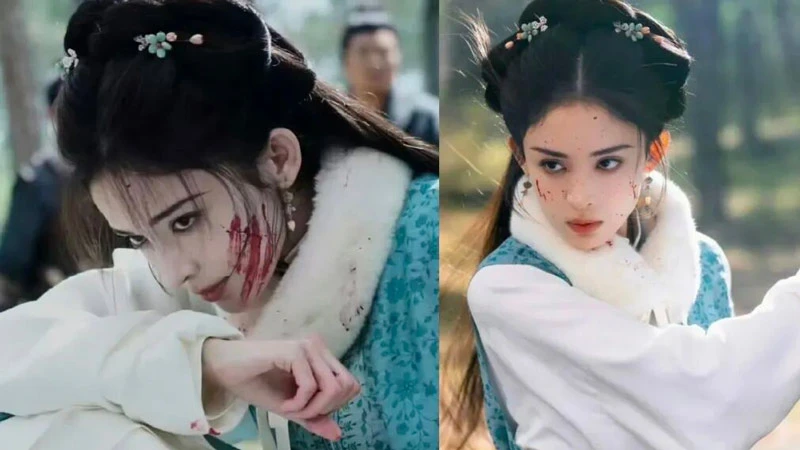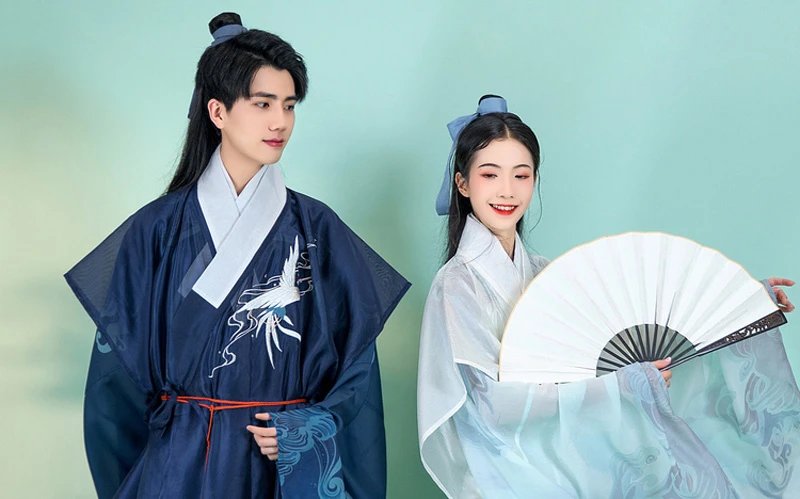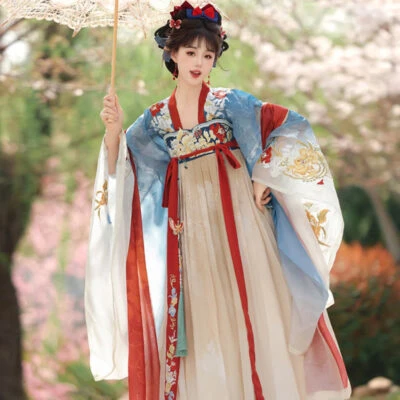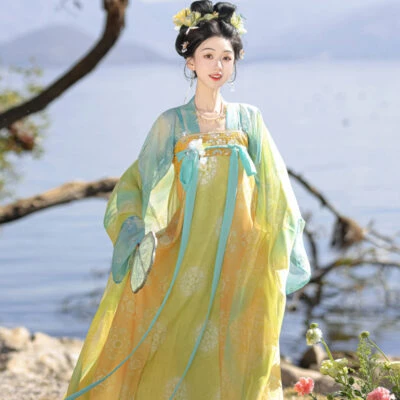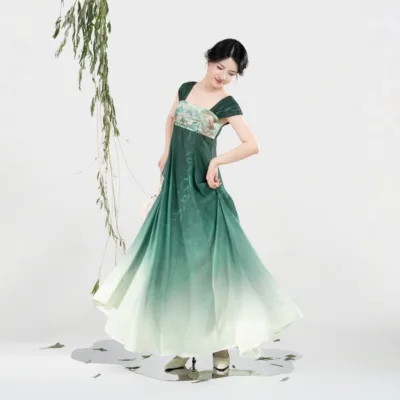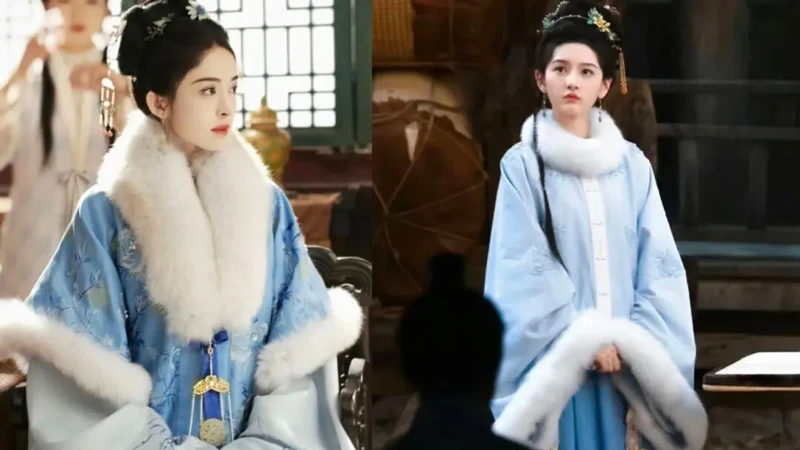
Audiences often notice a curious consistency in the robes worn by characters in historical television dramas: the fabrics appear suspiciously light, seemingly unchanged by brutal winters or sweltering summers. This visual shorthand prioritizes aesthetic flow and actor comfort over historical authenticity. But a closer look reveals subtle, often overlooked details that hint at how people in eras like the Ming and Qing dynasties genuinely coped with the cold. The answer lies not in bulky modern parkas, but in ingenious layers, strategic materials, and one particularly telling accessory: the fur collar.
The Historical Fur Collar
Far from a mere costume embellishment, the fur collar, or Fengling (风领), was a standalone, functional piece of winter wear. As described in classics like The Dream of Red Mansions (红楼梦), it was not sewn onto a garment but worn separately over cloaks or thick robes. This design created a protective barrier against wind slipping down the neck. A passage from the novel details Shi Xiangyun’s (史湘云) outfit, noting her “large sable Fengling,” illustrating its use among the aristocracy. Its purpose was explicitly defensive, guarding a critical thermal zone where significant body heat escapes.
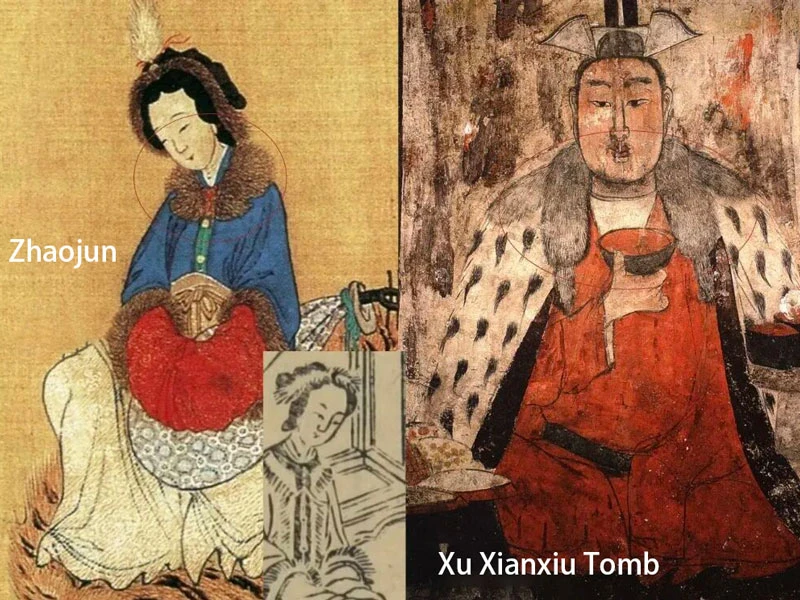
The construction of winter clothing itself varied by social class. The wealthy utilized layered silk, woolen fabrics, or wadded jackets with silk floss. For commoners, less expensive materials like layered paper or, later, padded cotton were essential for survival. The fur collar, however, transcended class as a practical solution for the neck. Its depiction in art, such as the murals in the Xu Xianxiu Tomb (徐显秀墓), shows it draped openly, adding volume and implying warmth without constriction.
This accessory also carried social meaning. The visibility of fine fur, referred to as “showing the fur” or Chu Feng Mao’r (出风毛儿), became a mark of status. A line from The Dream of Red Mansions has Wang Xifeng (王熙凤) criticizing the “fur trim” on one of her coats, indicating its role in fashionable display. Scholars even suggest this practice of conspicuously displaying luxury fur edging is the etymological root of the modern Chinese idiom for showing off, “chu fengtou” (出风头).
Function Versus Fashion
Beyond status, the fur collar addressed genuine health concerns. Traditional Chinese medicine emphasizes protecting the neck from cold winds, which are believed to cause illness by disrupting the body’s harmony. Modern science agrees; the neck houses major blood vessels leading to the brain, and chilling them can trigger muscle tension and reduce circulation. For anyone outdoors or in drafty halls, a fur barrier offered real physiological benefits, easing strain on shoulders and the upper back.
A related, tighter-fitting evolution was the Weibo (围脖), literally meaning “surround the neck.” Ming Dynasty records describe it as a “small, tight Fengling” made of velvet or knit fabric, resembling a modern scarf or snood. This item catered to practical needs for closer-fitting warmth, especially for palace servants and officials who required greater freedom of movement than bulky, open collars allowed. It represents a specialized adaptation of the core concept.
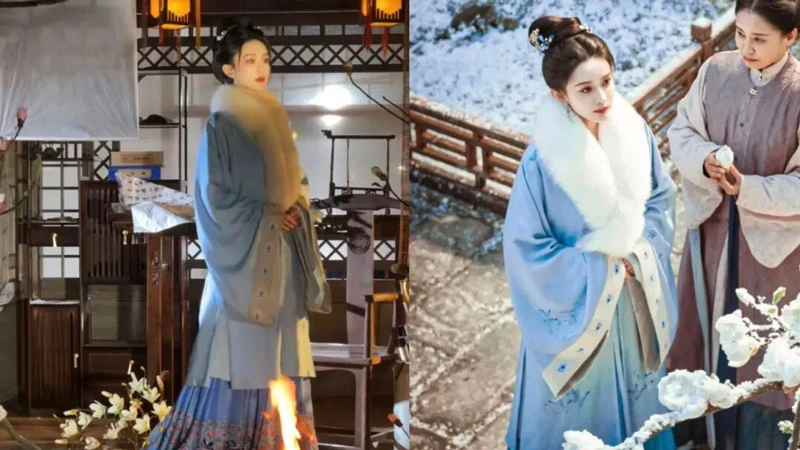
The interplay between utility and beauty is central. While the finest sable or fox furs on a noble’s Fengling were undoubtedly luxurious, their primary function remained insulation. The aesthetic appeal—the texture, the rich appearance, the framing of the face—was a powerful secondary gain. This duality challenges the modern viewer to see past mere decoration and recognize the intelligent design embedded in historical dress, where every element often served a dual purpose.
Heads and Hands
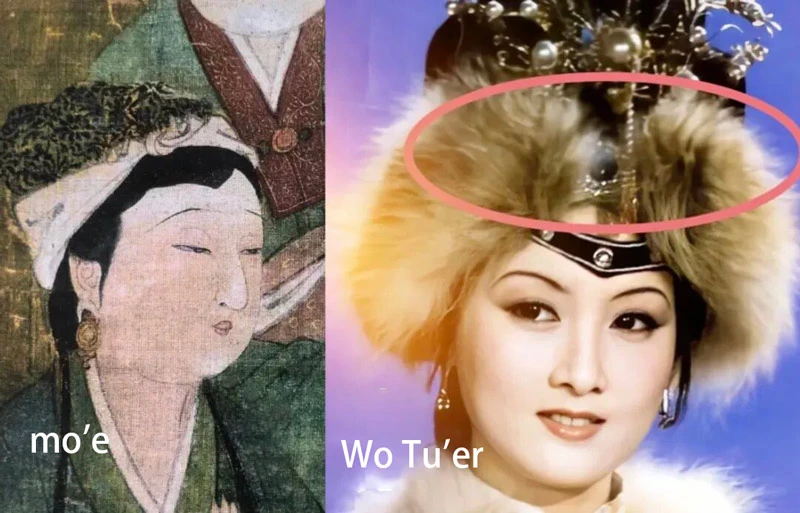
Winter readiness extended beyond the neck. Headgear was equally vital and varied. In earlier periods, women used simple cloth wraps called Matou (帕头). By the Ming Dynasty, more structured items became widespread. The Lezi (勒子), a headband often lined with fur or padding, was worn by common women. Elite ladies opted for the Zhaojun Tao (昭君套), a tailless fur cap, or the Wo Tu’er (卧兔儿), a stylish fur band worn like a crown. These were not optional fashion items but necessary defenses against heat loss.
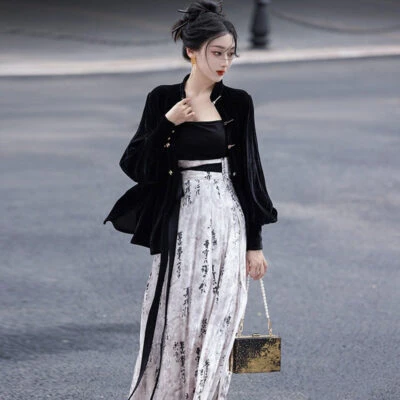
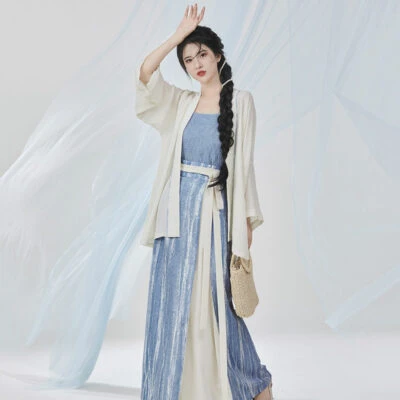
This historical wisdom inspires contemporary Hanfu design. Modern designers integrating fur collars or trim on winter coats are tapping into an authentic historical vocabulary. While the synthetic fur used today may differ, the visual language correctly signals “winter” to a culturally literate audience. It creates a more plausible and immersive seasonal setting than characters breezing through snowstorms in gossamer-thin gowns.
The inclusion of such details, however minor, signifies a shift. It moves costume design toward a dialogue with history rather than a imposition of modern sensibilities. A drama that outfits its cast in layered wadded jackets, fur-trimmed collars, and protective headwear instantly feels more grounded. It visually acknowledges the climate, making the characters’ struggles and resilience more tangible. This attention to detail enriches storytelling, building a world that feels lived-in and authentic.