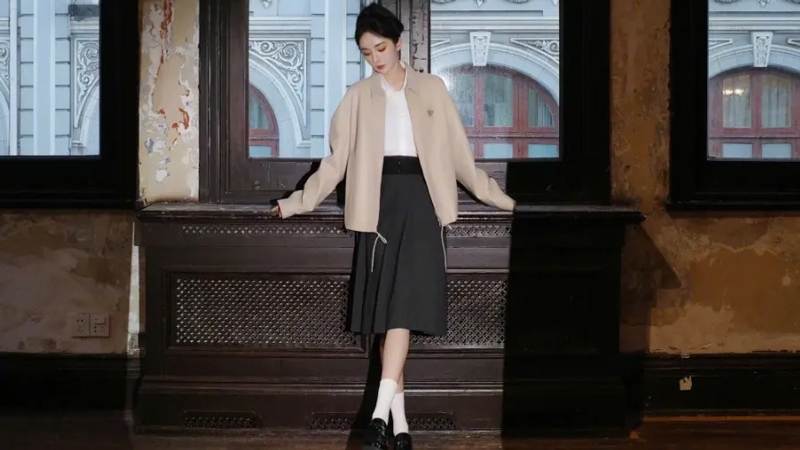
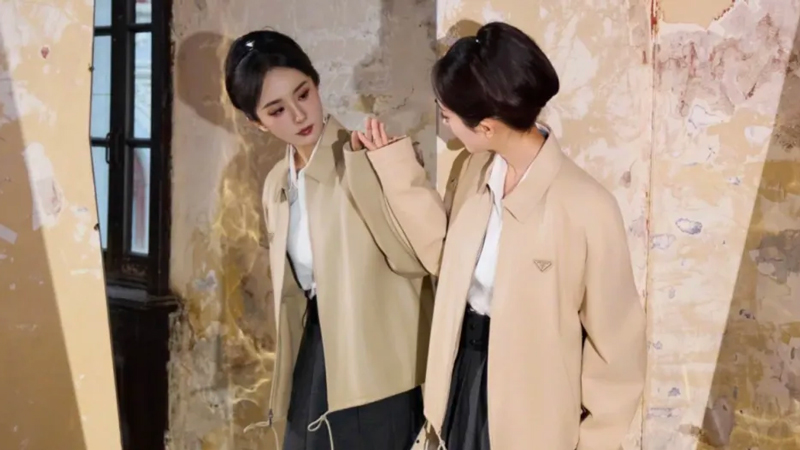
A recent public appearance by actress Yang Mi ignited a fiery online debate. Her choice? A meticulously crafted traditional Chinese hair bun paired not with a Qipao or modernized Hanfu, but with a crisp, contemporary blouse. Critics were quick to declare the mix a mismatch, questioning the logic behind blending a classical hairstyle with Western-style fashion. Yet, this seemingly simple style clash touches on deeper questions about tradition, modernity, and who gets to define the rules of cultural expression. Is this a fashion faux pas, or a bold step towards redefining a heritage art form for a new generation?
A Historical Journey
The Chinese hair bun, or Ji (髻), is far more than a hairstyle. Its history is woven into the fabric of social rites and personal identity. In ancient China, the act of a young woman putting up her hair for the first time during the Jiji Li (及笄礼), or Hair Pinning Ceremony, was a pivotal rite of passage into adulthood. This transformation from loose locks to a secured bun was a powerful social symbol.
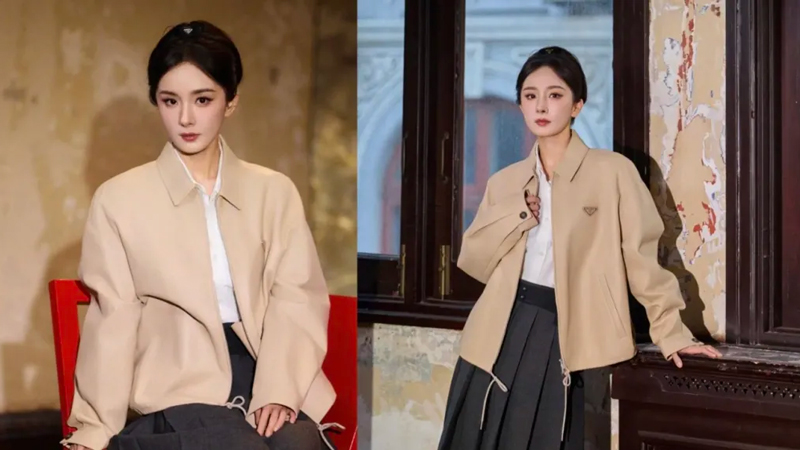
Archaeological evidence suggests the practice dates back to the Neolithic Age, evolving significantly through dynasties. The Han Dynasty favored soft, low-hanging chignons that conveyed grace and modesty. By the vibrant Tang Dynasty, aesthetics shifted dramatically towards lofty, elaborate high buns, sometimes requiring the addition of false hair to achieve impressive height and volume. These styles reflected an era of confidence and cultural flourishing.
Later periods, such as the Song and Ming dynasties, saw a return to lower, more compact buns, often adorned with hairpins, decorative covers, or fabric. The Diji (狄髻), an ornate artificial hairpiece worn by noblewomen in the Ming era, represented a formal, ceremonial peak. Each variation served as a silent language, speaking volumes about the wearer's age, status, and the prevailing aesthetic ideals of their time.
Modern Reinterpretations
Today, the traditional bun has broken free from its historical confines. It is no longer strictly married to specific garments. On red carpets and fashion editorials, stars like Liu Yifei have elegantly paired sophisticated updos with glamorous evening gowns, creating a striking fusion of East and West. This signals a shift: the bun is being treated as a versatile element of personal style rather than a prescribed component of a full traditional costume.
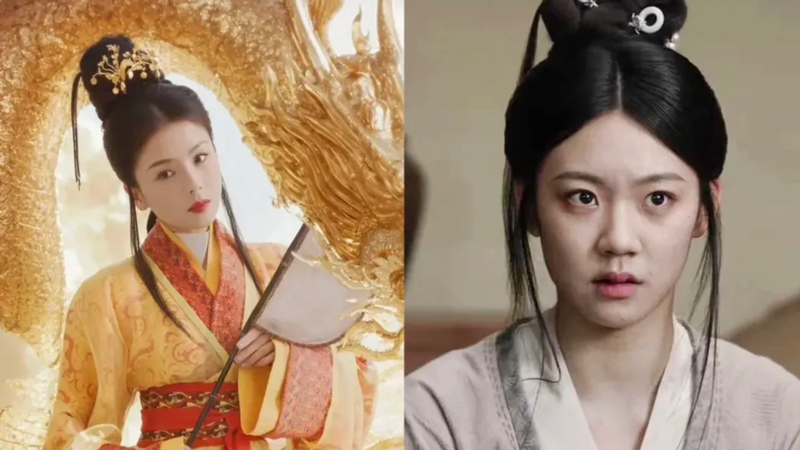
Contemporary stylists and individuals are experimenting with this ancient form. The classic silhouette is now constructed with modern techniques, often incorporating braids or softer textures. It appears in unexpected contexts—paired with sharp tailoring, denim jackets, or minimalist dresses. This stylistic "collision" is intentional, using contrast to project a unique, hybrid identity that honors the past while firmly residing in the present.
The adaptation extends beyond celebrity fashion. The traditional Shu Ji (梳髻) hair-combing and knotting techniques, such as those for the Mazu Ji (妈祖髻) of Meizhou Island, are recognized as intangible cultural heritage. Through workshops and documentaries, these skills are preserved, simultaneously inspiring a new wave of designers who draw upon the bun's structure and philosophy to create innovative accessories and fashion lines.
Culture and Identity
The conversation around Chinese hair buns took a urgent turn in 2014 with news that South Korea might seek UNESCO heritage status for its own traditional knotted hairstyles. This sparked widespread concern and activism in China, highlighting the fragile nature of cultural ownership. It prompted public figures and citizens alike to advocate for the protection and official recognition of China's own hairdressing heritage.
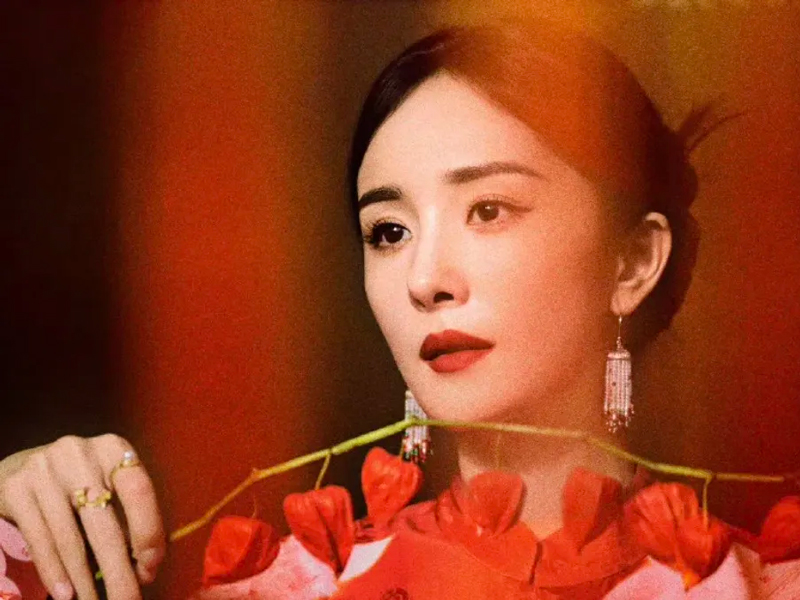
This incident underscores a vital point: cultural practices remain vibrant not merely through preservation in museums, but through active, everyday engagement and evolution. When a style like the hair bun is kept alive only in historical dramas, it risks becoming a relic. When it is debated, worn, and reinterpreted by people like Yang Mi, it becomes a living, breathing part of contemporary discourse.
Ultimately, Yang Mi's controversial look is a microcosm of a larger cultural moment. It represents the ongoing transformation of the Chinese hair bun from a strict ritualistic symbol into a fluid fashion language. Its essence lies in balancing form and spirit—maintaining a lineage of elegance and craftsmanship while boldly embracing new contexts. This evolution connects generations, proving that tradition, when handled with respect and creativity, can find a compelling new place in the modern world.