
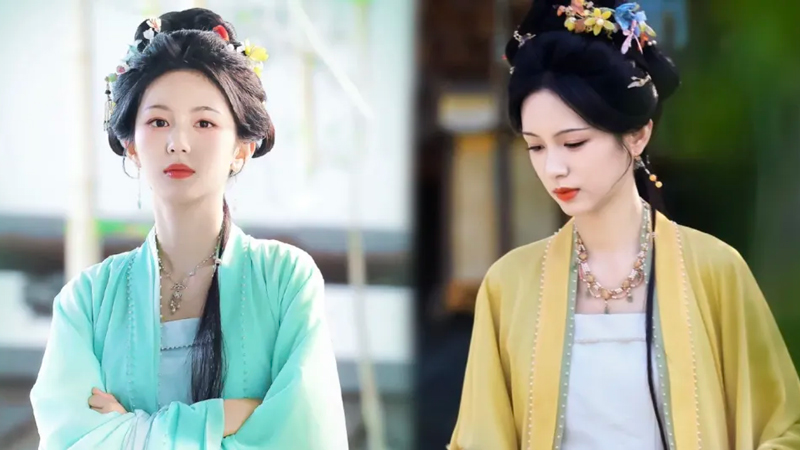
A recent period drama photo has set the internet abuzz. In stills from the upcoming series Yi Ou Chun (一瓯春), actress Zhou Ye’s (周也) costumes feature a striking detail: hems and seams meticulously edged with pearls. Online commentators were quick to praise the exquisite craftsmanship, with many marveling at the advanced aesthetic sensibilities of ancient China.
This isn't just a random design choice; it’s a direct homage to a specific and lavish fashion trend from the Song Dynasty (960–1279 AD). The shimmering trim is a recreation of Zhu Luo (珠络, pearl edging), a practice that saw pearls adorn everything from the collars and cuffs of formal robes to the seams of luxurious garments. This rediscovery highlights a timeless fascination with pearls and reveals how a royal decree, sumptuary laws, and sheer love for beauty shaped fashion a millennium ago.
Courtly Sparkle
The use of Zhu Luo was a definitive marker of elite status during the Song era. Its application was widespread and extraordinarily detailed. Portraits of empresses from the period show them in wide-sleeved ceremonial robes where pearls trace every edge, from the crown and face ornaments down to the hems of their shoes. Historical records describe specific garments, like the "pearl and kingfisher-feather collars" in princesses' dowries or the "northern-pearl-edged cloaks" bestowed upon imperial consorts. The effect was one of holistic, head-to-toe refinement.
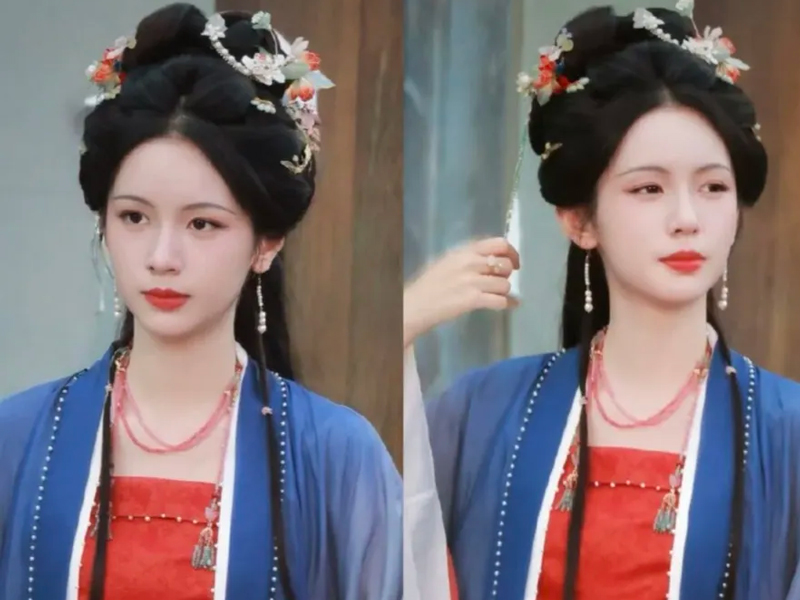
This obsession with pearls was not confined to women's fashion. Emperor Song Huizong (宋徽宗) was recorded as owning an ornate military robe—a "great pearl-joined and gold-inlaid blue gauze battle gown." An official portrait of Emperor Song Zhezong (宋哲宗) shows similar craftsmanship. His under-robe displays a distinct line of pearls along the collar and cuffs, often combined with intricate gold-pressed peony patterns. The technique involved either sewing pierced pearls directly onto the fabric or, for more temporary adornments like facial decorations, fixing them with isinglass glue. The result was a dazzling display of wealth and power woven into the very fabric of court life.
Forbidden Fashion
The popularity of pearls created a booming industry for pearl diving and trade. However, the Song court, wary of extravagant spending, attempted to curb this trend through sumptuary laws. An official decree explicitly banned non-noble families from using real pearls to ornament clothing, necklaces, earrings, or headdresses. The goal was to maintain a visible hierarchy and control spending.
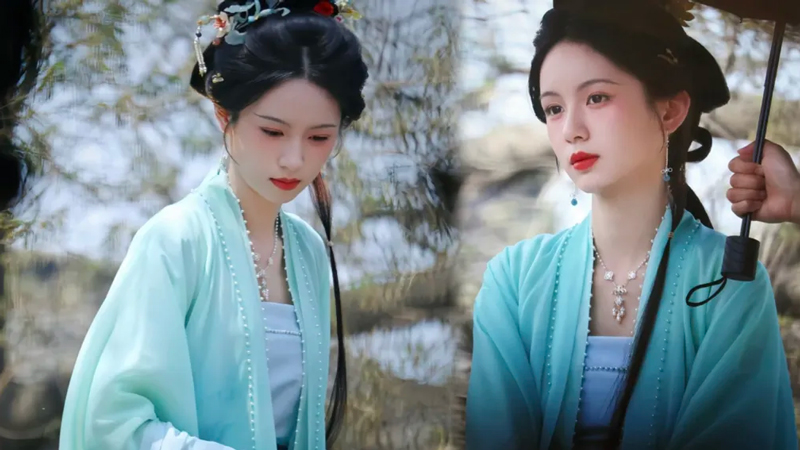
Yet, the allure of pearls proved stronger than any law. The style set by the palace inevitably trickled down, and the desire to emulate royal elegance spread across different social classes. The ban ultimately struggled to contain public enthusiasm for the glittering gem. Faced with an unenforceable rule and a thriving black market, the government under Emperor Song Shenzong pragmatically shifted policy. It began to permit private pearl harvesting and brought the trade under state management, taxing it instead of trying to suppress it. This episode underscores a timeless truth: fashion trends, especially those tied to beauty and status, are remarkably resistant to official control.
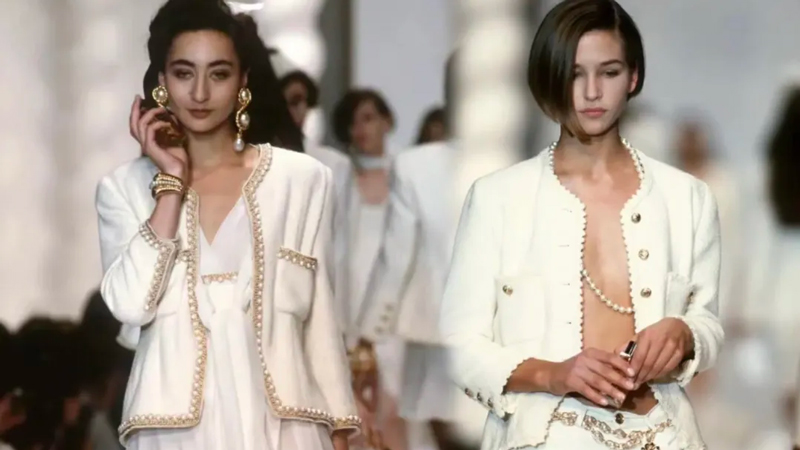
Today, the legacy of Zhu Luo is experiencing a quiet revival. On international runways, contemporary designers are incorporating pearl-edged details into modern silhouettes, appreciating the texture and delicate luxury it brings. The ancient technique inspires new forms of embellishment, adding a dimension of historical depth to contemporary design. From pearl-embroidered hems on a designer jacket to the widespread use of pearl hair clips and layered necklaces in everyday wear, the aesthetic principles of balance and luminous decoration championed by Song artisans live on. It seems our modern love for pearls is not just a trend, but the latest chapter in a story of admiration that began over a thousand years ago.
