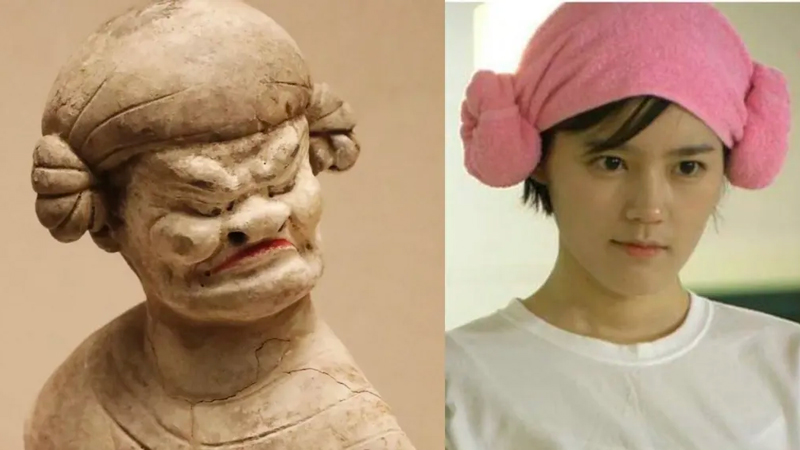
Viewers of recent Korean dramas have been charmed by a peculiar styling choice: characters often lounge at home wearing what looks like a bath towel twisted into playful “sheep horns” on their heads. This trend, sparking countless social media tutorials, feels distinctly modern. Yet a recent archaeological revelation suggests this playful accessory has a precedent over a millennium old and thousands of miles away. A painted grey pottery figurine from a Tang Dynasty tomb is wearing what appears to be the very same style, challenging our assumptions about novelty and tracing a fascinating thread through fashion history.
An Ancient Discovery
The figurine was excavated from the tomb of Mu Tai (穆泰), a border defense general during the Tang Dynasty. His burial site, located in Qingcheng (庆城) County, contains clear evidence of cultural exchange between Han Chinese and northern nomadic traditions. The statue’s headwear is the standout feature: two distinct, cloth-like protrusions curve upward from the sides of the head, strikingly similar to the twisted “sheep horn” towel look popularized on screen today. Scholars quickly identified this not as a typical Han Chinese crown, but as a form of Fanmao (蕃帽), or “foreign cap.”
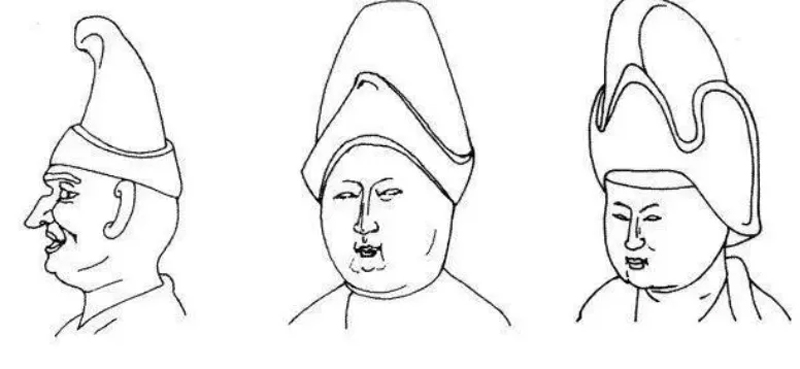
These caps, referenced in Tang and Song texts, were practical headgear associated primarily with non-Han ethnic groups from the Western and Central regions. Their designs were adaptable, often crafted from available materials like sheep or goat leather. The figurine’s soft, pliable-looking cap suggests it could have been made from fabric or felt, shaped to protect against the harsh climate of the frontier. The “horns” themselves are a subject of debate; they might be decorative knots of the cap’s ties, or perhaps separate Eryi (耳衣), earmuffs, worn simultaneously for warmth.
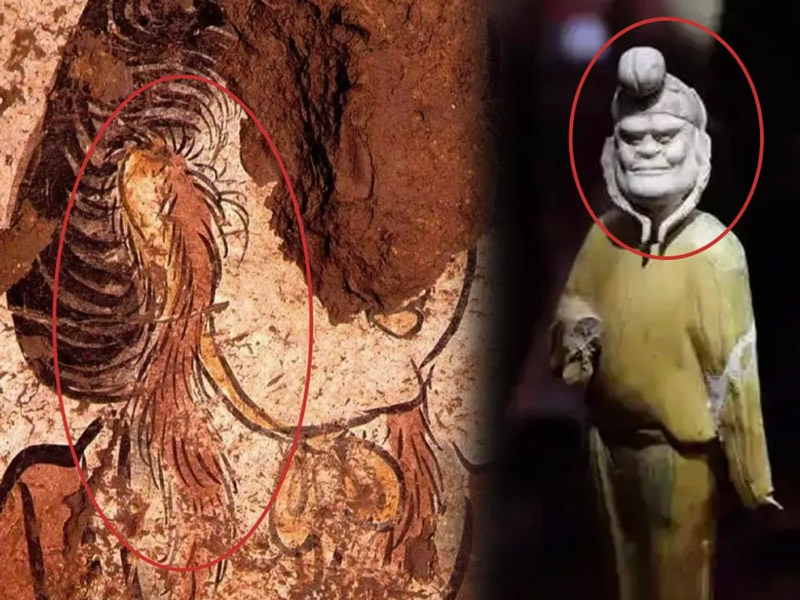
This artifact powerfully illustrates the dynamic cultural fusion along the Silk Road. General Mu Tai himself was likely from a Xianbei (鲜卑) lineage that had adopted Han customs, yet his tomb goods reflect a blended identity. The cap is a tangible piece of this exchange, showing how functional foreign designs entered the broader material culture of Tang China. It was not merely an oddity but part of the vibrant, cosmopolitan tapestry of the era, where items from across Asia found their place.
More Than a Bath Towel
The direct visual parallel to the modern K-drama towel is uncanny. If the ancient version’s “horns” are indeed tied cloth ends, the application is virtually identical. This style also appears in the Chinese period drama Serenade of Peaceful Joy (清明上河图密码), hinting at its possible historical use. But what was its original purpose? Historical sources point to a common item: the Hanjin (汗巾), or sweat cloth.
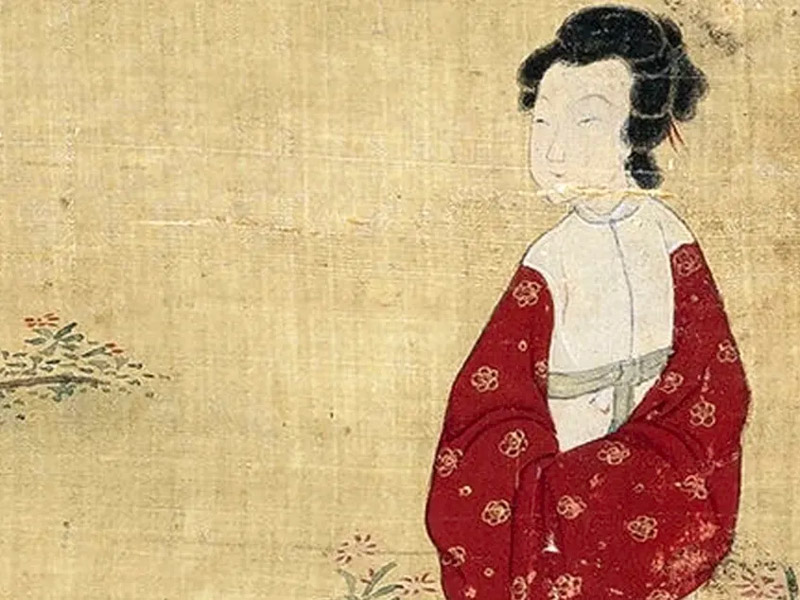
In ancient times, a Hanjin was a multipurpose fabric. For many, it was tied around the waist as a handy towel for wiping sweat or hands, commonly used by servants, laborers, and women doing chores—a detail frequently seen in classics like The Dream of Red Mansions (红楼梦). It could also be a carried handkerchief. Poetic records, such as those by Bai Juyi (白居易), describe using a sweat cloth to bind the hair and head, likely to absorb perspiration during work or travel, functioning as a simple Baopa (包帕) or head wrap.
Therefore, the “sheep horn” style might have been a practical, improvised use of a everyday cloth—twisted and knotted for secure, hands-free comfort while bathing, doing household tasks, or drying hair. This transforms it from a whimsical modern invention into a likely example of ancient practicality. The K-drama trend, then, accidentally resurrects a very old solution to a common problem, showcasing how basic human needs inspire similar designs across centuries.
Fashion's Enduring Cycle
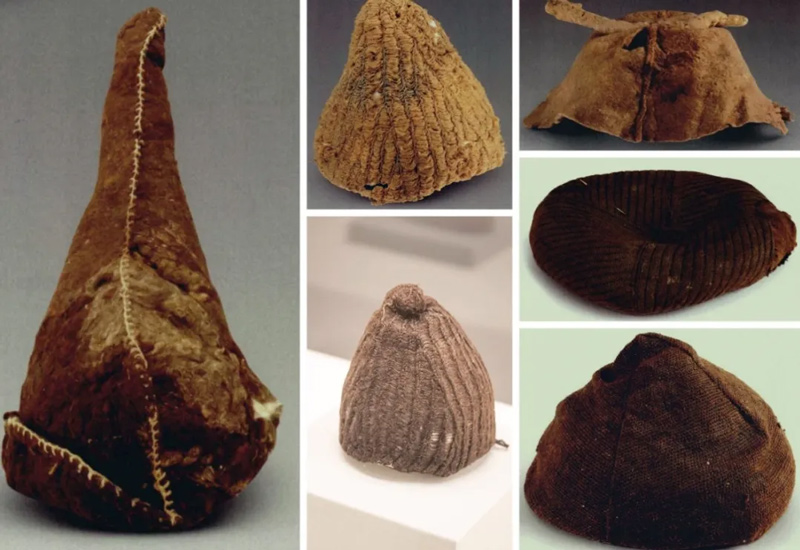
The Tang figurine is far from an isolated case. In the Zhagunluke (扎滚鲁克) cemetery in Xinjiang, archaeologists have uncovered 2000-year-old hats that feel remarkably contemporary: pointed felt caps, knitted wool beanies, and tailored cloth headwear. These finds demonstrate that what we consider modern winter fashion has deep roots in ancient craftsmanship and necessity. The dialogue between past and present is continuous.
This discovery challenges the linear narrative of fashion. It suggests that what captivates us as new and trendy is often a forgotten fragment from history’s vast wardrobe, recontextualized for a new audience. The human drive for functionality, expression, and aesthetic play seems to circle back, rediscovering and reinventing old ideas. The journey of this “sheep horn” cap—from a Tang Dynasty borderland, to a historical drama set, to a viral Korean drama trend—highlights our enduring connection to the material culture of our ancestors.
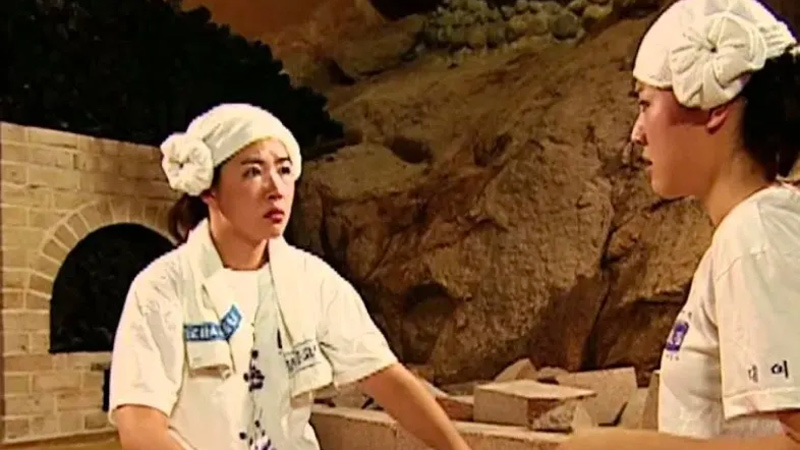
Ultimately, the next time you twist a towel into horns after a shower, remember you might be participating in a ritual of comfort that a Tang Dynasty figurine, a Silk Road traveler, or a hardworking individual from long ago would instantly recognize. It’s a humble reminder that innovation is often rediscovery, and that personal style, in its simplest form, is timeless.