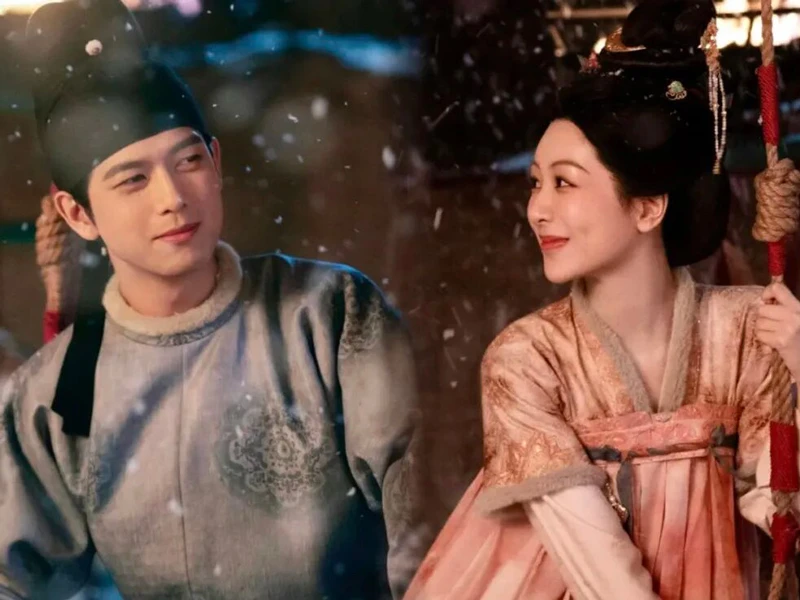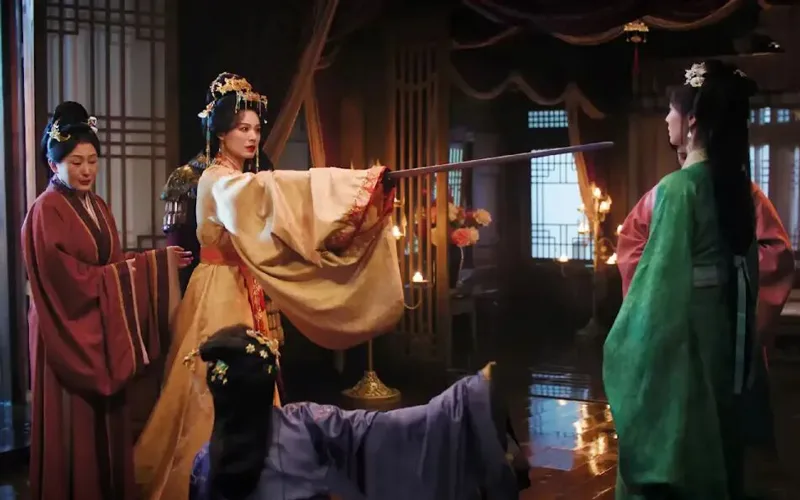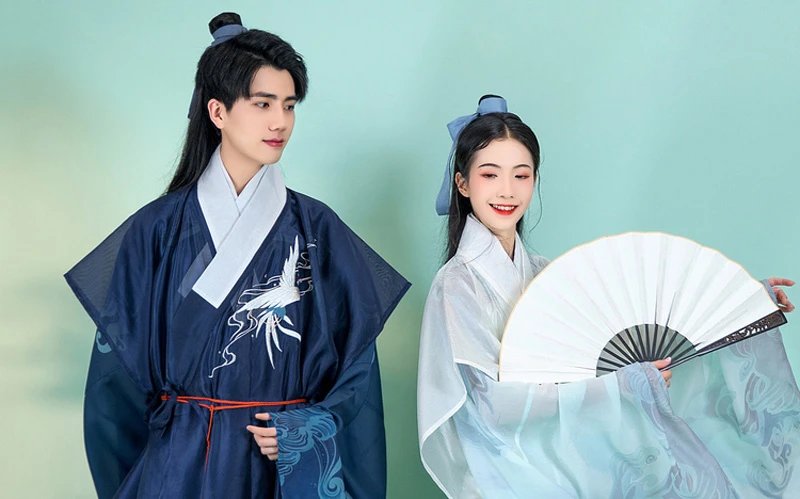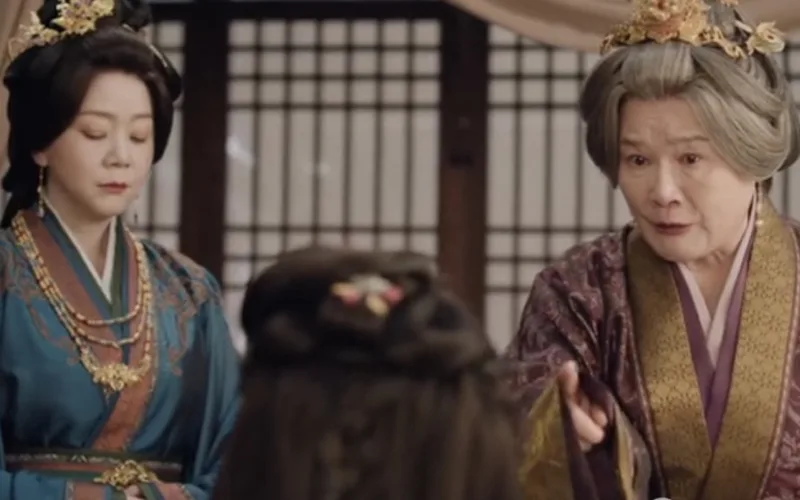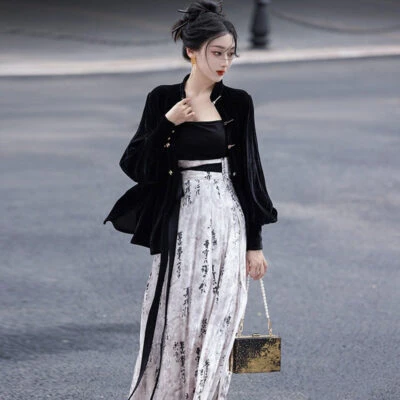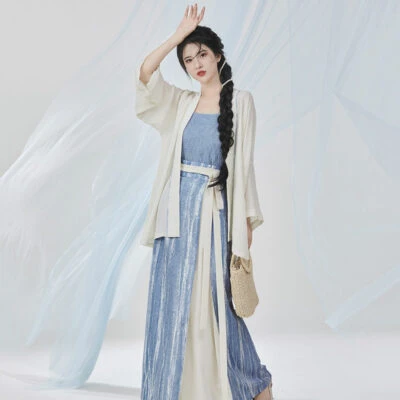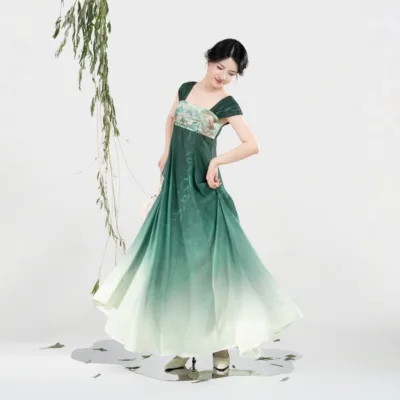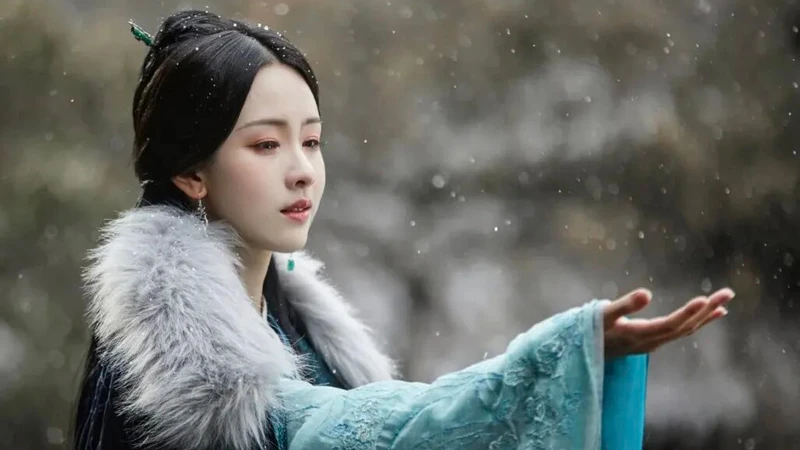
Viewers of historical Chinese dramas often share a common thought during winter scenes: those actors must be freezing. The diaphanous gowns, often little more than a single layer of silk, seem utterly inadequate against painted backdrops of snow and ice. While a flowing cloak might be added for effect, the costumes underneath remain stubbornly, beautifully thin. This consistent aesthetic choice prompts the question: is this what people really wore, or is it purely for the camera?
Historical Layering
The reality of historical winter wear was fundamentally about layers, not just fabric weight. A Tang Dynasty woman, for instance, would have employed a sophisticated system of overlapping garments. This would start with close-fitting undergarments, followed by a lined jacket and skirt, and then a padded outer robe or coat. A final, large shawl or cape provided additional protection. This multi-layered approach trapped air and created insulation far superior to any single garment.
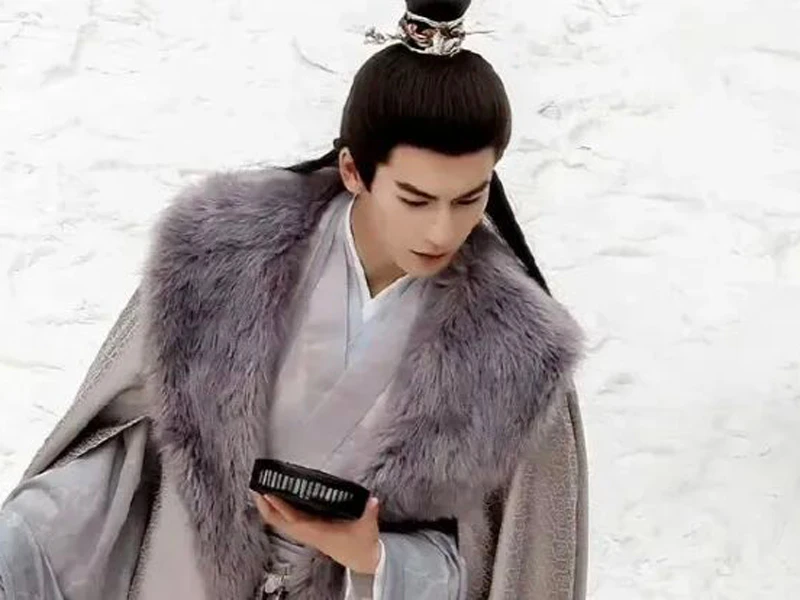
For the elite, winter wear was both warm and luxurious. Mianpao (绵袍), or silk-wadded robes, were common. Here, “mian” refers to silk floss, a lightweight and highly effective insulating material akin to a natural down filling. More extravagant outfits incorporated furs from sable, fox, or rabbit for collars, cuffs, and full-length coats.
The common people, unable to afford silk or fur, demonstrated remarkable resourcefulness. They stuffed clothing layers with affordable materials like reed catkins, willow floss, or crushed hemp fibers, creating what was called a Yunpao (缊袍). In some periods and regions, even thick paper was used to make “paper clothes” or “paper quilts” for scholars and monks. These solutions were practical and effective within their means.
The Modern Camera’s Eye
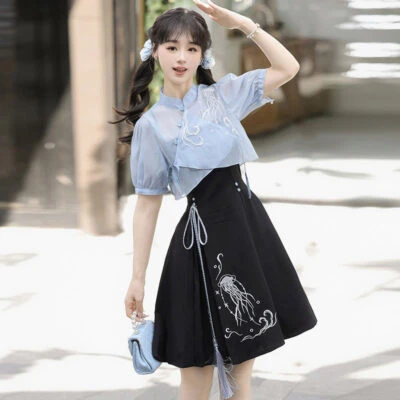
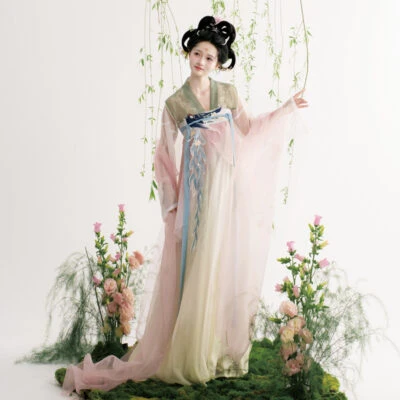
So why does television favor the thin and ethereal? The answer lies almost entirely in contemporary visual aesthetics and production demands. The prevailing “thin is beautiful” standard profoundly influences costume design. Delicate, sheer fabrics like chiffon and gossamer silk create a specific, desirable visual poetry on screen.
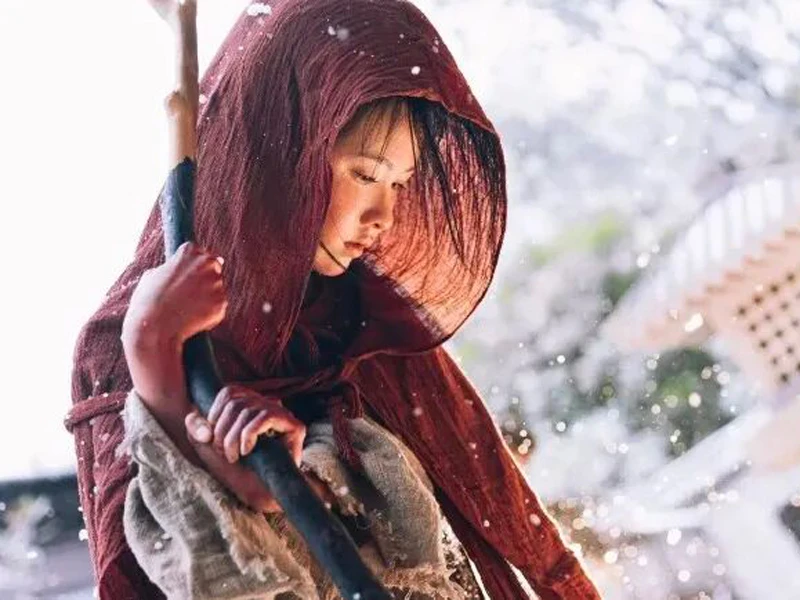
When a breeze from an off-camera fan catches a lightweight sleeve or skirt, it produces a dreamy, otherworldly effect. This “xianqi” (仙气), or immortal aura, is a coveted look in many fantasy and romance-focused period pieces. It aims to make characters appear elegant, graceful, and detached from earthly burdens like cold weather.
Authentic, historically layered winter clothing, while warm, would often read as bulky or cumbersome on camera. It could obscure an actor’s silhouette and restrict the fluid, dance-like movement that directors often seek for fight scenes or romantic sequences. The thin costume is therefore a conscious artistic compromise, prioritizing visual appeal and movement over historical fidelity.
Forgotten Accessories
Beyond the main garments, historical winter fashion included a range of ingenious accessories largely absent from most dramas. Elite women wore decorative fur bands called Wotu’er (卧兔儿) or Zhaojun Tao (昭君套) around their foreheads for warmth.
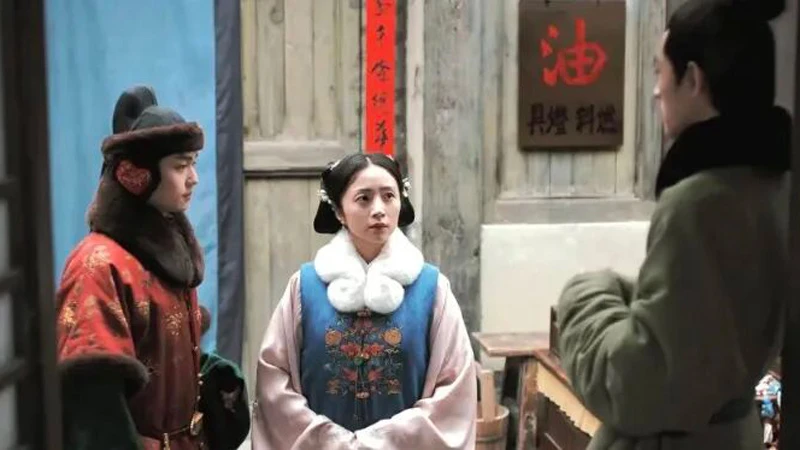
Neck warmers, hand muffs, and even small, perfumed warming braziers that could be concealed in sleeves were part of a complete winter ensemble. These items highlight a practical, detailed approach to comfort that is usually sacrificed on screen for a cleaner, more “streamlined” look.
Occasionally, a production will pay closer attention. Certain episodes of dramas like Under the Moonlight (锦囊妙录) or Flourished Peony (国色芳华) feature more considered outerwear. However, these remain exceptions. The next time you see a character gracefully traversing a blizzard in sheer attire, you can appreciate it for what it is: a beautiful, modern fantasy.
The historical individual, much like us, sought genuine warmth. Their clothing was a thoughtful blend of function, social status, and ritual requirement. That reality, grounded in practicality and resilience, holds a warmth and richness all its own, far removed from the wind-swept silks of our television dreams.