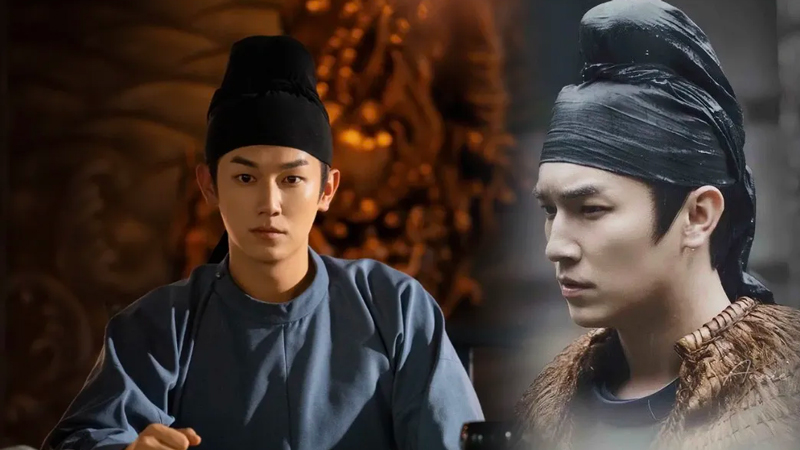
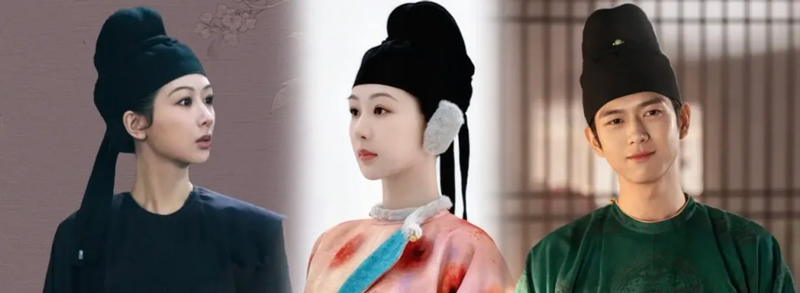
In many television series set against the backdrop of the Tang Dynasty, like the popular drama Flourished Peony (锦绣芳华), audiences often notice the distinctive headwear worn by characters. This item, which might look oddly familiar to a modern eye, is called a Futou (幞头). It was the most common form of male headgear during that era, a simple yet sophisticated piece of cloth that evolved into a powerful symbol of identity and status. Far from being a static fashion item, its transformation mirrors the social and cultural currents of one of China's most celebrated dynasties.
More Than Just Cloth
The Futou originated as a practical headscarf. Its basic form involved wrapping a piece of black silk or linen around the head. There were two primary methods: the soft wrap and the hard wrap. The soft wrap was for everyday use, where the cloth was tied directly onto the head, conforming to its shape. The hard wrap was more structured. It required a stiffened base, known as a Jinzi (巾子), placed on the head first. The cloth was then wrapped over this frame to create a more pronounced and formal shape.
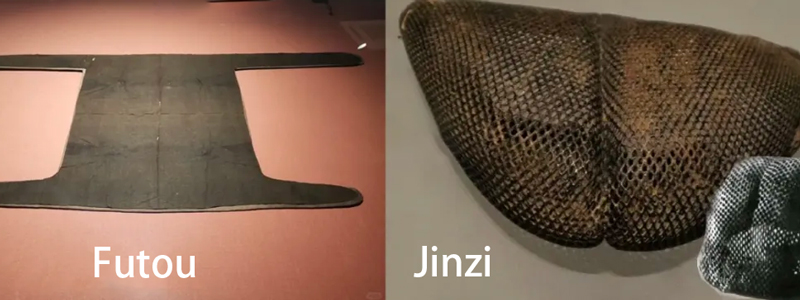
The style of the Jinzi changed noticeably over time. In the early Tang period and among common folk, it was low and flat. However, during the reign of Empress Wu Zetian and into the High Tang era, it became dramatically taller and more upright. This shift in silhouette, from modest to magnificent, reflects the growing confidence and opulence of the dynasty itself. Archaeologists have found evidence of these styles in murals from tombs like that of Crown Prince Zhanghuai (章怀).
The tying technique was specific. As noted by the Song scholar Shen Kuo (沈括), the standard Futou had four ribbons, or "feet." Two were tied at the back and left to hang down, while the other two were brought to the front, folded, and secured on top of the head. This style earned it another name: the "folded-up scarf." Its practicality made it especially popular among military personnel, blurring the lines between civilian dress and martial attire.
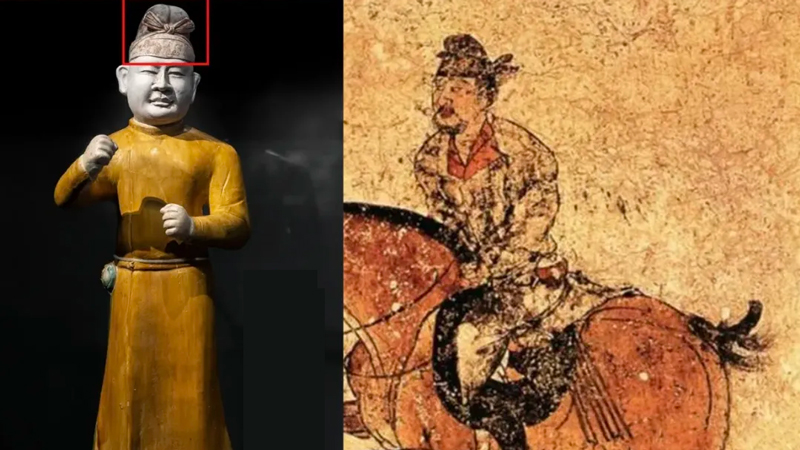
A Marker of Status
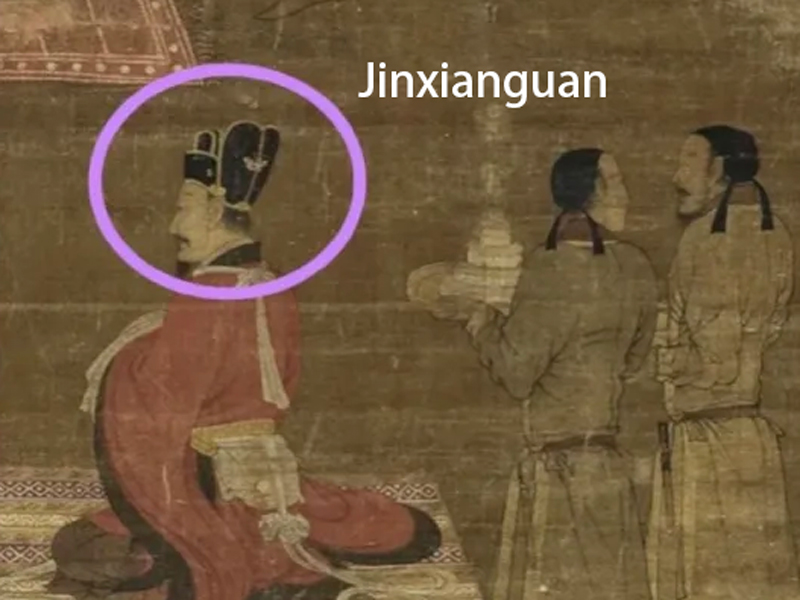
While ubiquitous, the Futou was not universal. Its role was akin to formal daily wear. For grand state ceremonies, the emperor would wear a Tongtianguan (通天冠) crown, and high officials would don the Jinxianguan (进贤冠). The Futou filled the space in between—appropriate for administrative duties, scholarly pursuits, and public life, signifying one's role within the bureaucratic machine. It was a badge of the literate and the official class.
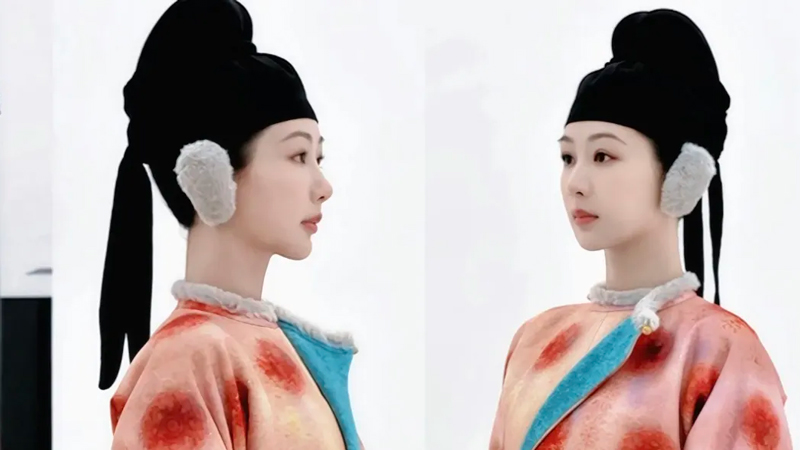
Intriguingly, this item transcended gender boundaries. The Tang Dynasty was remarkably open to women wearing male attire, and the Futou was a key component of this trend. Actresses like Yang Zi have portrayed this in period dramas, and historical records, such as tomb figures from the Xue Jing (薛儆) burial site, confirm it. Women adopted the style, pairing it with tunics and robes. Some scholars suggest women's versions were softer and draped slightly forward, but the visual statement of adopting male fashion was a powerful testament to the era's social fluidity.
Legacy in Shape
The story of the Futou did not end with the Tang. By the late Tang and Five Dynasties periods, the ribbons began to stiffen into extended "feet" that projected sideways or upward. This innovation laid the groundwork for its evolution in the Song Dynasty. The Song Futou underwent a radical change: it was no longer a wrapped cloth but a pre-shaped, rigid hat worn over the head.
This new formality allowed for a proliferation of styles, each meticulously coded to the wearer's rank and profession. Officials wore versions with straight, horizontal extensions. Servants and runners had curved or crossed feet. Scholars and top examination graduates wore distinct styles. The shape of one's headwear became an instant, nonverbal indicator of one's precise place in the vast imperial hierarchy.
From a simple wrapped scarf to a complex bureaucratic signifier, the journey of the Futou is a fascinating thread through history. Its presence in contemporary television is more than a costume detail; it is a window into a society that valued both elegant form and structured function. This humble piece of cloth, in all its variations, tells a vivid story of cultural expression, social order, and the unique, open spirit of the Tang Dynasty that allowed a hat to be worn by all.