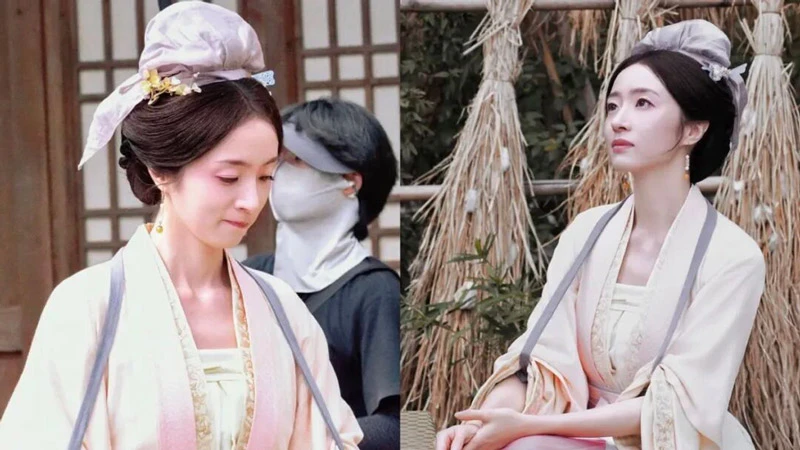
A single image from a documentary has captivated audiences, sparking both curiosity and admiration. In the CCTV production Da Song Ci Ren Zhuan (大宋词人传), actress Hu Bingqing (胡冰卿) portrays Xu Wenmei (徐文美), the wife of renowned poet Qin Guan (秦观). Her most striking feature is an elegant, sculptural headwrap that some viewers humorously compared to a chef’s hat. Yet, far from being a culinary misstep, this delicate headdress is a meticulously researched piece of historical attire. It represents a perfect marriage of actress, aesthetic, and era, leading fans to applaud the “authoritative taste of CCTV” for its authentic and harmonious presentation of Song Dynasty elegance.
The Headwrap’s History
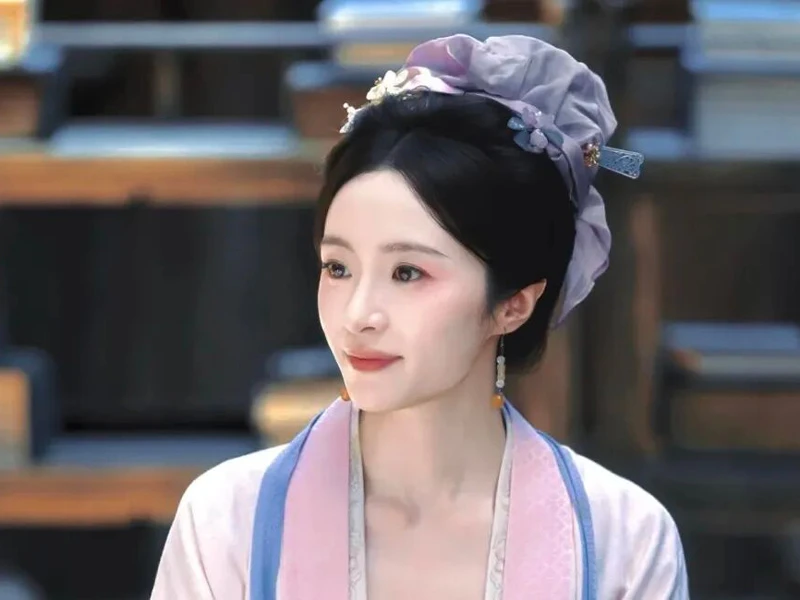
The style worn by Hu Bingqing is known as a Baoji (包髻), a term literally meaning “wrapped hair knot.” Its origins can be traced to practical necessity. For women engaged in daily work or managing households, keeping intricate hairdos tidy was a challenge. The Baoji offered a simple, graceful solution: a square piece of cloth, often silk or fine linen, folded and wrapped securely around the styled hair.
This practice was not invented in the Song Dynasty. Its precursor was the more structured Jinguo (巾帼), a headdress from the Han Dynasty. The Jinguo typically had a light framework, sometimes made of metal or bamboo, over which luxurious fabric was draped. It was notably worn by women of status and even by female generals, symbolizing both practicality and authority.
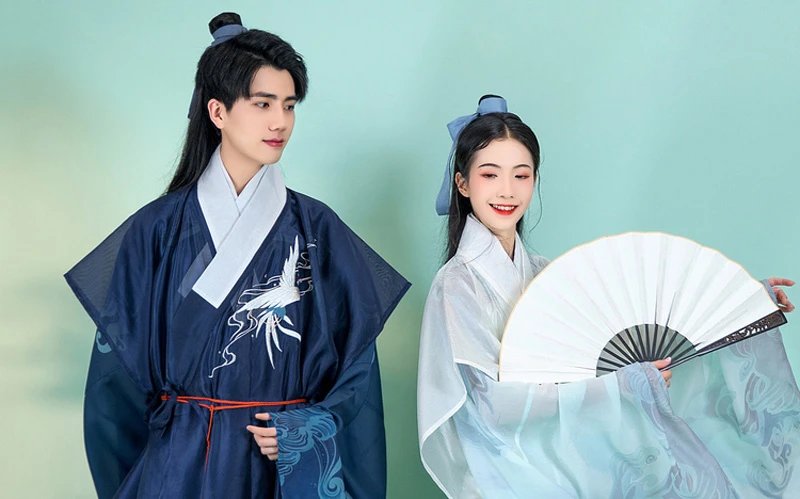
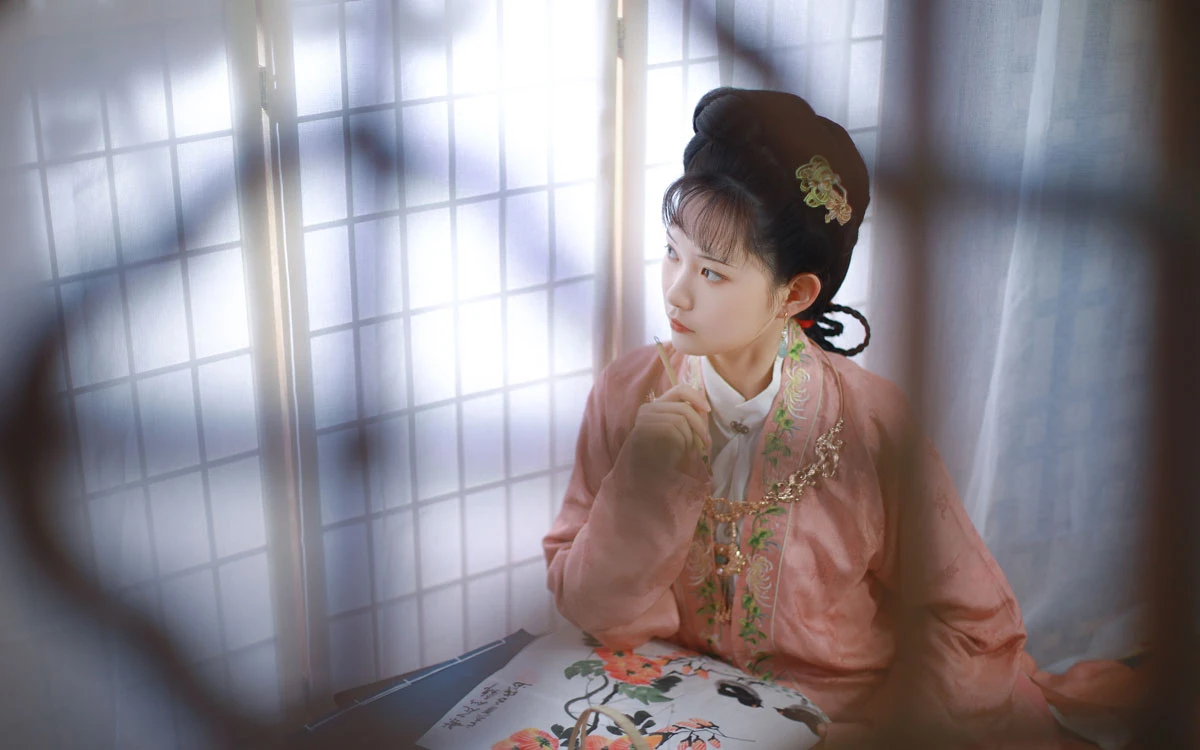
By the Tang and Song periods, the internal frame was often abandoned, evolving into the softer, more versatile Baoji. The fabric itself became the star. Its color and quality indicated social standing, from simple dark shades for commoners to richly dyed and embroidered silks for the elite. Women would artfully tie the cloth, creating shapes ranging from simple knots to elaborate folds, often adorning them with hairpins or fresh flowers.
A Style Through Dynasties
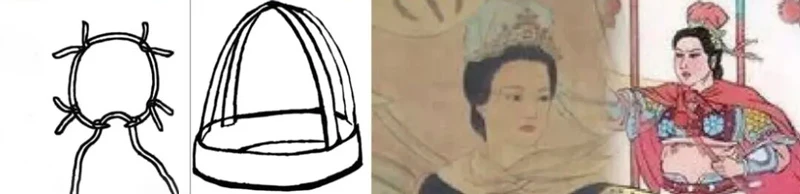
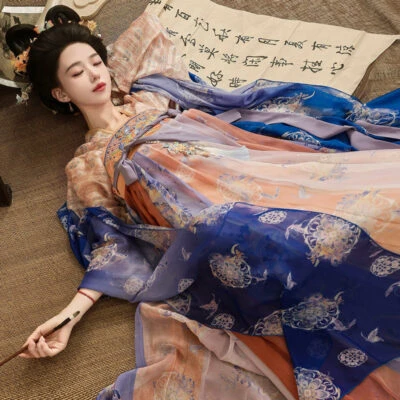
While the Baoji was a constant, its expression shifted with the prevailing fashion of each era. Tang Dynasty aesthetics favored boldness and opulence. Baoji from this period might incorporate vibrant colors, gold thread, or be paired with lavish ornaments, reflecting the dynasty’s confident and cosmopolitan spirit.
The Song Dynasty, in contrast, prized understated refinement and scholarly elegance. The Baoji became neater, more restrained, and harmonious with the overall silhouette. The focus was on clean lines, subtle fabric textures, and a gentle, flowing drape. This minimalist approach aligned perfectly with the Song appreciation for quiet luxury, intellectual pursuit, and natural beauty, as seen in their poetry and paintings.
Later, during the Ming Dynasty, the style evolved again towards complexity. The wraps became more elaborate, sometimes involving multiple layers of fabric or structured shapes that resembled wings or petals. This reflected the Ming’s embrace of intricate detail and formal grandeur in clothing design.
Hu Bingqing’s Song Dynasty Persona
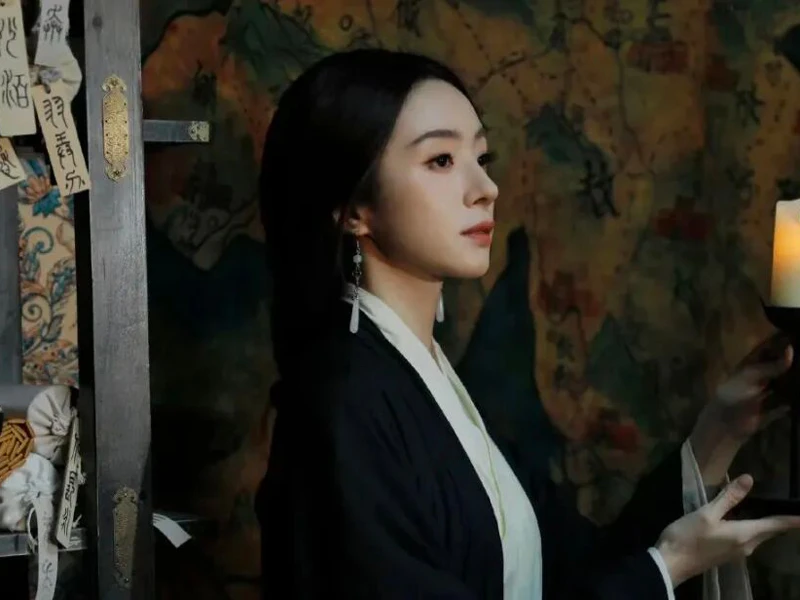
Portraying Xu Wenmei required Hu Bingqing to embody the serene grace of a Song Dynasty literati’s wife. Little is historically documented about Xu Wenmei’s life with Qin Guan, one of China’s most romantic poets. He famously wrote lines like, “If love between both sides can last for aye, why need they stay together night and day?” Yet, he seldom mentioned his wife directly. A brief mention in a familial text notes that her father wished his daughters to marry scholars, and so “he wed Wenmei to me,” suggesting a union based on intellectual and social compatibility.
Hu Bingqing’s transformation for this role is notable. It marks a distinct departure from her more ornate Ming Dynasty styling in previous period dramas like The Secret Medical Files. The Song aesthetic demands a different kind of presence—one of calm composure, subtle expression, and an inward grace that resonates externally.
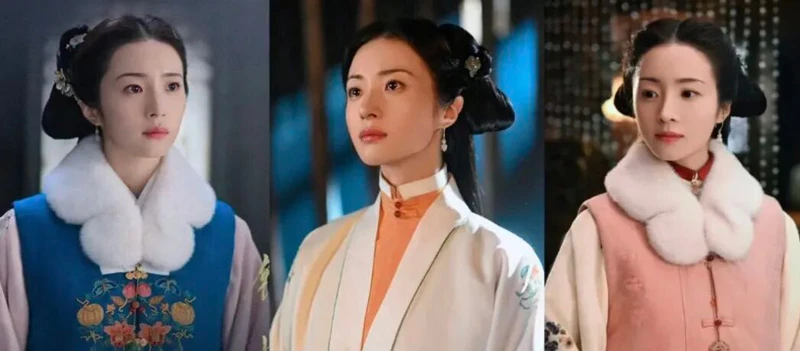
The success of the look lies in its holistic harmony. The muted colors of the costume, the simple yet precise draping of the Baoji, and Hu Bingqing’s own naturally poised and slightly reserved demeanor coalesce. Together, they create a living portrait that feels authentically Song. This synergy is what viewers are celebrating. It’s more than a costume; it’s a believable reconstruction of a historical temperament, proving that accurate styling, when done with deep understanding, can produce profound aesthetic resonance.