Article
搜索结果:
-
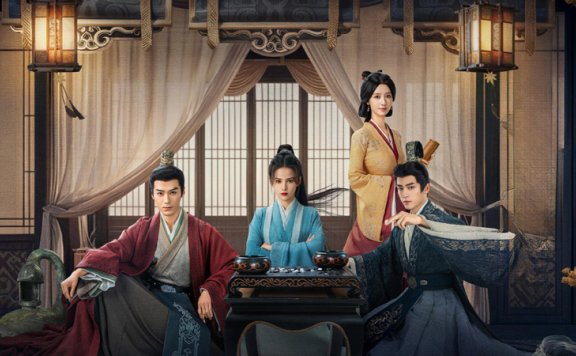
Voyage to Haihun: A Time-Loop Curse Resets Historical Drama
The costume drama landscape just got a thrilling jolt. Forget slow-burn palace intrigues—Voyage to Haihun (海昏行) detonates onto screens with a premise so audacious, it rockets to 16,000 popularity units on its premiere day. This compact series throws a modern man into the treacherous court of the Western Han dynasty, armed not with weapons, but with a bizarre resurrection curse. Two protagonists meet, face immediate doom, and discover death is merely a reset button in a show that masterfully blends farce, strategy, and heart-pounding tension. Death Becomes a Strategy The opening minutes are a masterclass in efficiency. Desperate to escape political imprisonment, deposed Emperor Liu He (刘贺, played by Geng Yeting) attempts a forbidden ritual, accidentally yanking modern-day slacker Wang Heng (王衡, played by Mao Zijun) through a temporal rift. Their first encounter—a comical head-on collision—lasts mere moments before the formidable warrior De Jiu (得九, played by Huang Riying) arrives. She kills Wang Heng and steals his mysterious bronze Qilin (麒麟) artifact. Yet, Wang Heng doesn't stay dead. He awakens outside the compound, unharmed, moments before his fatal attempt to help Liu He. This is his curse, and soon, his tool: every death triggers an unpredictable rewind to a prior safe… -
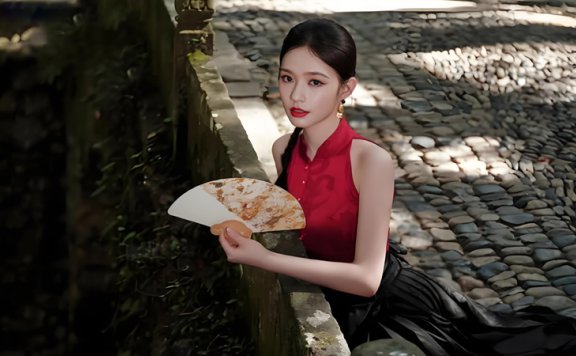
How Actress Lin Yun is Redefining the Qipao on Her Own Terms
In 2024, the Qipao, a century-old symbol of grace, is trending again—but not worn by seasoned icons or rising pop stars. Instead, it’s Lin Yun (林允), the actress many assumed had faded from the spotlight, who’s redefining this classic. Her take isn’t about nostalgic imitation or ethereal beauty; it’s raw, grounded, and fiercely personal. While others chase trends, Lin’s modern Qipao whispers rebellion: a refusal to conform to industry molds. This unexpected revival isn’t just fashion—it’s a manifesto for realness in an era of curated perfection. Stardom to Stillness Lin exploded onto screens at 18 as the lead in The Mermaid (美人鱼, 2016), hailed as Stephen Chow’s muse. Overnight fame brought adoration and skepticism: critics targeted her acting; fans debated her "luck." While peers chased constant visibility—flooding variety shows and social media—Lin retreated. She vanished from headlines, ignored gossip mills, and rarely posted. Detractors called it career suicide. On her private account, she shrugged: "When filming, I obsess. When not, I stay home. No performative hustle needed." Her stillness wasn’t surrender—it was strategy. That patience reshaped her path. Unlike peers who burned out chasing relevance, Lin worked quietly. She auditioned relentlessly, endured harsh rejections, and drilled lines before mirrors after… -
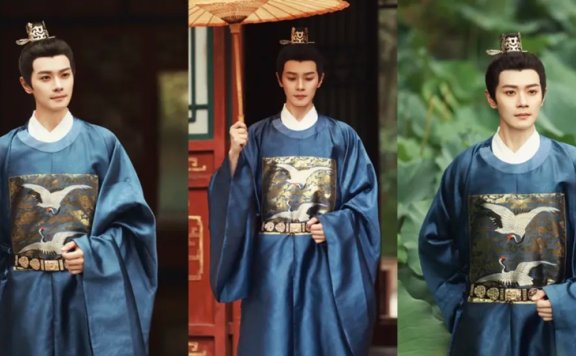
Cao Jun's Ming Attire: Is This the Grown-Up Nezha?
When Cao Jun (曹骏) recently shared photos in Ming-style Hanfu, fans were stunned—many saw echoes of his childhood role as Nezha (哪吒), sparking online buzz about his transformation and the timeless elegance of traditional Chinese attire. This resurgence highlights how modern celebrities can bridge history and today, making ancient garments relevant in our fast-paced world while protecting cultural heritage from misappropriation. As discussions flourish, it's clear that Cao Jun's choice isn't just fashion; it's a statement about identity and continuity in a globalized era. Ming Official Attire Ming Dynasty official clothing featured three main types: Changfu (官服) for daily wear, Gongfu (公服) for formal events like meetings, and Chaofu (朝服) for grand ceremonies. Each served distinct roles, with Changfu (常服) resembling professional suits through its long robe design—often with round or crossed collars and wide sleeves. Officials wore these as standard work attire, where visual cues like embroidered patches signaled rank without confusion. The key element in Changfu was the "Buzi" (补子) patches, small embroidered squares on the chest and back that instantly conveyed status. Unlike Gongfu, which used subtle patterns and colors for differentiation, Changfu relied on these vivid symbols to avoid ambiguity during routine duties. Historical records show… -
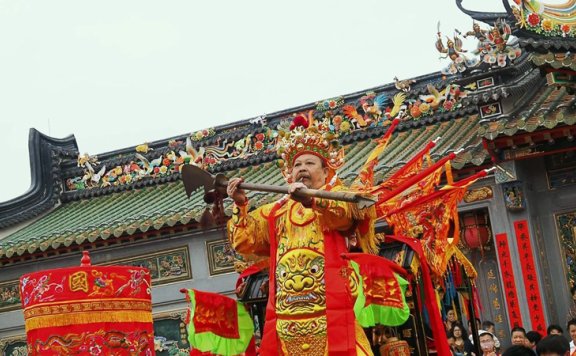
Chaoshan: 10 Cultural Pillars of a Distinct Region
To step into the Chaoshan (潮汕) region of Guangdong is to enter a world where ancient traditions are not preserved behind glass but are lived daily. This coastal corner of China, home to the cities of Chaozhou, Shantou, and Jieyang, has maintained a fiercely unique cultural identity. Its customs are a vibrant tapestry woven from threads of ancestral Han Chinese rituals and a distinct maritime spirit. Here are ten cultural pillars that define the Chaoshan way of life. 1. The Deity Procession: Ying Laoye (营老爷) Perhaps the most spectacular event in any Chaoshan village is the Ying Laoye, or "Welcoming the Deities" procession. On chosen days, usually during the Lunar New Year or a deity's birthday, the revered statues from local temples are carried on ornate palanquins on a thorough tour of the community's boundaries. The procession is a breathtaking display of communal effort, featuring vibrant flags, pounding drums, and troupes of performers. The goal is to invite divine blessings for peace, prosperity, and beneficial fortune for the entire community. Each village has its traditions, routes, and taboos, making every procession a unique and powerful expression of local identity and clan cohesion. 2. Yingge Dance (英歌舞): The Rhythm of Warriors… -
Hanfu on the Airport Runway: Yang Mi's Fashion Gambit That Divided China
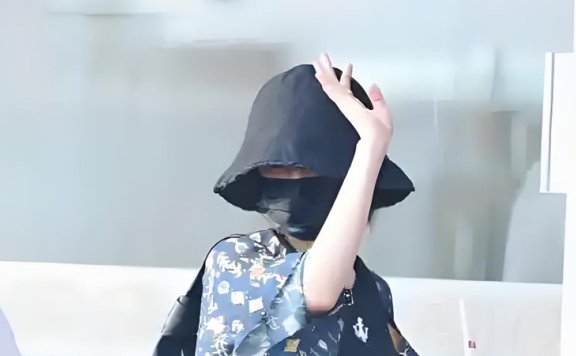
When 38-year-old actress Yang Mi (杨幂) strode through Beijing Capital International Airport on August 17, 2023, she didn't just travel; she ignited a nationwide fashion firestorm. Her outfit – a black sleeveless maxi dress layered under a striking blue printed Hanfu jacket, paired with silver sneakers, a fisherman's hat, a croissant bag, and a green drink – was an audacious blend of ancient tradition and hyper-modern street style. Instantly, the terminal buzzed. Passersby gasped at her effortless cool, fans flooded social media with praise for "Mi-style fashion," and the internet erupted with a singular question: which of her peers would dare to challenge conventions so boldly at 38? This wasn't merely a celebrity look; it became a cultural Rorschach test, forcing a conversation about tradition, modernity, and who gets to define Chinese style. The Scene Yang Mi's choice was meticulously calculated nonchalance. The blue Hanfu jacket, featuring a Yuanlingpao (圆领袍) often associated with historical formality, was transformed. Its loose, contemporary cut and deliberate clash with casual items – the laid-back fisherman's hat, the playful croissant bag, and the ultimate disruptor, chunky silver sneakers – stripped away any stuffiness. This fusion catapulted Hanfu aesthetics squarely into the realm of Gen Z… -
Green Sandalwood: Your Ancient Path to Peace and Vitality!
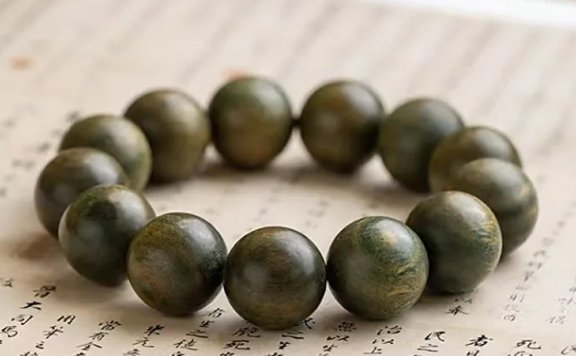
In today's fast-paced world, finding natural ways to soothe stress is crucial. Green Sandalwood, revered for centuries as a sacred wood, offers a timeless remedy. This ancient treasure, sourced from deep forests, brings harmony to modern life. Its subtle fragrance and elegant design make it a perfect companion for wellness seekers. Dive into the wonders of this "holy wood" and unlock a journey to inner calm and renewed energy. The Ancient Lore Green Sandalwood has been cherished since ancient times as a symbol of protection and prosperity. Chinese texts like the Compendium of Materia Medica highlight its ability to ward off negative energies and invite good fortune. This wood, known as "holy timber," was used in rituals for its purifying qualities. Its rich history connects us to nature's wisdom, making it more than just an accessory—it's a bridge to tranquility. Sourced from remote mountains, sink-grade Green Sandalwood stands out for its density and rich organic content. When exposed to sunlight, it transforms from a pale yellow to a deep emerald green, earning the name "jade incense." This natural color shift isn't just beautiful; it reflects the wood's vitality. Each piece features unique grain patterns, like fine silk or rippling waves,… -
Liu Tao's Qipao Stroll Through Guzhen
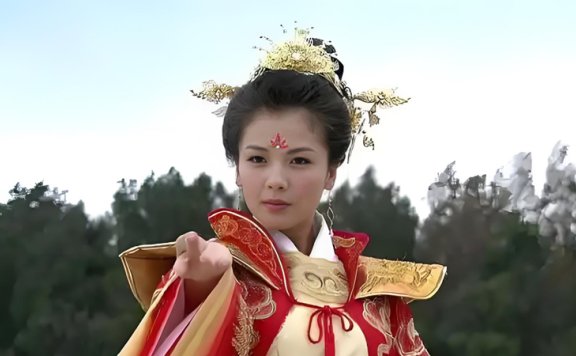
On a tranquil evening in an ancient town, under the soft glow of lanterns, Liu Tao (刘涛) emerges in a traditional Qipao, her presence transforming the scene into a timeless tableau of grace and resilience. This moment in Guzhen (古镇) isn't just about beauty—it's a window into her journey as an actress who defies fleeting trends with unwavering authenticity. Her story, rooted in hard work and quiet strength, resonates far beyond the screen, offering a powerful narrative of perseverance in the face of life's challenges. As we delve into her world, we uncover how this night symbolizes her essence: a blend of elegance and grit that captivates without clamor. Guzhen Night Picture this: the ancient town of Guzhen bathed in dim, golden light, with the gentle murmur of a nearby river setting a serene backdrop. Liu Tao appears, clad in a flowing Qipao, her steps light and deliberate, as if stepping out of a classic painting. The atmosphere shifts instantly to one of hushed reverence, where onlookers pause, drawn not by spectacle but by an ethereal charm that feels both distant and intimate. Her movements—subtle gestures like a turn of the head or a soft smile—carry an effortless poise, evoking… -
31-Year-Old Bai Lu Stuns in Golden Embroidered Qipao
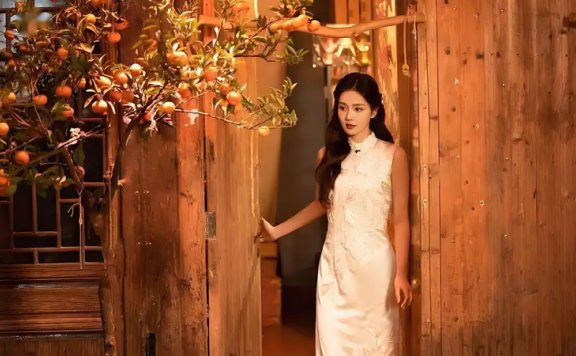
Since 2021, Bai Lu (白鹿) has consistently transformed her public image, evolving from a fresh-faced sweetheart to a captivating presence radiating sophistication. Her recent appearance in a live stream became an instant phenomenon. Clad in a stunning gold embroidered high-slit Qipao, she commanded attention like a beacon. Online commentary exploded with reactions ranging from awe to disbelief: "Is that a heart gesture? It feels lethal!" and "Was this Qipao sculpted just for her?". At 31, her ability to consistently generate such fervent admiration begs the question: what makes her fashion moments truly extraordinary? Craftsmanship and Confidence The gold embroidered Qipao itself spoke volumes of meticulous artistry. Its high slit masterfully accentuated her silhouette. Standing sideways during the broadcast, her defined waist and the subtle glimpse of her leg, combined with her luminous complexion, painted a picture of effortless grace. A slight tilt of her head revealed a sharp jawline, perfectly embodying a blend of innocence and allure. Viewers marveled, questioning if such poise could be real. While many contemporaries remain anchored in youthful styles, Bai Lu demonstrated the commanding power of a seasoned star in this traditional attire. Her discipline and dedication to her craft shine through, proving that self-mastery… -

Yunnan Summer Travel Handbook: Dive Into Nature and Culture Magic
Forget the standard tourist checklist. Yunnan is not a destination to be simply seen; it is a sensory awakening waiting to be experienced. This is a land where nature writes poetry across dramatic landscapes—from stone forests clawing at the sky to serene lakes mirroring snow-capped peaks. It's a place where ancient towns hum with centuries of stories, and vibrant traditions are woven into the very slopes of the mountains. To travel here is to step into a living tapestry, a breathtaking dance of earth, water, and sky. Pack your curiosity, leave your expectations behind, and prepare to be surprised by the wild heartbeat of eternal spring. 1. Yunnan's Wild Heartbeat Forget guidebooks. Yunnan isn't a checklist; it's a sensory awakening. Imagine stone forests clawing skyward, ancient towns humming with stories, lakes mirroring snow-capped giants, and traditions woven into mountain slopes. This isn't just travel; it's stepping into a living tapestry where earth, water, and sky perform an ancient dance. Pack curiosity, leave expectations behind, and let the land of eternal spring surprise you. 1.1 Shilin (石林) Step into a world sculpted by epochs. Shilin isn't merely rocks; it's a petrified ocean frozen mid-storm. Towering limestone pillars, resembling mythical beasts or… -
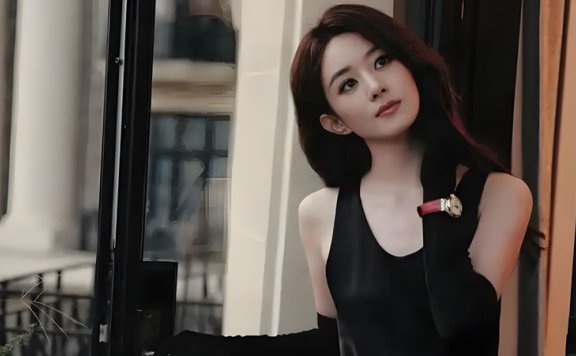
Zhao Liying: How Xu Banxia's Short Locks Became a Long Black Legacy?
When Zhao Liying (赵丽颖) stepped into the Longines livestream with raven hair cascading past her shoulders, the internet gasped. This wasn't just another celebrity hairstyle change; it felt like the return of a queen reclaiming her throne. Gone was the sharp, ambitious Wild Bloom (风吹半夏) persona Xu Banxia (许半夏). In her place stood a vision of timeless elegance, draped in head-turning black sophistication that sent viewers scrambling for screenshots. Could the actress who redefined power with a pixie cut now redefine grace with flowing tresses? The answer unfolded in velvet and silk, punctuated by a single, blazing stroke of crimson at her wrist. Style Alchemy The magic of Zhao's Longines appearance lay in meticulous craftsmanship. Her sleeveless top, crafted from liquid-like satin, captured the light with an almost lunar glow, sculpting her shoulders and collarbones with understated power. Below, a velvet skirt fell in perfect, gentle folds, its subtle movement adding softness without sacrificing structure. This wasn't merely an all-black ensemble; it was a masterclass in texture and silhouette. Against this sophisticated monochrome canvas, a single Longines watch in vibrant, uncompromising crimson blazed like a star against a night sky. This strategic burst of color wasn't just an accessory; it… -
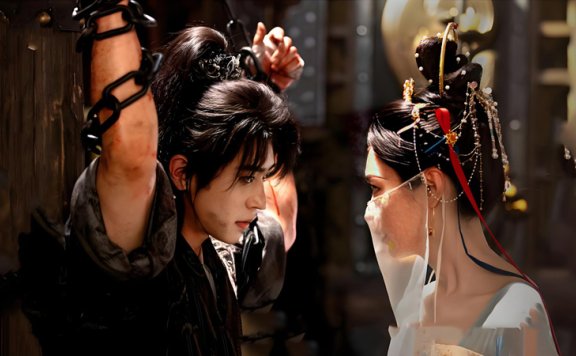
Shadow Love Weaves Political Intrigue and Identity Crisis
Shadow Love (与晋长安) premiered on iQiyi on August 24, instantly igniting the late summer historical drama landscape. Adapted from Jiu Lu Fei Xiang's (九鹭非香) novel, this fantasy romance follows General Li Shuang (黎霜) who rescues amnesiac enemy prince Duan Aodeng (段敖登, now Jin An 晋安). Their accidental blood pact triggers a love story tangled with shifting identities and national loyalties. Within hours, its anime-inspired visuals, layered romance, and high-octane action propelled the series past 8000 on iQiyi's popularity charts, proving compelling stories always find their audience. Anime Power Unleashed The opening episodes deliver an unforgettable visual punch. Director Deng Ke (邓科) establish a distinct aesthetic, blending historical grandeur with dynamic fantasy. A defining moment arrives early: Duan Aodeng's plunge into a blood pool. Emerging transformed, plasma streaming from his hair and chiseled features, his eyes glow with unnatural blue and red hues. Intricate blue sigils pulse across his chest under the crimson rain. This isn't just spectacle; it's narrative alchemy. He becomes Yulinglong's (玉玲珑) vessel – an amnesiac, unstable shadow puppet bound by instinct. This accident binds him to Li Shuang through a blood covenant. As Jin An, he oscillates between childlike dependence and lethal potential. When Li Shuang faces danger,… -
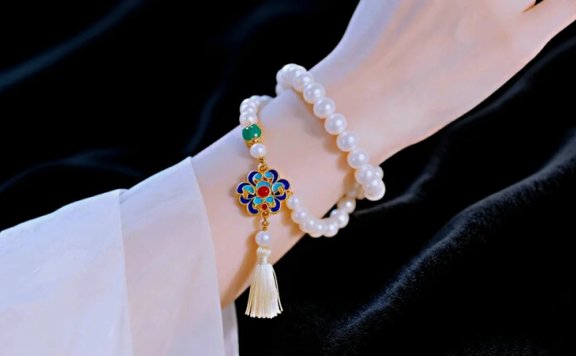
Pearl & Cloisonne: Your Secret to Ethereal Hanfu Style!
Witnessing a revived tradition, Hanfu gracefully reclaims its place in modern wardrobes. This resurgence speaks volumes about our renewed appreciation for heritage aesthetics. The flowing silhouettes and delicate details of Hanfu naturally evoke an aura of timeless elegance. To truly amplify this ethereal charm, the right accessories are essential. Forget fleeting trends; discover how the classic pairing of lustrous pearls and vibrant Jingtai Lan (Cloisonne) beads can elevate your Hanfu look into something truly transcendent. Choosing complementary jewelry transforms an outfit. Soft-hued gemstones create the perfect foundation for Hanfu's delicate beauty. Think luminous white or blush pearls, serene moonstone, gentle rose quartz, aquamarine, honeyed amber, or the soft greens of jade or malachite. These subtle shades offer versatility. For those seeking a touch more intensity, garnet, lapis lazuli, or carnelian provide options. Today, we focus on mastering the exquisite harmony between pearls and Jingtai Lan, empowering you to craft a signature style. Color Harmony Rules The magic lies in balance. Pearls, especially classic white, offer unmatched softness and versatility. Their gentle sheen provides a calming base. Jingtai Lan, conversely, bursts with intricate, vivid colors achieved through its unique enamel artistry. This contrast demands careful pairing. Choose pearls as the dominant… -
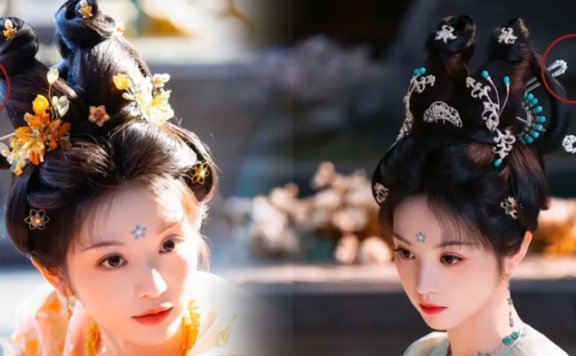
Ancient Hair Art: How Tang Dynasty Styles Defied Gravity in Dramas
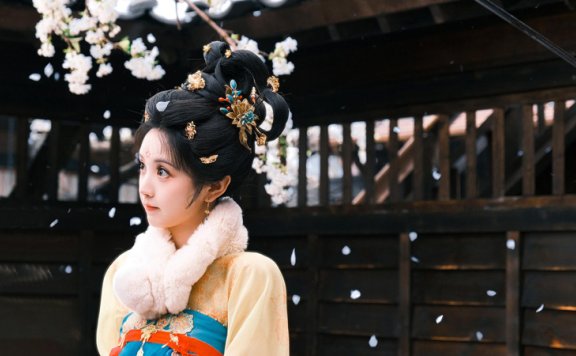
When watching historical dramas, we often marvel at the gravity-defying hairstyles—elaborate loops, towering buns, and intricate coils that seem to float effortlessly. These "zero-gravity aesthetics" leave us wondering: how did ancient women achieve such dramatic looks without modern tools? This article delves into the ingenious methods used in dynasties like the Tang, revealing how hairpins and accessories transformed hair into art while defying physics. Through examples from popular shows and paintings, we uncover the secrets that kept these styles intact, blending functionality with breathtaking beauty. The Role of Hairpins In historical dramas, characters sport stunning coiffures that appear weightless, like those in Moonlit Reunion (子夜归) featuring Tian Xiwei (田曦薇). Her character's ring-shaped styles aren't held by wire or glue; instead, ancient artisans relied on hairpins for both fixation and adornment. These pins, often single-pronged or double-pronged, anchored the hair at key points, creating a sturdy framework that supported even the most complex shapes. Unlike today's temporary solutions, these tools were elegant and durable, proving that ancient craftsmanship was both practical and artistic. Hairpins weren't just functional—they added decorative flair. For instance, in Ladies Wearing Flowers painting, symmetrical pins embellished the hair, their designs varying from simple to ornate based on… -
Moonlit Reunion: New Drama about Strange Tales Aesthetics
In traditional Zhi Guai (志怪, tales of the supernatural) stories, fox spirits deceive scholars, white snakes give up immortality for human love, and demon hunters and demons are sworn enemies. But when these same elements are reimagined today, they can completely overturn old assumptions. So how fresh is the setup of Moonlit Reunion (子夜归), the latest Tencent Video drama? By day, the male lead is just another disgruntled office worker, demoted after angering his boss. By night, he becomes a sharp-witted demon hunter who even teams up with a cat spirit to solve cases. The female lead, meanwhile, can be a playful tabby leaping across rooftops one moment, and with a change of clothes transforms into a glamorous county princess adored throughout Chang'an. When darkness falls, the bustling capital transforms into a sanctuary for spirits. Yet instead of bloody predator-prey battles, the nocturnal city dazzles with lights and order, forming a poetic contrast to the daytime metropolis. Directed by Lü Haojiji and produced by Ningmeng Pictures, Moonlit Reunion stars Xu Kai and and premiered exclusively on Tencent Video on August 18. The series presents a bold vision of a "dual Chang'an"—one world in daylight, one in shadow—woven together through mystery,… -
Legend of The Female General: Zhou Ye’s New Costume Dramas
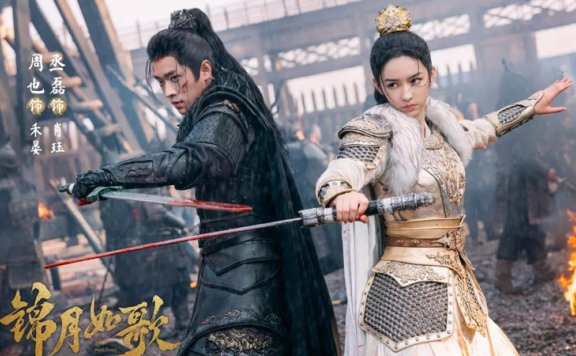
Every summer, costume dramas built around female protagonists dominate the screen. This year, Tencent Video's Legend of The Female General (锦月如歌) has stepped into that spotlight. The series is adapted from The Reborn Female General, a hit novel by Qian shan Cha ke. As one of the leading authors in online literature, Qian shan Cha ke is particularly well known for her "rebirth" series, and this novel stands as one of its representative works. From the moment the drama adaptation was announced, the buzz around Legend of The Female General never really stopped. Its broadcast performance has been impressive. Since its premiere on August 6, the show quickly gained momentum. Within just four days, it crossed an internal popularity index of 26,000 on Tencent Video, earning a place in the "Most Watched" club. It also topped national TV ratings across three monitoring platforms—CSM, Huan, and Kuyun—for two consecutive days. As of this writing, it continues to hold the No.1 spot on Maoyan's real-time popularity chart, as well as Douban's television ranking. On social platforms, discussions have spread quickly. Viewers are sharing clips of punchy dialogue from a female perspective, the heroine's revenge moments, and the male lead Cheng Lei's performance—often… -
Why Women Can't Resist These 8 Crystals
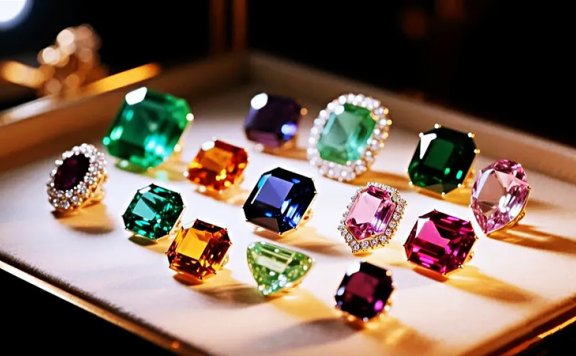
For many women, crystals represent far more than decorative accessories. They serve as personal talismans that blend aesthetic appeal with emotional resonance. In today's fast-paced world, these natural treasures offer psychological comfort and a tangible connection to positive aspirations. Beyond their visual charm, they fulfill a deeper need for self-expression and mindful living. 1. Tourmaline Tourmaline stands out in the colored gemstone world with its spectacular color range. A single stone often displays multiple hues, creating rainbow-like effects within its structure. This versatility makes matching with various outfits effortless. What truly captivates women is its accessible luxury. It delivers vibrant, eye-catching beauty without extravagant pricing. This combination of visual impact and value creates irresistible appeal for personal collections. 2. Garnet Known as the "woman's stone," garnet enjoys enduring popularity for good reason. Its rich, saturated tones complement skin tones beautifully, creating a brightening effect. Unlike some precious gems, it remains comfortably within reach for most enthusiasts. This gemstone pairs seamlessly with both gold and silver settings. Its warm glow adds instant sophistication to any look, making it a versatile choice for everyday elegance. 3. Sugilite Sugilite commands attention with its regal purple hues. Its distinctive coloration isn't commonly found in… -

Why Garnet Jewelry Makes Every Outfit Pop: 4 Unexpected Pairings!
Forget playing it safe with jewelry. Garnet, the gemstone world's unsung hero of versatility, offers stunning possibilities beyond the ordinary. Its rich, captivating hues—deep wines, vibrant magentas, warm oranges—possess a unique ability to harmonize or create striking contrasts. Forget complex rules; unlocking garnet's full potential is about embracing bold yet balanced combinations. High clarity stones are essential; cloudy or heavily included pieces lose their vibrancy and impact. Discover how pairing this dynamic gem with unexpected elements can transform your accessory game from simple to spectacular. 1. Gold's Warm Embrace Pairing garnet with gold isn't just popular; it feels instinctively right. The gem's deep, resonant red finds a perfect counterpoint in gold's warm, radiant glow. Together, they radiate confidence and sophistication. garnet provides a grounded intensity, while gold introduces an element of luxurious flair. This combination avoids being overly flashy. The inherent richness of both materials creates a look that's undeniably elegant without shouting for attention. It’s a testament to timeless appeal, effortlessly bridging classic and contemporary tastes. Opt for deeper red garnets for the most dramatic effect against yellow gold. The contrast is less stark with rose gold, offering a softer, more romantic vibe while maintaining the inherent warmth of… -
How Pink Crystal and Cloisonne Redefine Fashion
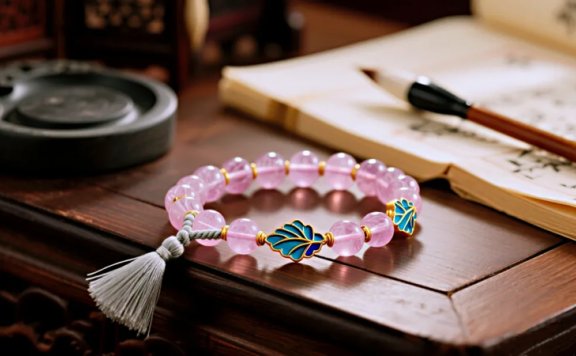
Have you ever wondered if a delicate pink crystal and vibrant Cloisonne could spark a fashion revolution on your wrist? Imagine the soft allure of Pink Crystal meeting the rich heritage of Cloisonne, creating a blend that's both timeless and trendy. This pairing isn't just jewelry—it's a statement of elegance and innovation. Whether you're a young enthusiast or a lover of classic styles, combining these elements adds a unique flair to any outfit. Forget the ordinary; embrace this dynamic duo to transform your daily accessories into conversation starters. It's all about balancing sweetness with sophistication, making every glance at your wrist a moment of pure delight. Elegant Fusion The charm of Pink Crystal lies in its gentle, translucent hue that radiates innocence and warmth. When worn as a bracelet or necklace, it instantly softens your look, evoking a sense of youthful grace. Many find it irresistible, especially those drawn to subtle, feminine aesthetics. Its simplicity makes it versatile, perfect for everyday wear without overwhelming your style. In contrast, Cloisonne brings a burst of bold colors—deep blues, vivid greens, and festive reds—often accented with fine gold wires. This ancient craft exudes a regal air, reminiscent of historical opulence and cultural richness.… -
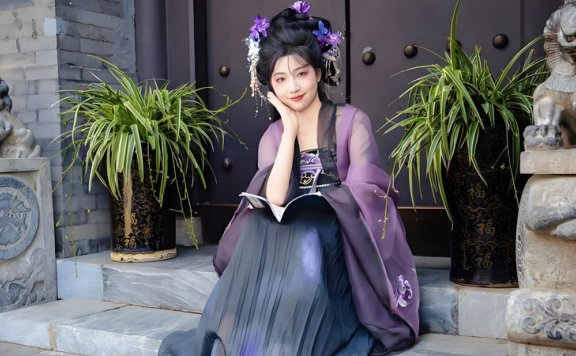
The Fabric of Culture: Unwrapping the Modern Hanfu Movement
I remember the first time I properly wore Hanfu. It wasn’t for a costume party or a photoshoot. It was a simple, linen-lined top and a flowing skirt, worn on a casual afternoon. As I tied the final sash, something clicked. It wasn’t about looking ancient; it was about feeling a profound sense of connection. This, I realized, is the subtle, enduring romance of Hanfu. It’s a wearable language, a quiet conversation between the past and the present, and it’s experiencing a beautiful revival far beyond China's borders. A Silent Language of Pattern and Form To the untrained eye, Hanfu might just look like beautiful fabric. But every stitch, every fold, speaks a deliberate language. It’s a design philosophy where aesthetics are deeply intertwined with meaning and function. The patterns are a lexicon of positive wishes. A peony embroidered on a collar isn’t just a flower; it’s a silent prayer for prosperity and honor. Swirling cloud patterns trailing down a sleeve aren’t mere decoration; they represent a desire for freedom and a carefree spirit. Even the choice of a solid, unadorned fabric reflects a core tenet of Chinese philosophy: the elegance of simplicity, the idea that true beauty often lies… -
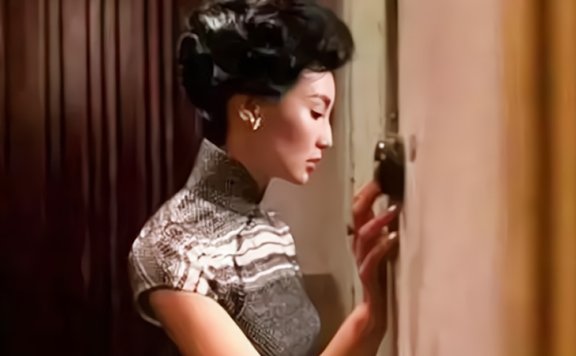
Beyond the Silhouette: Decoding the Qipao’s Timeless Appeal
Walking into the world of Qipao can feel like stepping into a beautiful, but slightly overwhelming, art gallery. You know you're looking at something special, but where do you even begin? As someone who's navigated this myself, I can tell you that finding your perfect Qipao isn't about following strict rules—it's about understanding three core elements that transform it from a costume into your dress. Forget complex historical deep dives; let's talk fabric, cut, and design like you're shopping with a knowledgeable friend. Pick Your Fabric Wisely This is the most important decision you'll make. The fabric doesn't just determine how the Qipao looks; it dictates how it feels to wear it all day. For everyday occasions, you want something breathable and low-maintenance. Cotton-linen blends or textured cotton twill are your best friends. They're comfortable, resist wrinkles, and have a casual, chic vibe. Picture a simple grey linen Qipao with subtle pearl buttons—perfect for a weekend brunch or exploring a city market. These natural fibers allow your skin to breathe, making them ideal for warmer climates or extended wear. The texture of these fabrics also adds depth and character to simpler designs, proving that elegance doesn't require formality. When the…