Article
搜索结果:
-
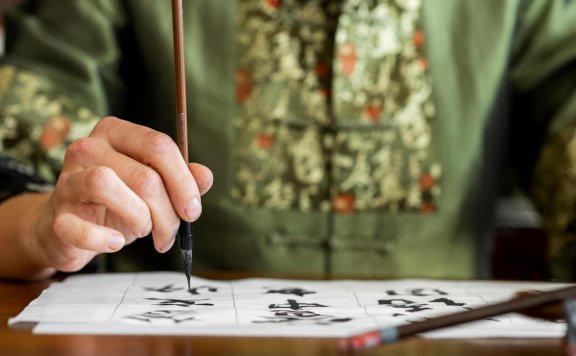
Korean Language Learning Paired with Chinese Calligraphy and Hanfu Workshops
I. Introduction to the Benefits of Cultural Learning The learning of culture is an enriching activity that surpasses language acquisition. It opens one's eyes to the traditions, customs, and artistic expressions that shape a society. When individuals embark on learning a foreign language, they are not merely memorizing vocabulary and grammar rules; they are tapping into a rich heritage of cultural richness. This exchange generates empathy, broadens world perspectives, and enhances communication skills, enabling students to connect with others on a personal level. A. Importance of Language Acquisition in Cultural Context Language reflects culture, adopting the values, beliefs, and history of a people. Through Korean learning, for example, students gain familiarity with the complexities of Korean society, including its etiquette, social norms, and historical context. Studying the language in its cultural context allows students to understand the subtleties of communication, such as honorifics for conveying respect and idiomatic expressions for revealing cultural attitudes. Not only does such a cultural approach enrich the process of learning the language, but it also fosters an attitude of global citizenship. B. Korean Language Overview Korean, the official language of both North and South Korea, stands out with its distinct phonetic and grammatical structures. Its… -

A Culinary Journey to the West in Beijing
This September, a unique event is transforming a corner of Beijing's Shougang Park (北京首钢园) into a vibrant crossroads of food, folklore, and fun. The "Wuhuatianbao·Xiyou Shengyan" (物华天宝·西游盛宴) food market is more than just a place to eat; it's a creative playground where China's classic culinary names shake hands with one of its most beloved stories, creating an unforgettable fusion of taste and tale. This innovative concept aims to bridge generations, inviting both those who grew up with the legend and newcomers to experience it in a wholly original way. Running from September 10–14 as part of the 2025 China International Fair for Trade in Services (CIFTIS), this market is the brainchild of Beijing Huatian Food Group (北京华天饮食集团). It brings together a roster of the city's most famous time-honored restaurants for a collaborative experiment, all themed around the iconic 1999 CCTV animated series Journey to the West. The choice of Shougang Park, a symbol of industrial transformation, as the venue is particularly apt, echoing the event's own theme of reinventing tradition for a modern audience. The industrial backdrop provides a striking contrast to the mythical world being created, enhancing the sense of entering a special, separate realm. Old Brands, New Roles Forget… -
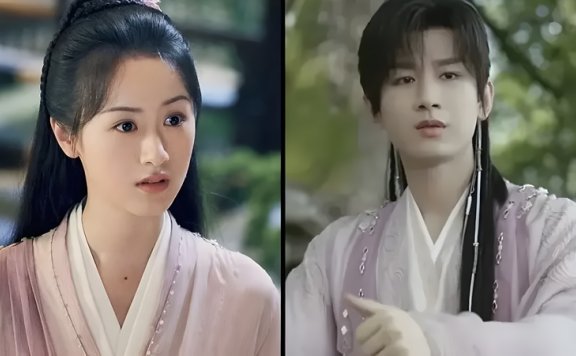
Why Is Men’s Clothing in Today’s Costume Dramas More Feminine?
In recent years, viewers of Chinese historical television series have noticed a curious trend: the costumes worn by male characters increasingly resemble those designed for females, featuring slender cuts, pastel colors, and flowing fabrics that emphasize a delicate aesthetic. This shift raises questions about how gender is represented in period dramas and whether it reflects historical accuracy or modern creative liberties. While ancient China did have instances of unisex clothing, distinctions based on color, pattern, and occasion were strictly maintained after certain dynasties. Today's productions, especially fantasy genres like Xianxia immortal heroes dramas, often prioritize visual appeal over historical fidelity, leading to a blending of masculine and feminine elements. This article examines the historical context of gender-specific attire in China and explores how contemporary media influences perceptions, potentially shaping audience expectations and real-world fashion choices. Historical Foundations In early Chinese history, such as during the Qin and Han dynasties, clothing was often unisex, with both men and women wearing robe-like garments known as Paofu (袍服, robe clothing). For example, in dramas like The secret Dragon in the Abyss (三国机密之潜龙在渊), characters don straight or curved-hem robes, but differences emerged in details like embroidery and hues. Women's attire featured brighter colors and… -
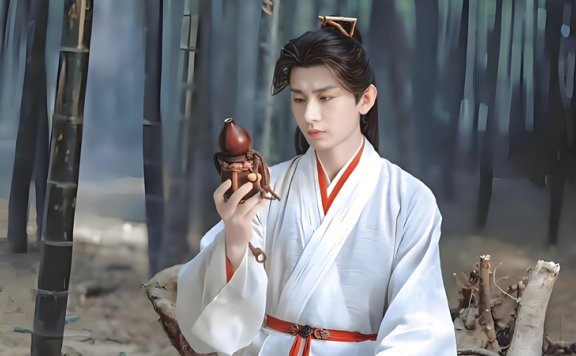
The Legend of Journey: A Modern Soul in a Wuxia World
When a television series opens with a disillusioned modern writer suddenly thrust into the world of his own creation, expectations are immediately subverted. This is the premise of the new drama The Legend of Journey (赴山海), which has sparked intense debate since its debut. At first glance, the combination of a 'book-transmigration' plot, a tech-based system, and the classic Wuxia genre seems like a chaotic mix. Yet, beneath what some dismiss as a gimmicky surface lies a thoughtful examination of a timeless question: what does it mean to be a hero in a world that prioritizes survival over chivalry? The series uses its unconventional framework not to mock tradition, but to ask if ancient virtues can withstand the pressures of contemporary life, making it far more than the sum of its seemingly disjointed parts. A Hero for Today The protagonist, Xiao Mingming (肖明明), is a character countless viewers will recognize. He is a modern office worker, his dreams of grandeur flattened by the daily grind. When he finds himself inhabiting the body of the heroic Xiao Qiushui (萧秋水), he brings with him a modern cynicism and a desperate desire to avoid danger. This creates the central tension. The original Xiao… -
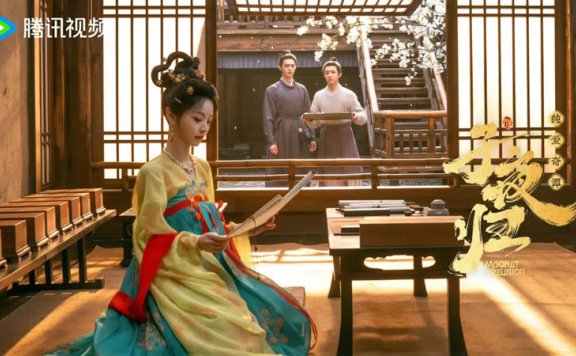
Conversation with Producer of Moonlit Reunion
The happy ending went viral on Weibo. Mei Zhuyu and Wu Zhen overcame the barrier between humans and demons to be together, and viewers were thrilled: "This is the HE (happy ending) we wanted!" Unlike other hit dramas that relied on constant twists, cliffhangers, or heavy plotting, Moonlit Reunion locked onto what today's viewers actually want to feel. With delicate visuals and the flow of everyday emotions between characters, the show offered audiences a journey into another world. That difference allowed Moonlit Reunion to break free from the clichés of fantasy costume dramas. Its emotional frequency matches modern audiences—when we're touched by the pure love in the show, deep down it's because we all long for the courage to choose and the right to be chosen. So what exactly made the drama hit that emotional "switch" for so many? Huan.tv Big Data sat down with producer Wu Ruoyan to look behind the curtain. All Cast, All In: Form and Spirit as One "First the form, then the spirit." That was the casting philosophy, and it's why Moonlit Reunion could hook viewers in seconds. Whether it's the contrast written into the leads or the arcs given to supporting characters, every performance… -
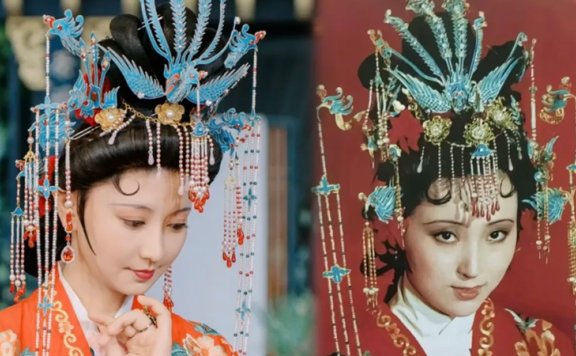
Lan Xi's Portrayal of Lin Daiyu Sparks Casting Debate Among Fans
When actress Lan Xi (斓曦), celebrated for her role as Shen Meizhuang (沈眉庄) in the television series, recently shared images of herself dressed as Lin Daiyu (林黛玉) from the classic 1987 adaptation of The Dream of Red Mansions (红楼梦), she ignited a fervent discussion among fans. Paying homage to the iconic wedding look of the character made famous by Chen Xiaoxu (陈晓旭), Lan Xi expressed that portraying the ethereal Lin Daiyu was a long-held personal ambition. Yet, while many admired her dedication, a significant number of viewers voiced a different opinion: her dignified aura might be a better fit for another character from the epic tale, the tragic You Erjie (尤二姐). This debate does more than just compare actresses; it opens a fascinating window into the intricate world of traditional Chinese costume and its powerful role in shaping a character's identity on screen. The Beizi's Timeless Grace The most striking element of Lan Xi's portrayal is the Beizi (褙子), a long, elegant outer garment that defines Lin Daiyu's visual identity in the 1987 series. This particular style of robe, which gained prominence during the Song and Ming dynasties, is characterized by its straight collar, front opening, and long, narrow sleeves.… -
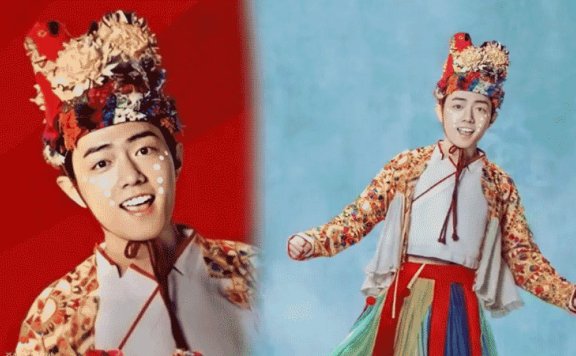
Xiao Zhan's Floral Headpiece in Monster Hunt 2
When actor Xiao Zhan (肖战) appeared in the 2018 fantasy film Monster Hunt 2 (捉妖记2) wearing a bizarre hat adorned with a colorful array of flowers, it sparked curiosity and amusement among viewers. Many wondered about the inspiration behind such an unusual accessory, which looks like a miniature garden perched on his head. Little did they know that this design has historical roots dating back to China's Northern Song Dynasty (960-1127), where a similar aesthetic known as Yi Nian Jing (一年景) was popular. This concept involved combining floral elements from all four seasons to symbolize completeness and eternal beauty, often used in clothing, jewelry, and art. The hat in the film, set in the fictional Yongning Village, echoes this tradition, showing how ancient Chinese culture continues to influence modern storytelling. This article explores the fascinating connection between Xiao Zhan's cinematic headpiece and the historical Yi Nian Jing, delving into its origins, significance, and contemporary relevance. Historical Roots The Yi Nian Jing aesthetic first gained prominence during the late Northern Song Dynasty, particularly around the Jingkang period (1126-1127), as recorded in historical texts such as Lu You's (陆游) Lao Xue An Notes (老学庵笔记). According to these records, it was a style… -
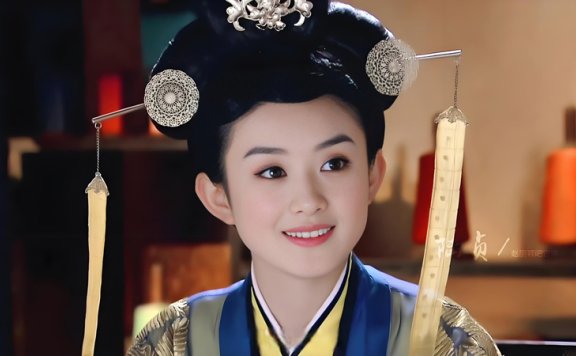
What Is the Name of Zhao Liying's Long Hairpin with Ribbons?
Have you ever watched a Chinese historical drama and been captivated by the elegant hair accessories, particularly those long hairpins with flowing ribbons? In shows like The Legend of Lu Zhen (陆贞传奇), starring Zhao Liying (赵丽颖), characters often sport intricate updos adorned with what appears to be a slender hairpin paired with two delicate cloth strips. This distinctive look has sparked curiosity among fans, leaving many to wonder about its name and origins. While it evokes a sense of ancient charm, this style is largely a modern interpretation seen in television and animation, blending aesthetic appeal with creative liberty. Unlike traditional pieces rooted in strict cultural protocols, these accessories prioritize visual drama over historical accuracy. Their popularity highlights a broader trend where contemporary media reimagines the past, making ancient fashion accessible to global audiences. This article delves into the background of this iconic hairstyle, tracing its possible inspirations from East Asian traditions and examining how it has evolved on screen. Korean Court Origins The hair accessory resembling a long hairpin with ribbons may draw inspiration from a Korean noble piece known as the Tutule Tangzhi (图涂乐唐只). Worn by aristocratic women during the Joseon Dynasty, this ornament was reserved for significant… -
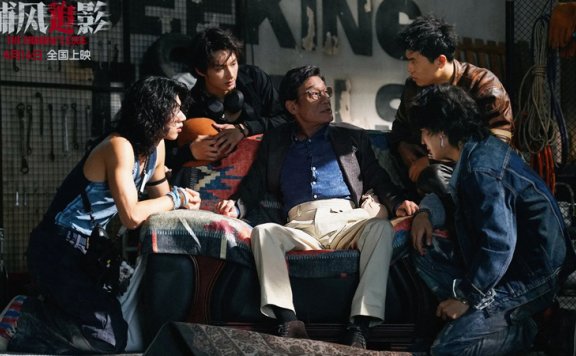
The Shadow’s Edge: A Throwback Action Gem
If you’d asked me two years ago to name a great modern urban action movie, I might have struggled. Now, I have an answer: The Shadow’s Edge (捕风捉影). This 2025 release, starring Jackie Chan and Tony Leung Ka Fai, quietly became a standout summer hit. Forget bloated CGI spectacles. This film delivers crisp, practical action and a pace that doesn’t quit. It feels like a welcome return to form. A Familiar Chase, Elevated The plot is straightforward. Tony Leung plays Fu Longsheng (傅隆生), a master thief known as "Shadow," who leads a crew of adopted sons on a high-stakes heist in Macau. Jackie Chan is Huang Dezhong (黄德忠), a retired tracking expert pulled back in to help the police. The chase is on, complicated by a mutiny within Leung's own crew. The setup might sound familiar, especially to fans of the 2007 film Eye in the Sky (跟踪). In fact, The Shadow’s Edge feels like a deliberate homage. Both films share a similar gritty, realistic aesthetic and breakneck pacing. Tony Leung even plays a similar antagonist in both, though his role here has more layers—a wolf-like king with a surprising capacity for fatherly love towards his rebellious "cubs." The Action… -
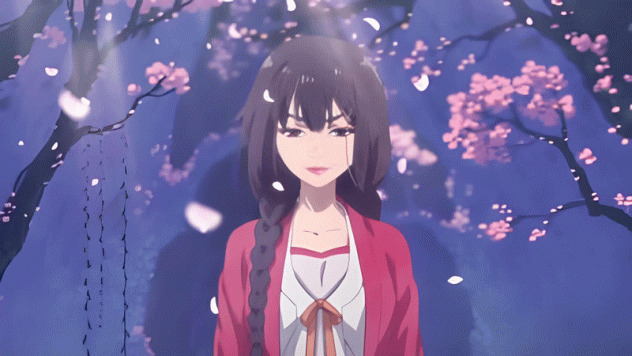
Fairies Albums: More Than Just Demons
In the world of Fairies Albums (百妖谱), we follow Tao Yao (桃夭), a mysterious healer from Taodu (桃都). She has one rule: she only treats demons, never humans. Traveling with her are a young Buddhist monk named Mo Ya (磨牙), a fox demon called Gun Gun (滚滚), and later, a snake demon, Liu Gongzi (柳公子). This unusual group operates in the spaces between our world and the realm of Yao (妖), or demons. Stories That Tug Heartstrings The narrative unfolds in standalone chapters, each a self-contained tale that subtly connects themes of human and demon nature, good and evil, love and obsession. It's not about epic battles, but about quiet, profound moments. Take the story of the Hui Hu (灰狐), the Gray Fox. A young boy saves it, and decades later, when the boy, now a hardened general, faces death, the fox returns the favor. It makes a huge sacrifice, giving up its chance to attain immortality, just to guard the man's grave for a century. This story asks: who remembers a promise longer—a human or a demon? Then there's the Shu Jin Niao (漱金鸟), the Golden-Spitting Bird. Bound by a promise, it stays in a deserted courtyard, producing gold… -
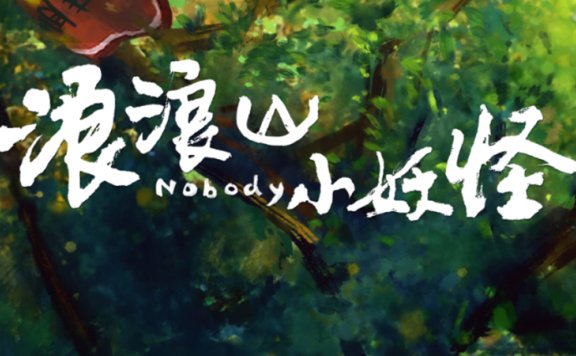
Nobody: A New Animated Classic
The 2D animated feature Nobody (浪浪山小妖怪) has become a cinematic sensation in China, earning over 1.5 billion RMB at the box office. This film builds on the popular short The Winter of the Little Pig Demon, part of the anthology Yao-Chinese Folktales (中国奇谭). Its approach is intriguing: it sidesteps the legendary Tang Seng (唐僧) and Sun Wukong (孙悟空), focusing instead on four anonymous, low-level monsters from the bottom of the mythical food chain. The Nobody Protagonists Nobody stands out through its relatable setting. Nobody is no mystical paradise but a pressure cooker. It operates like a hyper-competitive "monster corporation," echoing the demands of a modern workplace. The film is rich with familiar office frustrations: navigating rigid hierarchies, handling nepotism, deflecting blame, and the fatigue of being a small part of a large system. The lead character, a diligent little pig demon, scrubs pots with such intensity he wears down his own bristles—a poignant image for anyone who has experienced burnout. The four central characters capture different career stages. A shy, insecure gorilla monster reflects the anxious new hire. The proactive, eager pig demon is the employee hitting their stride and seeking recognition. A cynical, opportunistic frog spirit plays the jaded… -
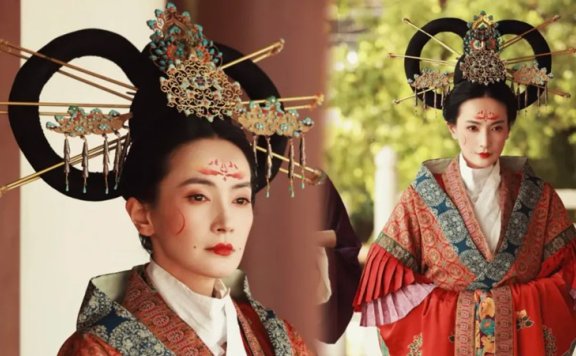
The Tang Dynasty Symbolism Behind Li Yuan's Celestial Hanfu Look
When actor Li Yuan (李媛) unveiled her latest Hanfu (汉服) editorial, the internet struggled to recognize the same person who played the fierce, shaven-headed assassin Yu Chang (鱼肠) in the hit drama The Longest Day in Chang'an (长安十二时辰). Her breathtaking transformation into an early Tang Dynasty noblewoman left viewers questioning whether this could possibly be the same performer. With intricate hairstyles resembling celestial wheels and lavish silk robes, the images present a radical departure from her on-screen persona, inviting both admiration and curiosity about the historical accuracy and symbolism behind such extraordinary designs. The Celestial Hair One of the most striking elements of Li Yuan's new look is the magnificent twin-chignon hairstyle, towering high above her head like twin halos or ancient wheels. This specific design, known as Shuang Huan Wang Xian Ji (双鬟望仙髻, Immortal-Adoring Twin Loops), draws direct inspiration from murals found in the tombs of noblewomen from the early Tang period. These elaborate styles often reached heights exceeding two feet and required immense skill and time to construct. Historical records and archaeological findings suggest that wealthy Tang women often used pre-made structured hairpieces to achieve such dramatic looks. These accessories were secured with gold hairpins, Dian (钿, inlaid… -
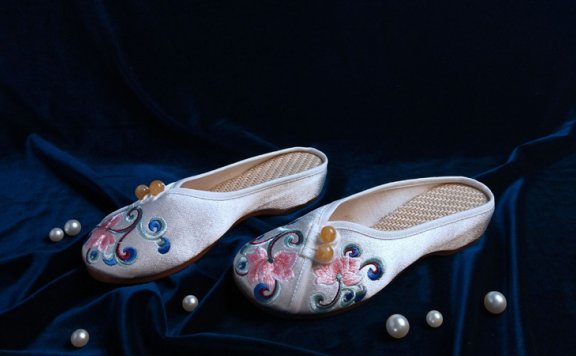
Why Are Slippers So Rare in Historical Chinese Dramas?
Viewers often notice a curious absence in historical television series set in ancient China. Characters stroll through palace corridors, relax in private gardens, and even sleep in lavish bedrooms—all while wearing the same sturdy, often elaborate, boots or cloth shoes. Where are the slippers? This question isn't just a modern pedantry; it touches on a broader conversation about historical accuracy, modern production choices, and the surprising realities of ancient Chinese footwear. The common assumption is that open-back shoes are a modern convenience, but a dive into history reveals a different story, one of practicality, fashion, and a rich sartorial culture that many contemporary shows overlook. Ancient Footwear Fashion The notion that ancient people lacked comfortable, casual footwear is a misconception. Archaeological finds and historical texts confirm that open-back shoes, known as Sa shoes (靸鞋), were worn as early as the Warring States period. These were not crude prototypes but deliberate designs, often featuring straps or intricate decorations. They served a practical purpose in a time before air conditioning, offering relief from the heat and a convenient option for indoor relaxation. In the classic novel The Dream of Red Mansions (红楼梦), the protagonist Baoyu (宝玉) is described wearing such shoes, padding… -
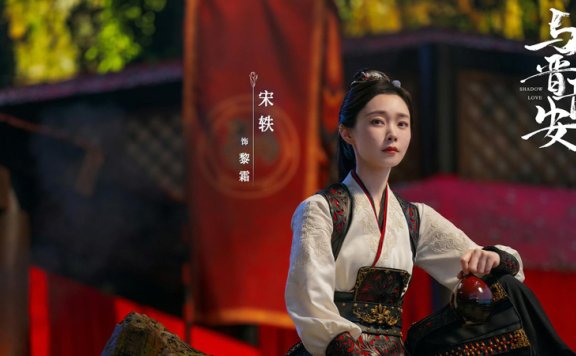
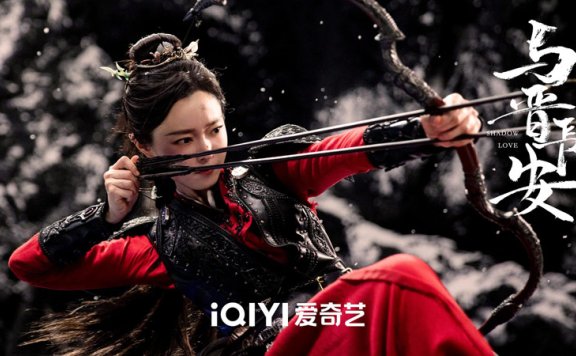
Song Yi: Embodying the Strategic General in Shadow Love
When an actor's style has already won recognition, stepping out of that comfort zone is never easy. It means facing the unknown, and it also means being judged again through the lens of past roles. That's exactly what Song Yi attempts with Shadow Love (与晋长安), where she plays the female general Li Shuang. Unlike her well-known "talented lady" roles, Li Shuang requires both sharp intelligence and raw courage—she must be decisive on the battlefield while carrying a quiet tenderness inside. This performance matters not only because audiences bought into her mix of strength and vulnerability, but also because it shows Song Yi pushing for more complex characters and wider acting range in her career. Act as A "Strategist General" with Both Iron and Softness Built around a "blood pact" fantasy element, the show offers what viewers call a "manhua-style" (漫感, meaning the fast-paced, heightened feel of reading a Chinese webcomic) drama-watching experience. Since its release, Shadow Love has steadily climbed in popularity. On iQIYI International, it has already topped the streaming charts in nine regions including the US and Japan, showing clear cross-border appeal. Data from consulting firm Detawen highlights the real driver: Song Yi's Li Shuang accounts for up… -
Grounded Costume Dramas Stay Hot with Heroines Chasing Careers
Adapted from Qianshan Chake's novel, Legend of The Female General (锦月如歌) received a Yunhe rating of S+, marking the first big splash for the "female general" subgenre of costume romance. So far this year, grounded costume dramas (落地古偶, meaning historical dramas rooted in reality rather than heavy fantasy) have kept their momentum. Shows like Flourished Peony (国色芳华), The Glory (雁回时), The Prisoner of Beauty (折腰), and Coroner's Diary (朝雪录) all drew strong reactions. With traditional fantasy xianxia dramas losing steam, these grounded works are holding steady. Why that is deserves a closer look. If we break it down by subgenres, the picture gets clearer: whether it's palace intrigue, mystery-solving, wuxia-inspired stories, or political power plays, these staples are always reliable. And in recent years, the rise of female-led stories—businesswomen, military commanders—has only added to the mix. For audiences, watching a heroine build her career can be just as satisfying as watching her fall in love. Popular Genres Shift to Female Generals Within grounded costume dramas, palace intrigue, mystery, wuxia, and political scheming remain the most enduring topics. Producer Lin Li explained: "In a platform-driven production system, these themes are safe bets because past data has already proven their appeal." Looking… -
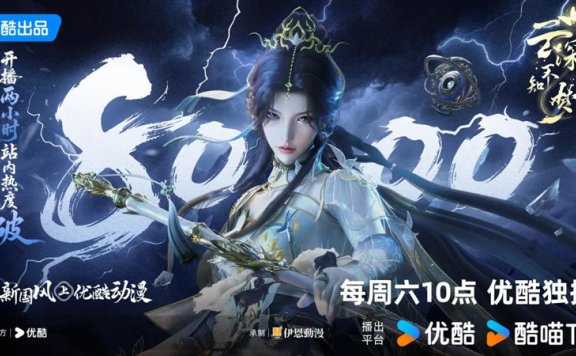
Eclipse of Illusion: The First 3D Female-Led Revenge Hit
This summer, Chinese animation has been swept by a surge of what fans are calling "her power" (a buzzword in Chinese internet slang that highlights stories centered on strong female characters). The first 3D female-oriented animation from Youku, Eclipse of Illusion / Veiled Dreams (云深不知梦), made an explosive debut. Marketed as a "female-led revenge fantasy," it lit up the summer season the moment it dropped. Viewers were hooked by Yun Wangshu's wedding-day betrayal, which threw her straight into a "hell mode opening," then thrilled by her face-swapped rebirth and step-by-step revenge plan. Comments like "rebirth revenge is so addictive" and "this is the female lead we've been waiting for!" quickly flooded social platforms. The buzz wasn't just hype—it was backed by hard numbers. Before launch, reservations had already crossed 2.25 million, signaling sky-high anticipation. After release, the show's popularity surged, peaking at 8,620 on the heat index. It held the #1 spot on Youku's animation chart for female viewers, and within just one month broke into the annual Youku animation sales Top 7. On Yunhe's "binge chart" (a ranking of most-watched new series across platforms), it also stayed at the top. These figures built a solid foundation for its breakout success.… -
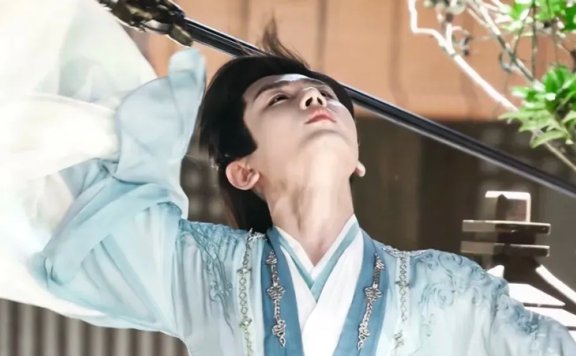
Why Do Ancient Costume Dramas Have Such Big Sleeves?
Recently, the ancient costume drama The Journey of Legend (赴山海) has gained popularity, and netizens have recalled the costumes of Li Lianhua, (李莲花) played by Cheng Yi, in Mysterious Lotus Casebook (莲花楼). They can’t help but question: “With such big sleeves, how do they fight? Wouldn’t the sleeves hit their faces or get tangled?” Here’s the conclusion: The oversized sleeves in ancient costume dramas are designed to create a sense of elegance and grace—making characters look like they’re floating like a fairy . While the sleeves are as big as possible for this effect, there’s a practical solution: narrow sleeves and arm guards underneath. This way, swords won’t get caught in the sleeves, and characters don’t have to roll up their sleeves just to fight. The Purpose of Oversized Sleeves Oversized sleeves are all about visual appeal. Dramas use them to highlight a character’s ethereal presence—when characters walk, the sleeves flow like clouds, adding a magical touch. But this doesn’t mean practicality is ignored: the inner narrow sleeves and arm guards ensure fighting scenes stay logical. What Are Arm Guards? Arm guards have many names in Chinese clothing culture: “Gou” (褠), “Bi Yi” (臂衣), “Bi Gou” (臂鞲), and “Bi Fu”… -
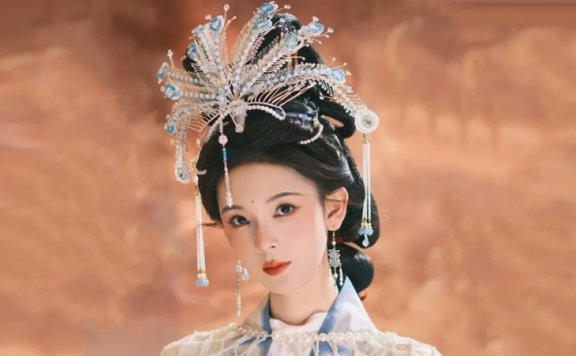
Why Big Phoenix Hairpins Disappear from Costume Dramas?
Many viewers who grew up watching Chinese costume dramas recall the grand Phoenix Hairpins. These are ornate hairpieces made of gold, silver, or velvet flowers, and they often adorned characters like queens or noblewomen. These pieces were so luxurious that people often wondered: Why have such grand hairpins become rare in today’s costume dramas? The answer lies in evolving aesthetics and character design. Each generation has its own taste, but hairpieces must serve character portrayal and match actors’ features. Older Phoenix Hairpins suited the rounder face shapes common among actors in the past, while today’s preference for "white, young, and slim" aesthetics makes such large hairpieces less flattering on modern actors. The Most Memorable Phoenix Hairpin: Wang Xifeng The most iconic Phoenix Hairpin comes from A Dream in Red Mansions (红楼梦). When Wang Xifeng, a feisty noblewoman, first appears in Chapter 3, she wears a "gold-thread eight-treasure pearl bun" and a "sunrise five-phoenix pearl hairpin". Imagine five phoenixes each holding a string of pearls, with a large bead or mirror in front to mimic sunlight — the craftsmanship is breathtaking. The "gold-thread eight-treasure pearl bun" is actually a Diji (䯼髻), a metal hair frame shaped like a steamed bun, often… -
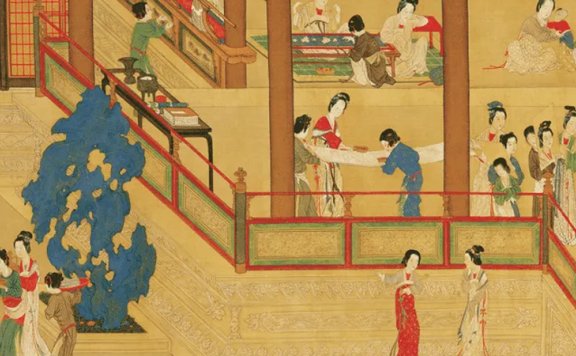
Hanfu: More Than Clothing, a Millennium of Cultural Legacy
Walk down a modern city street, and you might spot a figure in flowing robes, hair adorned with Buyao Zhuchai (步摇珠钗), as if stepping out of an ancient painting. That’s Hanfu – a traditional garment making a comeback, but its meaning goes far beyond fashion. It’s a living bridge to China’s thousand-year-old culture, a piece of history worn with pride. Symbols Woven in Threads Hanfu, short for "Han Ethnic Traditional Clothing", is not just fabric stitched together. It’s a cultural symbol, a tangible reminder of who the Han people are. Every line, every fold, carries the weight of centuries. The Zuo Zhuan (左传), an ancient historical text, says: "China is called Xia for its grand rituals; Hua for its beautiful clothing." The very name "Huaxia" – what the Han people call themselves – ties identity to clothing. Hanfu embodies ancient values: hierarchical order, ethical cultivation , and aesthetic ideals. It’s not just clothes; it’s a language of culture. Take the "jiaoling youren" (交领右衽) – the cross-collar that overlaps to the right, forming a Y-shape. This isn’t a random design; it reflects the belief that "right is honorable," a core part of traditional ethics. Ribbons replace buttons, symbolizing harmony and inclusivity.… -
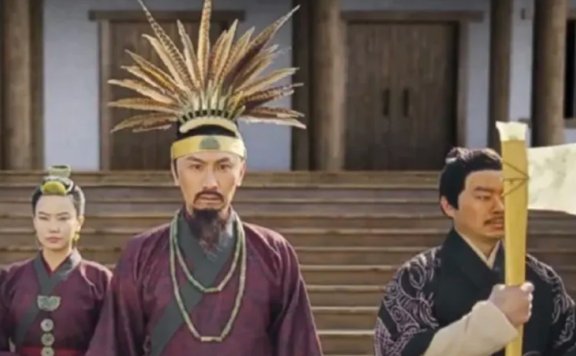
Did 5,000-Year-Old Craftsmen Really Achieve Machine-Like Precision in Stone?
A recent online debate has questioned the authenticity of certain stone tools from the Liangzhu (良渚) culture displayed at the Shanghai Museum. Skeptics argued that their sharp edges, straight lines, and polished surfaces must be the work of modern machinery. How could artifacts buried for millennia show so little weathering and such refined detail? The museum firmly confirmed their legitimacy, sparking a wider conversation about the sophistication of ancient Chinese craftsmanship. Beyond Modern Assumptions This skepticism reveals a common modern bias. We often equate age with primitiveness and handcrafted work with roughness. In an era dominated by digital technology, our collective memory of manual skill has faded. We assume precision requires advanced tools. This is a profound misunderstanding of ancient societies, particularly the Liangzhu culture, which flourished around 3300–2300 BCE. Their artisans operated on a millimeter scale, achieving accuracies that challenge our perceptions of prehistoric technology. Their work was not crude; it was meticulously planned and executed. The belief that "handmade" means "imperfect" is simply incorrect. These artifacts stand as a testament to a highly developed artistic and technical tradition that rivaled, in its own way, the capabilities we associate with modern industry. The Evidence of Skill The proof lies…