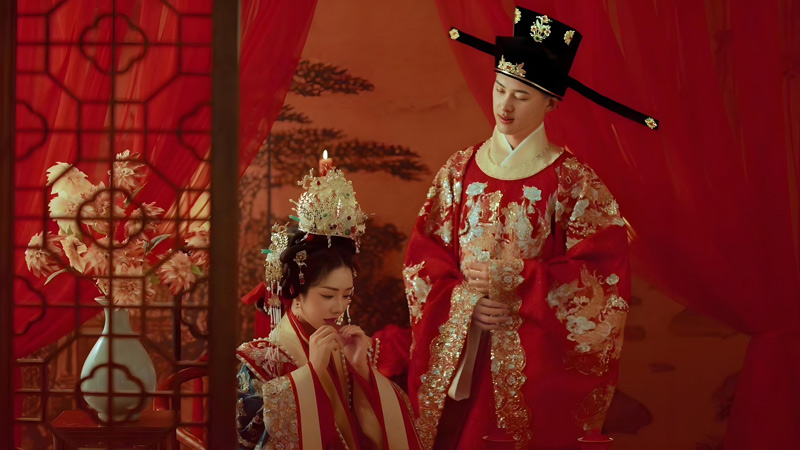
Hanfu wedding attire, rooted in ancient Chinese traditions, embodies a "secret code" woven through millennia of cultural evolution. From the Zhou Dynasty's solemn rituals to the Ming-Qing era's vibrant celebrations, each garment—be it an embroidered robe or a phoenix crown—serves as a living archive. This attire not only marks marital unions but also reflects shifting societal norms, dynastic decrees, and philosophical ideals like yin-yang harmony.
Today, as couples revive these practices, they unlock a visual language that spans dynasties, transforming weddings into historical reenactments. The red hues and intricate details narrate stories of class, cosmology, and continuity, making every stitch a testament to China's enduring heritage. This sartorial code, which governs every hue, stitch, and accessory, transforms weddings into living archives of cultural memory.
Colors Through Centuries
Early dynasties favored "Xuan-xun" (玄𫄸) tones—deep black symbolizing heaven and reddish-purple representing earth—as seen in Zhou-era ceremonies. These colors, prescribed in texts like Zhou Li (周礼), mirrored cosmic balance and were reserved for nobility. By the Tang Dynasty, imperial edicts allowed commoners to wear bright red and green, creating vivid contrasts in art, such as Dunhuang (敦煌) murals depicting joyful processions.
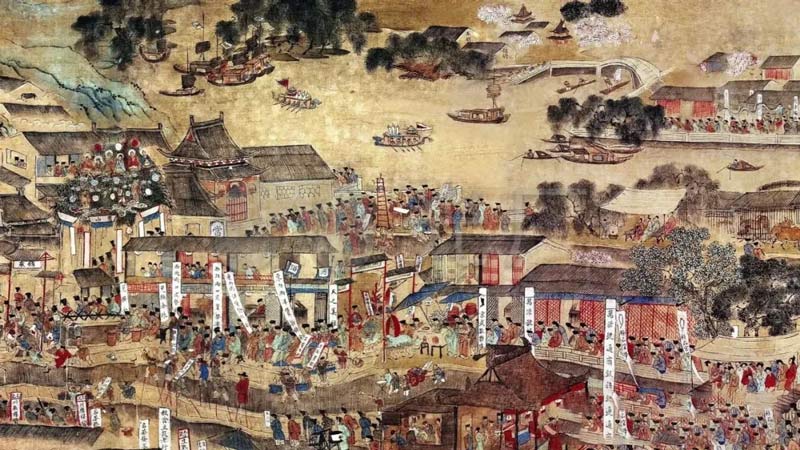
The shift to all-red dominance began under Ming Emperor Hongwu's (明洪武) decree in 1393, promoting crimson silk for all social classes. This democratization turned weddings into scarlet spectacles, captured in Qing paintings like A Prosperous Landscape of Suzhou (姑苏繁华图), where entire streets blazed with red robes. Such changes underscored how state policies transformed aesthetic norms, linking color to identity and festivity.
Modern revivals highlight this chromatic journey. Designers blend historical hues into gradients, like black-to-red drapes symbolizing heaven-earth unity. This palette connects past elegance to contemporary celebrations, proving color's power in cultural storytelling without losing authenticity.
Garments of Ritual
Key wedding outfits evolved through rites like the "Six Etiquettes," with the "Xuanduan" (玄端) robe central to betrothal ceremonies. Its cross-collar design and dark silk, documented in Han Dynasty artifacts, emphasized modesty and hierarchy. Tang and Song eras added layered elements, such as capes with metal pendants, signifying marital harmony through practical symbolism.
Phoenix crowns and cloud-patterned capes became status markers. Song regulations restricted gold crowns to noblewomen, but Ming reforms enabled silver alternatives for commoners, as noted in imperial records. These items balanced beauty with weight—elaborate crowns stayed under 800 grams to ease wearability.
Today's recreations prioritize historical accuracy. Robes mimic Ming styles with wide sleeves, while capes feature simplified embroidery. Workshops offer hands-on experiences, turning ancient designs into accessible art for modern weddings.
Symbols and Revival
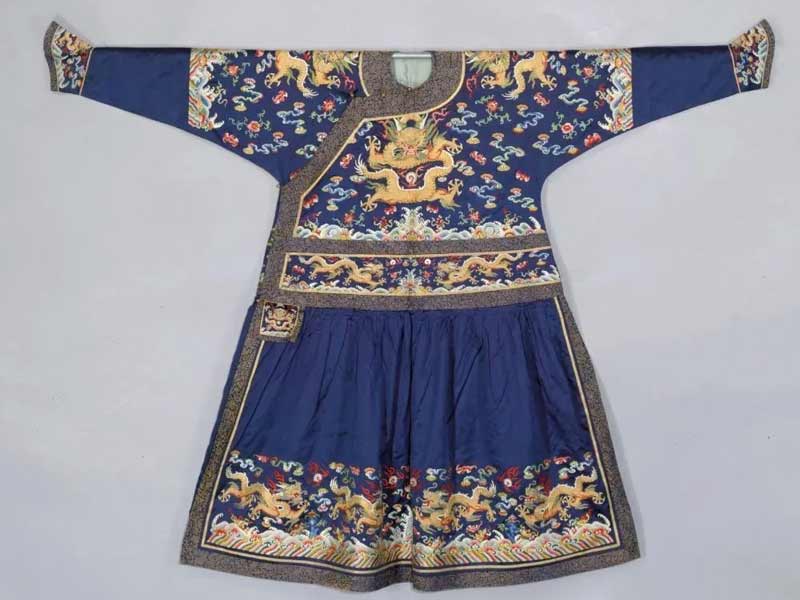
Iconic motifs like paired mandarin ducks or endless vines carried hidden meanings. Song poetry linked these to marital bliss and fertility, inspiring artisans to weave them into hems and cuffs. Accessories such as jade pendants regulated movement, embodying grace in Qing court rituals.
Contemporary adaptations make these symbols tangible. DIY kits include silk scarves with gold borders or braided cords, echoing traditions without complexity. Photography tips enhance cultural immersion, using warm lighting to highlight textures like kingfisher feather crowns.
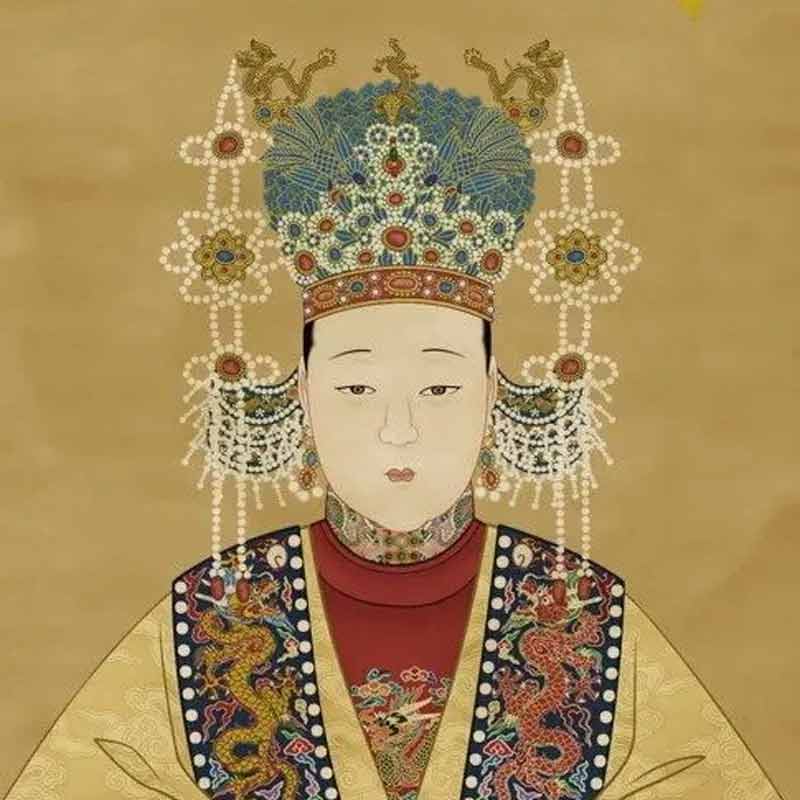
This revival extends beyond attire. Couples incorporate rituals like shared wine cups, blending past and present. Such practices ensure the "secret code" endures, transforming weddings into dynamic cultural dialogues that honor history.
Hanfu weddings resurrect more than aesthetics; they reanimate dialogues between past and present. When a bride lifts her veil, she reveals centuries of artisans, edicts, and aspirations stitched into scarlet silk—a testament to how fabric can outlive empires.