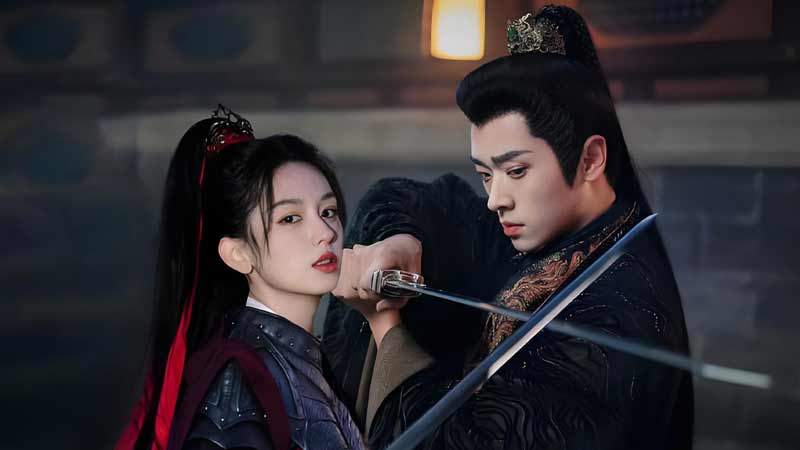
He Yan's (禾晏) story in the captivating drama Legend of The Female General (锦月如歌) begins not with glory, but with utter devastation. Blinded by poison, thrown off a cliff by her own kin, her hard-won military honors stolen by her brother. This brutal betrayal wasn't triggered by her adoption into the He family, nor solely because she was born a woman hidden behind a mask.
The devastating truth cuts deeper: He Yan's own choices, fueled by desperate longing and misplaced trust, paved the path to her near-destruction. Her fall wasn't just physical; it was the shattering of illusions she desperately clung to.
The Gilded Cage of He Runfei
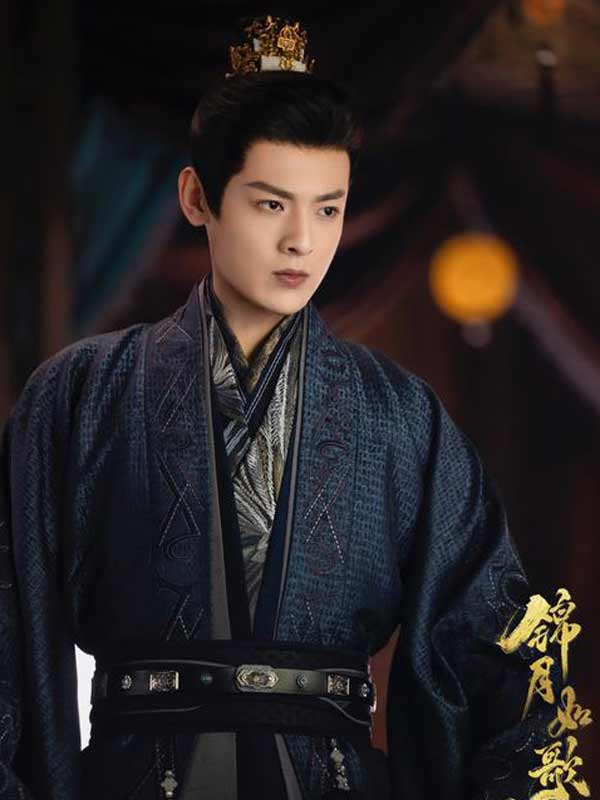
He Yan's life was never her own. Thrust into the powerful He family at three, her fate was sealed by the frailty of the legitimate heir, He Runfei (何如非). To preserve the family's noble status and military legacy, He Yan was forced to discard her identity. Donning a mask, she became He Runfei – living, breathing, and training as the male heir the family required. The suffocation was immense; the inability to simply be was a constant agony. Trapped within this gilded cage, a desperate yearning for freedom took root.
Her escape route, tragically, only tightened the family's grip. Fleeing to the army, she carried not her own name, He Yan, but the name He Runfei. Her motivation wasn't personal glory, but the desperate hope of bringing honor to the very family imprisoning her. On blood-soaked battlefields, through nights of relentless training and brushes with death, she forged herself into a formidable warrior. Each scar, each victory, was earned under the stolen identity, a testament to her skill and endurance, yet simultaneously deepening the deception.
The triumphant return should have been her moment. Instead, it unveiled the cruel reality she had blinded herself to. The family she bled for greeted her achievements not with pride, but with disdain cloaked in patriarchal condescension: "Unseemly for a girl," "A man's duty," "Let your brother handle things now." The bitter pill of their hypocrisy was swallowed whole, culminating in the fatal sip of tea offered by the brother whose life she had lived – a cup laced with betrayal and blindness.
The Poison of Wishful Thinking
He Yan's core error wasn't weakness; it was a catastrophic misjudgment of human nature within the treacherous walls of the He mansion. Violence and neglect were her constant companions; even her birth mother turned away. This profound isolation bred an insatiable hunger – a desperate, almost pathological, craving for familial acceptance and love. She convinced herself that excelling as He Runfei, achieving military glory, would prove her worth, shatter prejudices, and finally earn that elusive affection.
This desperate longing made her fatally naive. She failed to grasp the fundamental peril her existence posed to the Hes. Her very presence was a walking time bomb. The family's entire scheme – using a daughter to impersonate the son – risked utter ruin if exposed. He Yan wasn't just an asset; she was the family's greatest vulnerability. The moment her utility waned, or the risk outweighed the reward, her obliteration was inevitable. Loyalty couldn't compete with self-preservation for a family built on such a dangerous lie.
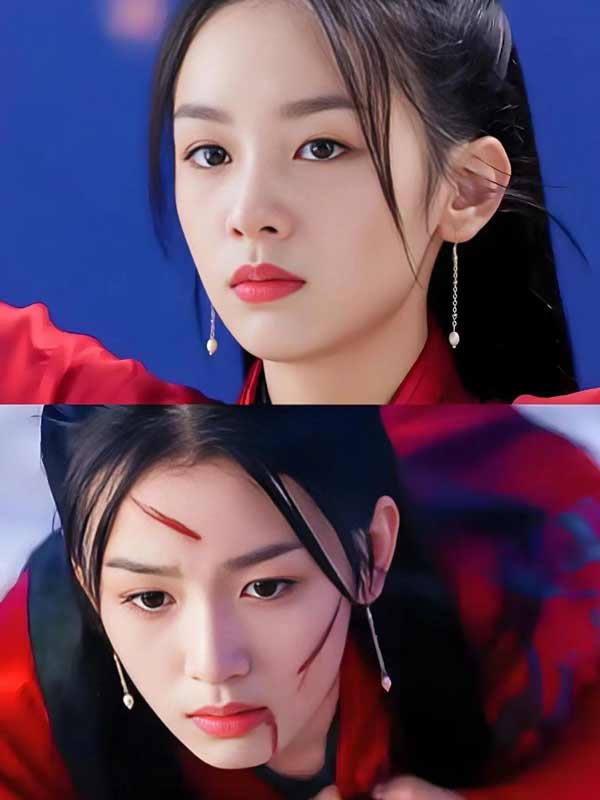
Compounding this, her success as the famed General Feihong (飞鸿) amplified the danger exponentially. This prestigious title, earned through her blood and sweat under his name, became an irresistible prize. Could any brother, especially one raised in privilege yet overshadowed by his stand-in, resist seizing such glory? Blood ties meant little against the magnitude of this temptation. He Yan, blinded by her need for belonging, never saw the dagger aimed at her back until it pierced her eyes.
Embracing the Ashes
Opportunities for escape existed, obscured by her self-imposed blindness. Upon leaving the He estate, He Yan could have shed the He Runfei identity entirely. Orchestrating his "death" would have severed the ties cleanly. She could have enlisted under a new, anonymous male identity, truly forging her own destiny far from the Hes' shadow. Even failing that, living openly as He Yan – perhaps building wealth through trade in distant lands – could have granted her independence and power beyond their reach.
She rejected these paths, shackled by her delusion. She clung to the fantasy of the Hes as her true family, valuing their hollow legacy above her own life. Even as their malice became undeniable, even as they moved to steal her valor, she hesitated. A sliver of caution, a refusal of that poisoned cup, would have allowed her formidable skills to prevail. Exposing their plot publicly, threatening scandal, would have forced them into retreat. Her fatal flaw was the persistent hope that love resided where only exploitation lived.
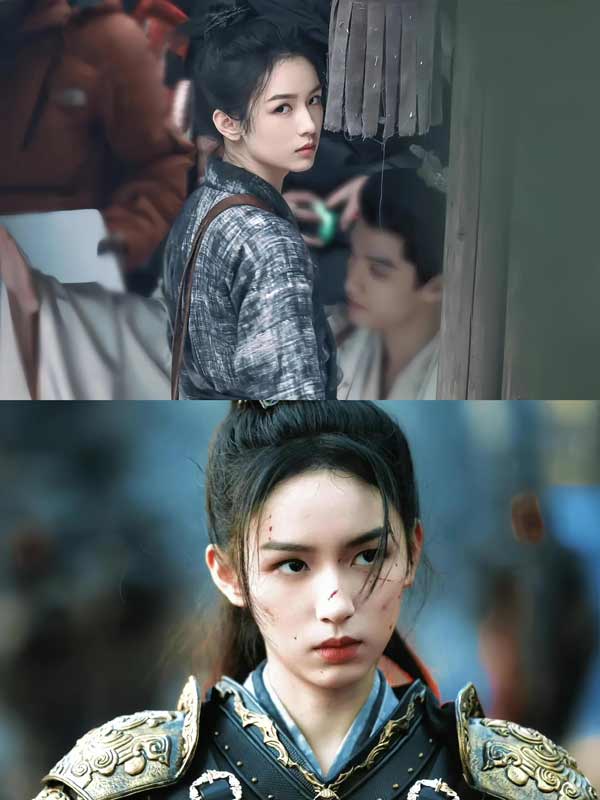
The poison, the fall, the shattered body on the rocks – these were not just punishments, but brutal awakenings. The physical agony mirrored the shattering of her deepest illusions. In that abyss, clinging to life thanks to her master's intervention, a profound clarity emerged. The family was a mirage; the acceptance she craved was a weapon used against her. The identity she fought for was a prison. Survival demanded shedding not just the blindness, but the entire false construct of her past existence.
He Yan emerges from the wreckage not as He Runfei, the impersonator, nor solely as He Yan, the wronged daughter. She rises as a warrior forged anew in betrayal's crucible. Her strength remains, but its purpose is transformed. No longer seeking validation from those who betrayed her, no longer bound by their expectations or the weight of their name. The path ahead is hers alone, defined by a single, hard-won truth: she will live, fight, and exist only for herself. Legend of The Female General thus becomes a powerful anthem of self-liberation, born from the ashes of profound deception.