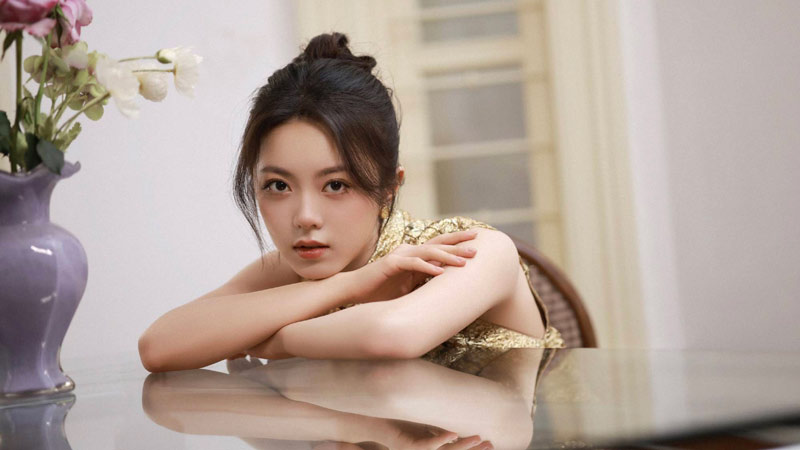
At just 22, Zhao Jinmai (赵今麦) has captivated audiences with memorable roles in teen dramas like A Love for Separation (小别离), and the time-loop thriller Reset (开端). Her natural portrayals of spirited characters earned widespread affection. Yet her recent pivot toward mature roles reveals growing pains. Projects like the period romance Our Generation (樱桃琥珀) highlight a disconnect between her established screen persona and the emotional depth newer characters demand. This transition, while ambitious, lacks the gradual evolution needed to convince audiences.
The Our Generation Conundrum
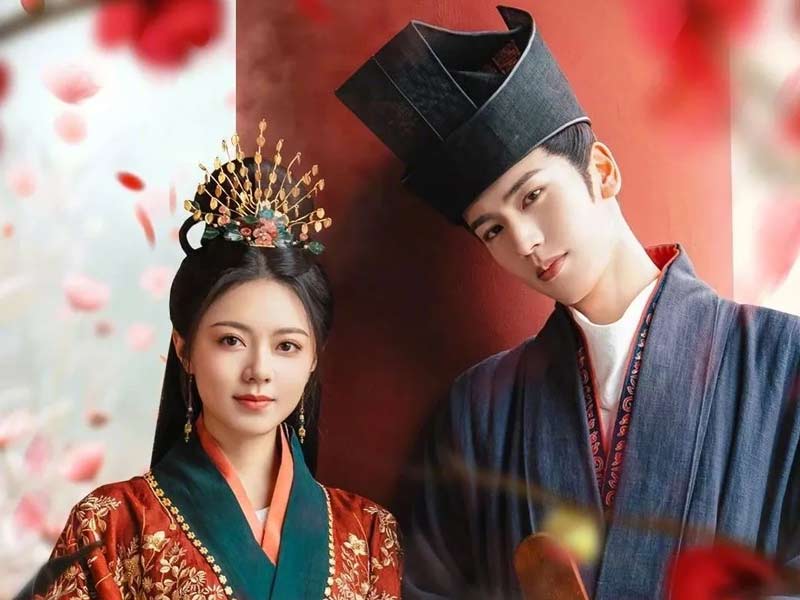
In Our Generation, Zhao partners with rising actor Zhang Linghe (张凌赫) in a story of fate and romance. Despite high expectations, the drama struggled with pacing and character development. Audiences found the leads’ chemistry unconvincing—Zhang’s mature demeanor clashed with Zhao’s youthful energy, creating a sibling-like dynamic rather than romantic tension. The rushed plot offered little foundation for their relationship, leaving viewers detached from the first episode.
Zhao’s performance, though technically sound, retained traces of her iconic role as Lin Miaomiao (林妙妙) from Growing Pain (少年派). Her expressive eyes and bright smile, perfect for teen characters, felt incongruous with a role demanding gravitas. This inconsistency pulled viewers out of the narrative, sparking criticism about her limited range. Her attempt to shed the "girl-next-door" image here felt premature.
Historical drama Du Hua Nian (度华年) further exposed this gap. As a poised noblewoman, Zhao’s presence lacked the lived-in weight the character required. Like a student abruptly wearing formal attire, the transformation felt jarring rather than organic. Her technical skill couldn’t mask the absence of deeper emotional resonance.
Strengths Unmatched to New Terrain
Zhao’s talent is undeniable. Her harrowing hospital breakdown scene in Reset showcased nuanced vulnerability and control. However, such moments thrive in contexts aligning with her innate strengths: resilience, curiosity, and youthful tenacity. When scripts demand subdued sorrow or complex romantic longing, her delivery risks appearing superficial. Audiences sense the "performance" rather than authentic emotion.
Fellow child star Zhang Zifeng (张子枫) offers a contrast. She transitioned carefully, choosing age-suitable roles in films like Upcoming Summer (盛夏未来) alongside peers Leo Wu. This allowed her to expand her range while retaining audience goodwill. Zhao’s urgency to tackle adulthood—skipping interim steps—creates friction with viewers who still associate her with adolescence.
The industry’s relentless pace pressures young actors to constantly "reinvent." Yet lasting careers demand strategic patience. Zhao’s choice of projects seems reactive—prioritizing visibility over role compatibility. A well-chosen part, even a supporting one in genres like suspense or light drama, would better serve her evolution than leading mismatched productions.
Redefining Progress, Not Pacing
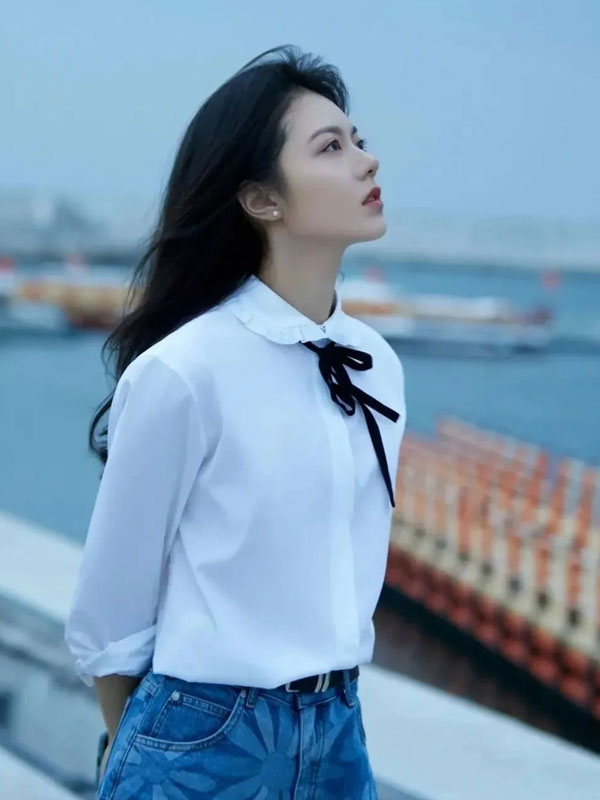
Zhao Jinmai’s ambition is clear, but her trajectory needs recalibration. Success needn’t mean abandoning youth overnight; it requires layered characters bridging her past and future. A role balancing her signature vitality with emerging maturity—perhaps a young professional navigating first loves or career setbacks—could resonate more than forced reinvention.
Her recent work proves she’s capable of growth. Reset pushed her beyond pure innocence into resilience and trauma. Building on such foundations organically—not leaping into unfamiliar emotional territory—would feel earned. At 22, time remains her ally. Rushing risks typecasting her as miscast rather than versatile.
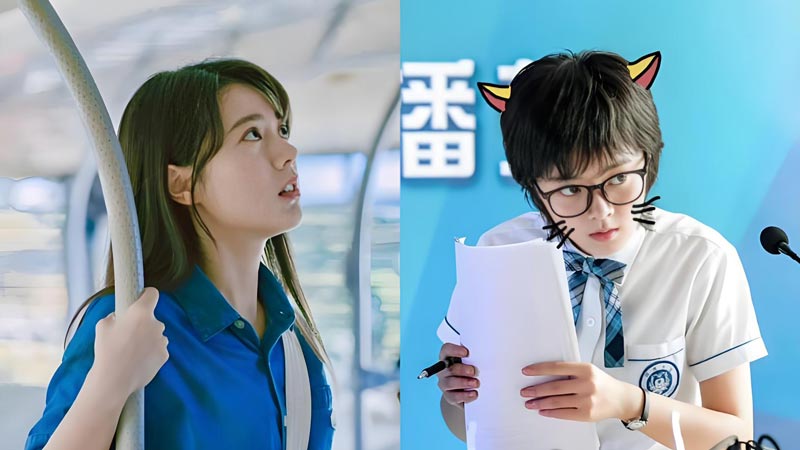
True transformation happens when audiences forget the actor, seeing only the character. For Zhao, that means selecting stories where her sincerity enhances, rather than strains against, the narrative. Her next breakthrough lies not in rejecting "Lin Miaomiao," but in revealing new dimensions within roles only she can embody. When the project aligns, her star will shine brighter than ever.