Article
Search results:
-
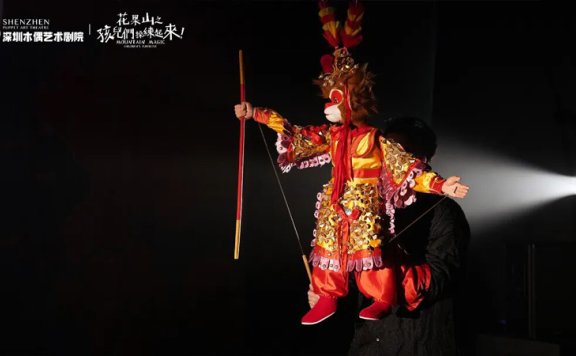
Monkey King s Warm Tale on Quanzhou Grand Theater
Forget everything you think you know about the Monkey King. What if his greatest adventure isn't about fighting demons or mastering clouds, but about the quiet moments of teaching, protecting, and growing up? On February 28th and March 1st, 2026, The Children of Huaguo Mountain, Time to Train! (花果山之孩儿们,操练起来!) lands at the Quanzhou Grand Theater, and it's bringing a completely different side of the legend to the stage. This isn't just another epic tale of the rebellious hero. It shifts the spotlight to the lively monkey children of Huaguo Mountain (花果山), turning the grand myth into a warm, relatable story about family. Through their eyes, we witness the Stone Monkey's birth, his journey to learn from a master, and his return to defend their home. It's a show designed for the whole family—where kids find pure joy in the adventure and adults discover a touching story about responsibility and love. Performance Time: Saturday, February 28th, 2026 at 19:30 Sunday, March 15st, 2026 at 15:30 Venue: Quanzhou Grand Theatre Finding Yourself in the Story For a child, this puppet show is a ticket straight into a mythical playground. The puppets are vibrant and full of life. They'll see Sun Wukong (孙悟空)… -
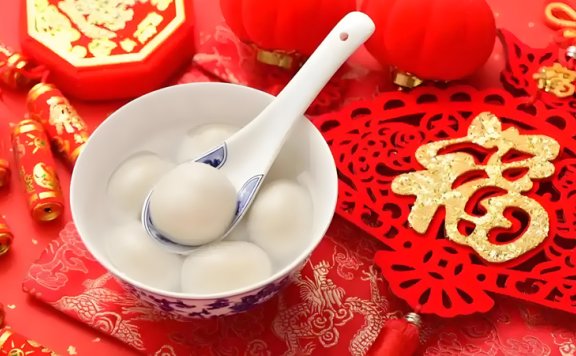
March 1st Shanghai Fangta Park Hanfu Lantern Festival Party
Have you ever wondered what it feels like to step directly into a traditional Chinese painting, surrounded by ancient architecture and the soft glow of lanterns? This March, Shanghai Fangta Park (上海方塔园) is turning that fantasy into reality by inviting thirty young men and women to ditch the modern world for an afternoon and immerse themselves in a curated Lantern Festival Garden Party. It is not just about observing traditions; it is about living them. Performance Time: Sunday, March 1st, 2026 Venue: Shanghai Fangta Park An Invitation to Step Into the Frame This isn't your typical festival fair where you simply walk around and look at displays. The park is actively seeking thirty participants to become part of the living tapestry. Organizers want you to "enter the painting," not just watch it from the outside. Scheduled for the afternoon of March 1st, this event is a deliberate move away from passive observation. It asks you to wear a set of Hanfu, the traditional clothing of the Han Chinese, and wander through the classical gardens as if you truly belong to another era. The focus is on personal experience, making the ancient traditions feel immediate and personal. By limiting the main… -
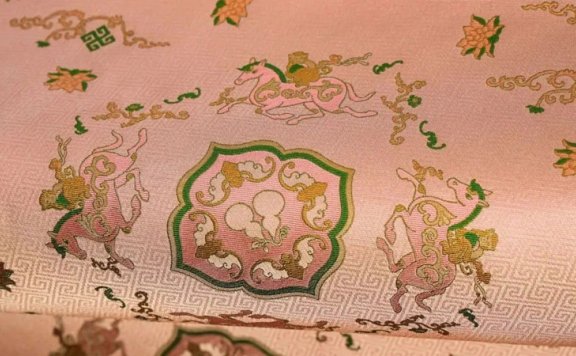
Hanfu Horse Patterns Through Chinese Dynasties
As the Year of the Horse gallops into our lives, the streets are filled with decorations featuring this majestic animal. But the presence of the horse in Chinese culture extends far beyond New Year's ornaments. For centuries, it has been a powerful symbol woven into the very fabric of Hanfu, China's traditional clothing. From mythical beasts to emblems of official rank, the evolution of the horse motif offers a unique lens through which to view the changing aesthetics and values of Chinese civilization. Join us as we trace the hoofprints of this enduring symbol across the rich tapestry of history. Qin and Han Dynasties The story of the horse in Chinese art begins long before it appeared on clothing. In ancient texts like the Zhou Yi · Shuo Gua (周易・说卦), the horse was associated with the creative power of heaven, embodying strength, perseverance, and noble spirit. During the Qin and Han dynasties, this reverence took physical form in magnificent bronze sculptures, such as the renowned horses from the Terracotta Army of Emperor Qin Shi Huang (秦始皇). These were realistic depictions of a vital military asset. However, on the textiles of the time, the horse was notably absent, with cloud and… -
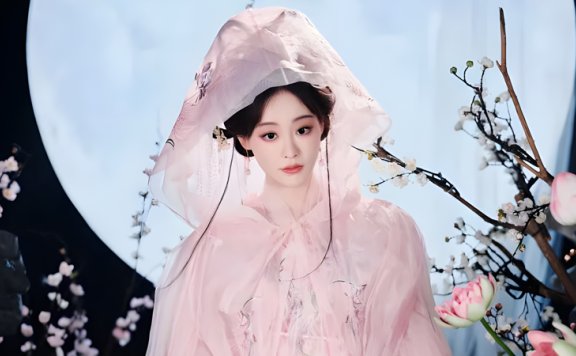
Zhu Xudan Shines in Pink Hanfu and Cloak
For years, the title of "ancient costume goddess" has been passed around liberally in Chinese entertainment. But every so often, an image arrives that doesn't just fit the label—it redefines it. Actress Zhu Xudan (祝绪丹) has just delivered one such moment. A recently released series of promotional photos shows her in a flowing, pink, fairy-like costume, standing under a full moon surrounded by winter plum blossoms. The internet has collectively stopped scrolling. It’s not just another pretty photoshoot; it feels like a glimpse into a living, breathing piece of classical art. The look masterfully blends ethereal grace with tangible texture, sparking immediate curiosity: what story does this "immortal" belong to? Silhouette of a Dream The magic of this look lies in its masterful simplicity. Zhu wears a layered, pink gradient Hanfu-style (汉服) dress. The fabric is a sheer, smoky gauze that seems to float around her rather than simply hang. It’s not a loud, vibrant pink, but a soft, dreamy hue that transitions from pale to deep, much like the fading light of dusk. Over this, she wears a hooded cloak made of the same ethereal material. The design is a stroke of genius—the cloak adds a sense of mystery… -
Zhao Yazhi Teaches the Art of Red-White Hanfu Matching
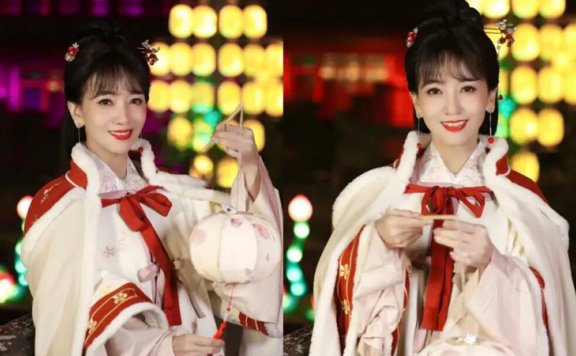
Can 72-Year-Old Zhao Yazhi (赵雅芝) Teach Us About Timeless Style? She dons Hanfu to promote her hometown, reminding us that elegance has no expiration date. This article explores how mature women can master festive, traditional-inspired looks using clever color combinations, drawing inspiration from the legendary actress herself. The Winning Formula: Red and White When Zhao Yazhi recently appeared in Hanfu to promote Henan province, social media took notice. At 72, she chose a striking ensemble: a white cloak over a red square-collared half-sleeve jacket, paired with a red pleated Mamianqun (马面裙). The foundation was a warm white cross-collared inner robe. Her secret? The timeless combination of red and white. These are her signature shades for a reason—they are universally flattering and know no age limit. Choosing the right shade is critical. For a classic look, avoid stark, cold white (like bleached fabric). Opt for a warm, off-white, often called natural white. This subtle shift in tone harmonizes better with traditional aesthetics and softer complexions. The balance of colors also matters. A fifty-fifty split is a safe start, but accessories can shift the energy. Adding more red accessories makes the outfit pop, warms the skin tone, and feels more vibrant and… -
Why Wang Churan’s Warring States Robe Strikes a Modern Chord
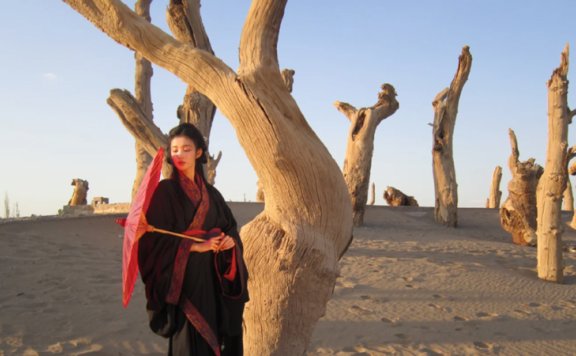
When actress Wang Churan (王楚然), recently featured on China Central Television, debuted her latest photoshoot in Hanfu traditional clothing, she set social media ablaze. Known for her elegant Song Dynasty styles, she surprised fans by stepping into something far more ancient and dramatic: the so-called "Warring States Robe." But what exactly is this flowing, majestic garment that seems to transport the wearer back over two thousand years, and why has it become a favorite for creating cinematic, unforgettable portraits? This style offers a window into ancient Chinese aesthetics, blending historical inspiration with modern photography to create a look that is both powerful and ethereal. We explore its origins, its unique design, and its place in contemporary visual culture. Unpacking the "Warring States Robe" The term "Warring States Robe" is a popular, modern catch-all for a very specific style of ancient Chinese clothing. It's not a historically accurate term for a garment from that period, but rather a convenient name that has stuck. The primary inspiration for these robes comes from archaeological finds at the Mashan Chu Tomb (马山楚墓). Specifically, most designs are recreations of the straight-lapelled robe, catalogued as style N15, unearthed from this site in Hubei province. This tomb… -
Why Gala’s Curly-Haired Feitian Sparks Debate
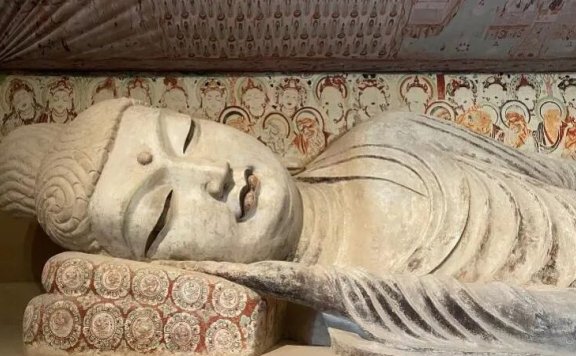
The "curly-haired flying goddess" on this year's CCTV Spring Festival Gala has sparked a heated debate. While many viewers praised the program Silk Road Melodies (丝路古韵) for its faithful recreation of mural art, others scratched their heads. Why does this celestial being have a head full of curls? Doesn't she look more like a foreigner than a classic Chinese beauty? The confusion is understandable. In recent years, the Feitian (飞天) image has been warmly embraced as part of Chinese traditional culture, with her signature tube top and long skirt often cited as a form of ancient Hanfu clothing. But this popular understanding skips a crucial part of her long and fascinating journey from India to the grottoes of Xinjiang and Dunhuang. The Curly-Haired Mystery The answer lies in the origins of the image itself. The Feitian we know today was not a native invention of the Central Plains. Her earliest prototype comes from ancient Brahmanism in India. As Buddhism absorbed these celestial spirits, they transformed into gods of music and dance, tasked with scattering flowers and making heavenly music. When this religious art traveled along the Silk Road into China, the Feitian arrived with distinctly foreign features. The specific inspiration… -
Wang Churan’s Stunning Ancient Style Shocks the Internet
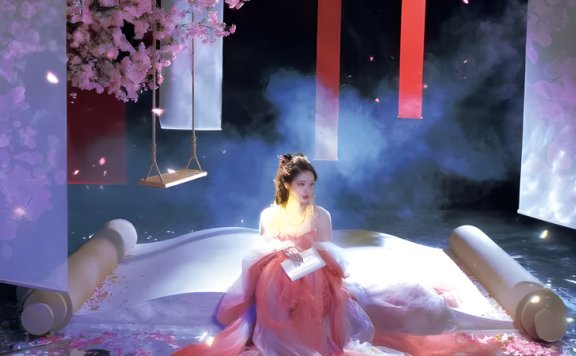
Can Fabric Hold Magic? Wang Churan's (王楚然) Ethereal Transformation Into a Fox Spirit Stuns the Internet. A recent photoshoot featuring the actress has ignited a firestorm of praise, blending ancient Chinese aesthetics with a touch of modern fantasy. In an era of fleeting digital content, a single image can still stop the scroll. A new series of photographs featuring actress Wang Churan has done exactly that, captivating social media with its ethereal beauty. She appears not as a modern celebrity, but as a creature from a folk tale—a nine-tailed fox spirit wandering through a dreamscape. The images are a masterclass in visual storytelling, merging the delicate textures of ancient Chinese fashion with a luminous, contemporary aesthetic. It is a look that feels both timeless and refreshingly new, prompting thousands to share and marvel at the seamless blend of reality and fantasy. This isn't just a pretty picture; it is a cultural moment that speaks to a renewed appreciation for heritage, reimagined for today's audience. Visual Poetry in Motion The first thing that strikes the viewer is the dress itself. It is a gown of layered, translucent silk gauze, a material that seems to hold light rather than merely reflect it.… -
The Story of Hanfu in Henan Spring Gala
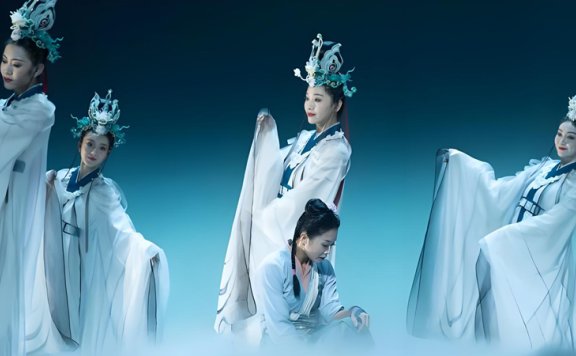
Henan TV's Spring Festival Gala has long been a beacon for those fascinated by traditional Chinese culture, particularly the exquisite world of Hanfu. This year, however, the journey to bring these historical garments to the screen was fraught with unexpected hurdles. From censorship complaints to live-stream interruptions, the production team navigated a minefield to ensure that the beauty of Hanfu was not obscured. Yet, despite the technical glitches and the barrage of advertisements that frustrated many viewers, the final broadcast was a treasure trove of historical fashion. The show offered a vibrant tapestry of styles, from Tang dynasty elegance to Ming dynasty opulence, sparking conversations and debates among a diverse audience. This year's gala was more than just a show; it was a testament to the complex and evolving relationship between ancient attire and modern media, a relationship filled with both passionate advocacy and sharp critique. From Mural to Movement: The Masterpiece Moment of Eternal Joy Perhaps the most critically acclaimed segment was Moment of Eternal Joy (永乐未央), a breathtaking piece inspired directly by the Yuan (元) dynasty murals of the Yongle (永乐) Palace. It drew specifically from the "Chart of the Celestial Procession (朝元图)", a colossal 97-meter-long masterpiece housed… -
The Cultural Story of Horse Names in China
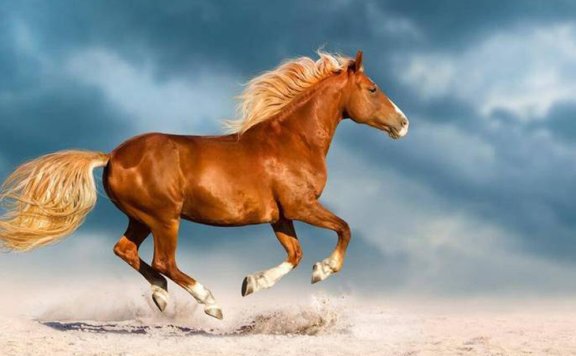
As 2026 gallops in, it brings with it the Year of the Horse, a creature whose bond with China is as ancient as the civilization itself. While the world knows this animal simply as "horse," the Chinese language reveals a stunningly detailed portrait of this animal, one painted over millennia. From the humble farm animal to a celestial dragon, the horse has been known by dozens of names, each reflecting a specific age, ability, or status. This rich vocabulary isn't just about an animal; it's a living archive of China's military conquests, agricultural roots, and poetic soul. As we enter this new year, let's saddle up and explore the many identities of the horse, uncovering stories that have shaped the nation's character. The Basics of Breeding and Age The most fundamental term is, of course, "Ma" (马). Its earliest form, found etched on oracle bones, is a pictograph—a simple, elegant drawing capturing the creature's mane, legs, and tail. The ancient dictionary Shuowen Jiezi (说文解字) defined it with a dual nature: "Nu (怒)," meaning vigorous and majestic, and "Wu (武)," meaning martial and strong. This wasn't just a label; it was an observation of the animal's very essence, a recognition of… -
Luoyang Museum’s Northern Wei Figurines
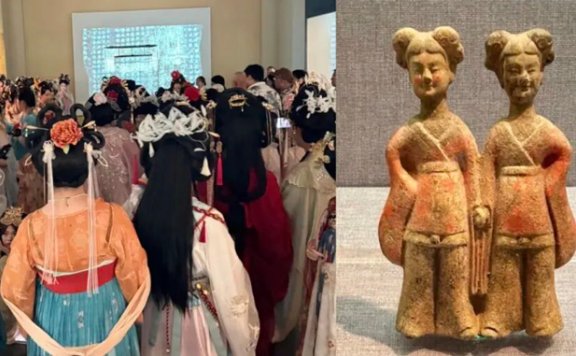
At the Luoyang (洛阳) Museum, a queue of young women, dressed in flowing Hanfu, snakes past a single glass display case. Their quarry isn't a golden treasure or a famous painting, but a pair of small, 17-centimeter-tall ceramic figures. These are the Northern Wei painted pottery hand-holding female figurines . For the sake of a "friendship that's number one under heaven," as a popular Chinese saying goes, besties are traveling thousands of miles to pose for a photo with these two ancient "little sisters." It's a story of millennial friendship that has captivated the internet, but these figurines are far more than just cute mascots for platonic love. They are silent witnesses to one of the most radical transformations in Chinese history, and their outfits hold the very DNA of cultural fusion. Fashion Icons from the Grave Look closely at this ancient pair. Their hair is styled in elaborate double buns, their cheeks rosy with pigment that has lasted over a millennium. It's a look that wouldn't be out of place on a modern street-style blog. But the real story is in their clothes. They wear what appears to be a chic, matching pantsuit, a style known as a tunic… -
Hanfu Highlight at 2026 CCTV Spring Festival Gala
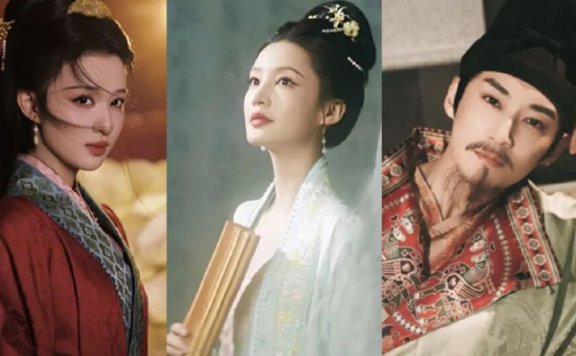
Is This the Only Hanfu Spectacle on CCTV's Spring Festival Gala? Ode to the Flower Deities (贺花神) Brings Ancient Poetry to Life As families gather for the most-watched television event in China, a single segment featuring historical Chinese clothing, known as Hanfu, has caught the attention of cultural enthusiasts. Tucked within the sprawling lineup of the CCTV Spring Festival Gala is a creative musical piece titled Ode to the Flower Deities. While the evening will be filled with comedy skits, acrobatics, and pop songs, this particular performance stands out as perhaps the only representation of traditional Hanfu on the entire broadcast. It features an impressive cast of twelve celebrities, each dressed in attire inspired by specific dynasties, bringing to life the beloved literary tradition of the Flower Goddesses. Early glimpses of the costumes suggest a stunning visual journey through China's sartorial history, focusing primarily on Tang and Song dynasty aesthetics, with a notable appearance of Han dynasty style. The segment promises to be more than just a fashion show; it is an effort to weave together poetry, music, and character portrayal, connecting modern audiences with the scholarly romance of ancient times. Song Dynasty Elegance: The Poetess of Osmanthus Among the… -
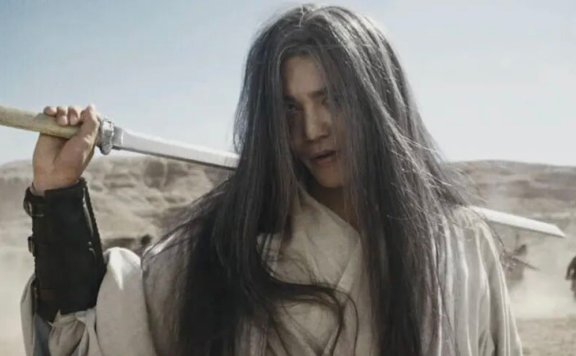
Blades of the Guardians: The Ancient Sleeve-Tying Wisdom in Wuxia
Why Do Martial Arts Heroes Always Tie Their Sleeves? The Ancient Hack That Makes Blades of the Guardians (镖人) So Authentic There is a moment in every great martial arts drama when the hero prepares for a fight. They roll their shoulders, crack their neck, and then—without fail—they bind their sleeves. It happens in Blades of the Guardians, the new film that has audiences cheering for the return of true Wuxia spirit. The gesture is small, almost ceremonial, yet it carries the weight of centuries. Without it, the entire aesthetic collapses. Why is this simple act of tying fabric so crucial to the genre? The answer lies not just in cinematic style, but in the practical, earthbound wisdom of ancient China. This is a story about how our ancestors solved a daily problem, and how that solution became a visual shorthand for readiness, discipline, and cool. Armor for the Arms: The Warrior's Rigor The most straightforward reason for binding sleeves is pure physics. Loose fabric, however elegant, is a liability in a brawl. A wide sleeve can catch a blade, snag on a spear, or simply slow down a punch. Ancient warriors needed a way to secure their clothing without… -
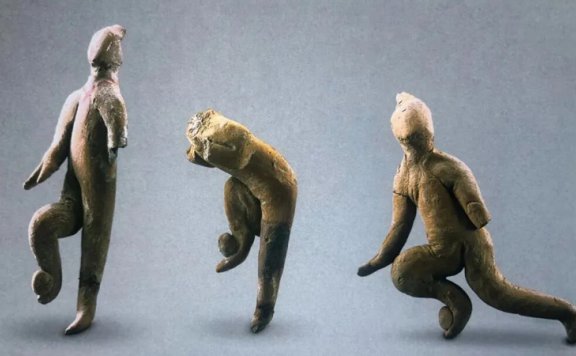
5 Eras of Joy Ancient China Without Phones
What did the ancients do for fun without smartphones? The question itself feels almost absurd to our modern minds, permanently affixed to glowing screens. We swipe, tap, and scroll through a digital universe, and the idea of a day without this constant connection can feel like a form of sensory deprivation. Yet, for millennia, people lived entire lives, rich with emotion and connection, in a world without a single watt of Wi-Fi. Their existence wasn't a monotonous gray waiting to be colored in by technology. Instead, they cultivated a vibrant tapestry of pastimes, from raucous street games to serene intellectual gatherings. This wasn't just about killing time; it was about building community, expressing creativity, and finding joy in the tangible world. Their story is a powerful reminder that the most profound entertainment often requires nothing more than imagination and each other's company. 1. Ritual to Rowdy Games The roots of ancient Chinese entertainment stretch back to a time when the spiritual and the social were one and the same. In primitive societies, the first "shows" were rituals. People didn't just pray for good harvests; they danced, they sang, they performed. This wasn't solemn boredom but a vibrant, communal act of… -
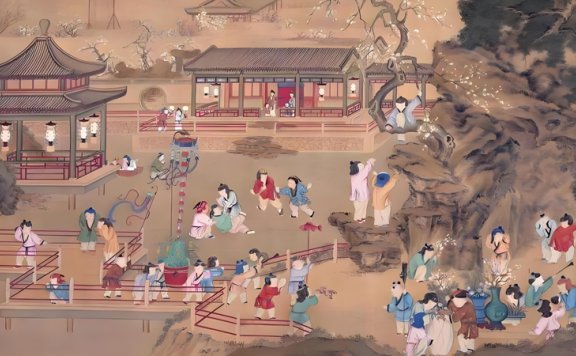
4 Rituals of Ancient Chinese New Year Joy
As you mindlessly tap your screen, competing with dozens of friends for a red envelope worth just a few yuan, have you ever wondered: did the ancients, who had no smartphones or WeChat, have a more exciting New Year than we do? In an era without electricity, the grandeur and ritual of their celebrations might far exceed our imagination. They weren't just celebrating a single day but orchestrating a grand ceremony spanning an entire month, filling the cold winter with warmth and anticipation. 1. Laba Festival (腊八节) The ancient "New Year" wasn't a one-day event but a systematic project that kicked off in the twelfth lunar month. The Laba Festival was the first signal. During the Northern and Southern Dynasties (420-589), Laba congee was already a northern staple. Records from the era describe a combination of drinking congee, making sacrifices, and driving away plagues—a series of actions that opened the festive prelude. It was a practical way to mark the transition, a communal effort to ward off the old year's ills and welcome a fresh start. The real highlight came on the 23rd or 24th of the twelfth month: the ritual of bidding farewell to the Zao Shen (灶神), or… -
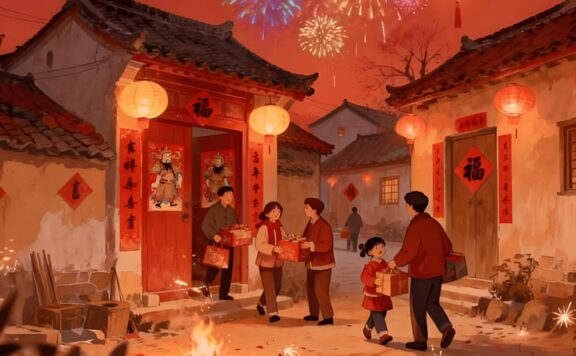
5 Days of Chinese Lunar New Year Traditions
What happens when an ancient civilization’s most cherished family celebration becomes a global treasure? On December 4, 2024, in Asunción, Paraguay, Spring Festival—officially titled "Spring Festival, social practices of the Chinese people in celebration of the traditional New Year"—was inscribed on the UNESCO Representative List of the Intangible Cultural Heritage of Humanity. This decision places China's 44-day festival cycle among the world's most significant cultural practices. But the Spring Festival is more than a date on the calendar; it is a living, breathing organism that has evolved for centuries. While the term "Spring Festival" is relatively new—popularized in 1914 to distinguish the lunar New Year from the newly adopted Gre、gorian calendar—the traditions it encompasses are ancient. It is a time when modern China, with its skyscrapers and smartphones, pauses to reconnect with rituals that honor gods, ancestors, and family. The festival is a journey through the first five days of the lunar New Year, each carrying distinct meanings and practices that bind communities together. New Year's Dawn The first day of the lunar calendar, known as Chun Jie (春节), is a symphony of sensory overload. At the stroke of midnight, the world explodes in sound and light. Firecrackers, or Bao… -
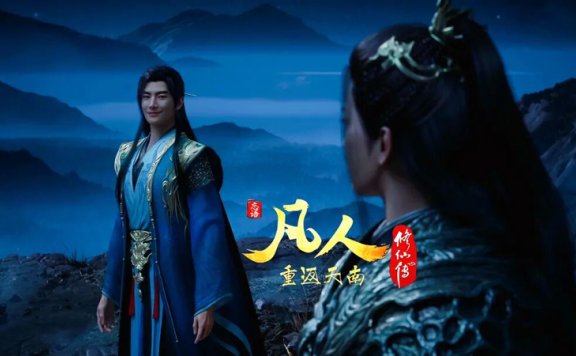
Why Wang Chan Never Targeted Han Li’s Mortal Family
In the sprawling, ruthless world of A Mortal's Journey (凡人修仙传), fans often find themselves scratching their heads over a peculiar plot point. Wang Chan (王婵), the spoiled and vengeful young master of the Ghost Spirit Sect, harbors a deep, murderous hatred for the protagonist Han Li (韩立). His desire to skin, disembowel, and grind Han Li’s bones to dust is palpable. Yet, he never once resorts to what seems like the most obvious mortal tactic: going after Han Li’s mortal family. Why not hold them hostage? Why not raze his ancestral village to force the elusive rogue cultivator into a trap? To a modern audience, it appears to be a glaring oversight, a failure of strategic thinking. However, this perceived plot hole is not a mistake in the narrative, but a deliberate feature of its meticulously crafted world. Wang Chan’s failure to attack Han Li’s family isn't born of stupidity or kindness; it’s a direct result of the immutable, cold logic of the cultivation world—a realm where the concerns of mortals are not just irrelevant, but often completely invisible. Why Wang Chan Never Found Them The most immediate hurdle for Wang Chan was not a lack of will, but a… -
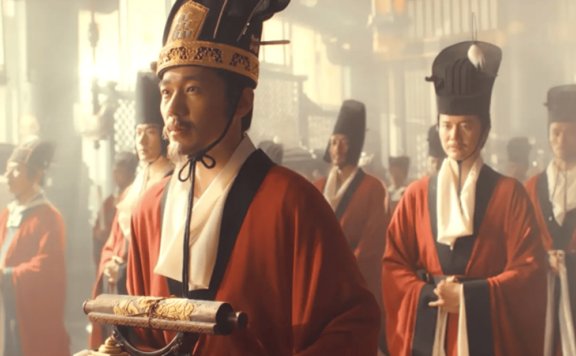
What Really Happened in the Finale of Swords into Plowshares?
The finale of the historical drama Swords into Plowshares (太平年) has left audiences oscillating between sorrow and astonishment. While the narrative arc concludes with the long-anticipated surrender of Wuyue (吴越) to the Song Dynasty, it masterfully omits certain graphic historical details while weaving in surprisingly creative elements like the origin story of the Hundred Family Surnames (百家姓). This ending is not merely a conclusion but a thoughtful reflection on the costs of unification, the complexity of loyalty, and the quiet heroes who shaped a peaceful era. It moves beyond simple historical reenactment to explore the human motivations behind grand political maneuvers. The Thirty-Year Chess Game: A King's Calculated Surrender The most compelling revelation in the finale is that Qian Hongchu's (钱弘俶) decision to surrender his kingdom was not a last-minute concession but the culmination of a thirty-year master plan. For over three decades ruling Wuyue, he was not just governing; he was meticulously preparing to hand over a prosperous, well-administered region to the Central Plains dynasty. It suggests his foresight extended back to the era of Guo Rong (郭荣), indicating a deep-seated belief that unification was inevitable and that the best way to protect his people was to prepare for… -
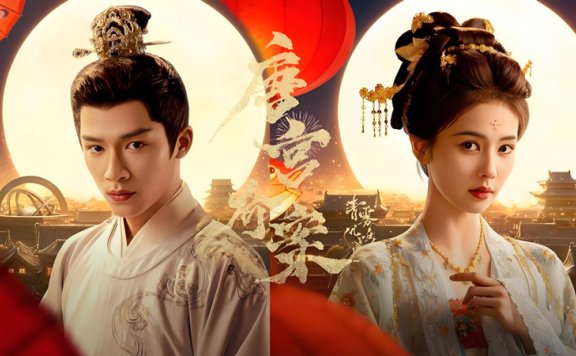
Unveil: Jadewind – Fight for Freedom in a Gilded Cage
At 2 a.m., with the city silent outside the window, the haunting image of that blue-tinted fog refused to fade. Two days ago, Unveil: Jadewind (唐宫奇案之青雾风鸣) premiered, and clicking on it with the casual skepticism reserved for another formulaic period drama, the cold, eerie color palette of the opening credits unexpectedly struck a chord. It wasn't the bizarre murder that resonated, but the suffocating sense of a gilded cage within the Tang palace—a feeling that felt intimately familiar to the modern soul. When Extravagance Masks a Silent Scream The show's genius lies not in its "mystery," but in its "pain." It uses breathtaking visuals to wrap a story about being trapped. One image from the Lantern Festival night lingers: the "Blissful Death." Envoys from all lands pay tribute, the drumming and singing are deafening, and Chang'an (长安) is a magnificent illusion. In this peak of revelry, the Ning Yuan (宁远) Princess collapses silently. Yet, the laughter continues, the toasting hands don't pause. Her death is a pebble dropped into the deep sea, swallowed without a ripple by the wave called "Prosperous Era." It's a terrifying mirror to modern life—dying a little inside from exhaustion and emptiness while the world celebrates… -
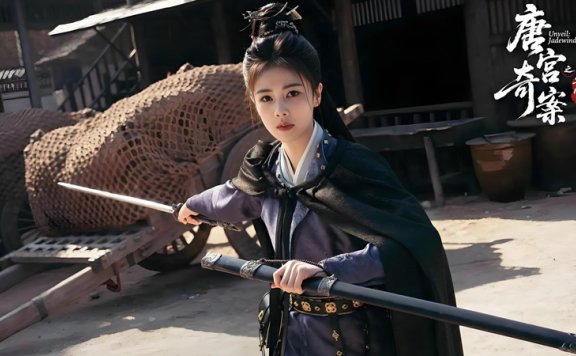
Success or Just Style Over Substance in Unveil: Jadewind?
In a television landscape saturated with period dramas that often feel like they rolled off an assembly line—complete with interchangeable plots, sugary romances, and a heavy dose of déjà vu—a new contender has arrived making some serious noise. Unveil: Jadewind (唐宫奇案之青雾风鸣) has stormed onto Youku and CCTV-8, immediately capturing attention with blockbuster premiere data. But as the initial excitement settles, a more complicated picture emerges. The series finds itself at the center of a heated debate: is it a refreshingly innovative entry that raises the bar for the ancient drama genre, or is it simply the same old formula dressed up in expensive new clothes? The answer, much like the mysteries within the show, requires a closer look beyond the surface. Data vs. Debate: A Tale of Two Realities The numbers don't lie, and for Unveil: Jadewind, they tell a story of undeniable success. The drama premiered to a peak CCTV-8 viewership rating of 1.3% and crushed platform expectations by surpassing 9500 in popularity on Youku within hours . Attracting 54 sponsors across just four episodes, its commercial appeal is crystal clear. This isn't just fan service; these metrics point to a broad audience base willing to stay up late…