Why Do Martial Arts Heroes Always Tie Their Sleeves? The Ancient Hack That Makes Blades of the Guardians (镖人) So Authentic
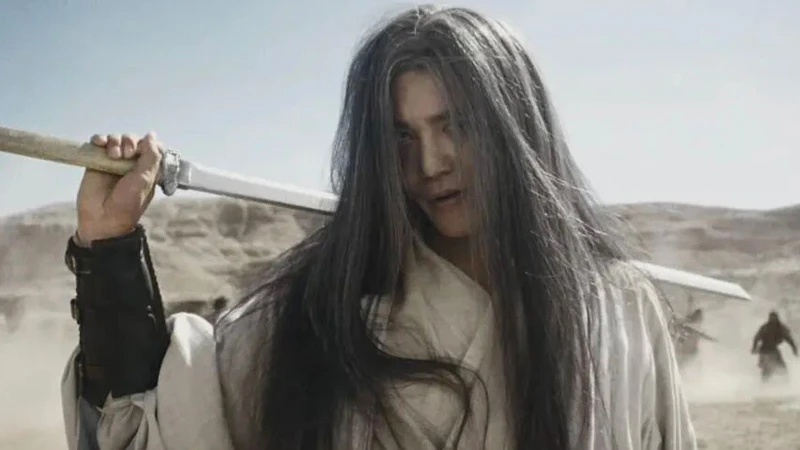
There is a moment in every great martial arts drama when the hero prepares for a fight. They roll their shoulders, crack their neck, and then—without fail—they bind their sleeves. It happens in Blades of the Guardians, the new film that has audiences cheering for the return of true Wuxia spirit. The gesture is small, almost ceremonial, yet it carries the weight of centuries.
Without it, the entire aesthetic collapses. Why is this simple act of tying fabric so crucial to the genre? The answer lies not just in cinematic style, but in the practical, earthbound wisdom of ancient China. This is a story about how our ancestors solved a daily problem, and how that solution became a visual shorthand for readiness, discipline, and cool.
Armor for the Arms: The Warrior’s Rigor
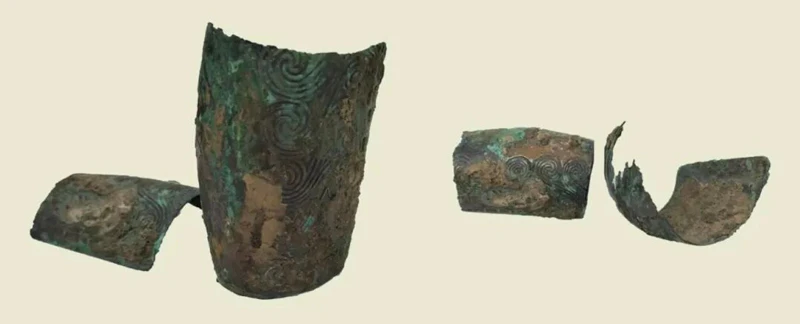
The most straightforward reason for binding sleeves is pure physics. Loose fabric, however elegant, is a liability in a brawl. A wide sleeve can catch a blade, snag on a spear, or simply slow down a punch. Ancient warriors needed a way to secure their clothing without sacrificing mobility. This led to the creation of the Hubi (护臂), or arm guard. Think of it as personal protective equipment for the forearm. Archaeological finds reveal these were not simple afterthoughts. A bronze arm guard from the Warring States period, for example, shows a rigid, tube-like design meant to be worn over armor. It was tough, durable, and built for the chaos of the battlefield.
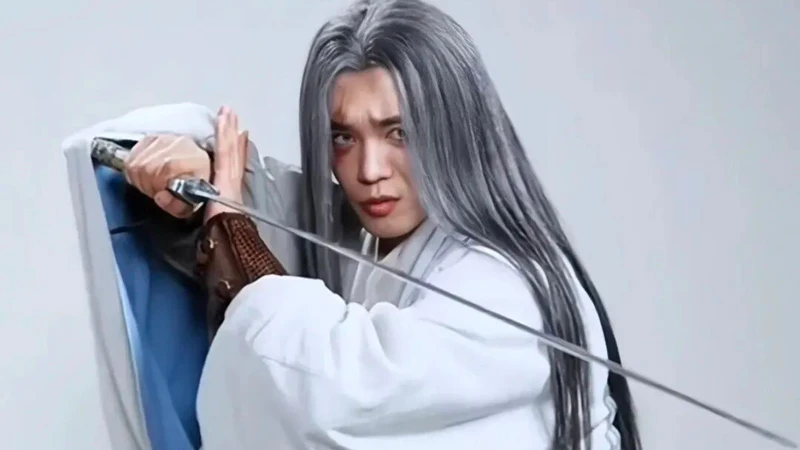
These early Hubi were often made of metal, offering a solid barrier against cuts and blows. They were the precursors to the more elaborate versions we see on screen. When a character in Blades of the Guardians straps on a leather guard, they are channeling this ancient warrior tradition. It signals that they are not just a brawler, but a fighter prepared for serious, sustained combat. The material itself tells a story: metal for the soldier, leather for the wanderer, silk for the noble. Each choice reflects the character’s status and the nature of the conflict they are about to enter.
The Weaver’s Secret: Silk, Stars, and Status
Not all arm guards were built for war. Some were woven for wonder. The most famous example in Chinese history is the Han Dynasty brocade arm guard bearing the inscription “Five Stars Rise in the East to Benefit China.” This was not a piece of battle gear; it was a textile masterpiece. Made of intricate silk, it was a symbol of astronomical prophecy and imperial authority. It proves that the practice of binding the sleeve had transcended mere utility. It had entered the realm of ritual and status. The method of wearing it—slipping the arm through and securing it with ties—was the same, but the purpose was entirely different.
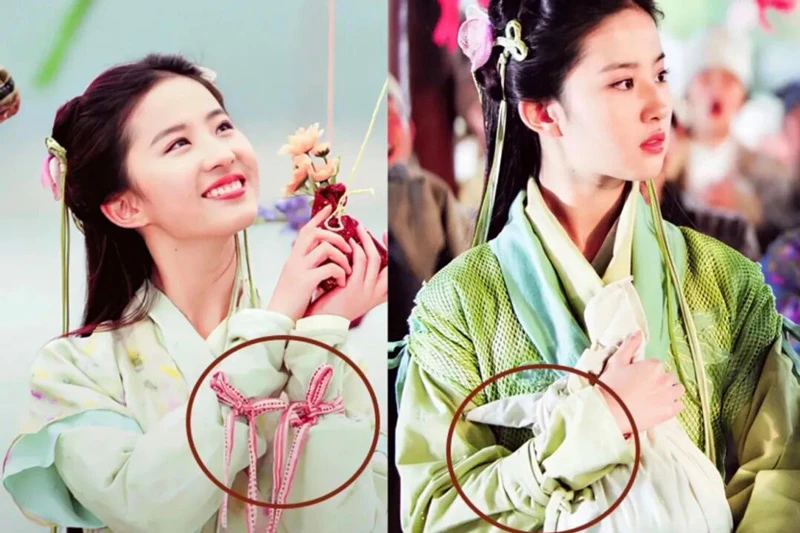
This duality is what makes the tradition so rich. On one hand, you have the rugged leather of a desert mercenary in Blades of the Guardians. On the other, you have the celestial silk of a Han dynasty aristocrat. Both are using the same fundamental technology to contain their sleeves, but the context changes everything. The silk guard speaks to a culture that valued order, precision, and cosmic harmony. It shows that the act of tidying one’s appearance was linked to a larger sense of propriety. To have one’s sleeves properly bound was to be a civilized person, whether in the court or on the campaign.
A Farmer’s Knot: Daily Life and Dirty Hands
There is another, humbler origin for the bound sleeve, and it is this version that most closely resembles what we see in modern films. Before heading into the fields, a farmer or laborer would simply take a length of rope or a cloth strip and tie it around their sleeve. This was not about armor or status. It was about keeping fabric out of the mud and away from the tools. It was a gesture of pure practicality, born from the need to work efficiently. This simple knot, passed down through generations, became the visual archetype for “rolling up one’s sleeves” to get the job done.
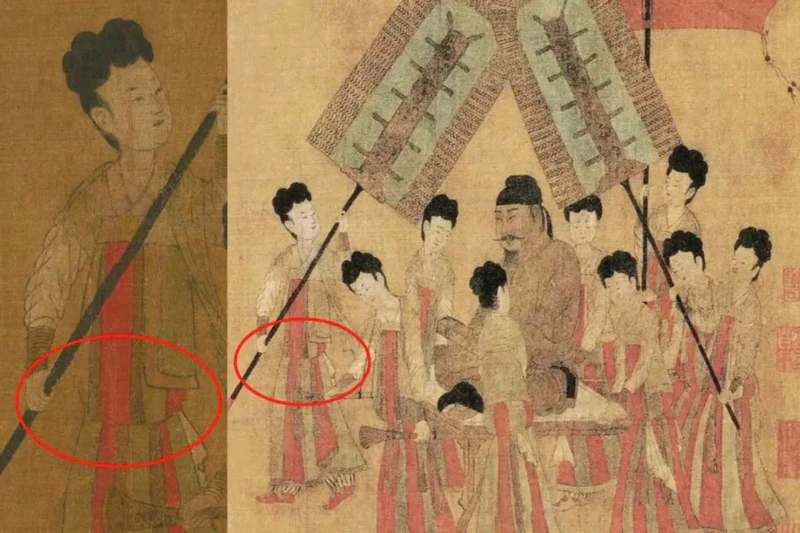
This everyday method is captured beautifully in Tang dynasty art, such as the painting Step into the Carriage (步辇图). In it, you can see figures with ties around their lower robes, not just their sleeves. The purpose was the same: to prevent long garments from tangling or dragging. A string or tie became the zipper of the ancient world, a versatile tool for managing fabric. It could be used to cinch a sleeve, hike up a skirt, or secure a collar. This is the genius of traditional design—a simple solution with a hundred applications. It is this common, rustic knot that filmmakers often borrow to give their characters a grounded, authentic feel.
Modern Hands, Ancient Habits: The Timeless Wrist
We may no longer wear flowing Hanfu robes, but the instinct to secure our sleeves has not vanished. Walk into any coffee shop and you will see a barista using a hair tie to cinch her cardigan sleeve. Look at a construction worker, and you might notice a leather wristband doing double duty. We use rubber bands, bracelets, and even paper clips to perform the same function our ancestors did. The tools have changed, but the problem remains: we need our hands free and our clothing out of the way. The modern sleeve stopper or arm garter is a direct descendant of the ancient Hubi.
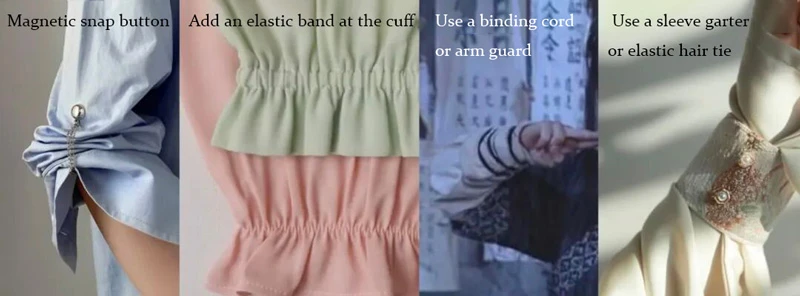
This is why the image of the bound sleeve in Blades of the Guardians resonates so deeply. It taps into a universal, cross-temporal habit. We all understand the need to prepare, to tighten, to get ready for action. When a hero ties his sleeve, he is performing a ritual that connects him to every worker, warrior, and weaver who came before him. It is a moment of focus, a transition from rest to readiness. And in that simple act, the character becomes not just a figure on a screen, but a participant in a continuous line of human experience. So, would you wear an external arm guard today? It might just make you feel ready for anything.