Is This the Only Hanfu Spectacle on CCTV’s Spring Festival Gala? Ode to the Flower Deities (贺花神) Brings Ancient Poetry to Life
As families gather for the most-watched television event in China, a single segment featuring historical Chinese clothing, known as Hanfu, has caught the attention of cultural enthusiasts. Tucked within the sprawling lineup of the CCTV Spring Festival Gala is a creative musical piece titled Ode to the Flower Deities. While the evening will be filled with comedy skits, acrobatics, and pop songs, this particular performance stands out as perhaps the only representation of traditional Hanfu on the entire broadcast.
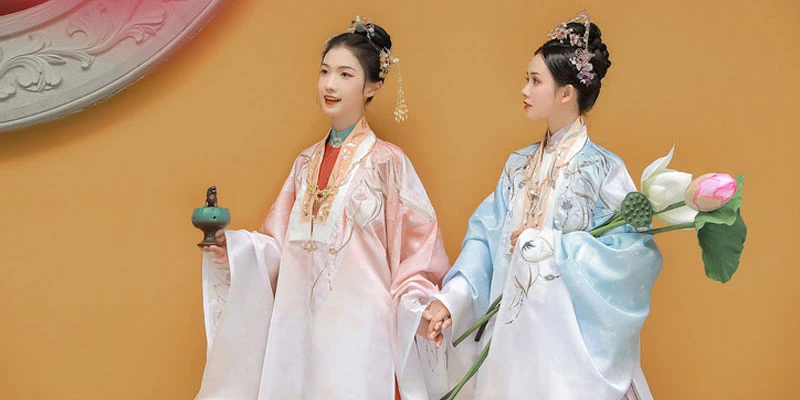
It features an impressive cast of twelve celebrities, each dressed in attire inspired by specific dynasties, bringing to life the beloved literary tradition of the Flower Goddesses. Early glimpses of the costumes suggest a stunning visual journey through China’s sartorial history, focusing primarily on Tang and Song dynasty aesthetics, with a notable appearance of Han dynasty style. The segment promises to be more than just a fashion show; it is an effort to weave together poetry, music, and character portrayal, connecting modern audiences with the scholarly romance of ancient times.
Song Dynasty Elegance: The Poetess of Osmanthus
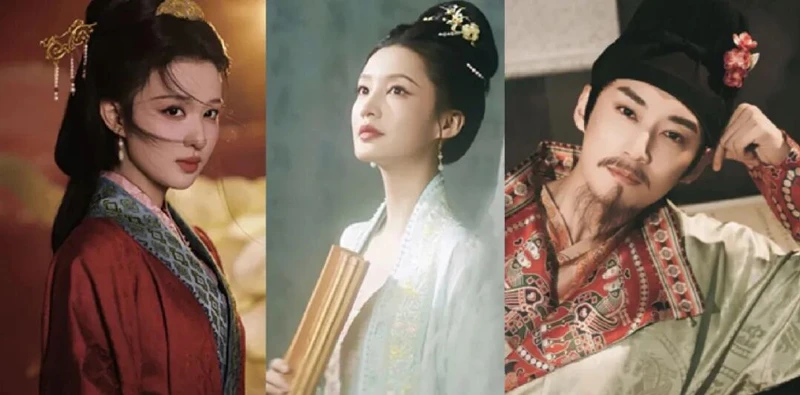
Among the most anticipated appearances is that of actor Li Qin (李沁), whose costume has already sparked lively discussion online. She wears a typical Song dynasty outfit, featuring a Beizi (褙子), a long, sleevelist jacket worn over a dress. The color palette is understated and elegant, favoring soft, muted tones that contrast with the brighter hues of other dynasties. Netizens quickly speculated that she is portraying the iconic female poet Li Qingzhao (李清照), known for her ci (词) poetry and her life during the Southern Song dynasty.
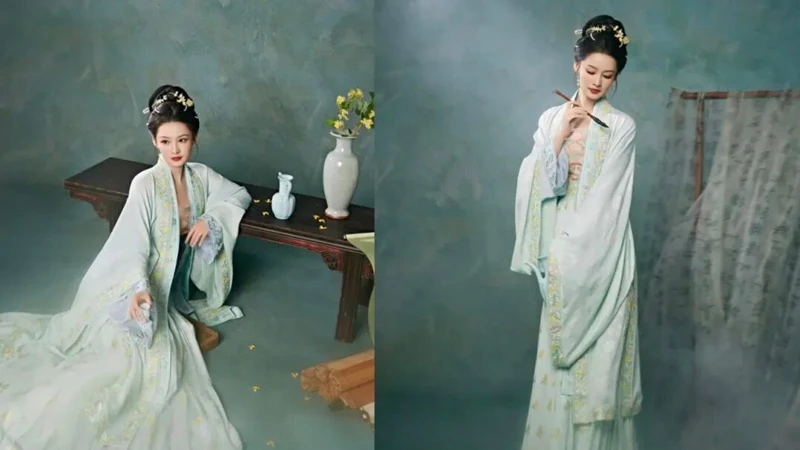
The outfit’s simplicity and grace perfectly mirror Li Qingzhao’s literary style—refined, deeply emotional, and precise. She is associated with the osmanthus flower, a bloom celebrated for its subtle fragrance, much like her enduring poetic legacy. This casting choice resonates deeply, as it visually connects the garment to the personality and era of the historical figure, suggesting that the costume is not merely decorative but a key to understanding the character’s soul. It reminds viewers of Li Qin’s previous appearance on the Gala, where she also donned Song-style clothing as one of the “Four Beauties” of the Spring Festival, creating a sense of continuity and personal tradition for the actor.
Tang Dynasty Boldness: The Unrestrained Poet with a Rose
In stark contrast to the Song dynasty’s subtlety, actor Liu Xueyi (刘学义) embodies the flamboyance of the Tang dynasty. He wears a round-collar robe, a style popular among Tang scholars and officials. A distinctive feature of his costume is the double-turned lapel, which gives it a casual, almost rebellious look, perfectly suited for portraying the wild and innovative poet Bai Juyi (白居易). To complete the look, he wears a Futou (幞头), a type of headwear, adorned with a flower, reflecting the Tang custom of wearing blossoms as a symbol of refinement and festivity.
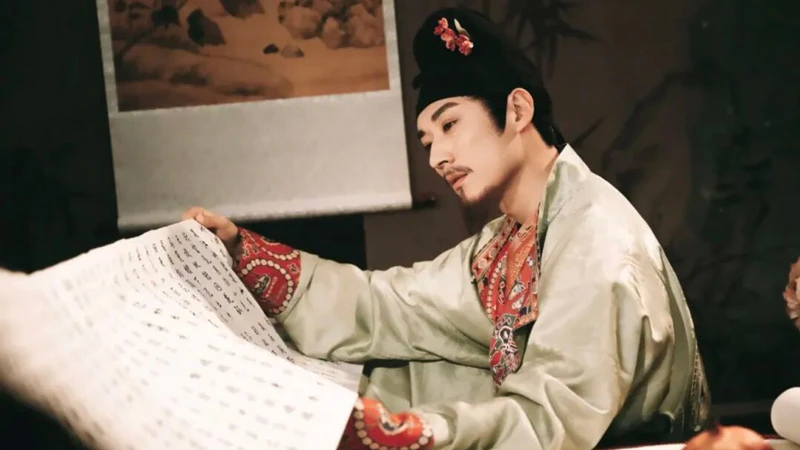
The robe itself is decorated with patterns of linked celestial horses, a design motif that highlights the cosmopolitan nature of the Tang empire. These patterns were influenced by trade and cultural exchanges along the Silk Road, symbolizing how art and fashion absorbed foreign elements. This detail is crucial; it tells a story of cultural fusion without needing a single word. It represents a time when Chang’an was a global hub, and ideas flowed as freely as the silk on these garments. The costume, therefore, becomes a historical document, showcasing the openness and confidence of Tang society.
Han Dynasty Legacy: The Lament of a Peacemaker
Amidst the Tang and Song influences, one costume offers a different historical flavor. Actor Wang Churan (王楚然) appears in a Quju (曲裾), a style of robe characterized by curved hemmed layers that wrap around the body multiple times. This is distinctly Han dynasty in form. She is set to portray Wang Zhaojun (王昭君), one of the legendary “Four Beauties” of ancient China, known for her role in securing peace between the Han dynasty and the Xiongnu nomadic tribes. Wang Zhaojun’s story is one of sacrifice and cultural diplomacy, famously captured in the musical piece “Eighteen Songs of a Nomad Flute.”
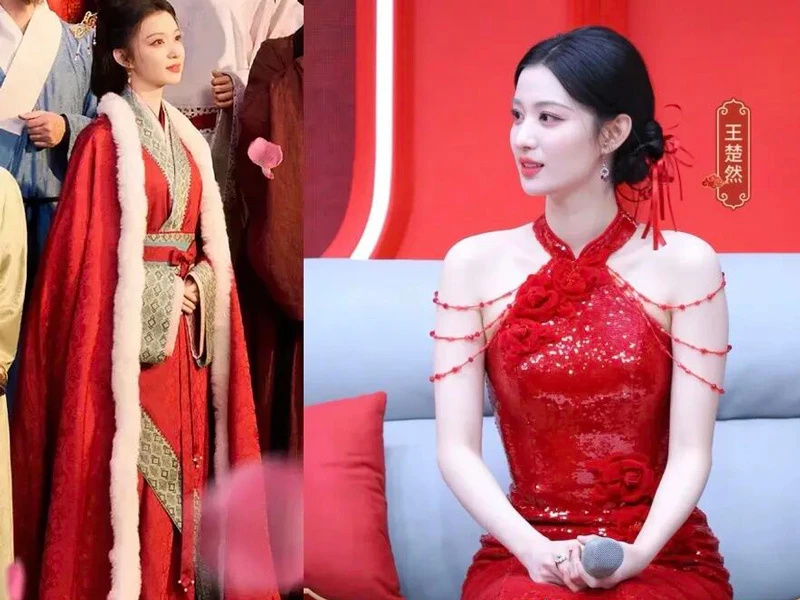
The choice of the Quju for her character grounds her in the Han dynasty court before her departure to the northern grasslands. This Han dynasty silhouette, appearing alongside later styles, creates a visual timeline within the performance itself. It reminds the audience that the concept of the Flower Goddesses spans across centuries, honoring figures from different eras. Her inclusion adds a layer of historical depth, connecting the literary tradition of flower deities with pivotal moments in Chinese political and cultural history.
A Poetic Gathering: The Twelve Flower Deities
The selection of characters in Ode to the Flower Deities hints at a fascinating cultural concept: the gendering of the flower spirits. While popular imagination often leans towards female deities, the literary tradition is rich with both male and female flower gods. The performance cleverly pairs male and female artists to represent the twelve months of the floral calendar.
The male counterparts could be drawn from a long list of scholars like Tao Yuanming (陶渊明), associated with the chrysanthemum, or Zhou Dunyi (周敦颐), famous for his love of the lotus. The female versions include legendary figures from Xie Daoyun (谢道韫) to Consort Yang. This blend suggests that the production team has curated a specific list, perhaps linking each celebrity to a poet or historical person known for a particular flower or botanical virtue.
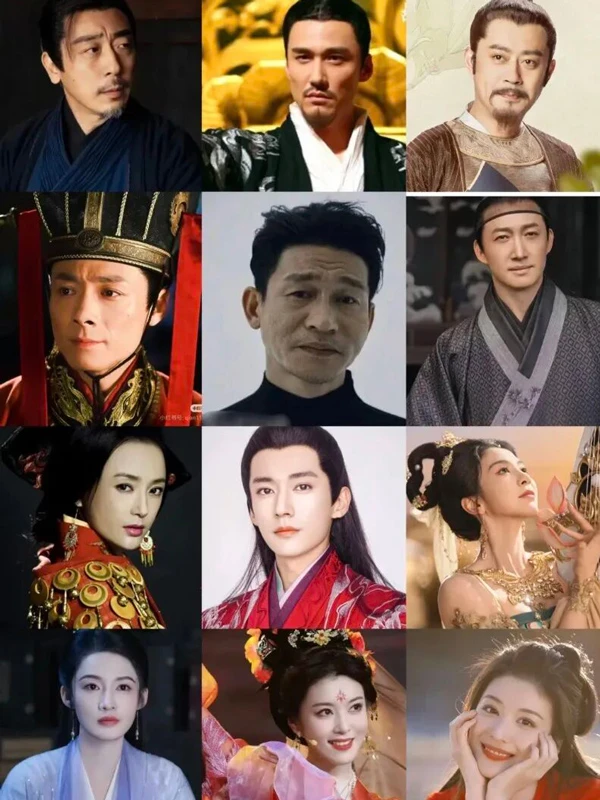
With the inclusion of dancer Tang Shiyi (唐诗逸), the segment is sure to feature choreographed movement, adding another layer of artistic expression. While it may incorporate some modern stage and cinematic elements, the core appeal lies in seeing these twelve artists embody history through the beauty of Hanfu. It transforms the Gala stage into a living painting, where each fold of fabric and each floral accessory invites the audience to connect with the poets and heroines of the past in a fresh, visually stunning way.