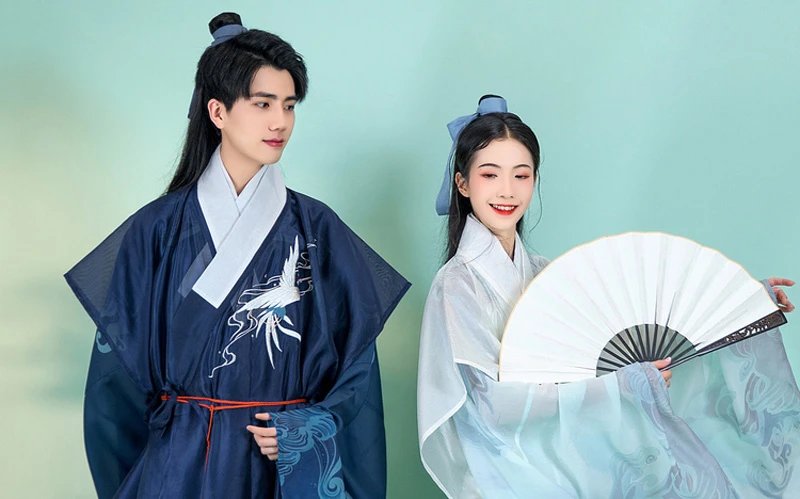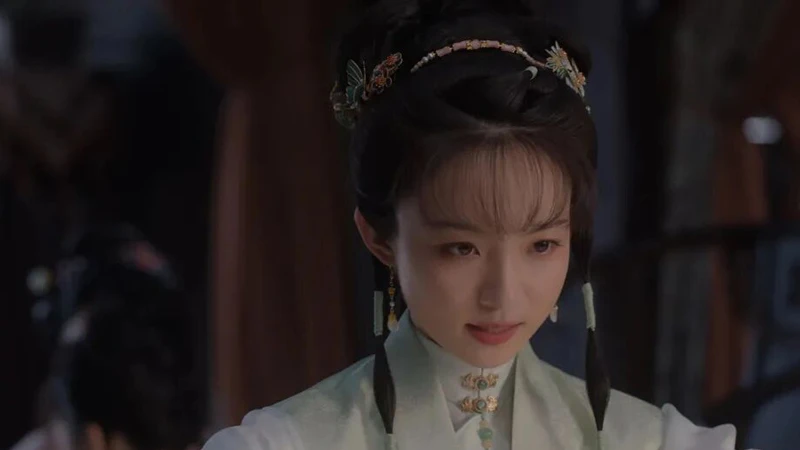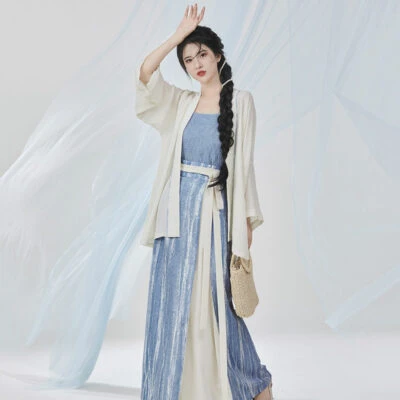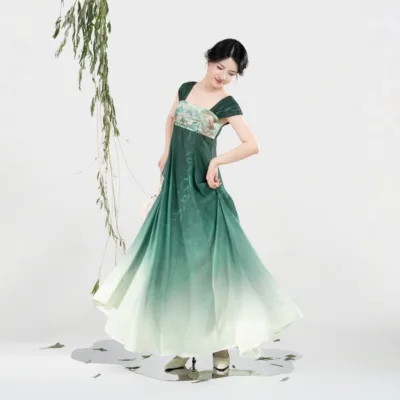
Henan TV’s Spring Festival Gala has long been a beacon for those fascinated by traditional Chinese culture, particularly the exquisite world of Hanfu. This year, however, the journey to bring these historical garments to the screen was fraught with unexpected hurdles. From censorship complaints to live-stream interruptions, the production team navigated a minefield to ensure that the beauty of Hanfu was not obscured.
Yet, despite the technical glitches and the barrage of advertisements that frustrated many viewers, the final broadcast was a treasure trove of historical fashion. The show offered a vibrant tapestry of styles, from Tang dynasty elegance to Ming dynasty opulence, sparking conversations and debates among a diverse audience. This year’s gala was more than just a show; it was a testament to the complex and evolving relationship between ancient attire and modern media, a relationship filled with both passionate advocacy and sharp critique.
From Mural to Movement: The Masterpiece Moment of Eternal Joy
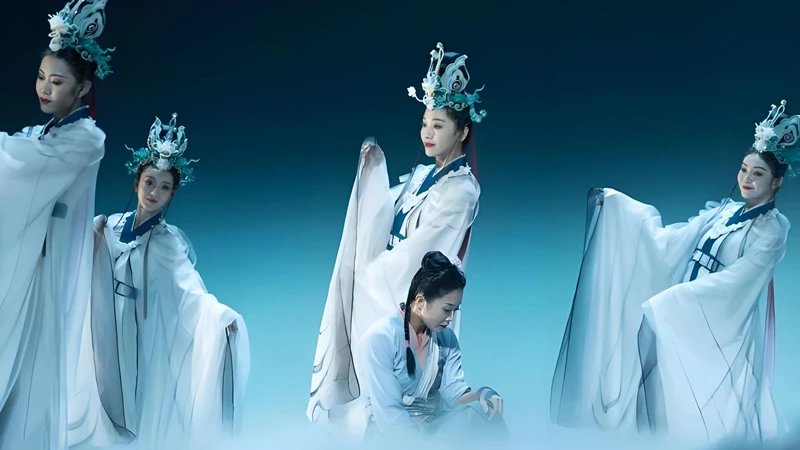
Perhaps the most critically acclaimed segment was Moment of Eternal Joy (永乐未央), a breathtaking piece inspired directly by the Yuan (元) dynasty murals of the Yongle (永乐) Palace. It drew specifically from the “Chart of the Celestial Procession (朝元图)”, a colossal 97-meter-long masterpiece housed in the Sanqing (三清) Hall. This original mural is a pinnacle of Chinese art, depicting over 280 deities paying homage to the primordial lord of heaven, each figure distinguished by unique attire, headwear, and facial expressions.
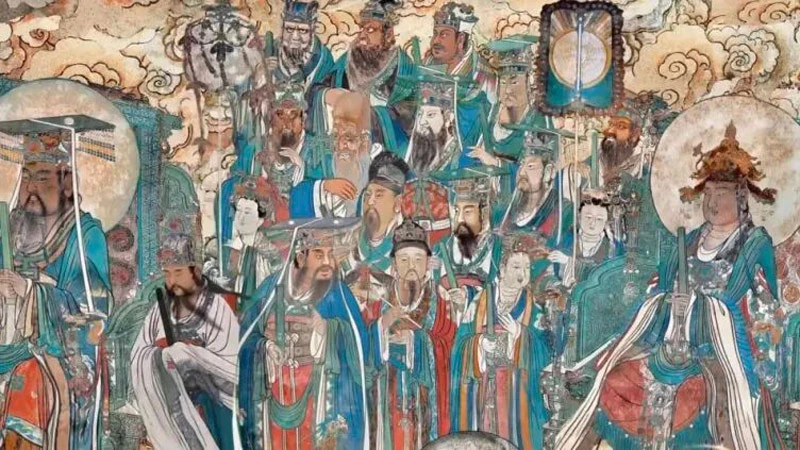
The gala segment translated this static, monumental art into a dynamic performance, bringing the “Oriental Art Gallery” to life. It was a vivid reminder that Hanfu is not merely clothing but a crucial element in storytelling and religious iconography, where the artists’ imaginations, rooted in Hanfu traditions, created a divine pantheon.
Star Power and Sartorial Choices: Guan Xiaotong (关晓彤) and Liu Yu (刘宇)
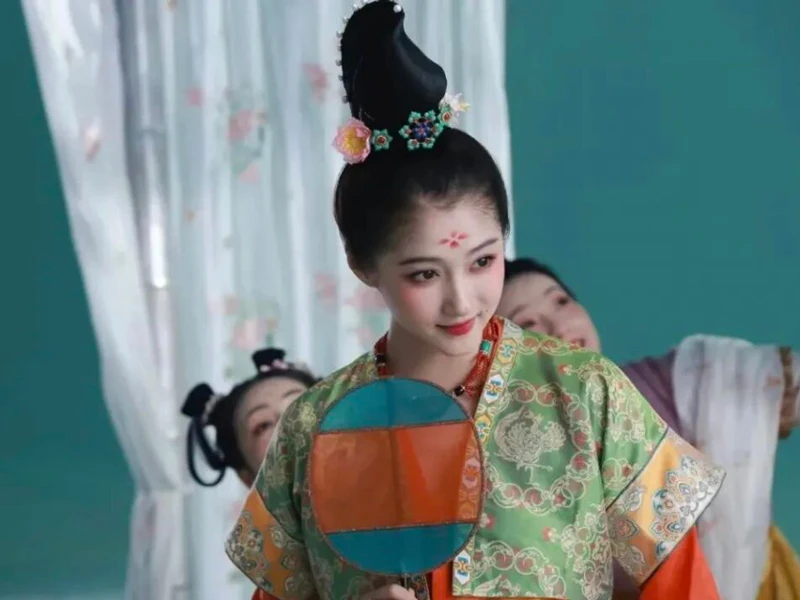
The gala featured high-profile celebrities, turning their performances into talking points for Hanfu enthusiasts. Actress Guan Xiaotong showcased three distinct historical styles. Her first look was a vibrant Tang (唐) – dynasty inspired outfit, featuring a half-sleeve jacket paired with a skirt and the signature tall “single knife” coiffure. She then transitioned to a more refined Song (宋) dynasty style with a cross-collar half-sleeve, though some viewers found her gold accessories a bit overpowering. Her final ensemble was a late-Ming (明) dynasty look, consisting of a vertical-front robe and a striking red cape. While her Hanfu was undeniably beautiful, a debate sparked online, with some netizens suggesting she looked more natural in Qizhuang (旗装), the traditional dress of the Manchu people.
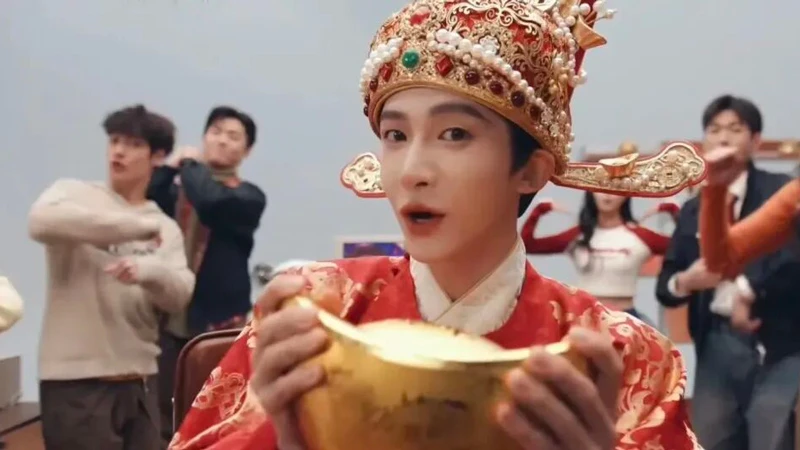
Similarly, singer Liu Yu performed a vibrant piece as the God of Wealth, dressed in a magnificent Ming-style round-collar robe adorned with golden patterns. The costume was widely praised for its festive and fitting representation, though the performance’s fast-paced, meme-like editing divided opinions, with some arguing it modernized the traditional deity too much.
Urban Festivities and Digital Dreams: A Cultural Tapestry
Beyond individual performances, the gala painted a broader picture of cultural celebration. A group performance set in the ancient city of Luoyi (洛邑) depicted the Spring Festival of the Tang dynasty. This segment featured a lively street scene filled with people in Tang-style round-collar robes and skirts, embodying the historical “scattering of flowers” court ladies and creating an immersive atmosphere of ancient festivity. In a surprising and innovative move, the gala also included a live-action segment titled “Fanlou Feitian (樊楼飞天),” based on the video game Where Winds Meet (燕云十六声). This piece recreated the game’s CG animation, featuring a dancer in attire inspired by the Dunhuang (敦煌) grottoes’ flying apsaras.
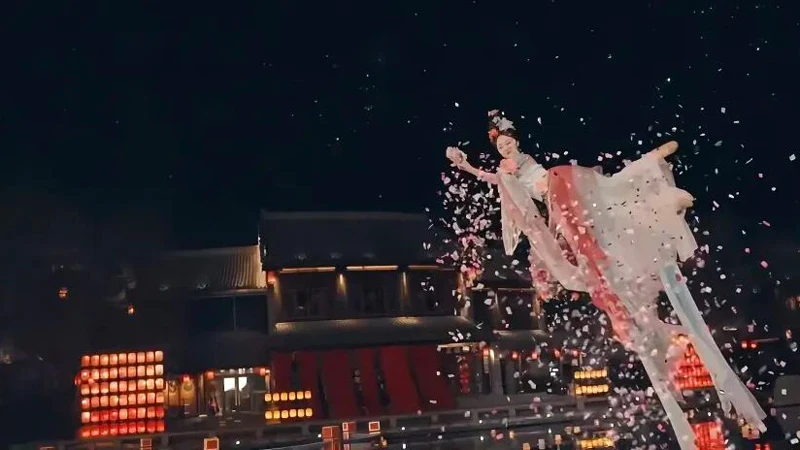
It was a bold crossover that resonated deeply with gamers, proving that Hanfu’s influence extends beyond historical reenactment and into the realm of digital fantasy. While some viewers felt the gala was a step down from previous years, these diverse elements showcased the multifaceted nature of Hanfu’s revival—a path lit by both the steady glow of history and the dazzling, unpredictable flashes of modern creativity.