

The Journey of Legend, a Wuxia drama starring Cheng Yi (成毅) as Xiao Qiushui (萧秋水), reaches a defining turning point in its sixth episode. Xiao Mingming is a modern writer trapped in the game world. Within the story, he goes by the name Xiao Qiushui. The scene where he raises a toast to the Huaan Sect disciples encapsulates a profound shift: he moves from being a "game player" with a god’s-eye view to becoming a true believer in chivalry. This moment not only transforms the protagonist but also plants seeds for another character’s redemption and bridges the gap between fiction and real life.
The Protagonist’s Shift
For the first five episodes, Xiao Mingming treats the game world as a mere RPG. He stays distant: mocking ancient characters’ choices with modern cynicism, viewing conflicts as "storylines" rather than real struggles. But when he retreats to the Sword Cottage in Episode 6, his father’s words about heroism and his own toast shatter that detachment. "I’ve read countless chivalric tales," he tells the Huaan Sect disciples. "They felt like myths—distant, unreal. But today, you risk your lives for the sect—not for glory, but for belief. This drink is for you."
This toast marks his "role immersion." No longer a spectator, he becomes part of the story. The once-detached writer now feels the weight of reality: his hands shake when he kills for the first time (in Episode 2, against a river-side villain), and he remembers wounded disciples during the celebration feast. Chivalry stops being a plot device—it becomes his truth.
The Antagonist’s Crack: A Cold Heart Stirred
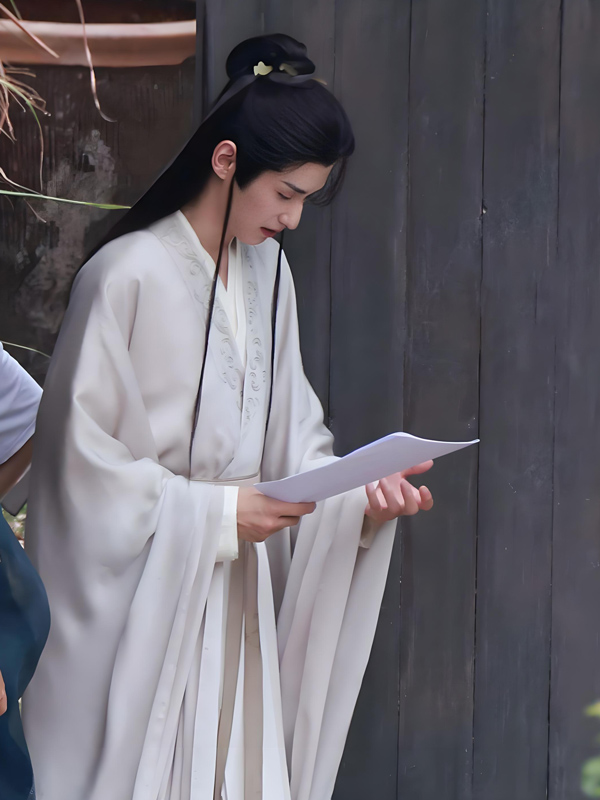
Liu Suifeng (柳随风), the "Fake Lucky Bag" and deputy leader of the Power Gang played by Xu Zhenxuan (徐振轩), is the unsung catalyst of the scene. Raised in a world of power and trickery, he’s built his life on loyalty to strength, not morality. But when he hears Xiao Qiushui’s toast and watches the Huaan Sect disciples fight to the death for their beliefs, his furrowed brow reveals a crack in his armor. For the first time, he sees a life beyond cynicism: one where people fight for something bigger than profit. This moment is the start of his "awakening"—from a cold-blooded enforcer to someone who might eventually embrace kindness.
Parallel Growth
The sixth episode weaves two parallel character arcs. For Xiao Mingming, growth means moving from "outsider" to "insider"—from doubting chivalry to living it. For Liu Suifeng, it’s the opposite: he’s always been inside the world of power, but now he’s seeing a new way to exist. Their journeys mirror each other: one finds truth by entering the story, the other by questioning his own world. Together, they prove chivalry isn’t just for protagonists—it’s for anyone willing to change.
Chivalry in Reality
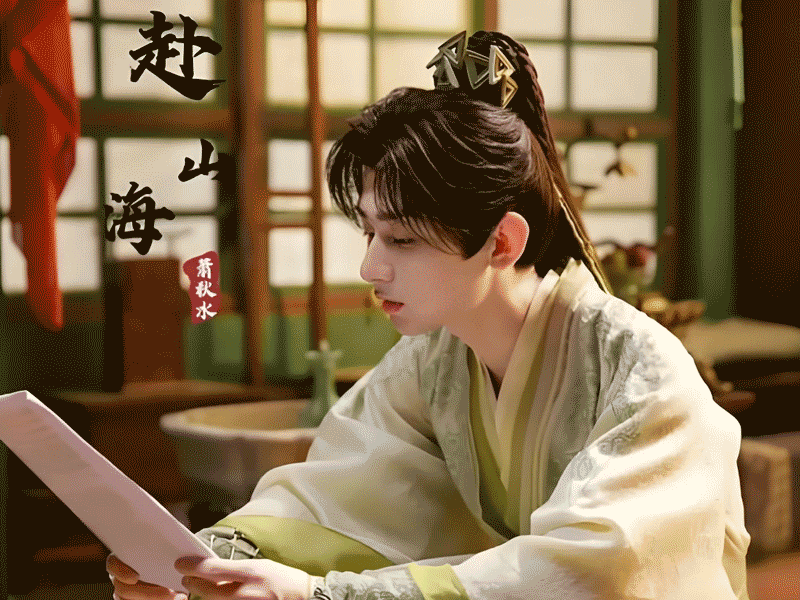
This moment also makes the Wuxia world feel "real." For Xiao Mingming, the Huaan Sect’s sacrifice turns chivalry from a "book thing" to a "life thing." For viewers, it’s a mirror to our own lives. The disciples’ loyalty echoes real-world heroes: firefighters running into burning buildings, nurses staying on COVID-19 frontlines, neighbors helping each other through hard times. The toast isn’t just about a fictional sect—it’s about the quiet courage we see every day. That’s why the scene resonates: it turns "Wuxia" from fantasy into something we can touch.
Breaking the Fourth Wall
What makes this scene special is how it breaks the line between story and reality. For Xiao Mingming, it’s an awakening to his role; for Liu Suifeng, it’s the start of redemption; for us, it’s a reminder that chivalry isn’t dead. It lives in the people who stand up, even when no one is watching. As the old Wuxia saying goes: "Great heroes serve the country; small heroes serve their friends." In The Journey of Legend’s game world, and in our own lives, that spirit endures.