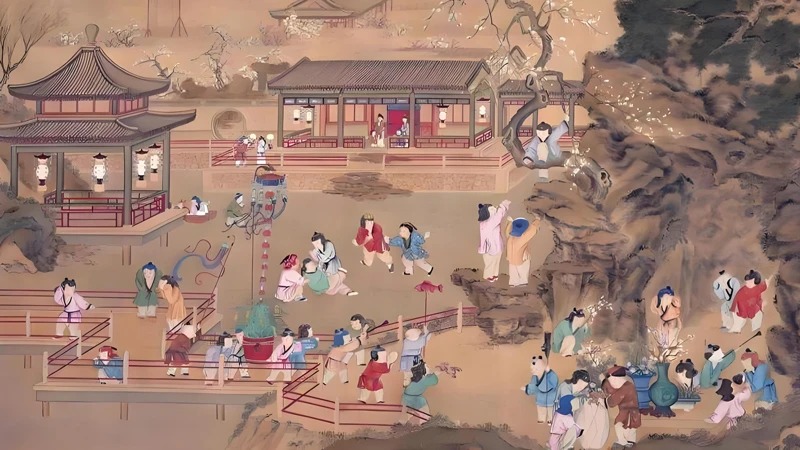
As you mindlessly tap your screen, competing with dozens of friends for a red envelope worth just a few yuan, have you ever wondered: did the ancients, who had no smartphones or WeChat, have a more exciting New Year than we do? In an era without electricity, the grandeur and ritual of their celebrations might far exceed our imagination. They weren’t just celebrating a single day but orchestrating a grand ceremony spanning an entire month, filling the cold winter with warmth and anticipation.
1. Laba Festival (腊八节)
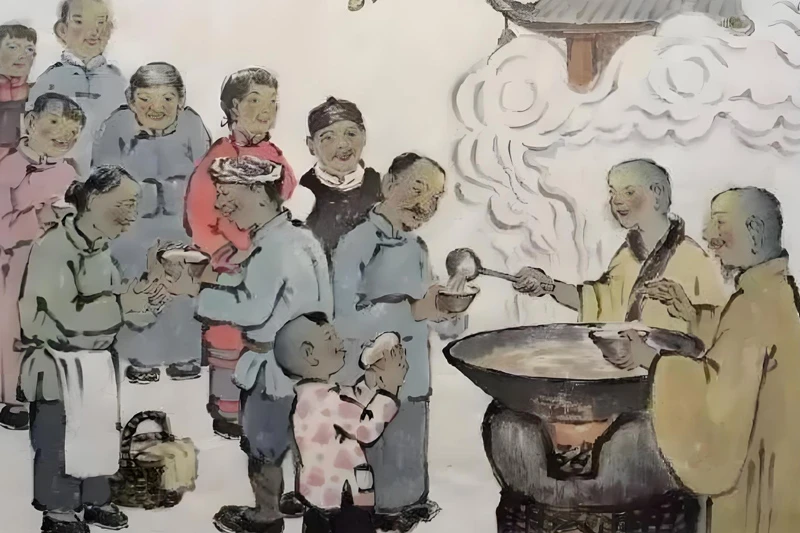
The ancient “New Year” wasn’t a one-day event but a systematic project that kicked off in the twelfth lunar month. The Laba Festival was the first signal. During the Northern and Southern Dynasties (420-589), Laba congee was already a northern staple. Records from the era describe a combination of drinking congee, making sacrifices, and driving away plagues—a series of actions that opened the festive prelude. It was a practical way to mark the transition, a communal effort to ward off the old year’s ills and welcome a fresh start.
The real highlight came on the 23rd or 24th of the twelfth month: the ritual of bidding farewell to the Zao Shen (灶神), or Kitchen God. The ancients believed this deity watched over the household’s fortune and, on this day, would ascend to heaven to report on the family’s conduct over the past year. To ensure a favorable report, families offered sweet malt sugar, a sticky concoction designed to either sweeten the God’s words or, as folklore humorously suggests, glue his mouth shut. This practice, vividly described by the Song Dynasty poet Fan Chengda, shows a charming blend of superstition, hope, and a very human desire to manage one’s reputation, even in the celestial realm.
2. New Year’s Eve
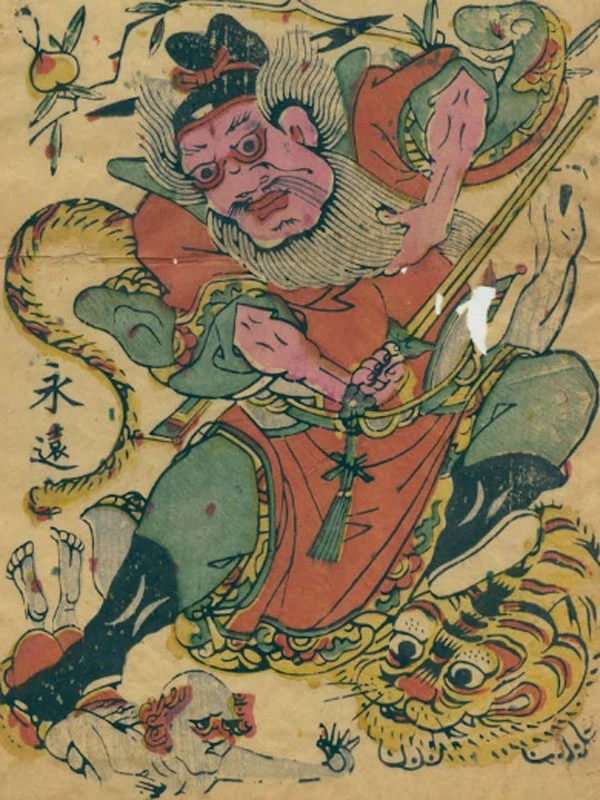
Come New Year’s Eve, the focus shifted from the heavens to the home itself. The first task was to renew protective symbols on the doors. During the Eastern Han Dynasty (25-220), it was common to place peachwood charms and paint the doors with legendary guardian Shentu (神荼) to ward off evil spirits. After the Tang Dynasty (618-907), the martial heroes Qin Shubao (秦叔宝) and Yuchi Gong (尉迟恭) became the new, popular door gods, their fierce images meant to intimidate any wandering malevolence. The famous line by the poet Wang Anshi (王安石), “The rising sun shines on every household door; each replaces its old peachwood charm with a new one,” perfectly captures this vibrant scene.
The New Year’s Eve dinner was, of course, lavish, but the “New Year’s Eve wine” was a matter of even greater ritual. The custom of staying up late, or “shou sui (守岁),” dates back to the Han Dynasty (202 BC-220 AD). During the Wei and Jin Dynasties (220-420), pepper and cypress wine became the fashionable choice. The fragrant pepper symbolized resilience, while the evergreen cypress represented longevity. Drinking it was not just for merriment but an act of imbibing hope for the coming year. Alongside the wine, plates of five spicy vegetables, malt sugar, and New Year cake each carried their own symbolic wish for health, sweetness, and rising fortune.
Perhaps the most unique custom was the appearance of “lucky money.” Evolving from a Tang Dynasty court tradition of giving coins to newborns, it became the “Ya Sui Qian” (压岁钱) in the Song Dynasty (960-1279). But it wasn’t given in the red envelopes we know today. Instead, one hundred copper coins were strung together with a red thread, symbolizing the wish for a long life of one hundred years, and placed under the pillow or at the foot of the bed. The name itself, “Ya Sui,” meant to suppress or ward off evil spirits, transforming a simple gift into a powerful talisman for a child’s safety.
3. Yuan (元) Day
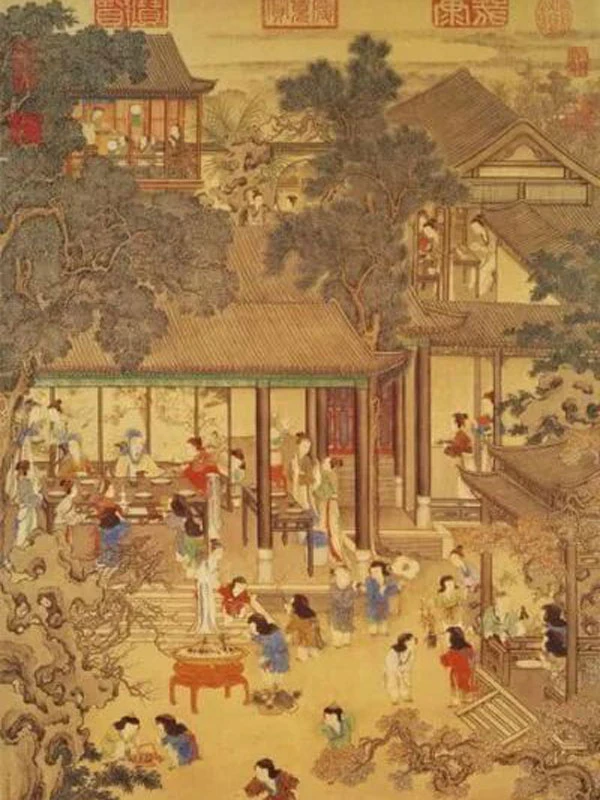
The first day of the new year, or “Yuan Day,” began at the crack of dawn, literally. As the rooster crowed, the entire family would don new clothes and gather for the most important rituals. Following a strict hierarchy recorded in Han texts, they would first pay respects to heaven and earth, then to the ancestors, and then to their parents. Only after this solemn family worship could family members exchange greetings among themselves. Once outside, the day was for visiting relatives and friends, the order determined by the closeness of the relationship.
Interestingly, the ancients found a way to be efficient, even in the 11th century. During the Song Dynasty, the practice of “tou ci (投刺)” became popular. This involved sending a servant around with a “name card,” much like a modern business card, to deliver New Year’s greetings on one’s behalf. The famous poet Su Shi (苏轼) even joked about this custom, noting he no longer needed to make personal visits. It seems the art of streamlining social obligations while maintaining the appearance of propriety is nothing new, offering a humorous parallel to our modern group texts and automated e-cards.
4. The Lantern Festival
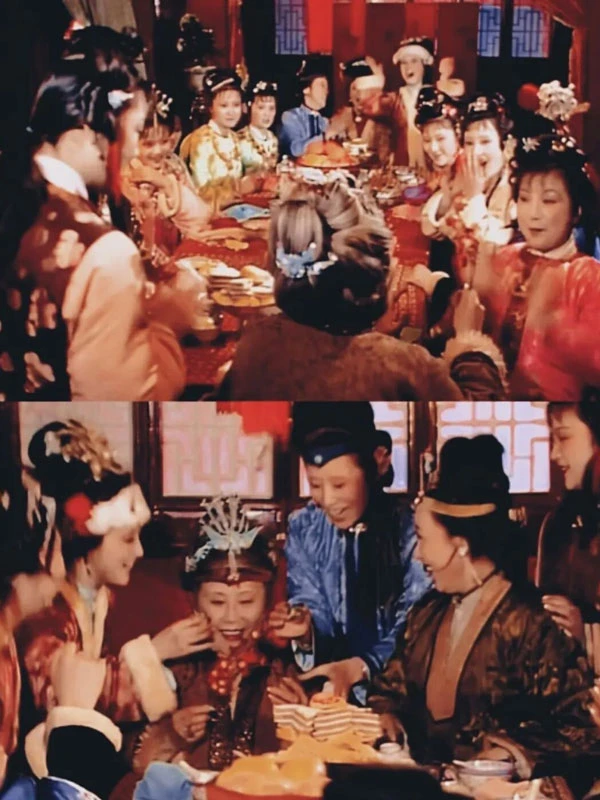
The New Year celebrations didn’t end on the first day; the entire first month was a social marathon. From the second day onwards, feasting and visiting continued nonstop. Classic literature like The Dream of Red Mansions (红楼梦) depicts grand households where the ladies were busy hosting endless wine feasts day after day, with operas playing and relatives coming and going in a continuous stream of celebration. The 7th day, known as “Human Day,” was another significant milestone, a time for cutting colorful silk flowers and climbing heights to compose poetry—a tradition especially cherished during the Tang Dynasty.
The ultimate climax, the grand finale of the ancient New Year, was the Lantern Festival on the 15th day of the first month. What began as a Han Dynasty custom of lighting lamps for Buddhist worship evolved by the Sui and Tang Dynasties into a city-wide carnival. Historical records describe massive temporary performance venues stretching for miles, with officials setting up viewing stands along the roads. The celebrations would last from dusk until dawn, lighting up the heavens and the earth. The spectacular imagery of countless lanterns, like a thousand trees blossoming in the night, was immortalized by the poet Xin Qiji (辛弃疾). This was the night when the month-long ceremony finally reached its breathtaking conclusion, a final explosion of light and joy before the long year of work ahead.