Article
Search results:
-
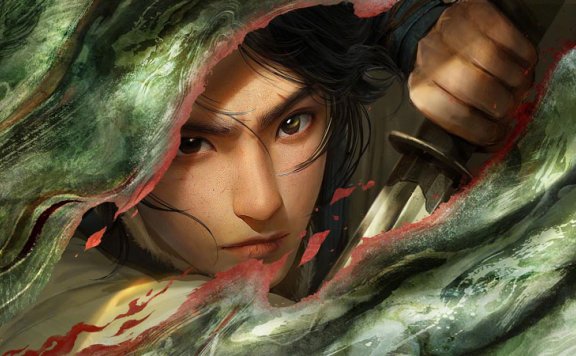
Top 10 Chinese Animated Series on Douban Reputation Chart
This list ranks the top-rated Chinese animated series from 2020–2025 based on Douban user ratings, spotlighting the most critically acclaimed and influential titles from the past five years. There are 30 titles on the full "2020–2025 Douban Reputation Chart," but today we're focusing on the top ten. The first place spot goes to My Three-Body: The Legend of Zhang Beihai. Second place is a tie between Painting Rivers and Lakes: The Degenerate 6 (an original IP) and A Record of a Mortal's Journey to Immortality: Outer Sea Turmoil. Coming in third is ...Immortality: Starsea Acceleration Arc. 1. My Three-Body: The Legend of Zhang Beihai 我的三体之章北海传 Topping the list is My Three-Body: The Legend of Zhang Beihai, directed by Li Zhenyi. A relatively unknown name until recently, Li brings a profound understanding of Liu Cixin's source material to this adaptation, channeling that insight into a precise, emotionally resonant portrayal of one of the franchise's most complex characters: Zhang Beihai. As of July 15, 2025, the series holds an impressive 9.6 rating on Douban, with over 62,000 people having submitted reviews—a clear signal of its impact among sci-fi animation fans. Rather than leaning solely on spectacle, Li's approach is restrained and deliberate.… -
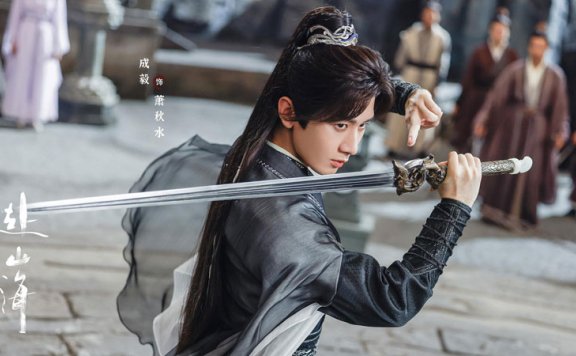
Top 5 Costume Dramas on iQIYI to Watch in Late 2025
The second half of 2025 is turning out to be a battlefield for streaming platforms, with everyone pulling out their big guns. Over at iQIYI, the historical drama lineup is already heating up, and several titles have broken the one-million-reservation mark—some even by a landslide. So, if you're into time-traveling swordsmen, complex dual identities, and a touch of modern fantasy, here's a drama you'll want on your radar. The Journey of Legend 赴山海 Starring: Cheng Yi × Gulnazar Reservations: 4.26 million Based on Wen Rui'an's cult wuxia novel Shenzhou Qixia, this upcoming drama is not your typical martial arts tale—it throws in a “stuck in a novel + game system” combo for a genre-bending ride. Our protagonist, Xiao Mingming, is just another burnt-out corporate drone in the real world—until he wakes up as the hero of his favorite martial arts story, now living as the hot-headed teenage swordsman Xiao Qiushui. Through his eyes, we traverse three timelines—Northern Song, Republican era, and the modern day—in a tightly woven loop narrative. From punching above his weight in sword fights to learning what it truly means to protect something bigger than himself, Xiao's growth from an impulsive underdog to a selfless hero makes… -
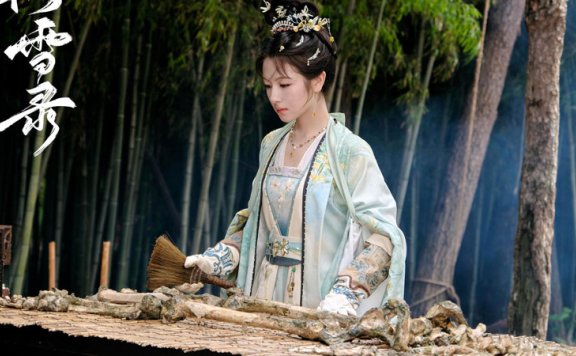
Another Sleeper Hit in Historical Mystery: Coroner's Diary
Two summers ago, Mysterious Lotus Casebook lit up the martial arts scene with its trio of sleuths solving ten classic cold cases. Last year, The Ingenious Detective Lu Lingfeng brought Tang Dynasty aesthetics back in fashion with eight eerie mysteries. Turns out, the so-called "Chinese detective aesthetic" really does something to the audience — maybe it's the sense of order, maybe it's the ancient riddles, maybe it's just that familiar thrill of peeling back layers of lies. Now it's summer 2025, and the first historical mystery drama out of the gate is Coroner's Diary (朝雪录). And right from episode one, it pulls you in with a headless bride and a corpse buried in a well. No warm-up, just straight into the weird. Within days, the show's trending with over 9,000 heat index (a local metric for popularity), and multiple plot threads climbing the hot search charts. At the core of Morning Snow is a double-lead mystery arc, set against a backdrop rich with ancient forensic techniques and a distinctive Chinese visual style. But beyond the murder boards and blood trails, the show threads in themes that resonate with today's audience — fighting injustice, rejecting toxic romance tropes, and showcasing women… -
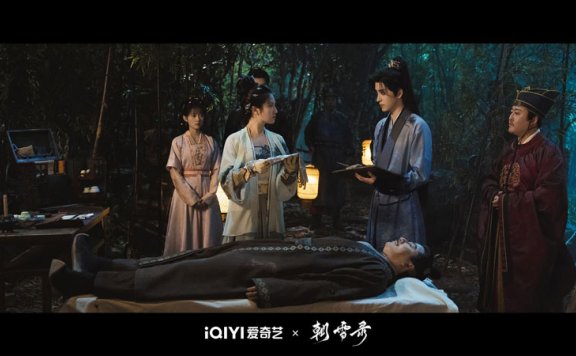
7 Historical Crime Dramas You'll Want on Your 2025 Watchlist
I've been binging Coroner's Diary lately—a historical detective drama starring Li Landi and Ao Ruipeng—and I have to say, I'm obsessed. The cast is ridiculously good-looking, the story blends Chinese horror with level-up-style crime solving, and the whole thing has me equal parts creeped out and glued to the screen. And guess what? Morning Snow is just the beginning. There are six more period mystery dramas lined up for release this year. Let's take a look at what's coming. Towards The Truth 朝云散 Ten years ago, the entire Shen family was wiped out in a single night. Only one boy survived—Shen Song. Since then, he's been living with one goal: clear his family's name and get justice. He throws himself into his studies, eventually topping the imperial civil exams. But when he petitions the emperor to investigate the massacre, he's cast out of court instead. Disillusioned by the rot at the heart of the system, Shen Song gives up his political aspirations and starts over as a cook. For a while, it seems like he's let go of the past. But when a fire breaks out at the Huamen Tower during the Empress Dowager's birthday festival—revealing dozens of buried skeletons—he… -

Zhao Lusi: Crisis, Role Shift, Career Stagnation?
Zhao Lusi (赵露思) stands at a pivotal moment. Once celebrated for relatable charm and promising roles, the actress now navigates a landscape where viral moments eclipse artistic growth. Her absence from the screen—marked by delays like Xu Ni Yao Yan (许你耀眼) and no clear upcoming projects—contrasts sharply with relentless online buzz: trending dances, record-breaking social media engagements, and cosmetic transformations that spark more debate than her craft. As competitors hone their skills on set, Zhao Lusi's three-month focus on livestreams and endorsements raises urgent questions about priorities in an industry where relevance fades faster than likes accumulate. Digital Mirage and Vanishing Roles The metrics of Zhao Lusi’s online empire paint a deceptive picture. While hashtags tout her as “95s” Top Influencer, this digital dominance lacks foundation. Her TikTok followers and Instagram milestones generate fleeting headlines yet contribute nothing to her acting portfolio. This reliance on hollow virality mirrors the industry’s broader shift toward instant gratification over enduring artistry. Audiences increasingly question the substance behind the spectacle. When brand appearances center on makeup routines rather than character insights, the disconnect widens. Her recent explanation linking cosmetics to health struggles puzzled viewers, highlighting a narrative drift from performer to personality—a transition that… -
Why Authentic Hanfu Remains Rare in Chinese Historical Dramas
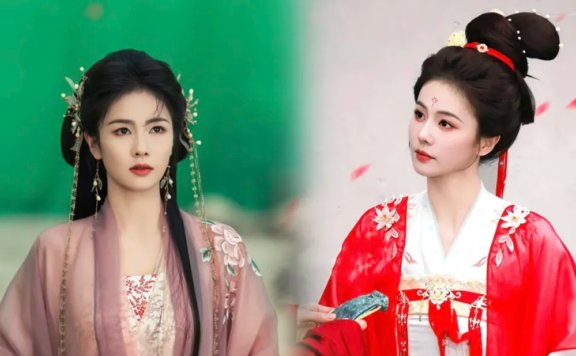
Despite growing appreciation for traditional aesthetics, authentic Hanfu is seldom featured in mainstream Chinese historical dramas. This article explores the cultural, economic, and practical barriers to its adoption, examining why stylized costumes dominate screens while historically accurate garments remain a niche choice. Cultural Disconnect and Historical Suppression Hanfu’s disappearance traces back to the Qing Dynasty’s enforcement of Manchu attire, severing Han clothing traditions for centuries. Post-1912 modernization efforts further marginalized Hanfu, associating it with backwardness while promoting Western dress as progressive. Though recent revival movements celebrate Hanfu’s cultural significance, its ties to pre-Qing history remain obscured in popular media. Many viewers still mistake Hanfu for Japanese or Korean dress, reflecting a persistent identity gap. Contemporary creators face dilemmas in balancing historical accuracy with audience familiarity. Qing-era court dramas dominate screens, normalizing Manchu-inspired designs like Qipao and mandarin collars. This visual legacy overshadows Hanfu’s distinct features: cross-collar ties, flowing sleeves, and layered silhouettes seen in The Tang or Song dynasties. When productions reference Hanfu, they often blend it with fantasy elements, diluting its authenticity. Theatrical adaptations further diluted authenticity. During the Qing era, performers wore modified Hanfu-inspired costumes exempt from clothing bans, preserving fragments of tradition through stylized interpretations. Modern productions… -
The Princess's Gambit: A Web of Courtly Intrigue and Survival
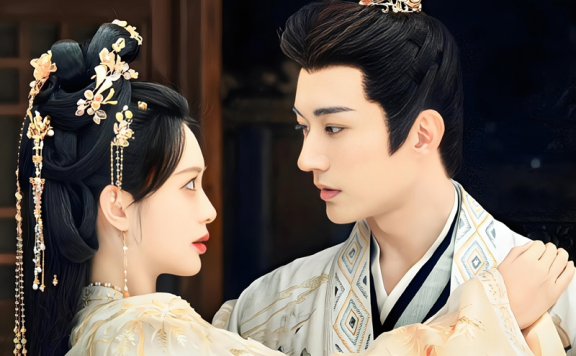
Within the intricate web of Great Qi's courtly politics, The Princess's Gambit (桃花映江山) weaves a tale of survival, cunning, and quiet defiance. At its heart stands Jiang Taohua (姜桃花), a princess thrust into a perilous foreign land, navigating treacherous alliances and familial expectations far heavier than her bridal headdress. Her journey, intersecting with the ambitions of Prime Minister Shen Zaiye (沈在野) and the crumbling power of the doomed Crown Prince, reveals the suffocating grip of aristocratic power and the fierce will required to carve a sliver of autonomy. This is not merely a story of romance or revenge, but a testament to resilience amidst forces determined to shape or break her. The Dance of Power and Purpose Jiang Taohua's arrival at the Shen residence marks not a sanctuary, but the first step onto a complex chessboard. Immediately entangled in the covert war between Shen Zaiye and the Crown Prince, she finds herself pulled by conflicting obligations. Tasked by the covert Lanyi Pavilion (斓衣阁) to locate the elusive Sunlit Peaks Scroll (日照千峰图), she discovers the very same artifact is central to Shen Zaiye’s mission for the King of Qi: investigating the source of debased coinage destabilizing the realm. This convergence of… -
The Legend of Hei 2: Spirits, Humans, New Adventure
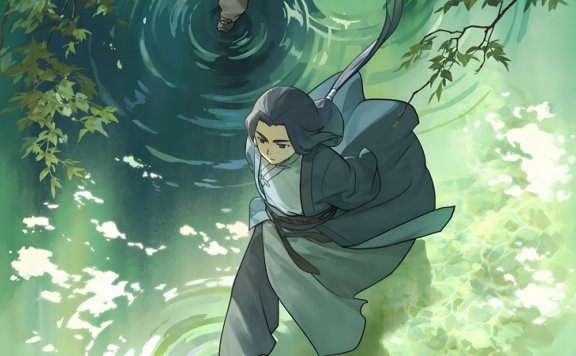
Against the backdrop of a world where humans and spirits uneasily coexist, The Legend of Hei 2 (罗小黑战记2) arrived in Chinese cinemas on July 18, 2025. This long-awaited sequel to the acclaimed 2019 film follows cat spirit Xiaohei (小黑) and his human master, Wuxian (无限), as their peaceful village life shatters. An attack on the Spirit Guild Hall – the vital organization maintaining balance between realms – thrusts them into a perilous investigation. Evidence falsely implicates Wuxian, forcing Xiaohei and his fierce senior disciple, Luye (鹿野), on a quest to clear their master's name. The film blends breathtaking hand-drawn animation with nuanced storytelling, exploring themes of loyalty, prejudice, and finding common ground in a divided world. Its critical and commercial success, achieving an 8.6 rating and crossing 100 million yuan within days, underscores its resonance. Frame by Frame Mastery The Legend of Hei 2 stands as a testament to the painstaking craft of traditional animation. Eschewing shortcuts, the production demanded an astounding 200,000 hand-drawn frames, adhering to the rigorous "one's" technique of 24 unique frames per second. This commitment manifests in sequences of unparalleled fluidity, particularly during kinetic action scenes. The film's centerpiece, a mid-air battle aboard an aircraft, reportedly… -
Hanfu Revival: Qin to Song Dynasty Robes Reimagined
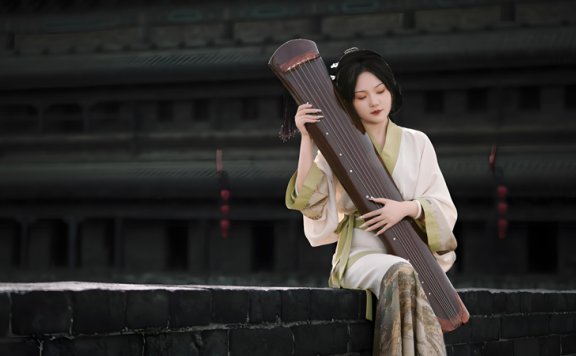
Hanfu is more than fabric; it is China's history draped on the human form. These garments, evolving across millennia, offer a silent narrative of shifting aesthetics, social values, and profound cultural identity. From the foundational rituals of the Qin-Han era to the cosmopolitan flair of the Tang and the introspective elegance of the Song, each dynasty imprinted its spirit on sleeves, collars, and flowing skirts. This journey reveals how Hanfu served as both a mirror and a maker of its time, its threads weaving a continuous story of civilization. Qin-Han Foundations The unification under Qin and Han established Hanfu's core grammar. Garments became instruments of order and ritual. The defining principle was "upper garment, lower skirt", combined with the distinct right-over-left collar closure. This structure conveyed dignity and a connection to cosmic principles. Colors held deep meaning: profound black for heaven, vibrant vermillion for earth. Predominant fabrics were sturdy hemp and coveted silk, often adorned with symbolic patterns like swirling clouds and thunder motifs, reflecting reverence for nature's power. The Quju Shenyi (曲裾深衣) stood paramount. It's wrapped, overlapping panels circled the body multiple times, flaring dramatically at the hem. This complex construction signified formality and status, worn by both men… -

Ancient Chinese Summer Clothing: Lightweight Fabrics and Designs
The sweltering heat of summer poses a timeless challenge. Modern solutions often involve minimal fabric and artificial cooling, leading many to wonder: how did ancient Chinese people, seemingly clad in multiple layers even in historical dramas, possibly cope without air conditioning? The answer lies not in suffering through the heat, but in a sophisticated understanding of textiles, garment design, and microclimate management that often surprises contemporary sensibilities. Ancient Chinese summer attire was a masterful blend of practicality and elegance, proving that covering up could be far cooler than stripping down. Far from being constrained by tradition, they innovated with purpose, creating garments specifically engineered to combat the intense heat using nature’s gifts and human ingenuity. Why Layers Beat Bare Skin The fundamental misconception lies in equating less fabric with more comfort. Ancient Chinese clothing philosophy prioritized creating a cool microclimate around the body. Loose, flowing layers, particularly those crafted from specific lightweight fabrics, facilitated constant air circulation. As air moved between the layers, it absorbed body heat and moisture, carrying it away much more effectively than stagnant air trapped against bare skin or tight clothing. This principle, akin to the cooling effect of a breeze, was key. Furthermore, these layers… -

7 Chinese Animations: Time-Honored Legendary Tales
Chinese animation offers a rich tapestry of stories perfect for children aged five and above, blending timeless legends, historical tales, and cultural wisdom to foster an understanding of China's heritage. These classics, including The Proud General, Nezha Conquers the Dragon King, and Tang poetry story, use vibrant artistry and engaging narratives to teach moral lessons, historical insights, and poetic beauty. Each film serves as a gateway for young minds to explore themes like courage, humility, and cultural identity, making them invaluable educational tools that resonate across generations while entertaining with their creativity and depth. 1. The Proud General (骄傲的将军) The Proud General tells the story of a once-brave warrior who becomes arrogant after military victories, neglecting his skills and indulging in flattery. His complacency leads to rusty weapons and abandonment by allies, culminating in a humiliating defeat where he flees through a dog hole. This animated gem uses symbolic elements like lifting a bronze vessel and shooting geese to weave a cautionary tale about humility, with its seamless blend of Peking opera aesthetics ensuring it remains relevant and visually striking for modern audiences. 2. Nezha Conquers the Dragon King (哪吒闹海) Nezha Conquers the Dragon King explores the rebellion of the… -
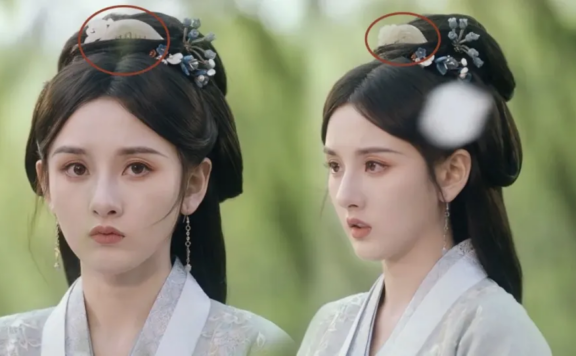
Song Zuer's Hair Accessories Are So Special
In the cdrama "Zheyao" (折腰), Song Zuer's Han - style hairstyle looks elegant and dignified. The comb - shaped hair accessory on her head is as gentle as jade and just right to modify her face shape. Did the ancients really insert combs directly into their hair buns? First, let's talk about the conclusion. In ancient times, combs were originally hair - dressing tools and later could also be used as hair accessories. We often saw comb decorations in dramas with a Tang - style background, but in Han - style makeup and hairstyles, combs were actually also common on hair buns. Combs were collectively called "zhi" (栉) in ancient times, which were divided into combs with sparse teeth and hairpins with fine teeth. In the Han Dynasty's "Shuowen Jiezi", it was said that "zhi" was the general name for combs and hairpins. The two characters "comb and hairpin" should be used separately. The one with sparse teeth is called "comb", and the one with dense teeth is called "hairpin". You use a comb to comb your hair and a hairpin to remove dirt from your hair. When I was a child, there should still be such hairpins at home,… -
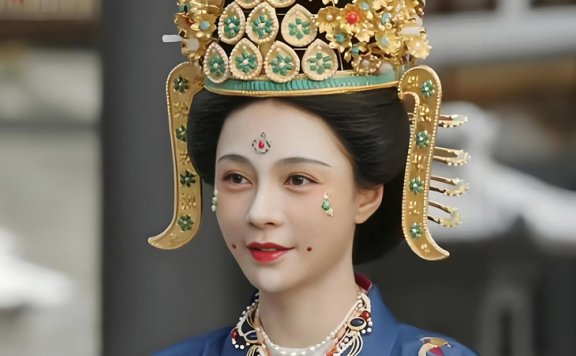
Shen Mengchen's Imperial Headdress Stuns in Flourished Peony
A recent scene in the Chinese historical drama Flourished Peony (锦绣芳华) ignited social media: actress Shen Mengchen (沈梦辰), portraying Imperial Consort Huangfu Lingge, appeared wearing a headdress so magnificently large it dwarfed her head. Dubbed "the crown bigger than her head," this visual spectacle instantly captured the public's imagination, sparking widespread fascination with the Tang Dynasty aesthetics meticulously recreated in the series. The drama’s costume and makeup design team has undertaken a significant task, interpreting historical grandeur for the modern screen. Shen Mengchen’s portrayal, radiating imperial authority with every subtle movement, offers a glimpse into the sophisticated beauty standards and rigid hierarchical symbolism embedded within the Tang Dynasty’s courtly attire, particularly focusing on the extravagant headwear, the stately robes, and the distinctive facial adornments that defined an era. The Towering Floral Crown The most arresting element of Consort Huangfu Lingge's ensemble is undoubtedly the monumental Huashuguan (floral tree crown). This architectural masterpiece of hair adornment features a breathtaking assembly of pearls, kingfisher feathers, gold hairpins, glittering gemstones, and swaying tassels. Its multi-layered construction creates profound depth and dimension, catching light dynamically. While visually overwhelming, the crown serves a crucial narrative purpose: instantly communicating the character's elevated status and the immense… -
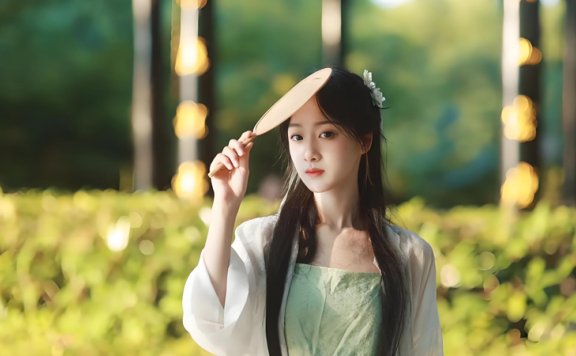
How Hanfu Reimagines Summer Fashion
Summer heat meets timeless elegance in Hanfu, China’s traditional attire reimagined for contemporary life. Far from being relics, these garments embody ancient ingenuity in staying cool, blending airflow-friendly fabrics and lightweight designs with today’s need for practicality. From Song Dynasty-inspired layers to Ming-era outerwear and modern hybrids, Hanfu transforms scorching days into poetic escapes. Discover how silk, ramie, and clever cuts create natural "air conditioning," while styling tweaks—like loose hairstyles and soft soles—make every outing effortless. Whether strolling through lotus ponds or sipping iced tea downtown, Hanfu invites you to wear history lightly. Ancient Coolness, Modern Comfort Centuries before air conditioning, Hanfu mastered summer comfort. Song Dynasty styles pioneered breathability with Zhima(ramie) fabric—dubbed "China’s ancient ice silk" for its moisture-wicking pores. Narrow-sleeved shirts and flowing Baidie skirts (百迭裙) moved like water, catching breezes between layers. Ming innovations added the Bija (比甲), a sleeveless jacket worn over light gowns. Crafted from airy linen or silk, it shielded shoulders from the sun without trapping heat, its ties allowing quick adjustments as temperatures shifted. Modern designers honor these principles while easing wearability. Elastic waistbands replace complex sashes on horse-face skirts (Mamianqun), while hidden cuffs prevent sleeves from slipping. Practical touches abound: inner pockets… -
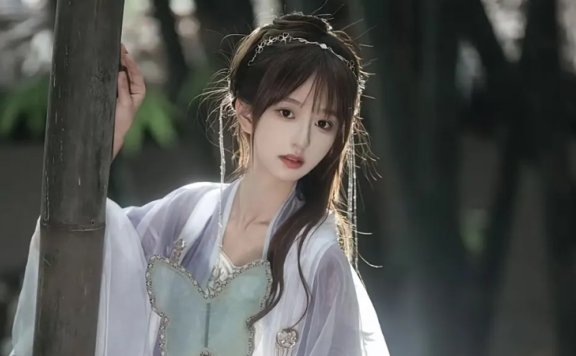
How Hanfu Became Gen Z's Cultural Armor
Young people across China are draping themselves in history. Silk robes, embroidered jackets, and flowing skirts once reserved for period dramas now flood city streets, university campuses, and social media feeds. This isn’t cosplay—it’s a cultural movement. Hanfu, traditional attire tracing its lineage to China’s dynastic eras, has evolved from niche hobby to mainstream passion. For Gen Z, wearing these garments is less about historical reenactment and more about stitching identity into the fabric of modernity. It’s a quiet rebellion against homogenized trends, a tactile connection to heritage, and a gateway to vibrant communities where tradition dances with innovation. Identity Woven in Fabric Hanfu’s resurgence coincides with China’s cultural reawakening. As global brands dominate fashion, young people seek anchors in their own heritage. A Tang-style Ruqun isn’t merely clothing; it’s a wearable testament to millennia of aesthetics and philosophy. The crisp lines of Ming dynasty Zhiju reflect Confucian ideals of harmony, while Song dynasty Beizi whispers of scholarly elegance. Wearing these pieces during Qingming Festival tomb-sweeping or Mid-Autumn moon gatherings transforms rituals into living history lessons. This sartorial choice answers a deeper question: "Who are we?" In rejecting Western fast-fashion hegemony, youth declare pride in indigenous craftsmanship. They aren’t escaping… -
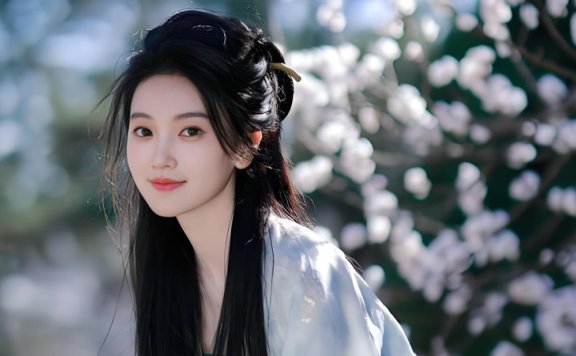
Hanfu: A Stunning Fusion with Modern Life
Gone are the days when Hanfu resided solely within museum displays or historical reenactments. Today, these flowing robes, rooted in millennia of Chinese tradition, are experiencing a vibrant resurgence, gracefully navigating the bustling streets and digital landscapes of contemporary life. This isn't merely a nostalgic revival; it’s a dynamic reinvention. Young people across China and the globe are embracing Hanfu not as a costume, but as a personal style statement, a tangible connection to heritage seamlessly interwoven with the fabric of the 21st century. The intricate silhouettes and symbolic details speak of ancient philosophies, yet they are now paired with modern confidence, proving that tradition can not only survive but thrive amidst skyscrapers and smartphones. This movement transcends fashion; it's a cultural dialogue, a quiet assertion of identity where history walks confidently into the present. Weaving Through Dynasties Hanfu's journey is a tapestry woven through the very fabric of Chinese civilization. Its origins, traced symbolically to the legendary Yellow Emperor, evolved significantly across successive dynasties, each imprinting its distinct aesthetic and societal values. Shang and Zhou periods established the foundational "upper garment, lower skirt" structure, a visual representation of heaven and earth. The Qin and Han dynasties introduced the majestic… -
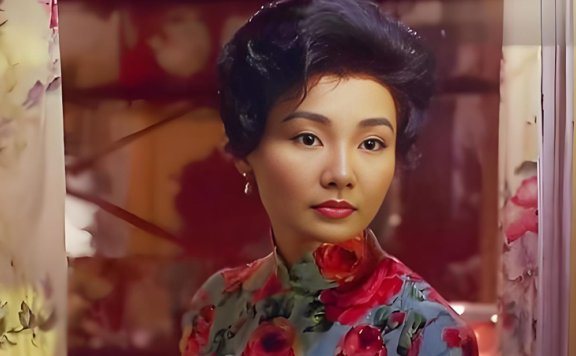
7 Actresses Who Transformed the Cheongsam in Cinema
The cheongsam, with its high collars and sinuous lines, transcends mere attire—it becomes a canvas for storytelling. In Chinese cinema, this iconic garment amplifies character depth, historical nuance, and feminine power. Beyond fabric and stitch, it embodies restraint and rebellion, tradition and transformation. These 7 actresses didn’t just wear cheongsam; they breathed life into its legacy, each carving a distinct niche in cultural memory. From repressed longing to regal defiance, their performances prove that true elegance lies in nuance. Maggie Cheung (张曼玉) In In the Mood for Love (花样年华), Maggie Cheung’s 23 cheongsams function as emotional armor. Each hue—emerald, ruby, obsidian—mirrors suppressed desire in 1960s Hong Kong. Her posture, rigid yet fragile, turns fabric into a language of solitude. When she lowers her gaze, the rustle of silk echoes louder than dialogue. This isn’t costume design; it’s visual poetry, where cloth cages a storm of yearning. Cheung’s genius lies in minimalism. A fingertip tracing a teacup’s rim, a hesitant step down narrow stairwells—every gesture is amplified by the cheongsam’s constraints. Director Wong Kar-wai used its structure to mirror societal pressures, transforming fabric into a metaphor for unspoken rules. The result? A performance where silence screams through sequins. Tang Wei (汤唯)… -
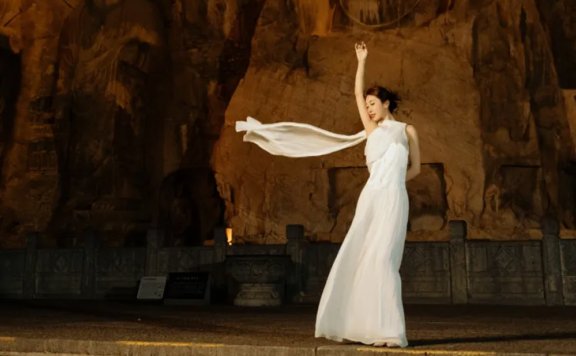
Zhang Xiaowan's Spiritual Journey in Luoyang
Following her breakthrough on Sisters Who Make Waves 2025 (乘风破浪的姐姐2025), actress-singer Zhang Xiaowan (张小婉) embarked on a deeply personal journey to Luoyang, Henan. Though raised in neighboring Zhengzhou, Luoyang's cultural tapestry resonated powerfully with her Henan heritage. This narrative captures her transformative encounters with the city's UNESCO wonders and culinary traditions, revealing how ancient stones and blooming peonies reignited her artistic spirit and sense of belonging. Her pilgrimage bridges contemporary stardom with enduring Chinese tradition. Moonlight and Stone Buddhas The warm orange moonlight bathed the Longmen Grottoes as Zhang Xiaowan stood silently before the majestic Vairocana Buddha. This UNESCO World Heritage site, carved over centuries from Northern Wei to Tang Dynasty, held fragmented childhood memories of visits with her mother. Decades later, under the quiet night sky away from daytime crowds, a profound stillness enveloped her. "All pressure, daily noise, and restlessness vanished," Xiaowan reflected, her voice unusually soft. "Facing the Buddha felt like facing my own quiet core. That moonlight energy cleansed me." The grottoes' 100,000 statues, especially the central Vairocana Buddha flanked by disciples and bodhisattvas, offered not just artistic awe but a visceral spiritual reset. For Xiaowan, born into a Henan opera family, this moment crystallized a… -
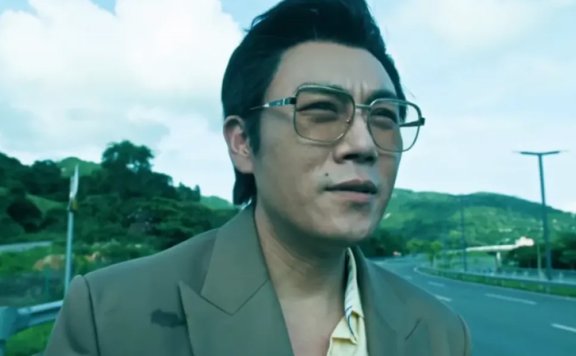
The 8 Best Rated Cdramas on CCTV in H1 2025
CCTV maintains its reputation as China's quality drama curator. The first half of 2025 delivered eight standout series, blending suspense, social commentary, and genre experimentation. These productions showcase top-tier acting, bold narratives, and cultural resonance, from industrial struggles to archaeological mysteries. Here are the definitive hits that dominated screens and conversations nationwide. 1. Drug Busters: Thunderstorm (扫毒风暴) Drug Busters: Thunderstorm redefined the anti-crime genre. Its ensemble cast brought raw authenticity to interconnected storylines ripped from real cases. Dark cinematography amplified the brutality of gang conflicts and police operations, while nuanced characterizations avoided simplistic hero/villain tropes. The series’ unflinching portrayal of China’s crackdown on organized crime resonated as both thriller and social document. 2. Above the Dark Clouds (乌云之上) Above the Dark Clouds offered a fresh take on suspense. Sun Li’s detective Han Qing investigated her partner Zhong Wei’s disappearance, navigating a dual narrative that blurred the lines between ally and enemy. The twist-driven plot culminated in Li Xiaoran’s chilling performance as Zhou Xueman, a tea house owner unmasked as a criminal mastermind. Its "answer-first" structure hooked viewers immediately, proving procedural formulas still innovate. 3. Cipher (绝密较量) Cipher merged espionage with relentless action. Zhang Luyi led a powerhouse cast in this… -
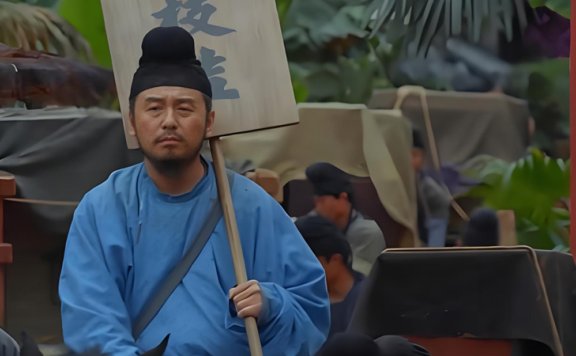
Revealing the Summer Outfits from The Lychees of Chang'an!
The Lychees of Chang'an (长安的荔枝), a captivating drama illuminating the Tang Dynasty's intricate world, offers more than a tale of imperial logistics. Beyond the political intrigue surrounding transporting fresh lychees, it vividly portrays how people navigated the sweltering heat, particularly in the southern Lingnan region. The show's meticulous costume design shatters the misconception that historical attire couldn't be practical for summer, revealing ingenious cooling adaptations woven into the fabric of Tang life. This ancient wisdom provides surprising inspiration for comfortable and elegant summer wear today. Lingnan's Lightweight Look Upon arriving in the humid south, protagonist Li Shande (李善德) swiftly adapts his attire. The heavy layers of Chang'an are shed for open sandals and trousers rolled up to the knees. Local officials like the Prefect favor the Banbi (半臂), a quintessential Tang summer garment: a short-sleeved, waist-length top worn over a thin inner layer, often with a relaxed collar or even open front, allowing maximum airflow. Servants constantly wield woven palm fans, a practical necessity. This depiction is grounded in historical reality, reflecting adaptations necessary for Lingnan's tropical climate. Women in Lingnan are often seen in the Qixiong Shanqun (齐胸衫裙). This ensemble typically featured a high-waisted skirt paired with a light,…