
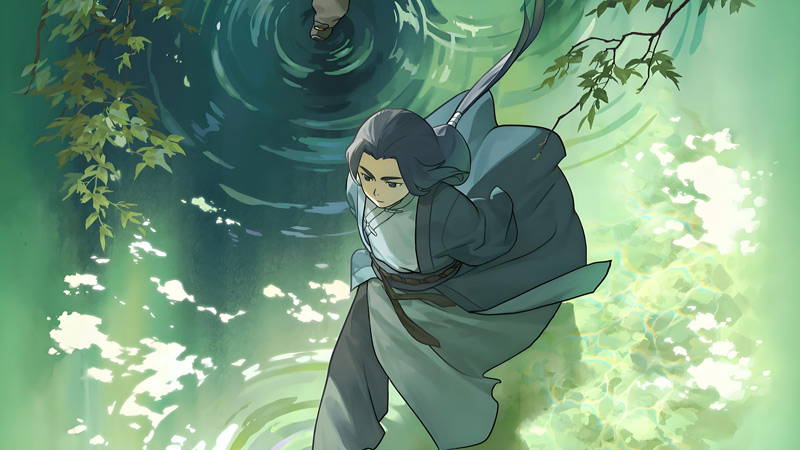
Against the backdrop of a world where humans and spirits uneasily coexist, The Legend of Hei 2 (罗小黑战记2) arrived in Chinese cinemas on July 18, 2025. This long-awaited sequel to the acclaimed 2019 film follows cat spirit Xiaohei (小黑) and his human master, Wuxian (无限), as their peaceful village life shatters. An attack on the Spirit Guild Hall – the vital organization maintaining balance between realms – thrusts them into a perilous investigation. Evidence falsely implicates Wuxian, forcing Xiaohei and his fierce senior disciple, Luye (鹿野), on a quest to clear their master's name.
The film blends breathtaking hand-drawn animation with nuanced storytelling, exploring themes of loyalty, prejudice, and finding common ground in a divided world. Its critical and commercial success, achieving an 8.6 rating and crossing 100 million yuan within days, underscores its resonance.
Frame by Frame Mastery
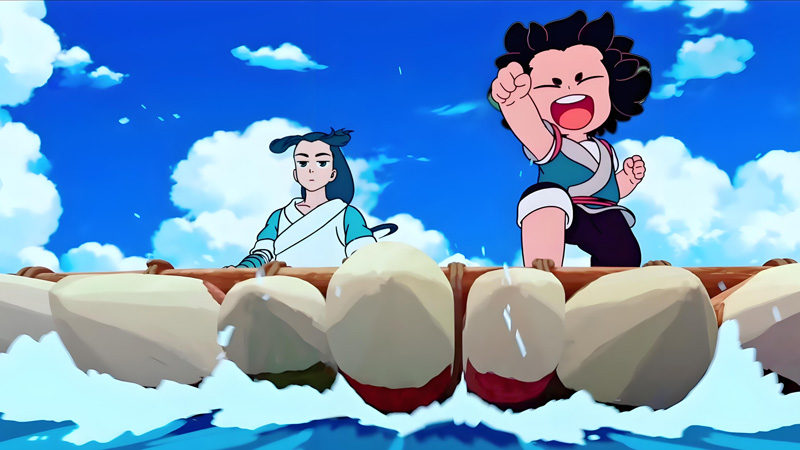
The Legend of Hei 2 stands as a testament to the painstaking craft of traditional animation. Eschewing shortcuts, the production demanded an astounding 200,000 hand-drawn frames, adhering to the rigorous "one's" technique of 24 unique frames per second. This commitment manifests in sequences of unparalleled fluidity, particularly during kinetic action scenes.
The film's centerpiece, a mid-air battle aboard an aircraft, reportedly consumed an entire year of the animators' labor to perfect. Every sword swing or burst of elemental power requires meticulously aligned drawings, ensuring both visual impact and a uniquely graceful flow reminiscent of martial arts principles. The result avoids sensory overload, instead offering a visually coherent and immersive experience where complex choreography feels effortless and engaging. This dedication elevates the film beyond mere spectacle, grounding its fantastical elements in tangible artistry.
Lived-In Fantasy
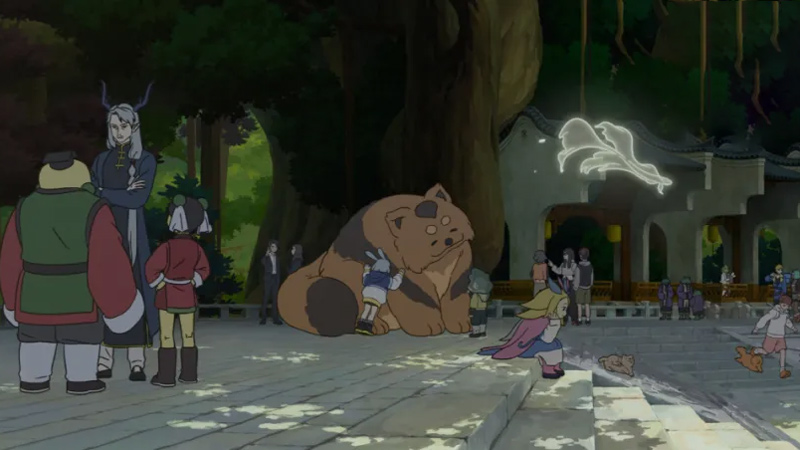
Director Gu Jie (顾杰) expands the film's universe beyond epic confrontations into richly textured, everyday spaces. The Spirit Guild Hall network adapts to local cultures: Cantonese dim sum fills the Guangdong branch, while Fujian's location nestles among ancient banyan trees. This world feels genuinely inhabited. Spirits navigate human bureaucracy, use smartphones, and face mundane realities like paying for property damage. Luye insists on comfortable hotels during her mission, while antagonists might pause for street barbecue. Humor arises naturally from these intersections: public notices warn against unauthorized shape-shifting, and exhausted office workers find no magical solution to deadlines.
The film masterfully integrates these humorous, slice-of-life moments – like a spirit meticulously grooming their eyebrows or the perpetually game-obsessed deity Nezha (哪吒) in his tricked-out gaming den – within larger dramatic arcs. This seamless blend of the extraordinary and the mundane creates a uniquely relatable fantasy grounded in contemporary Chinese life.
Beyond Right or Wrong
The Legend of Hei 2 delves into morally complex territory, moving past simple hero dichotomies. The central conflict stems from the theft of the sacred Ruomu tree (若木树), a source of immense power akin to cosmic energy, sparking fears of an interspecies war. While evidence points to humans, the truth proves more intricate. The film gives significant weight to Luye's perspective. Scarred by childhood trauma inflicted by humans during past conflicts, she embodies deep-seated resentment and distrust. Her declaration – "I stand with the spirits" – reflects a fractured identity clinging to kinship despite her profound respect for her human master, Wuxian. Her willingness to endanger human lives to save Wuxian forces leads Xiaohei to confront uncomfortable choices.

The narrative doesn't condemn her rage but explores its roots, contrasting her path with Xiaohei's evolving idealism. Xiaohei's journey isn't about picking sides, but about seeking understanding and protecting what truly matters, even when definitions of "right" blur. The film suggests that true strength lies not in domination, but in the difficult choice of restraint and seeking coexistence, embodied by Wuxian's role as a bridge between worlds.
