Article
Search results:
-
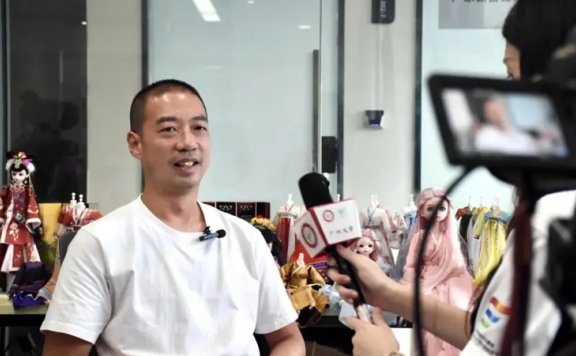
Hong Kong Designer Li Boheng Weaves Silk Legacy in Nansha
The vibrant wave of Guochao continues to surge, transforming cultural landscapes in cities and scenic spots nationwide. From bustling Hanfu rental studios and chic neo-Chinese tea houses to popular cultural merchandise, this trend blends heritage with contemporary expression. At its heart are young entrepreneurs like Li Boheng (李柏亨), founder of the "Guochao Dolls" project and inheritor of the "Needlework Handmade Clothing Craftsmanship" intangible cultural heritage. Based in Guangzhou's Nansha District, Li masterfully fuses traditional techniques with modern design, creating exquisite miniature silk garments for dolls that captivate a new generation. His journey is one of cultural dedication, entrepreneurial spirit, and a deep commitment to preserving precious craftsmanship within the dynamic environment of the Greater Bay Area. Raised in Hong Kong and holding an MBA from Canada's Royal Roads University, Li Boheng's path took an unexpected turn in 2021. Attracted by Nansha District's robust support policies specifically designed for young entrepreneurs from Macao, he decided to plant his cultural venture there. Recognizing Nansha's rich resources, Li focused on cultural industries. With introductions from the district government and youth innovation centers, he forged a crucial partnership with a local enterprise deeply connected to Nansha's own intangible cultural heritage: Xiangyunsha (香云纱) dyeing and… -
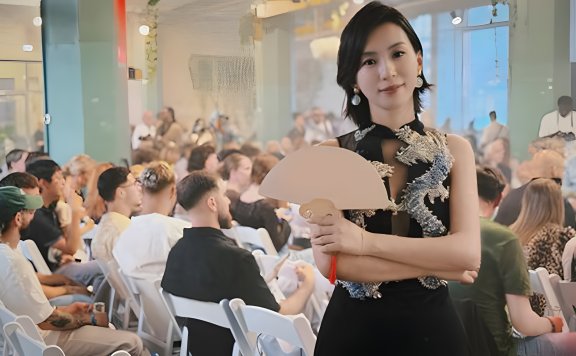
Han Yang's Qipao Revolution in Paris on July 19th
The spotlight at Mulhouse Fashion Week on July 19th fell not on a Parisian couturier, but on Shenyang-born designer Han Yang (韩炀). As the final model exited the runway, thunderous applause filled the French venue. Han, founder of the brand Lan Miaoxi (岚妙晞), had presented a collection that transcended mere fashion. Her haute couture Qipao series, "Urban Memory," reimagined the iconic Chinese garment through a bold fusion of Shenyang’s soul and Parisian savoir-faire. This debut wasn’t just a personal triumph; it marked a significant moment where Chinese design philosophy, articulated through the Qipao’s rebirth, commanded global attention on a prestigious European stage. The collection served as the centerpiece of Shenyang’s official 2025 Qipao Cultural Season, signaling a deliberate push to showcase regional culture internationally. Design Han Yang dismantled traditional Qipao expectations. While honoring signature elements like the mandarin collar and intricate knotted buttons, she discarded restrictive silhouettes. Her designs employed advanced French tailoring techniques – think sculptural shoulders and fluid, bias-cut skirts – granting unprecedented freedom of movement. This liberation mirrored the contemporary spirit she sought to embody. The fabrics whispered tales of two worlds: lustrous Chinese silks met delicate French laces and intricate passementerie. French tambour embroidery, traditionally adorning… -
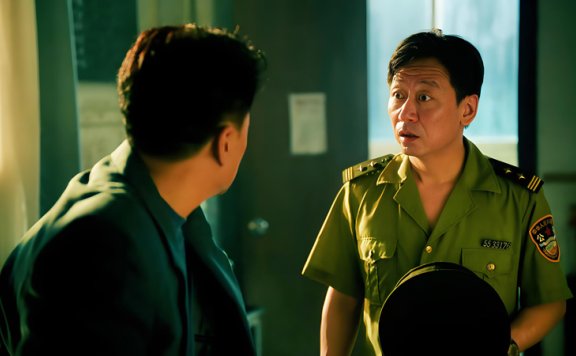
Drug Busters: Thunderstorm – 7 Stars' Acting Masterclass
China's television landscape ignited in 2025 with the explosive arrival of Drug Busters: Thunderstorm (扫毒风暴). This gritty crime drama captivated audiences with its unflinching portrayal of the narcotics underworld, complex characters, and raw human drama. Airing only eight episodes on CCTV and Tencent Video, it shattered viewership expectations and dominated online discourse. Beyond its daring narrative, the series's true power lies in its extraordinary ensemble cast. Their masterful performances breathe life into the harrowing story, creating unforgettable characters that linger long after the credits roll. Here, we rank the seven actors delivering the most compelling portrayals in this cultural phenomenon. 1. Qin Hao (Lu Shaohua) Qin Hao’s (秦昊) transformation into Lu Shaohua (卢少骅) is a masterclass in chilling subtlety. He begins as a seemingly unassuming, even downtrodden security guard, adept at navigating workplace politics with quiet offerings of cash. His calculated charm masks an unsettling ambition. As Lu ascends into the ruthless world of drug trafficking, Qin Hao meticulously charts his descent. The veneer of affability cracks, revealing a cold, transactional core. His delivery of the line, "Dead mule, that's all," regarding his unborn child, is profoundly terrifying. Qin Hao embodies the banality and horror of evil, making Lu Shaohua… -

Chen Duling: A Versatile Actress Breaking Prejudices
From serene fashion moments to gripping cinematic transformations, Chen Duling (陈都灵) captivates audiences with her artistic duality. The acclaimed actress recently showcased effortless style in a gray knit ensemble paired with minimalist metal earrings, embodying relaxed sophistication. Yet beyond her poised public image lies a bold artistic evolution. Her upcoming films, The River of Fury (怒水西流) and Body of Lies (谎言之躯), plunge into psychological depths far removed from her serene persona. These contrasting projects spotlight her versatility, challenging perceptions of an actress long celebrated for her delicate grace. Effortless Style, Quiet Confidence Chen Duling’s recent photoshoot radiates intellectual charm. Draped in a soft gray knitted top, she balances comfort and elegance, her loosely curled hair enhancing a naturally relaxed aura. Metal hoop earrings punctuate the look with understated modernity, proving minimalism’s enduring power. Holding a vintage DV camera, she gazes thoughtfully into the distance. The retro prop amplifies a nostalgic, artistic sensibility, while thin-framed glasses add a cerebral touch. These curated details craft a narrative beyond aesthetics—they reflect a contemplative personality. This visual language resonates deeply with fans. Since winning the 2013 Facejoking "Goddess Ranking" for her scholarly aura, her public image has intertwined intellect with beauty. Her fashion choices,… -
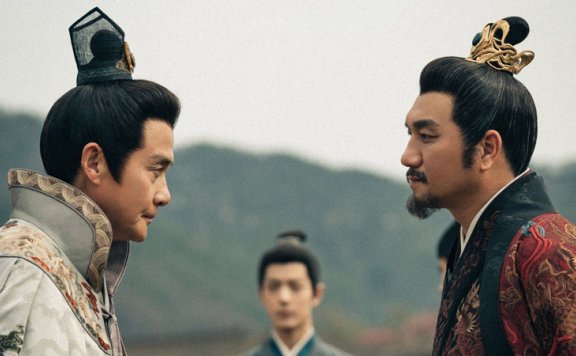
Ming Dynasty Hanfu Costumes: Zang Hai's Sartorial Journey
Set against the backdrop of Ming Dynasty China, Legend of Zang Hai (藏海传) captivates audiences not only with its intricate plot but also with its meticulous recreation of historical attire. Actor Xiao Zhan’s (肖战) portrayal of Zang Hai—a scholar navigating political intrigue—is elevated by costumes that visually chart his evolution from obscurity to prominence. Each garment, grounded in Ming Dynasty dress codes, serves as a silent narrator of status, ambition, and cultural identity. The Period of Civilians Zang Hai’s early scenes feature the straight robe (Zhiduo), a garment emblematic of Ming-era scholars and commoners. This cross-collared, side-slit robe, often belted at the waist, reflected a balance of practicality and modesty. Xiao Zhan’s turquoise-hued version, inspired by the turquoise damask robe housed in the Confucius Museum, subtly elevates the basic design with fine silk, hinting at Zang Hai’s latent potential—the choice of color, reminiscent of scholars’ inkstones, bridges humility and intellectual aspiration. As Zang Hai enters scholarly circles, his attire shifts to the scholar’s gown. Distinguished by a round collar and a horizontal seam at the knees—a Ming-era nod to ancient Confucian dress—this robe signifies his formal entry into the literati class. Historical texts, such as Sancai Tuhui (三才图会), depict its… -
Taikang Life's Tapestry: Qipao and Tie-Dye in Modern Shenyang
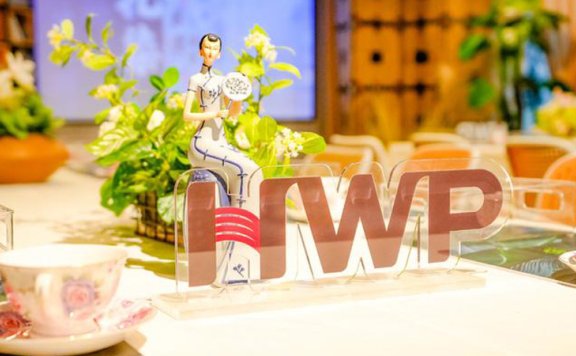
Taikang Life Insurance Liaoning Division transforms Shenyang's summer into a vibrant cultural canvas, merging ancient craftsmanship with contemporary urban life through its immersive "Qipao and Tie-Dye" workshop. This initiative bridges millennia-old traditions and modern financial wellness, positioning Taikang as a cultural steward beyond insurance. Hands-On Heritage Participants gathered on July 21, guided by master artisans to manipulate silk and dyes. Folding fabric into geometric patterns, they dipped cloth into indigo vats—a tactile dance connecting past and present. Each participant’s creation reflected personal aesthetics, from abstract swirls to mountain-inspired gradients. The tactile process revealed tie-dye’s alchemy: oxidation turning fabric from jade green to deep blue. Taikang Health Wealth Planners (HWP) facilitated sessions, their expertise in client customization extending to cultural mentorship. One planner noted,"Like tailoring financial security, dyeing requires patience—both transform raw potential into enduring value."This synergy between tactile artistry and advisory precision reshaped perceptions of "insurance professionals" as culture-bearers. Beyond technique, the workshop honored intangible heritage. Tie-dye’s resist-dye methods—dating to China’s 6th century—echoed in every knotted thread. Participants handled tools unchanged for generations: wooden frames, bamboo sticks, and hand-mixed plant dyes. The scent of fermented indigo and murmur of shared discoveries filled the space, crafting collective memory. Qipao Reimagined The… -
Shen Yue's Neo-Chinese Qipao in Marrakech
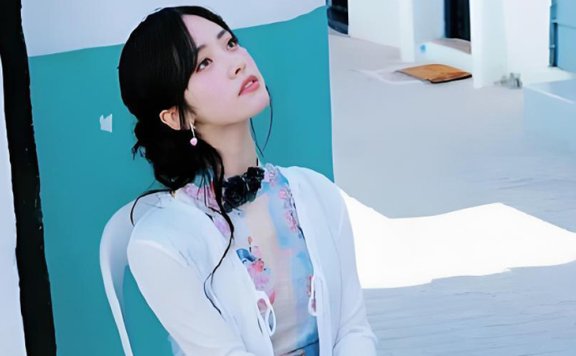
The sun-drenched alleys of Marrakech recently witnessed an unexpected fusion of East and West as Chinese actress Shen Yue (沈月) unveiled her distinctive take on neo-Chinese fashion. Against the backdrop of terracotta walls and vibrant souks, her ensembles transformed the Moroccan city into an impromptu global runway. This wasn't merely a celebrity trip; it became a visual dialogue where contemporary Chinese design resonated with North African heritage, proving style transcends geographical boundaries. Shen's curated looks—featuring reinvented qipao silhouettes and fluid outerwear—ignited discussions about cultural reimagination, positioning her as an ambassador for a new wave of Asian aesthetic innovation on the global stage. Silhouettes Against Medina Walls Shen’s signature look featured a dark-patterned qipao reinterpreted with modern cuts. The high collar and intricate embroidery paid homage to tradition, while the streamlined silhouette aligned with contemporary minimalism. Paired with wide-leg silk trousers, the ensemble moved with effortless grace through Marrakech's labyrinthine streets. Her styling choices amplified the visual narrative. A low ponytail threaded with delicate silver beads echoed traditional Chinese hair ornaments, yet its simplicity felt strikingly modern. This subtle accent drew attention to the architectural lines of her outfits without overwhelming them. The masterstroke came with an ivory, wide-sleeved overdress. Flowing… -
Qipao Gala Illuminates Hangzhou with Charity and Culture
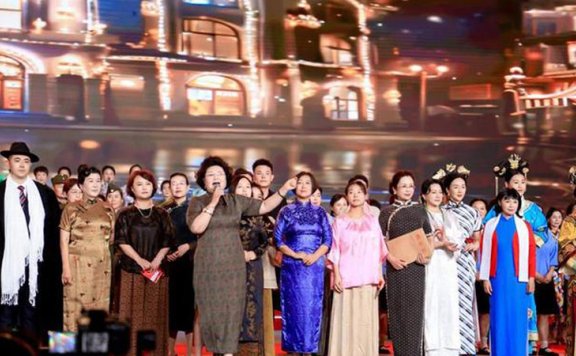
On July 19, 2025, Hangzhou International Expo Center transformed into a living tapestry of Chinese elegance as thousands gathered for the Qipao Night Star Charity Concert. Organized by the Huaxia Qipao Culture Institute, CMF International Insurance Elite Roundtable, and Mingqi Hui Art Center, this philanthropic spectacle fused heritage craftsmanship with contemporary artistry, raising the curtain on a night where tradition met philanthropy under the glow of celestial stage lights. Century-Old Threads Revived The evening’s centerpiece, Centuries of Qipao, transported audiences through time. Directed by Jia Rui (贾蕊), founder of Huaxia Qipao Culture Institute, the stage drama meticulously chronicled the garment’s evolution. Over 100 performers—including insurance elites like Guo Juxiang (过菊香) and Lu Xiaomei (卢小美)—embodied iconic figures from Empress Dowager Cixi to songstress Teresa Teng. Qing dynasty brocades gave way to republican-era simplicity, wartime austerity, and modern reinterpretations, each transition underscored by dynamic lighting and period-specific scores. Historical accuracy extended beyond fabric. Performers replicated Song Qingling’s (宋庆龄) poised diplomacy and revolutionary heroine Jiang Jie’s (江姐) defiant silhouette, using archival imagery to authenticate postures and accessories. A multimedia backdrop projected rare photographs of Shanghai’s 1930s jazz era, while live erhu melodies bridged decades. The segment culminated with a tableau of Deng Xiaoping’s… -
Lu Manman's Sport Cheongsam Innovation in Shanghai
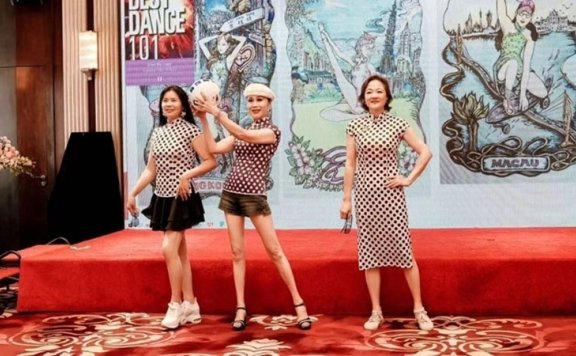
The melody of Rose, Rose I Love You (玫瑰玫瑰我爱你) filled the air at Shanghai's Yangtze Hotel as Lu Manman (卢漫漫) watched models move with astonishing grace. They weren't just walking; they practiced Tai Chi, broke into street dance, and even rode skateboards – all while wearing her revolutionary creations: Sport Cheongsam. For Lu Manman, who came to Shanghai from Guangxi 17 years ago, this moment was the culmination of a dream: crafting a traditional Chinese garment that could finally keep pace with the dynamic lives of modern women. Her eyes glistened, witnessing the impossible made tangible. The Rebel Designer's Journey Lu Manman's path to becoming the founder of Sport Cheongsam was anything but linear. Arriving in Shanghai nearly two decades ago, she navigated careers as a Japanese translator and a psychological counselor before immersing herself in the world of cheongsam as a cultural lecturer. This deep immersion, however, sparked a rebellion against tradition. "On May 20, 2019, I gave myself a gift – founding the Sport Cheongsam brand," Lu recalls. "Like the rebellious streak in my character, I wanted to shatter the stereotype of the cheongsam as solely elegant and demure. I aimed to create a cheongsam you could evensportin."… -
Beijing's AI Lab Weaves Ancient Hanfu into Tomorrow's Fashion
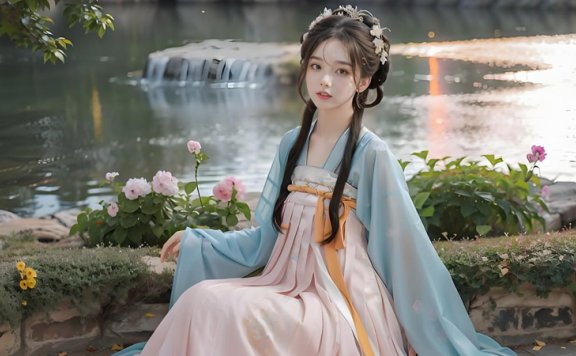
At Beijing's Future Design Laboratory, algorithms decode millennia-old sartorial heritage while smart fabrics respond to human touch. Where imperial robes meet neural networks, a revolution in textile technology unfolds across three frontiers—digital resurrection of Song Dynasty silks, color-shifting biomaterials, and robot-tailored performance wear—redefining cultural continuity through science. Within Zhangjiawan (张家湾) Design Town's unassuming labs, quantum leaps in textile innovation emerge as Beijing Future Design Laboratory engineers resurrect Song Dynasty court robes through AI pattern recognition while developing clothes that adapt to body movements. Director Lan Cuiqin’s (兰翠芹) team merges nanotechnology with historical textile databases, creating garments where nanotechnology mimics chameleon skin and robot apparel regulates electrostatic discharge—proving tradition and futurism share the same thread. Algorithmic Looms: Reweaving History Precision algorithms now resolve centuries of stylistic drift in Hanfu recreation. By training AI on structured datasets of Han, Tang, Song, and Ming dynasty clothing—documenting everything from sleeve construction hierarchies to permissible peasant-class embroidery patterns—the platform eliminates historical inaccuracies that plagued manual reproductions. When generating a Southern Song noblewoman’s attire, the system cross-referenced 278 archaeological records to ensure every layer from the translucent luo silk underrobe to the pleated mianqun overskirt adhered to 12th-century tailoring protocols. This digital archive democratizes mastery previously… -
Top 10 Highest-Streaming Chinese Dramas by Mid-Year
The mid-year rankings for average V30 streaming views (V30: 30-day cumulative views per episode) from Yunhe (China's streaming data aggregator) are out. Top 10 Titles: DRIFTING AWAY Legend of Zang Hai Flourished Peony The First Frost The Prisoner of Beauty Six Sisters The Glory The Demon Hunter's Romance Moonlight Mystique A Better Life DRIFTING AWAY leads with the highest average V30 views at 54.9 million, making it the only show in the top 10 to surpass 50 million. Three titles in the top 10 fell below the 30 million V30 mark: The Demon Hunter's Romance, Moonlight Mystique, and A Better Life. The Chess Master, with 25.83 million views, just missed the top 10, landing right after the tenth spot. Genre Breakdown: Contemporary dramas: 3 Period dramas: 1 Costume dramas: 6 Themes explored: Detective/crime, supernatural suspense, urban romance, family sagas, historical fantasy, workplace stories... covering a wide range of topics and styles. So why did these ten dramas break into the top 10? Let's break it down. 1. DRIFTING AWAY 漂白 Chinese New Year came early this year. You'd think the short gap between New Year's Day and the Spring Festival would be all festive cheer. But iQiyi's "Misty Theater" dropped… -
Women's Awakening and National Sentiment In the Name of Blossom
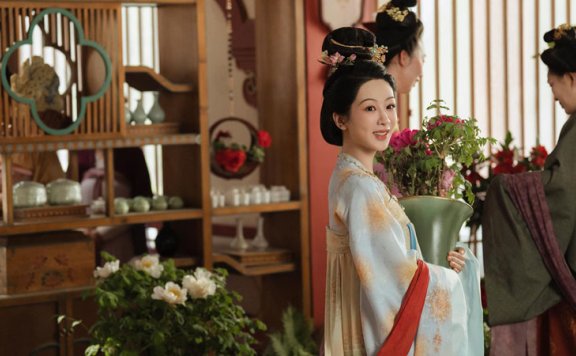
Every summer marks a fierce battleground for the Chinese TV industry. And one quiet rule has become increasingly clear in recent years: if you're going to launch a big historical costume drama, summer is your moment. Since the "xianxia/costume drama restriction order" (a policy aimed at limiting the number of historical and fantasy dramas on air introduced in 2019) was put in place, period dramas have noticeably declined on mainstream channels. Among them, love-centric historical shows have seen a particularly bumpy ride. To stay relevant, creators have been experimenting—pushing for quicker pacing, short-form storytelling, and even adding game-like elements. But the results? Mixed, at best. These tweaks might create short-term hype, but they don't offer a long-term solution. Now that long-format dramas are shrinking across the board, the industry's looking for a win—something high-quality and widely appealing enough to restore confidence. And top-tier costume dramas are under even more pressure: they not only have to look good but also find new ways of storytelling, inject real cultural depth, and raise the production bar to win back their audiences. Enter The Glorious Blossoms, which aired in late June, produced by Huace Media. It's the follow-up to the popular series Flourished Peony… -
Chinese Animation Heats Up Summer After Ne Zha
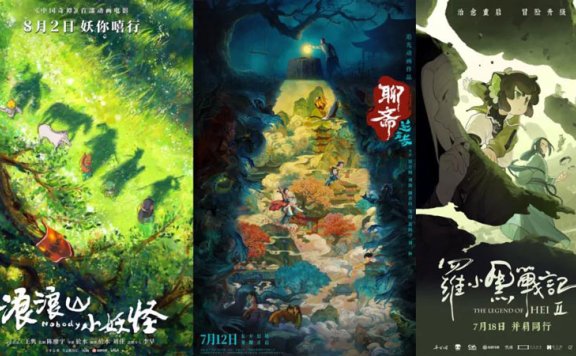
Remember Ne Zha? That monster hit smashed records, raking in a whopping 15.9 billion yuan globally (approx. $2.2 billion USD). It became the highest-grossing animated film ever worldwide, seriously highlighting the massive potential of Chinese animation. Fast forward, and the summer movie season has become the key battleground for animated flicks. Bilibili is stirring things up with The Little Monster of Langlang Mountain, hitting right at the heart of youth culture. Then you've got Light Chaser Animation continuing its streak of giving classic stories a modern twist with Curious Tales of a Temple. And don't forget The Legend of Hei 2 (罗小黑战记2), built from the ground up with global audiences in mind. Why all the buzz? And what do these films tell us about where Chinese animation is headed? What we're seeing is a shift. Chinese animation isn't just leaning on one big name anymore. It's building a much richer, more varied scene. Think back ten years–Chinese cartoons barely made up 15% of summer box office. When Monkey King: Hero is Back exploded onto the scene, it felt like a lone warrior breaking through. Then came Ne Zha, rewriting the rules again during summer with over 5 billion yuan. It… -

Can Ling Cage Actually Shake Up Live-Action TV?
Let's rewind to 2019. Ling Cage: Incarnation Season 1 dropped as China's first original "post-apocalyptic wasteland" anime. Its bold concept and massive world-building instantly grabbed fans. Fast forward to now—Season 2 just landed, painting a new kind of survival story. And honestly? The quality hasn't missed a beat. Here's the buzz: A live-action Ling Cage series is in the works. Let's be real—Chinese TV's been stuck recycling the same ideas lately. Truly fresh stories? Rare. A hardcore, gritty wasteland tale like this hitting live-action? That's uncharted territory. It's not alone, either. Other unique books and animations are getting adapted too. Could this wave finally refresh things? But here's the real test: Will Ling Cage's story even work on screen? In a ruined future, humanity clings to survival inside a floating fortress called the "Lighthouse," battling the deadly Maya Ecosystem ravaging Earth. Season 1 followed the "Hunters"—teams scavenging the toxic surface for supplies while fighting mutant horrors called Corrupted Creatures. Season 2 shifts gears, introducing Dragon Bone Village: a settlement built by surface survivors. They're still under the Maya Ecosystem's shadow, but compared to the Lighthouse's cold, class-driven tyranny? This place breathes freedom. Ling Cage's magic lies in its world—a fusion… -
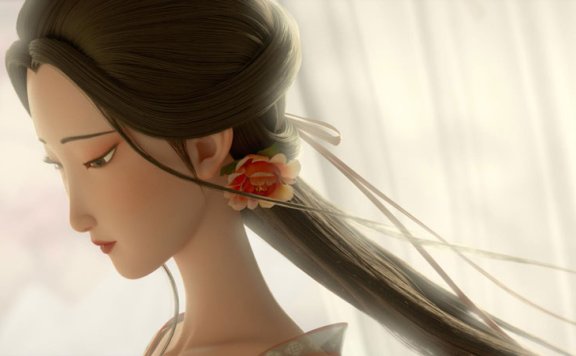
Animates Fate in Curious Tales of a Temple
When seven core creators sat down together for an interview, it was Light Chaser Animation's idea. Six directors helm this anthology film, pushing creative boundaries after their Tang dynasty epic's success. Over the past decade, this studio has evolved from an independent workshop into a leading force in Chinese animation. Unlike many studios, Light Chaser embraces a collaborative approach. Different directors helm their projects, new talent regularly steps into the director's chair, and dedicated story development teams work within an established pipeline. It's filmmaking by committee, in the best sense. Following the massive success of Chang'an, the team faced a crucial decision for their next project. They chose a bold path. Their new film, Curious Tales of a Temple, breaks the mold as an anthology–directed by six different filmmakers. Why not stick with the proven formulas of Chang'an? How could six distinct chapters feel like one cohesive film? How did they achieve stunning visual styles inspired by felt art and Song Dynasty paintings? Driven by these questions, I sat down with the seven creators (six screenwriters and the producer). Our conversation became a chance for them to reflect on their craft. Story Selection & Unity Curious Tales of a Temple… -

Actor Li Xian: A Clear-Headed Example of Long-Termism in the Acting World
The currently airing costume drama In the Name of Blossom (锦绣芳华) has once again brought Li Xian back into the mainstream spotlight. With its intricate storyline of power struggles and merchant wars, plus Li's upgraded "Jiang Changyang 2.0" performance—what fans call a "heart-hunting" (meaning he subtly manipulates or reads others emotionally and psychologically) acting masterclass—the series has earned strong visibility in this year's summer lineup. Through a performance that fits the role like a glove, Li Xian successfully carries over the popularity from Season 1, continuing to draw in viewers. Over his years in the industry, Li has become something of a "stabilizing presence" at the frontline of a fast-changing entertainment landscape. He relies on professional conviction to counter the wear-and-tear of mass production, and uses a broad spectrum of roles to reshape what an actor's lifespan can look like. Without rushing or overreaching, he's become a living example of what long-termism in acting really means. Role Interpretation: Jiang Changyang In the Name of Blossom, a sequel that leans into differentiated genre competition, had already surpassed 6.45 million combined pre-release reservations on Mango TV and Weibo, with an additional 1.5 million on Migu Video, setting a new record for the… -
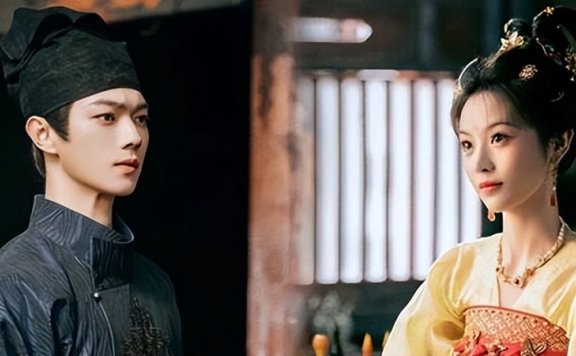
Xu Kai and Tian Xiwei Forge Destiny in Zi Ye Gui
The ancient capital of Chang'an, a jewel of the Tang Dynasty, becomes a battle ground between light and shadow in the highly anticipated drama Moonlit Reunion (子夜归). Head Exorcist Mei Zhuyu (Xu Kai) and aristocratic heiress Wu Zhen (Tian Xiwei) navigate a perilous dance of love and duty, their fates entwined by supernatural forces threatening the empire. Blending meticulous historical detail with Chinese mythical lore, this series promises a visual and narrative feast, redefining fantasy storytelling through its clash of human resolve and ancient magic. Tang Dynasty Mythos Reborn Chang'an's bustling streets hide eerie disturbances—whispers of spectral sightings and unnatural occurrences. Mei Zhuyu (梅逐雨), the stoic Head Exorcist, investigates these anomalies, declaring, "Mimicking form, imitating essence—deviations signal demonic presence." His pursuit leads him to Wu Zhen (武祯), whose playful aristocratic facade masks a startling truth: she inherits the power to transform into a feline guardian of the supernatural underworld. Their initial confrontation simmers with tension, a magnetic pull complicating their opposing missions. The resurgence of the Eternal Dawn Palace, lost for centuries, deepens the mystery. This celestial structure's reappearance fractures alliances and unleashes dormant evils, forcing Mei and Wu to question loyalties. The series revitalizes historical fantasy by weaving Tang… -
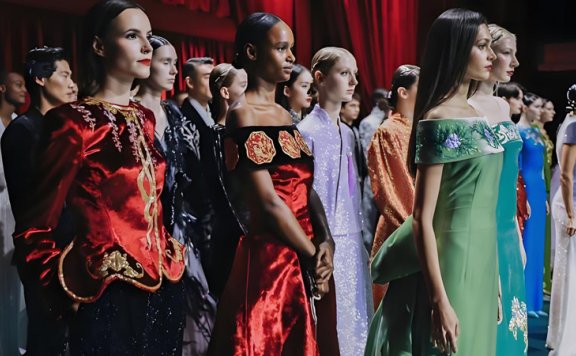
Gong·Fashion: A New Era of Chinese Couture
Under the illuminated eaves of Beijing's Gongwangfu (恭王府) Museum, history met haute couture on July 14th. The Ministry of Culture and Tourism's Gongwangfu Museum unveiled its groundbreaking "Gong·Fashion" brand, presenting 37 concept ensembles and 35 new Chinese-style ready-to-wear pieces alongside accessories. Against the backdrop of the ancient Yin'an Hall, models traversed a modern runway, embodying a unique dialogue between imperial legacy and contemporary design. Key figures including Deputy Director Su Ning (苏宁), acclaimed international designer Laurence Xu, collaborative designer Qi Qi (齐棨), and actress Mao Xiaotong (毛晓彤) witnessed the collection's premiere. This event signifies a strategic pivot for the museum, transforming its cultural treasures into wearable art for global audiences. Designs Rooted in History The "Gong·Fashion" collection draws deeply from Gongwangfu's visual language. Designers meticulously translated specific architectural and natural motifs into intricate textile narratives. Flowing wisteria vines cascading within the palace grounds inspired organic, draped silhouettes. The precise geometric latticework of the Crabapple Blossom Windows found expression in structured patterns and laser-cut details adorning jackets and skirts. Subtle plays of light and shadow, reminiscent of the Bamboo Courtyard, were captured through layered fabrics and gradient dyeing techniques. Perhaps most iconic, the revered "First Blessing Under Heaven" calligraphy was subtly… -
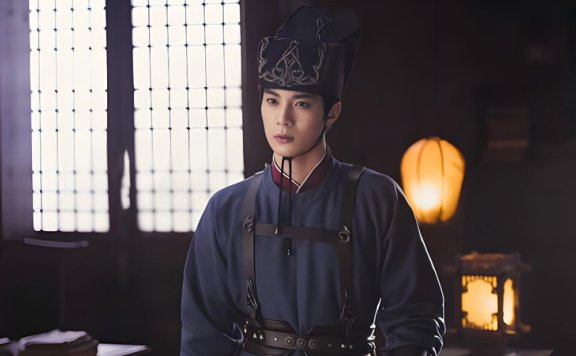
Chang Mingbo's Silent Strength in Coroner’s Diary
Coroner’s Diary (朝雪录), the captivating historical mystery drama adapted from Bu Yue Qian Zhuang's novel, has gripped audiences with its tale of Qin Wan (秦莞), the "Ghost Hand Coroner" (Li Landi), and Prince Yan Chi (Ao Ruipeng) unraveling conspiracies and seeking justice. Amidst the intricate plots and striking leads, Zhang Mingbo's (章明伯) portrayal of Zhan Yang (展扬), Prince Yan Chi's steadfast bodyguard, emerges as a quietly powerful force, demonstrating the actor's expanding versatility beyond his modern crime drama roots. The Silent Catalyst Zhan Yang operates primarily within Prince Yan Chi's shadow, embodying the archetype of the loyal retainer. Yet, Zhang Mingbo ensures the character transcends mere background presence. Zhan Yang functions as the narrative's connective tissue across multiple case units. His sharp observation skills and decisive actions frequently provide crucial breakthroughs, propelling the central investigative duo forward when paths seem blocked. This role demands efficiency, and Zhang Mingbo delivers precisely that, ensuring every appearance counts. The relationship between Zhan Yang and Prince Yan Chi forms a compelling dynamic. Zhang Mingbo portrays not simple subservience, but a bond forged in mutual trust and battlefield understanding. Their silent communication speaks volumes, conveying years of shared experience and unspoken loyalty. This depth transforms… -
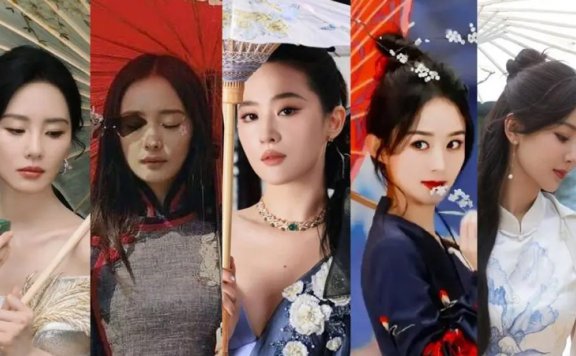
Top 8 Cdrama Actresses with Oil-Paper Umbrellas
In Chinese historical dramas, the oil-paper umbrella transcends mere prop—it becomes a silent narrator of elegance. Eight leading actresses have woven this artifact into iconic moments, blending tradition with character depth. From misty riverbanks to snow-dusted courtyards, their interpretations span ethereal poise to defiant strength, proving the umbrella’s timeless power in visual storytelling. Yang Mi Fifteen years after her breakout role as Tang Xuejian (唐雪见) in Chinese Paladin (仙剑奇侠传), Yang Mi’s (杨幂) relationship with the oil-paper umbrella has evolved alongside her career. In The Dream of Red Mansions, her early portrayal radiated youthful mischief, the umbrella a playful extension of her character’s restless energy. By Brotherhood of Blades (绣春刀), maturity transformed her stance: as painter Bei Zhai (北斋), she cradled the umbrella like a scholar’s brush—deliberate, grounded, a quiet counterpoint to her earlier vibrance. Her 2025 collaboration with People’s Artists magazine marked a full-circle renaissance. Against ink-wash backdrops, the 39-year-old balanced the umbrella with regal ease, merging Ming Dynasty-inspired tailoring with contemporary minimalism. No longer just an accessory, it framed her as a custodian of heritage—sturdy yet fluid, much like her own artistic journey from ingenue to industry pillar. Zhao Liying Zhao Liying’s (赵丽颖) umbrella narratives trace her path from…