Chinese animation offers a rich tapestry of stories perfect for children aged five and above, blending timeless legends, historical tales, and cultural wisdom to foster an understanding of China's heritage. These classics, including The Proud General, Nezha Conquers the Dragon King, and Tang poetry story, use vibrant artistry and engaging narratives to teach moral lessons, historical insights, and poetic beauty.
Each film serves as a gateway for young minds to explore themes like courage, humility, and cultural identity, making them invaluable educational tools that resonate across generations while entertaining with their creativity and depth.
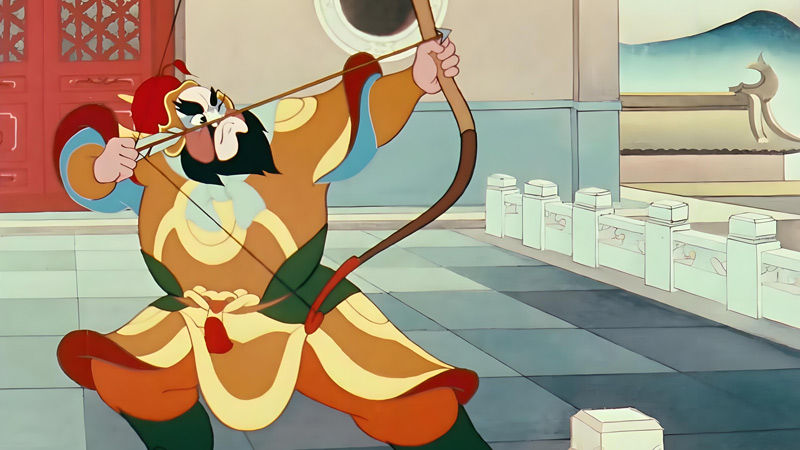
1. The Proud General (骄傲的将军)
The Proud General tells the story of a once-brave warrior who becomes arrogant after military victories, neglecting his skills and indulging in flattery. His complacency leads to rusty weapons and abandonment by allies, culminating in a humiliating defeat where he flees through a dog hole. This animated gem uses symbolic elements like lifting a bronze vessel and shooting geese to weave a cautionary tale about humility, with its seamless blend of Peking opera aesthetics ensuring it remains relevant and visually striking for modern audiences.
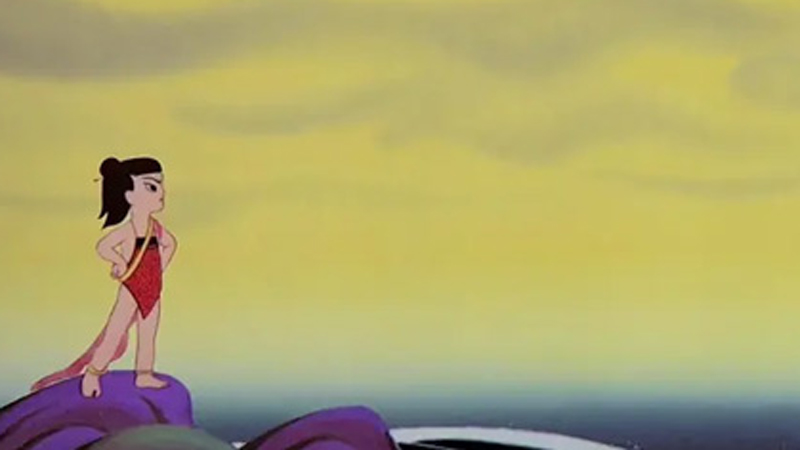
2. Nezha Conquers the Dragon King (哪吒闹海)
Nezha Conquers the Dragon King explores the rebellion of the iconic young hero Nezha against oppressive authority, challenging the Dragon King's tyranny. The film delves into themes of defiance and personal sacrifice, including Nezha's tragic self-sacrifice, to probe timeless questions about family dynamics and societal responsibility. Its flawless animation and emotive score create a powerful narrative that inspires courage while reflecting on the costs of standing up for justice.
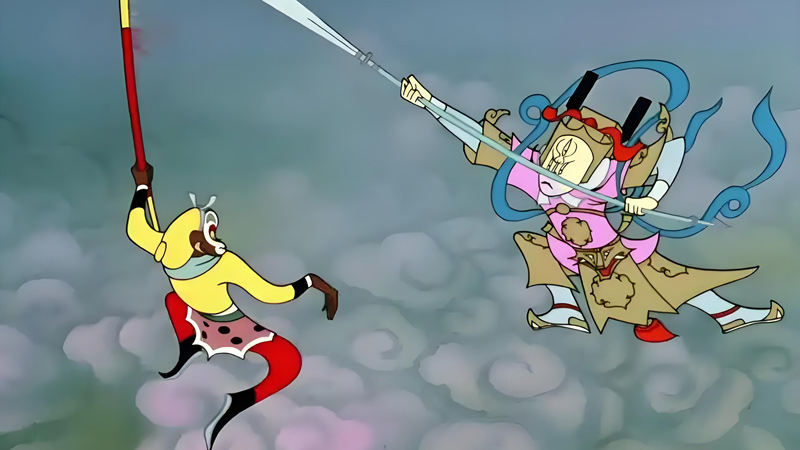
3. Uproar in Heaven (大闹天宫)
Uproar in Heaven presents Sun Wukong, the Monkey King, as a pragmatic hero who battles celestial forces for freedom and fairness, contrasting with Nezha's idealism. This standalone story adapts Journey to the West with a child-friendly ending, featuring stunning visuals that fuse Buddhist iconography with theatrical movements to depict a vibrant, imaginative heaven. Its legacy lies in defining Sun Wukong's enduring image as a symbol of liberation and playful resilience.
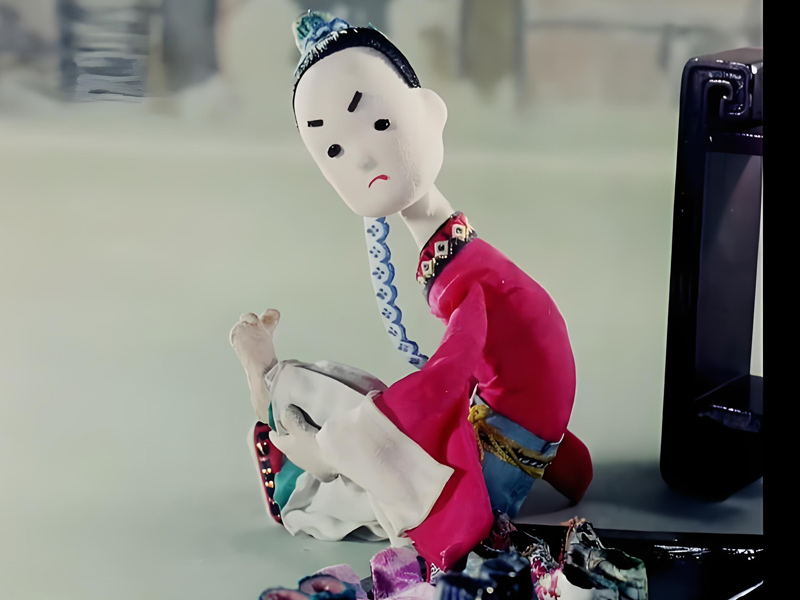
4. A Fool Bought Shoes (愚人买鞋)
A Fool Bought Shoes humorously depicts a scholar who relies solely on books to measure his feet, ignoring practical experience and ending up with ill-fitting shoes. This witty stop-motion animation critiques rote learning through simple yet expressive character designs, offering a lighthearted counterpoint to tales of perseverance like studying by drilling walls. Its brisk pacing and comedic timing make it an engaging lesson on the value of hands-on knowledge.
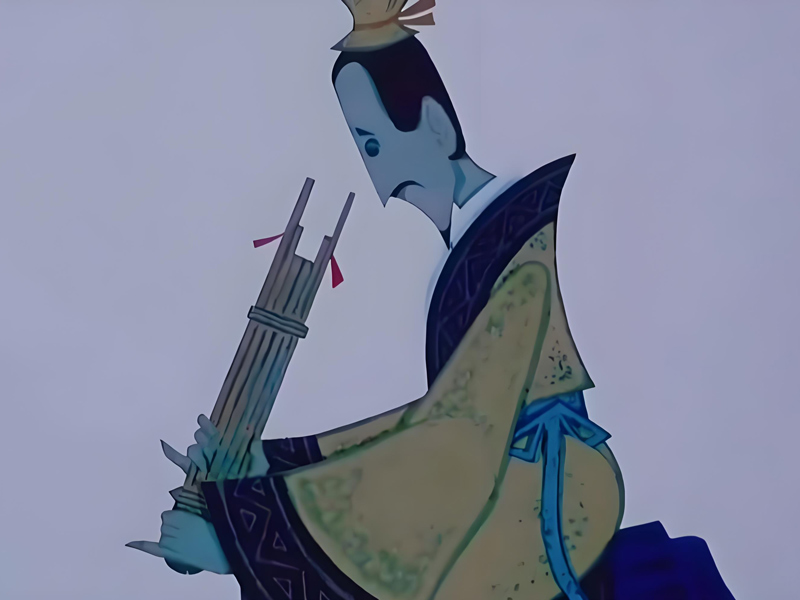
5. Nan Guo Xian Sheng (南郭先生)
Nan Guo Xian Sheng aptly applies the fable of a fraud who joins an orchestra without musical skill, only to be exposed when solo performances begin. The film employs Han dynasty-inspired flat visuals and satirical narration to highlight the folly of deception, blending historical artistry with literary techniques for a unique, reflective experience. Its gentle humor underscores the importance of authenticity and hard work in personal endeavors.
The Proud General reappears in this context as a broader allegory on arrogance, reinforcing how complacency can unravel even the mightiest heroes. Its inclusion here emphasizes the universal appeal of fables in teaching virtues like diligence through relatable, exaggerated characters and cultural symbols like the flattering parrot.
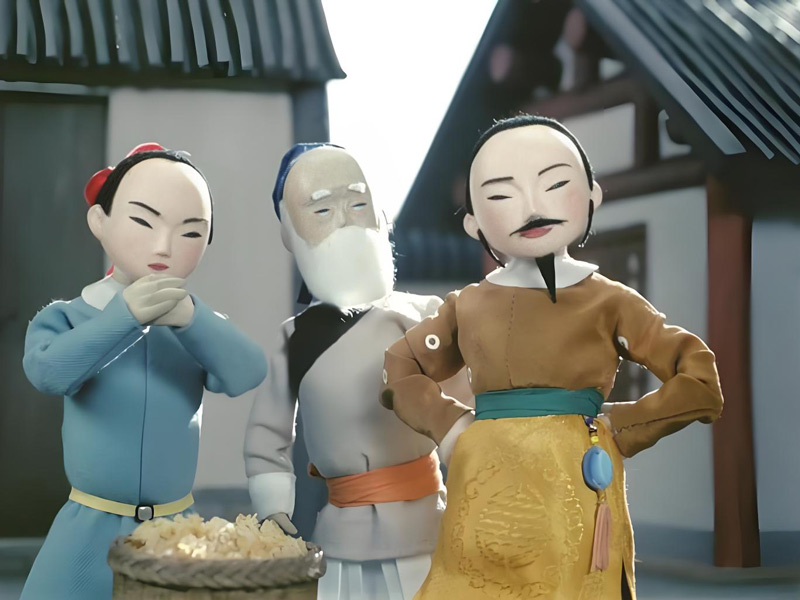
6. Flowers in the Mirror (镜花缘)
Adventures in the Wonderland, despite its incomplete four-episode run, excels in eloquent dialogue that captures the Chinese language's lyrical grace. Set in a fantastical realm, the puppet animation features sparse, open landscapes and fast-paced plots, allowing its poetic script to shine as an auditory delight. This makes it ideal for introducing children to the beauty of concise, expressive storytelling while immersing them in imaginative worlds.
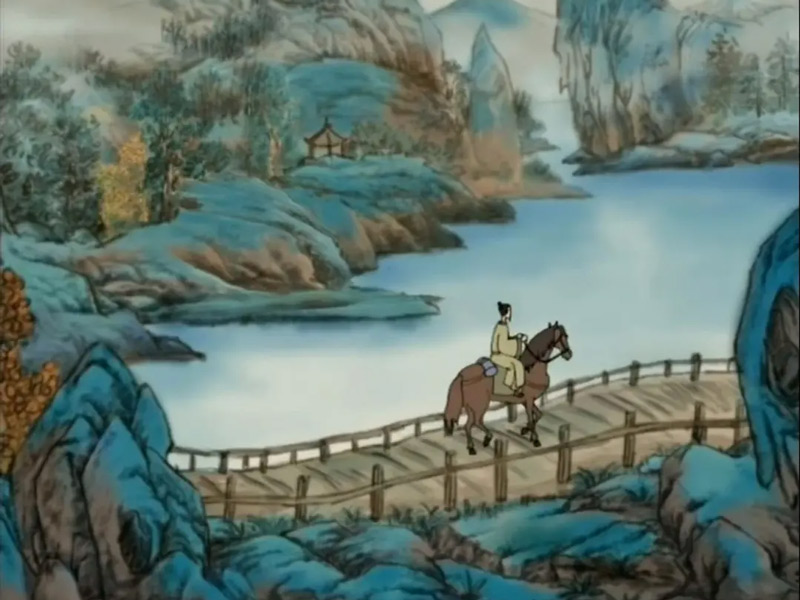
7. Tang poetry story (唐诗故事)
Tang poetry story translates classical verses into narrative episodes, with each of its 26 installments animating a poem's essence without forced interpretations. The delicate ink-wash visuals provide a textured backdrop that modern cartoons often lack, enhancing the educational value by making historical poetry accessible and visually captivating for young learners.
Together, these animations form a cultural mosaic, using heroes to inspire bravery, fables to impart wisdom, and poetry to celebrate linguistic artistry. They remain essential viewing for nurturing thoughtful, culturally aware children.