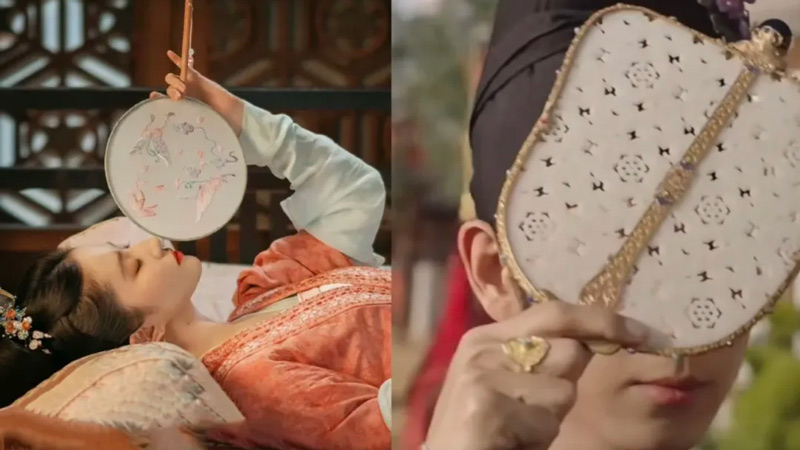
The sweltering heat of summer poses a timeless challenge. Modern solutions often involve minimal fabric and artificial cooling, leading many to wonder: how did ancient Chinese people, seemingly clad in multiple layers even in historical dramas, possibly cope without air conditioning? The answer lies not in suffering through the heat, but in a sophisticated understanding of textiles, garment design, and microclimate management that often surprises contemporary sensibilities.
Ancient Chinese summer attire was a masterful blend of practicality and elegance, proving that covering up could be far cooler than stripping down. Far from being constrained by tradition, they innovated with purpose, creating garments specifically engineered to combat the intense heat using nature’s gifts and human ingenuity.
Why Layers Beat Bare Skin
The fundamental misconception lies in equating less fabric with more comfort. Ancient Chinese clothing philosophy prioritized creating a cool microclimate around the body. Loose, flowing layers, particularly those crafted from specific lightweight fabrics, facilitated constant air circulation. As air moved between the layers, it absorbed body heat and moisture, carrying it away much more effectively than stagnant air trapped against bare skin or tight clothing. This principle, akin to the cooling effect of a breeze, was key.
Furthermore, these layers served as essential barriers against the sun’s direct radiation. Sun exposure significantly increases heat load on the body; protective clothing acts as a physical shield, reducing direct heat absorption and preventing sunburn.
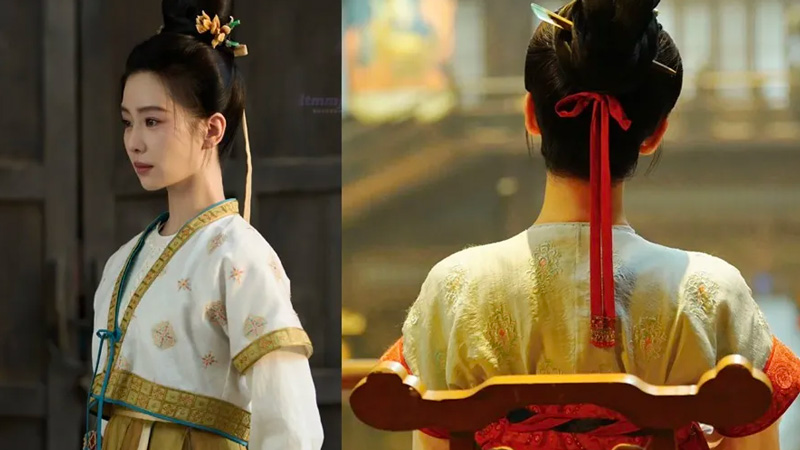
Social norms and practical needs also dictated coverage. Full-body clothing maintained modesty and propriety in public settings and protected against insects and environmental elements. However, this didn't translate to discomfort at home or during labor. Historical records and artifacts reveal distinct categories of indoor and work wear designed explicitly for heat relief. Women, for instance, wore lightweight sleeveless vests or simple tunics indoors, sometimes without the foundational undergarments worn outdoors, prioritizing comfort in private spaces.
Men engaged in strenuous labor often worked bare-chested or wore abbreviated upper garments like Banbi (半臂), demonstrating clear situational adaptation. The layered approach wasn't about unnecessary formality; it was a versatile system allowing adjustment based on activity and environment.
Ventilation, Versatility, and Lightness
Beyond the basic principle of layering, ancient Chinese clothing featured specific design elements engineered for summer comfort. Sleeveless and short-sleeved garments were far more common than often assumed. The short-sleeved jackets, evolving from earlier styles and popular during the Yuan and Ming dynasties, was a quintessential summer piece. This long, sleeveless vest, often slit high on the sides, provided coverage while maximizing airflow around the torso and arms.
The Banbi, typically worn over a light inner layer or sometimes alone by women indoors or by laborers, offered a practical short-sleeved option. Its shorter length and abbreviated sleeves reduced fabric bulk significantly.
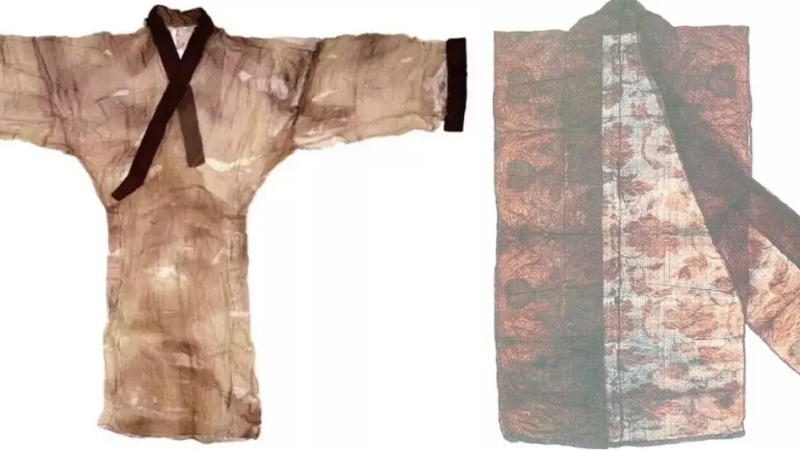
Innovation extended even to foundational garments. Excavations, like the tomb of Lady Huang Sheng from the Southern Song Dynasty, revealed underwear designed for breathability. One remarkable example features a backless design secured with ties, allowing significant ventilation across the back – a highly sensitive area for heat accumulation. Practical details like adjustable ties ensured a comfortable, non-restrictive fit that accommodated different body shapes while maintaining coverage.
The sheer variety of necklines also allowed for adjustment at the neck, another key area for heat release. Garments were cut with generous ease, avoiding any constriction that would impede airflow or trap heat against the skin. This focus on ventilation points and non-restrictive silhouettes was fundamental.
Nature’s Air Conditioning
The true marvel of ancient Chinese summer wear lay in the textiles themselves. Mastery of sericulture and weaving produced silks of astonishing fineness that remain difficult to replicate today. The plain gauze garment from the Mawangdui (马王堆) Han Tomb weighs a mere 49 grams, while an even lighter Luo silk sleeveless vest from the Southern Song Dynasty tomb of Huang Sheng (黄昇) weighs an incredible 16.7 grams. These gossamer fabrics were incredibly sheer, allowing maximum airflow while still providing a layer of sun protection and modesty. Silks like Luo (罗) and Sha (纱) were prized specifically for summer use due to their exceptional breathability and lightness.
Plant fibres also played a crucial role. High-quality Zhuma (苎麻) was meticulously processed into fabrics described poetically as "light as a cloud, white as silver" (from the Jin Bai Zhu Wu Ge Shi 晋白纻舞歌诗). Its inherent properties – strong, absorbent, quick-drying, and exceptionally breathable – made it ideal for hot weather. Similarly, kudzu vine fibre was woven into Ge Sha (葛纱), renowned for its coolness.
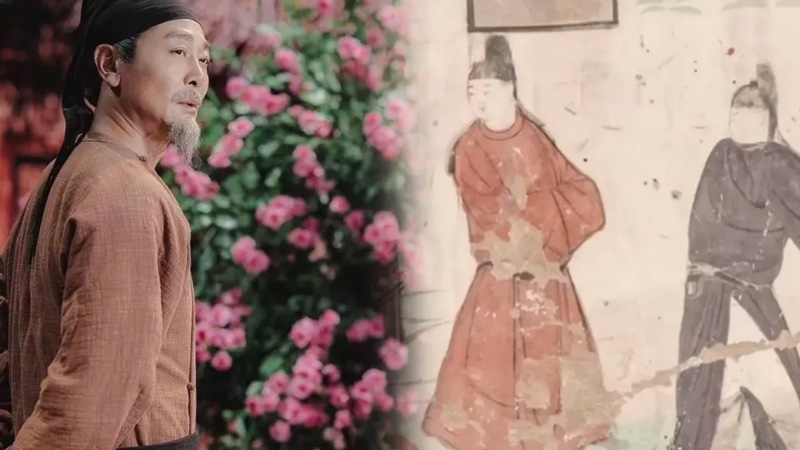
Ancient Cool in Contemporary Life
The wisdom embedded in traditional Hanfu design offers surprisingly relevant solutions for modern summers seeking sustainable comfort. The sleeveless vests, reinterpreted in lightweight linens, rayons, or modern cotton voiles, makes an excellent summer vest or light jacket, layered over simple tanks or dresses. Its sleeveless design and potential for side slits maintain the core cooling principle. The Beizi (褙子), particularly in sheer materials, functions perfectly as a chic and airy cover-up or sun shield over modern camisoles and trousers or skirts, embodying the layered airflow concept.
For a blend of tradition and modern ease, the Banbi offers a structured short-sleeved layer ideal over lightweight blouses. The Changgan Temple-style straight-collar shirt, characterized by its simple cut and straight collar, works beautifully as a sheer summer overshirt. Paired with modern separates like wide-leg pants or simple skirts, it creates breezy silhouettes. Combining a Tang-style Beizi/Banbi worn open over a tank top and a wrap skirt in natural fibres like silk or linen provides adjustable ventilation and freedom of movement.
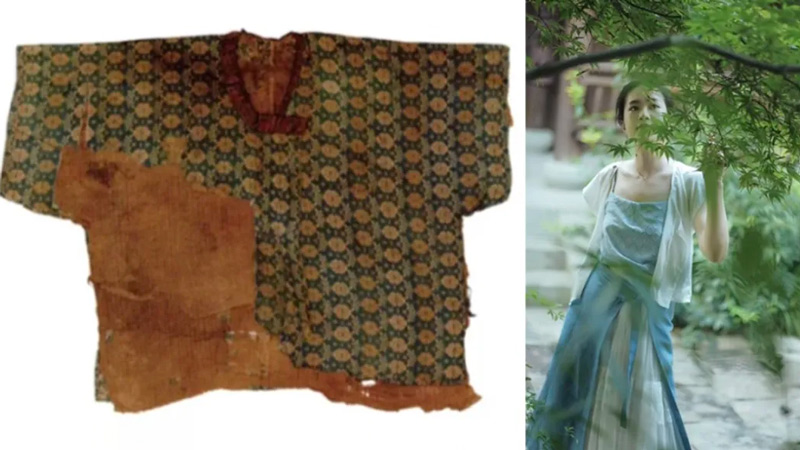
Even the concept of the ultra-sheer Song Dynasty gauze shirt finds its echo in modern, lightweight kimono jackets or open-weave cardigans used for sun protection. The focus remains on selecting natural, breathable fabrics like linen, ramie, pure cotton, and prioritizing loose cuts that allow air to circulate freely around the body. This ancient approach to beating the heat remains remarkably effective and stylishly relevant.