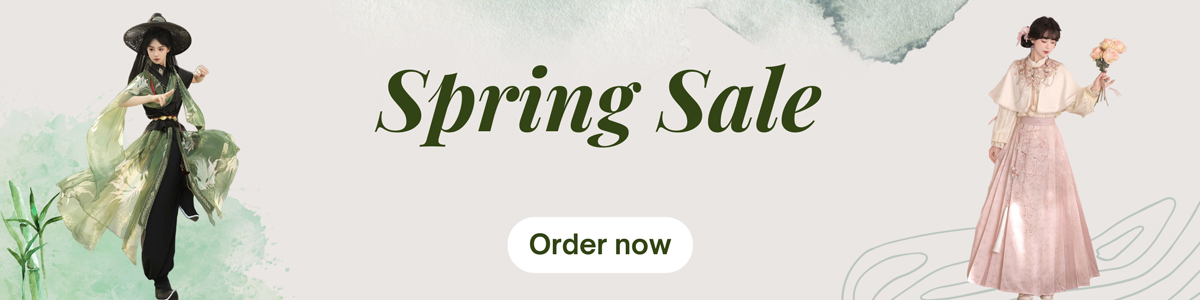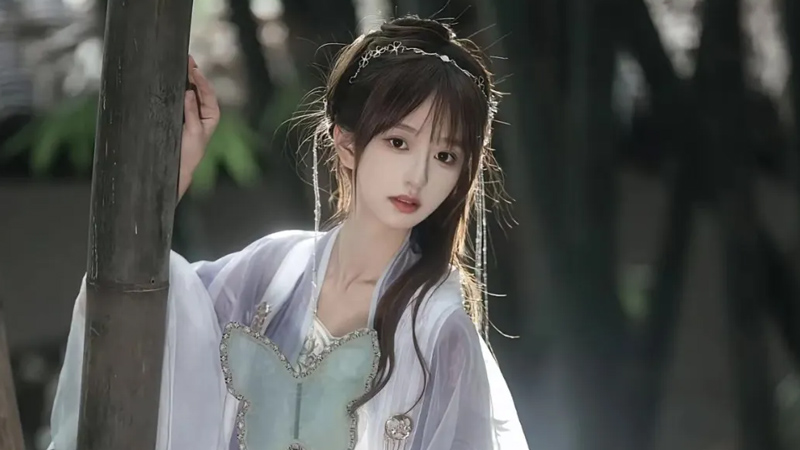
Young people across China are draping themselves in history. Silk robes, embroidered jackets, and flowing skirts once reserved for period dramas now flood city streets, university campuses, and social media feeds. This isn’t cosplay—it’s a cultural movement. Hanfu, traditional attire tracing its lineage to China’s dynastic eras, has evolved from niche hobby to mainstream passion.
For Gen Z, wearing these garments is less about historical reenactment and more about stitching identity into the fabric of modernity. It’s a quiet rebellion against homogenized trends, a tactile connection to heritage, and a gateway to vibrant communities where tradition dances with innovation.
Identity Woven in Fabric
Hanfu’s resurgence coincides with China’s cultural reawakening. As global brands dominate fashion, young people seek anchors in their own heritage. A Tang-style Ruqun isn’t merely clothing; it’s a wearable testament to millennia of aesthetics and philosophy. The crisp lines of Ming dynasty Zhiju reflect Confucian ideals of harmony, while Song dynasty Beizi whispers of scholarly elegance. Wearing these pieces during Qingming Festival tomb-sweeping or Mid-Autumn moon gatherings transforms rituals into living history lessons.
This sartorial choice answers a deeper question: "Who are we?" In rejecting Western fast-fashion hegemony, youth declare pride in indigenous craftsmanship. They aren’t escaping modernity—they’re redefining it. A college student pairing a brocade Mamianqun with sneakers isn’t an anomaly; she’s curating a hybrid identity where ancient motifs converse with street style.
Defying Fast Fashion
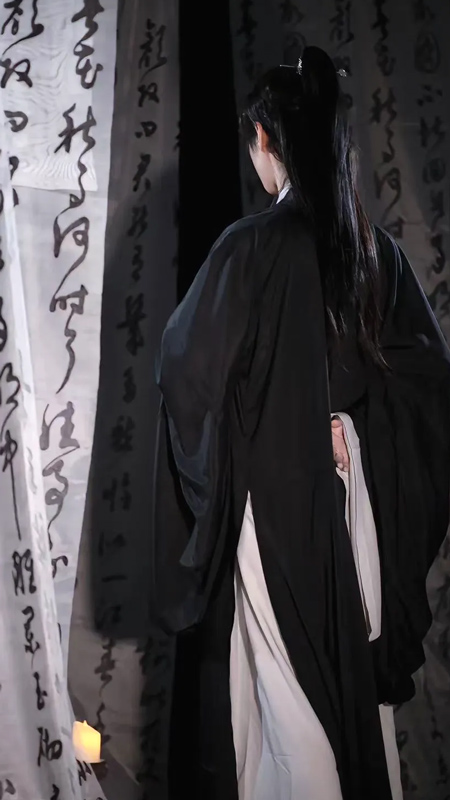
Fast fashion’s cycle of sameness sparked Hanfu’s counter-revolution. Mass-produced jeans and T-shirts offer convenience but erase individuality. In contrast, Hanfu celebrates specificity: Ming collars frame faces differently than Tang high-waists, and Song narrow sleeves demand deliberate movement. Each silhouette carries distinct narratives—the grandeur of imperial courts, the refinement of literati, or the practicality of artisans.
Digital natives amplify this uniqueness. On Douyin, a teen’s Hanfu transformation video garners millions of views precisely because the attire disrupts algorithm-driven monotony. Brands like Han Shang Hua Lian now offer machine-washable linen Ruqun and office-appropriate Beizi, proving tradition can adapt without dilution. The "imperfect" drape of hand-stitched embroidery becomes a badge of authenticity in an age of synthetic perfection.
Communities and Commerce
Hanfu thrives on connection. Online forums dissect historical textile patterns; Xiaohongshu tutorials teach Song dynasty hairstyling; offline, "Hanfu Walk" events turn parks into swirling seas of silk. These gatherings aren’t costume parties—they’re incubators for cultural literacy. Members debate Tang versus Ming sleeve construction, revive tea ceremony etiquette, or compose poetry in classical forms. Belonging here requires curiosity, not expertise.
Industry growth fuels accessibility. Early adopters commissioned custom pieces; now, e-commerce platforms offer sub-¥200 ready-to-wear options. Brands segment markets: Tong Ren Hanfu caters to children, while Zhong Xing Hua specializes in gender-neutral designs. Even luxury labels collaborate on limited editions, signaling Hanfu’s commercial viability. Live-streaming sales demystify dressing rituals, turning viewers into confident wearers overnight.
Tradition as Living Dialogue
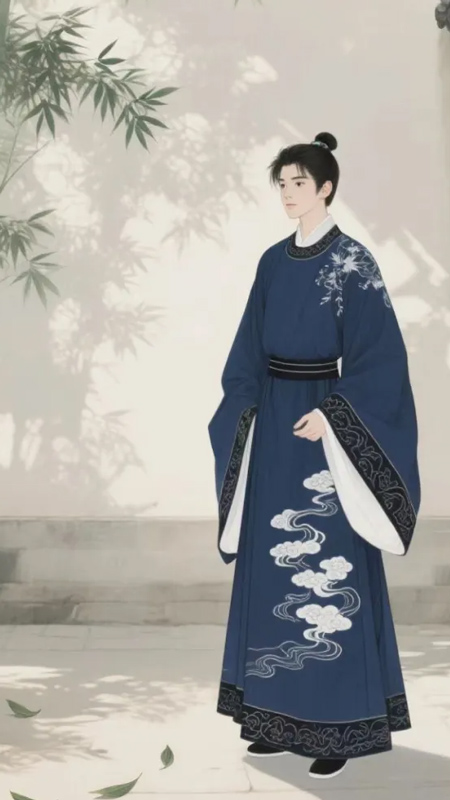
Critics dismiss Hanfu as nostalgic theater. But its wearers aren’t chasing historical purity—they’re conducting a dialogue across centuries. A barista serving matcha lattes in Song-style cross-collar robes isn’t pretending to be a Song scholar; she’s asserting that heritage belongs in coffee shops as much as museums.
This fluidity defines the movement. Hybrid "Hanfu elements" appear in concert outfits and wedding gowns. Designers remix dragon motifs with graffiti art. Historical accuracy matters less than emotional resonance. As one wearer noted, "I’m not recreating the past. I’m weaving its threads into my present." In temples of consumerism and digital realms, Hanfu becomes both armor and invitation—a declaration that culture isn’t static, but a living tapestry rewoven by every generation.