Article
Search results:
-

Colors of Hanfu: Stories Woven in Ancient Hues
The crimson robes shimmer like liquid sunset, azure silks hold captured mist, and golden threads pulse with imperial legacy. When Hanfu flows, it's not merely fabric in motion; it's a millennia-old chromatic saga whispering secrets of the East. Each hue, meticulously extracted from roots, leaves, and blossoms, carries profound narratives of status, season, and spirit, woven into the very warp and weft of Chinese civilization. Far more than aesthetic choices, these colors formed a silent language – a vibrant lexicon where every shade spoke volumes about the wearer's place in the cosmic and social order. Today, as this ancient attire experiences a renaissance, the timeless palette of Hanfu continues to captivate, bridging dynasties past with the bold expressions of modern style. Crimson No color resonates deeper in the Chinese soul than crimson. Revered since the Shang and Zhou dynasties, this potent hue symbolized supreme nobility and auspicious fortune. It pulsed at the heart of life's most sacred ceremonies. Imagine heavy silk blazing with China Red, embroidered golden phoenixes and peonies dancing on phoenix coronets and ceremonial capes. Sunlight catching intricate Pan Jin embroidery creates a regal shimmer reserved for emperors and empresses. Beyond the bridal chamber, crimson commanded reverence in… -
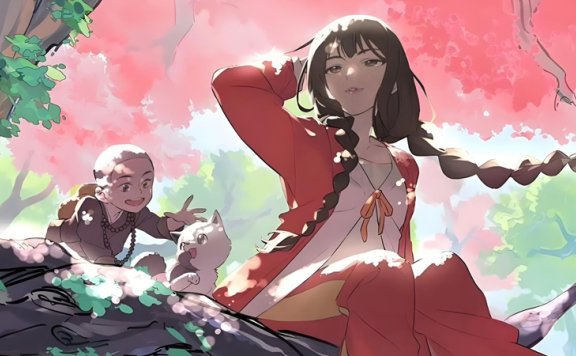
Bai Yao Pu: Tao Yao's Healing Journey in Ancient Luoyang?
Ancient cobblestones whisper secrets beneath the moonlight as Tao Yao, the enigmatic spirit physician, walks alone into the heart of Luoyang. The latest season of the captivating animated series Bai Yao Pu (百妖谱) plunges viewers into this ancient capital's shadowed alleyways, where human dilemmas intertwine with supernatural intrigue. Tao Yao isn't just treating ailments; she's navigating a labyrinth of hidden desires, broken promises, and age-old curses unique to this historic city. Can her legendary golden bell truly mend the fractures between two worlds? Luoyang's Shadows Luoyang isn't merely a backdrop; it's a living entity steeped in a thousand years of history and myth. Its winding streets and grand courtyards conceal creatures like the sorrowful Jiang Jun (绛君), whose plea buys a single, precious day, and the pragmatic Xian Shu (咸鼠), challenging Tao Yao's staunch rule against aiding humans. This ancient capital pulses with hidden energies – from the piercing gaze of the Buddha's Eye to the unsettling presence of the Xuan Duo (玄狏) and the mournful cries of the Ying Yuan (婴源). Each corner turned reveals another layer of the city’s profound, often perilous, connection to the spirit realm. The animation masterfully renders Luoyang’s duality. Grand palaces stand beside bustling,… -
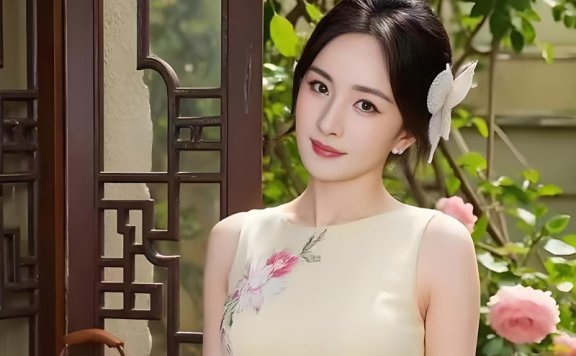
Yang Mi Merges Qipao's Tradition with Modernity
A single image stopped digital scrolls. Yang Mi (杨幂), celebrated for cutting-edge style, emerged draped in a classic Qipao, sparking instant nationwide fascination. This wasn't another celebrity endorsement; it felt like witnessing a heritage garment rediscover its voice through a modern icon. Her transformation went beyond fabric – it ignited a conversation about authenticity, effortless grace, and the magnetic power of genuine presence in an era saturated with artifice. The quiet courtyard setting and her poised demeanor created a visual poem, proving timeless allure requires no loud fanfare. Outline Speaks Volumes The Qipao demands perfection. Its sleek lines expose every nuance of form, unforgiving to imbalance. On Yang Mi, it found its ideal canvas. The high collar framed her neckline elegantly, while the tailored bodice meticulously followed her slender waist, a testament to the garment's unforgiving precision. Her posture, relaxed yet regal, allowed the fabric to flow naturally, highlighting the subtle yet powerful feminine silhouette it was designed to celebrate. This wasn't restrictive; it was a harmonious dialogue between body and cloth. Beyond physicality, Yang Mi embodied the Qipao's spirit. She moved with an innate confidence that felt both contemporary and deeply rooted. The sharp modern edge in her gaze… -
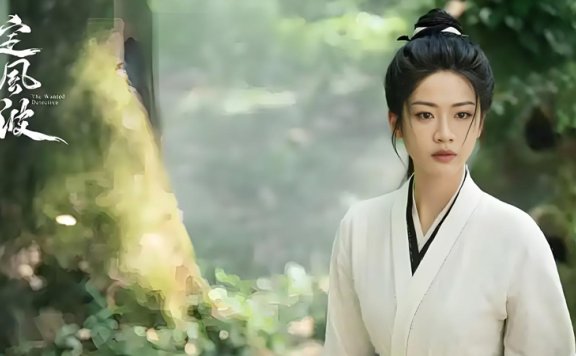
Unveiling The Wanted Detective: Scary Atmospheres and Connected Mysteries
While summer cinema offerings dwindled to a trickle, an unexpected contender surged from the long-form drama arena. Breaking through the seasonal slump with gripping originality, The Wanted Detective (定风波) emerges as a beacon of hope for the genre. This ingeniously crafted costume detective series masterfully blends traditional Wuxia spirit with youthful energy, delivering layered mysteries and a compelling young ensemble cast—the Bo Bo Dui (波波队). Its arrival proves long-form narratives can still command attention and deliver exhilarating entertainment. Chilling Atmosphere The series grips viewers instantly with potent Chinese eerie elements. The opening sequence sets an unforgettable tone: solemn statues guarding a dim palace hall inexplicably weep trails of crimson blood. This chilling visual plunges us headfirst into a world steeped in supernatural dread and historical unease. The terror escalates swiftly, manifesting in shocking demises—a veteran general's head mysteriously separating from his body mid-gallop; a minister consumed by sudden, unnatural flames; a powerful official drowned in his own washbasin. Each grotesque death scene bears the chilling signature: "Night Fiend". These aren't isolated horrors but interconnected threads weaving the larger "Night Fiend Case". Seven smaller, equally disturbing incidents form its core. Picture a crimson-garbed bride grotesquely suspended by threads from a beam;… -
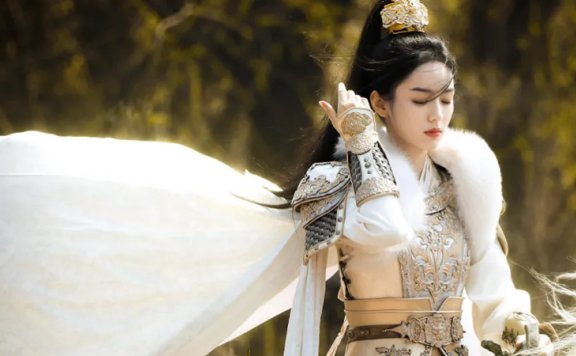
Legend of the Female General: Rebirth and Battlefield Romance
Move over, palace intrigues! A refreshing new costume drama, Legend of The Female General (锦月如歌), is shattering tired tropes. While the familiar theme of rebirth and revenge anchors the story, it ditches the claustrophobic confines of the inner chambers for the gritty, high-stakes battleground. Our heroine isn't obsessed with romantic entanglements; she straps on armor, picks up a weapon, and carves her path back to power through sheer skill and unwavering determination. Forget whispered schemes in gilded halls – this is revenge forged in the heat of combat, promising a thrilling and empowering spectacle. Rebirth on the Battlefield He Yan (Zhou Ye) wasn't born to be a pawn. Forced from infancy to live a lie, she disguised herself as her frail brother, He Rufei (何如非), to safeguard her family's noble title. This deception shaped her destiny. Embracing the male identity, she ascended through military ranks, becoming the revered Feihong General (飞鸿将军), her valor unmatched. Yet, betrayal came from the very family she protected. When the real He Rufei returned, he callously usurped her achievements, title, and life, orchestrating her apparent death in a treacherous fall. Miraculously surviving, He Yan (禾晏) refuses to fade away. Her mission is singular and audacious:… -
Heritage Weaves: Old Patterns in New Outline
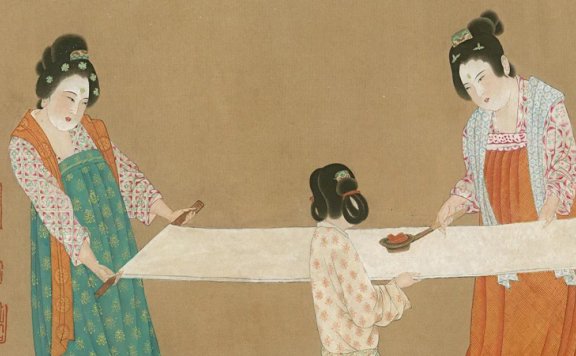
As Zhang Xue (张雪) guides the shuttle across her Song Jin (宋锦) loom, peony vines blossom beneath her fingers. This young inheritor doesn't realize her wrist patterns mirror Tang dynasty court ladies in Daolian Tu (捣练图). Such moments reveal Hanfu isn't resurrected history but living heritage. Traditional techniques weave through contemporary designs, creating conversations between dynasties in every thread. This fusion transforms museum artifacts into vibrant cultural expressions, where ancient motifs speak through modern silhouettes. Threads of Royalty Song Jin demands royal patience. Each centimeter consumes hours as artisans layer colored threads like watercolor washes. This "living hue" technique creates ethereal gradients unseen in ordinary brocade. Imperial workshops once reserved such luxury for dragon robes and ceremonial scrolls. Today's Hanfu designers adapt these methods for cloud collars and wide sleeves, transforming wearers into walking art pieces. The shimmering surfaces capture light differently with every movement. Su embroidery elevates simplicity into grandeur. On a deep-blue jacket sleeve, gold thread swirls into tidal patterns while freshwater pearls anchor each wave crest. Where historical pieces used gilt strips, modern artisans employ synthetic alternatives for daily wear. The effect remains equally hypnotic - miniature oceans rippling across linen landscapes. Tang dynasty glamour returns through… -
Fabric Meets Verses: Hanfu’s Poetic Soul
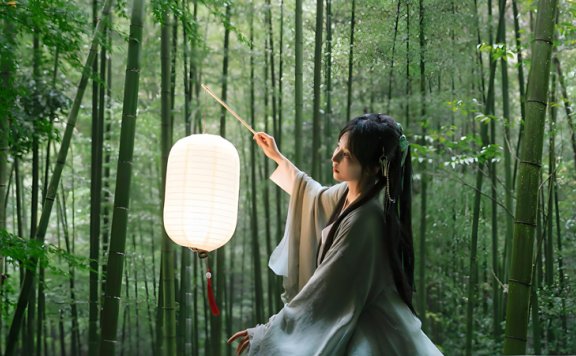
Imagine fabric whispering ancient verses. Picture sleeves swirling with the rhythm of classical poetry. This is the captivating reality where Hanfu, China's traditional attire, meets the timeless beauty of its poetic heritage. More than just clothing or words, they are living threads in the tapestry of Chinese civilization. When the flowing lines of Hanfu encounter the profound depths of poetry, a silent dialogue spanning centuries unfolds. It's a romance woven not with words alone, but with silk, linen, and the very essence of cultural memory. This encounter invites us to step beyond the page and the mannequin, to experience tradition as a vibrant, embodied art. Fabric as Poetry The very structure of Hanfu holds poetic resonance. Consider the elegant spirals of the Quju (曲裾) robe. Its graceful folds seem to cascade down the wearer's form, mirroring the dynamic energy of Li Bai's (李白) verses describing a waterfall's majestic plunge, Flying Down Three Thousand Feet. It's movement captured in cloth. Contrast this with the airy lightness of the Qixiong Ruqun, an upper garment paired with a high-waisted skirt. Its gentle drape evokes the subtle, nurturing touch described in Du Fu's (杜甫) lines about a spring rain arriving unnoticed, Entering Silently with… -
6 Actresses Shine in Duel on Mount Hua
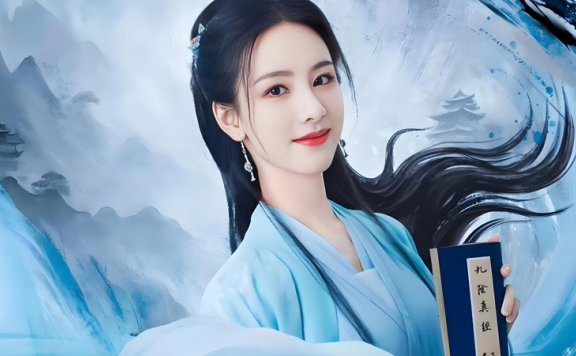
In the sweeping Wuxia epic Duel on Mount Hua (华山论剑), legendary martial artists vie for supremacy. Yet, the drama's soul often resides in its captivating female characters, brought to life by six remarkable actresses. Each portrays a woman navigating a treacherous Jianghu (江湖) with distinct grace, strength, and tragedy. Their stories intertwine with the fates of the Five Greats, adding profound layers of emotion, resilience, and unforgettable beauty to the high-stakes world of honor and betrayal. 1. Chen Duling (陈都灵) Chen Duling embodies Feng Heng (冯衡), daughter of a salt official. Her life shatters when bandits murder her father, forcing her into a desperate flight. Surviving two perilous cliff falls, she encounters the reclusive Huang Yaoshi (黄药师). Feng Heng possesses no martial prowess, yet her spirit is indomitable. Confined mostly to a sickbed later in the story, Chen masterfully conveys an inner steel beneath a fragile exterior – a resilience that makes the origins of a daughter like Huang Rong (黄蓉) entirely believable. Her quiet intelligence and unwavering courage resonate deeply. Feng Heng's journey is one of profound loss and unexpected survival. Thrust into the brutal realities of the Jianghu after her father's murder, her strength lies not in physical… -
The Adventure: A Chinese Comedy's Take on Time Travel
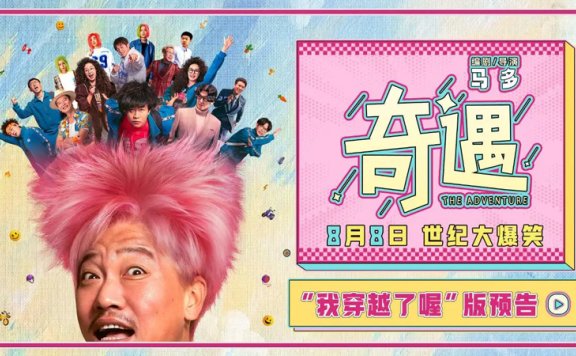
Chinese cinema often uses time travel as a narrative shortcut to nostalgia or simple comedy. However, the 2025 summer release The Adventure (奇遇), directed by Ma Duo (马多), attempts something more complex. It leverages a unique "self-swap" premise to explore a midlife crisis and the values we lose while growing up. With compelling performances from Jia Bing (贾冰) and Wang Hao (王浩), the film delivers laughs while prompting a genuine look in the mirror. A Two-Way Street Through Time The film introduces us to Huang Yuqi (黄宇奇), a 43-year-old man stuck in a rut. His body aches, his career is stagnant under a condescending former classmate, and his family life is unfulfilling. A chance accident during a rare meteor shower triggers an extraordinary event: he swaps bodies with his 18-year-old self from the year 1999. This is not a one-way trip. The twist is that the teenage Huang's consciousness simultaneously travels forward into the middle-aged body. This setup creates a dual narrative. The adult mind, burdened with the disappointments of 2024, gets a second chance in the vibrant, hopeful world of 1999. Meanwhile, the youthful spirit experiences the freedoms and complexities of adulthood firsthand. This mechanism moves beyond gimmickry to… -
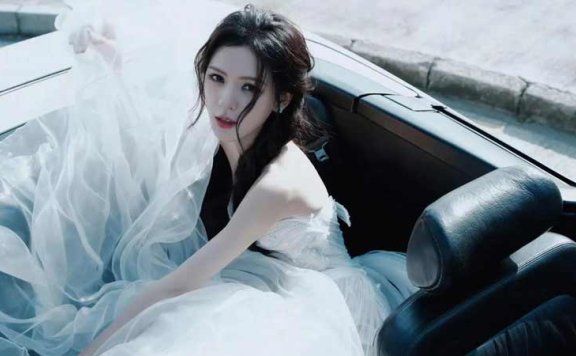
Zhang Yuxi: Can Beauty Open Acting Doors?
From magazine covers to television screens, Zhang Yuxi's (张予曦) journey epitomizes the complex path of internet celebrities transitioning into mainstream acting. Her story isn't just about fame; it's a case study in leveraging visibility while grappling with the industry's demanding expectations. Crowned champion of the Ruili (瑞丽) Cover Girl Competition in 2009, she entered an entertainment world initially indifferent to her presence. Years of minor roles followed, a common purgatory for non-professionals. Then came 2014, a pivotal year where circumstance and choice collided, catapulting her into the spotlight and setting the stage for a career defined by both dazzling opportunities and persistent artistic challenges. The Breakthrough Moment Attending a high-profile event with businessman Wang Sicong (王思聪) in 2014, Zhang Yuxi found herself thrust into an unrelenting media glare. Her candid acknowledgment of their relationship, though fleeting, transformed her public profile overnight. The "ex-girlfriend of Wang Sicong" tag became an unlikely springboard, cutting through the noise and granting her access previously out of reach. This sudden influx of attention could have easily become a trap, a fleeting moment of notoriety. Instead, Zhang Yuxi recognized it for what it was: a powerful platform. She channeled the momentum into securing more substantial acting… -
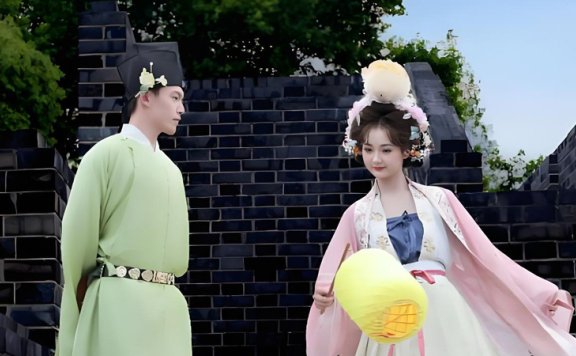
Song Dynasty Hanfu's Gentle Spirit in Today's World
When we speak of traditional Chinese attire, the grandeur of the Tang Dynasty often steals the spotlight, but the subtle grace of Song Dynasty Hanfu reveals a deeper, more refined essence of Chinese culture. Shedding the bold extravagance of its predecessor, Song Dynasty Hanfu embraces minimalist lines and muted hues, embodying an aesthetic of "unadorned beauty" that feels both ancient and strikingly modern. This exquisite style captures a quiet dignity, reflecting the inner cultivation prized in Song-era philosophy, and today, it invites us into a world where history meets contemporary life. Minimalist Philosophy The Song Dynasty marked a pinnacle in Chinese arts and thought, with Neo-Confucianism emphasizing inner harmony over outward display. This ethos shaped Song Dynasty Hanfu into designs centered on restraint and practicality. Instead of elaborate adornments, it relies on clean silhouettes and natural fabrics like cotton, linen, and silk. Colors favor soft greens, pale yellows, and gentle pinks, creating a visual poetry that whispers elegance without shouting. Every garment flows with purpose, tailored to flatter the body without excess. Men wore simple robes like the round-collared Yuanlingpao (圆领袍), while women chose pieces that balanced modesty with grace. The art of "leaving space" in these designs invites contemplation,… -
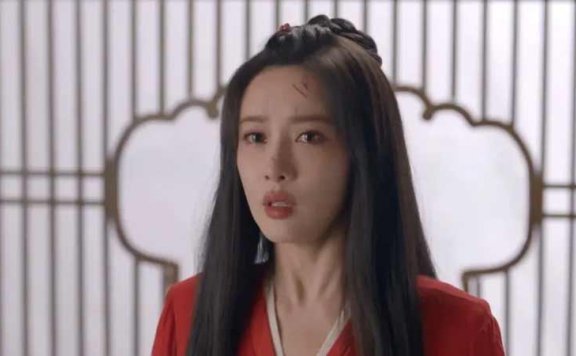
Duel on Mount Hua: Why This Jin Yong Adaptation Divided Fans
The return of Jin Yong's martial arts epics to television in 2025 was met with immense anticipation. Duel on Mount Hua (华山论剑), a series structured in four distinct units – promised a fresh exploration of the beloved Wuxia universe. Initial reactions, however, revealed a stark divide among viewers. The series became a talking point not just for its grand production, but for the contrasting quality between its opening chapter and the powerful resonance of its second act. It presented a complex picture of ambition, adaptation choices, and ultimately, the enduring power of Jin Yong's characters when given nuanced space to breathe. Jiuyin Zhenjing Focusing on Mei Chaofeng (梅超风) and her origins, the Nine Yin True Sutra (九阴真经) unit aimed to flesh out backstories only hinted at in Jin Yong's original The Legend of the Condor Heroes (射雕英雄传) or its classic 1983 adaptation. Mei Chaofeng, originally named Mei Ruohua (梅若华), is depicted from her tragic childhood, orphaned and mistreated, to her rescue by the formidable Huang Yaoshi (黄药师) and life on Peach Blossom Island. The intention to expand on her motivations, her complex bond with fellow disciple Chen Xuanfeng, and the dynamics leading to their betrayal was clear. Yet, this expansion… -
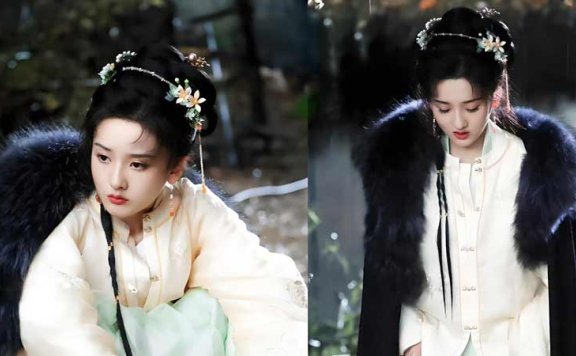
How China's Actresses Are Rewriting History Through Fabric
The camera pans across a tea garden, lingering on Gulnazar as her fingers dance over the Guqin (古琴). It’s not just the melody of Glory (玉茗茶骨) that captivates; it’s the silent narrative woven into her Ming Dynasty attire – a robe embroidered with gold thread against deep, resonant hues. This moment, captured in a single leaked still, ignited more than fan chatter; it sparked a nationwide fascination with Ming aesthetics. Actresses like Yang Zi, and Gulnazar aren't merely wearing costumes; they're embodying an era, proving that historical accuracy can be breathtakingly modern. Beyond the Brocade Gone are the days of generic "ancient" costumes dominated by flimsy silks and anachronistic designs. Song Zuer’s portrayal in Biao Mei Wan Fu (表妹万福) offered a revelation: Ming fashion could be refreshingly delicate. Her sky-blue short jacket, paired with a crisp white horse-face skirt (Mamianqun) edged in indigo, presented an aristocratic elegance far removed from stifling opulence. Audiences noted the quiet confidence it projected, a stark contrast to the exaggerated finery often seen. Then came Yang Zi in Jia Ye (家业). Dressed not as nobility but as an artisan, her practical work clothes – sturdy fabrics, precise cuts – spoke volumes about Ming societal structure and… -
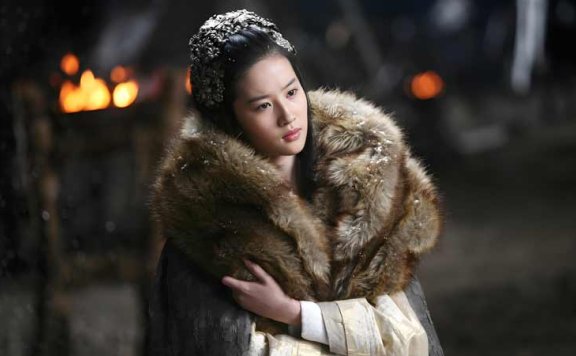
How 3 Actresses Revive Classical Hanfu Beauty
Amidst the ever-shifting sands of cinematic fashion, a quiet revolution unfolds: the return of authentic Hanfu aesthetics. Gone are the days of excessive ornamentation and anachronistic "violation structures"; audiences now crave the distilled elegance that defined historical dramas of the past. This resurgence isn't mere nostalgia; it's a celebration of how meticulously crafted simplicity – the drape of ancient fabrics, the gleam of silver adornments, the subtlety of period-accurate hairstyles – can amplify storytelling and etch characters into memory. Three actresses, through distinct roles, embody this powerful return to form, proving that true visual poetry lies in honoring the past. 1. Liu Yifei (刘亦菲) Few images linger as powerfully in Chinese cinematic history as Liu Yifei's portrayal of Yu Ji (虞姬) in White Vengeance (鸿门宴传奇). Stripped of elaborate modern hairdos or distracting embellishments, her performance relied on raw grace and impeccable authenticity. The costume spoke volumes: flowing robes reflecting the dignified austerity of the Han dynasty, paired with broad, intricately worked silver headpieces that shimmered with every movement, capturing the character's ethereal spirit. This near-minimalist approach created a visual purity, making the tragic farewell between Yu Ji and her lord, Xiang Yu (项羽), profoundly resonant. Liu Yifei's innate elegance merged… -
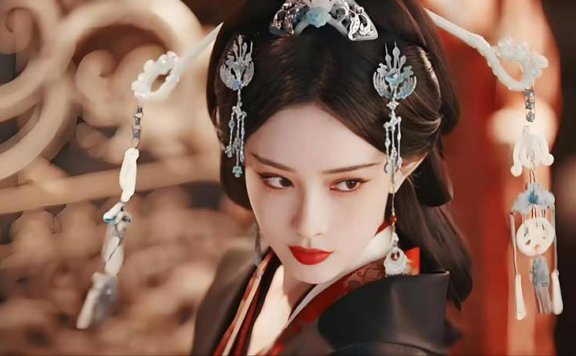
Baihua Sha: Can Scent Decide an Empire's Fate?
Move over, sugary romances and time-travel tropes. China's 2025 historical drama landscape is shifting toward intricate plots and compelling characters. Enter Baihua Sha (百花杀), a Tencent Video and Yaok Entertainment production generating significant buzz. Starring the magnetic Meng Ziyi (孟子义), this series blends political intrigue, suspense, and romance into a rare concoction. At a time when blockbuster historical fantasies feel formulaic, Baihua Sha isn't just taking a different path – it aims to lead the way. The Scent of Intrigue What does the "kill" in its Chinese title truly mean? Is it poisoned petals? Fatal attraction? The cold calculus of court politics? Baihua Sha sets itself apart by rejecting simplistic love stories. Instead, it weaves suspense, power struggles, and complex relationships into a meticulously crafted narrative. Princess Shen Xihe (沈汐和) isn't merely royalty; she's a master perfumer. Her dual identity isn't just prestigious – it's the key to the plot. Fragrances become weapons, masking deadly intentions within floral notes. The series draws from a popular source novel boasting over 38,000 reads and a 78.2% recommendation rate on WeChat Read, primarily among women aged 18-35. This indicates a built-in, highly engaged audience perfectly aligned with platform algorithms favoring strong interaction and… -
Why Doesn't Yue Yunpeng Wear His Hanfu Clothes Properly?
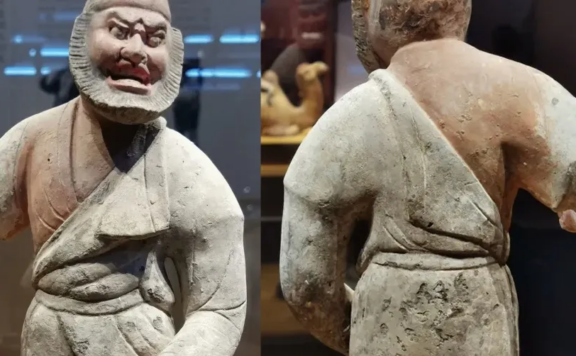
Yue Yunpeng, why don't you wear your clothes properly! In the ancient costume drama The The Lychee Road, when Yue Yunpeng's character Zheng Ping'an makes his first appearance, he is sloppily dressed and wears what seems like a "mini skirt". The CP combination with Lei Jiayin's Li Shande makes people can't help laughing. Is this "mini skirt" deliberately done for the drama effect or did such a garment really exist in history? First, let's state the conclusion. This is a common Tang-style inner garment in the round - necked robe, which can be simply called "Banbi" (半臂) according to its appearance features. Generally speaking, this kind of Banbi inner garment has two functions. In the Tang Dynasty, both civil and military skills were highly valued. This inner garment can support the shoulder contour of the outer round - necked robe, making the figure look more upright. Also, it can be conveniently worn with the chest exposed in hot summer or during sports. Since it is used as an inner garment, natural and breathable materials such as linen are usually used. "Banbi" also has another name, "Banxiu" (半袖). It is a very special short - sleeved top in ancient China. Its… -
Why Are Women's Faces So Red in Cdramas?
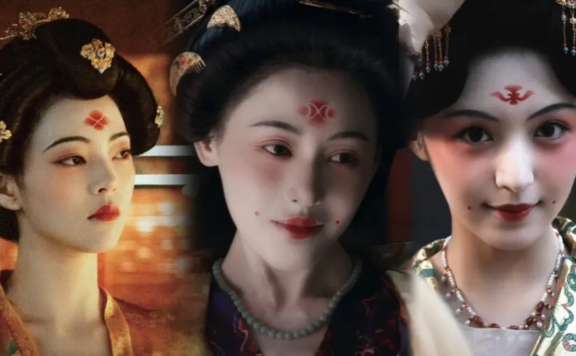
The Tang-style makeup and hairstyles nowadays indeed seem different from before. You may wonder why there are such obvious red patches on their faces, even to an exaggerated degree. Actually, this is a kind of classical makeup called 'Jiuyunzhuang' (酒晕妆). As the name implies, it resembles the blush after getting drunk. The bold 'red makeup' became the mainstream of facial makeup as women became more confident and independent. It was extremely popular, with many noble ladies applying rouge to their entire cheeks, including the upper eyelids, half of their ears, and the lower jaw. This boldness and preference for red was a popular makeup style during the reign of Empress Wu Zetian and the prosperous Tang Dynasty (even until the Five Dynasties), which was rare in other dynasties. 'Zhuangtaiji' (妆台记) clearly states, 'For a beauty's makeup, after applying powder on the face, mix rouge in the palm and apply it to both cheeks. The thick one is called Jiuyunzhuang; the light one is 'Taohuazhuang' (桃花妆); applying a thin layer of red and covering it with powder is 'Feixiazhuang' (飞霞妆).' It's evident that 'Jiuyunzhuang' is the most extreme one, also known as 'Yunhongzhuang' (晕红妆) and 'Zuizhuang' (醉妆). In Tang Dynasty paintings… -
Bai Lu's Hair Accessories in Cdrama Feud
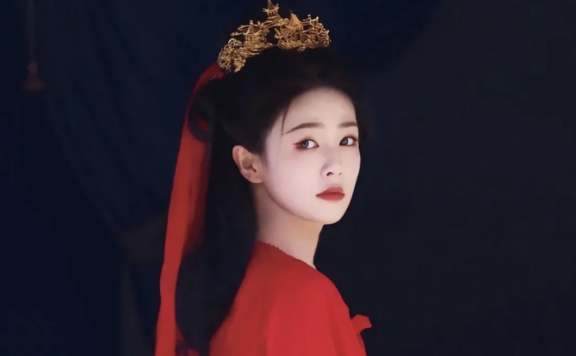
What exactly is the hair accessory worn on the head of Li Qingyue, played by Bai Lu in Feud (临江仙)? When did pavilions and towers start being used as direct head ornaments? What does this hairpin symbolize? Does it have any special origin? First, let's get to the conclusion. This kind of hairpin with the design of celestial mountains and pavilions on the sea was quite popular among noblewomen in the Ming Dynasty. It symbolized the family's status and supreme glory and represented the ancient people's beautiful vision of ascending to immortality. It's said that "immortals prefer to live in buildings". The Book of Han mentions that immortals live in palaces made of gold and silver. So, does wearing this hairpin with pavilions bring one closer to ascending to immortality? If we talk about it, this kind of hairpin actually has a cultural relic prototype. Although it's not as large and exaggerated as the current props in TV dramas, it's even more delicate. The gold hairpin of Concubine Wan, the wife of Prince Yizhuang (Zhu Houye) of the Ming Dynasty, not only features pavilions and towers in a tiny space above the hairpin. There are also statues and attendants in… -
What Clothes Did Ancient Champions Wear?
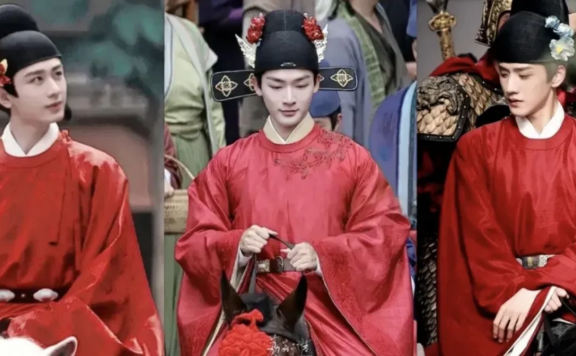
As the college entrance examination kicks off, do you also reminisce about the days when you were preparing for the exam? The clothing that ancient scholars yearned to wear throughout their lives was the robe of a Jinshi (进士, successful candidate in the highest imperial examination) after passing the exam. May all students inherit the good luck from ancient times and see their dreams take flight from now on! Let's start with the conclusion. As the poem goes, "In proud triumph my horse gallops with ease; I view all flowers in Chang'an in one day." After succeeding in the imperial examination, ancient scholars didn't don the Western academic gowns we see today! It's crucial to note that China's academic gowns should have their own heritage. After scholars became Jinshi or champions, they would have different attires. This once in a lifetime honor made people eager to have their portraits painted. The champion would be specially granted a set of imperial - bestowed clothing. You know, being the champion is called "the greatest honor under heaven" and is the highest honor in the imperial examination system. Let's proceed in order. On the day of the announcement of the examination results after… -
Zhao Qing: Hanfu Queen to Qipao's Timeless Statement
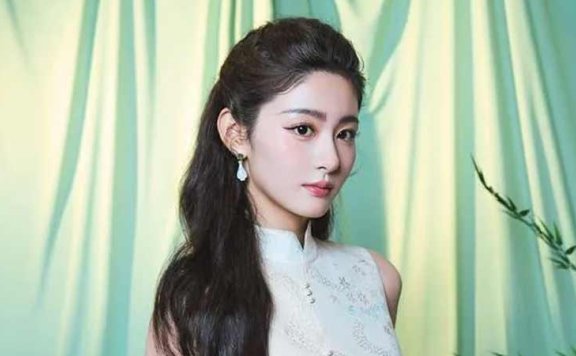
When Zhao Qing's sleeveless Qipao photos ignited the internet, it wasn't just about fashion; it was a quiet revolution against manufactured perfection. At 24, the actress and former Hanfu sensation reminded everyone what authentic grace looks like. Unlike the heavily filtered, often soulless celebrity images flooding social media, Zhao Qing’s (赵晴) pictures radiated effortless charm. Clad in a simple, short, ivory Qipao with no distracting jewelry, she leaned against a railing, a silk fan held loosely. Her almond eyes crinkled with a genuine smile that reached their corners, projecting an aura of relaxed elegance straight from a vintage poster. This wasn't a pose; it felt like a glimpse into a moment of serene confidence. Hanfu Queen Long before the Qipao moment, Zhao Qing captivated millions as "Whole Wheat Walnut" on Douyin. Her mastery of traditional Hanfu, from the flowing Quju (曲裾) robes to intricate hair ornaments like Buyao (步摇), earned her the title "Most Beautiful Hanfu Model." Standing at 170cm, she was a natural muse. While others chased trends, she immersed herself in the historical nuances of different dynasties' attire and etiquette. Her focus wasn't fleeting popularity; it was understanding the cultural weight and aesthetic principles behind the garments, cultivating…
