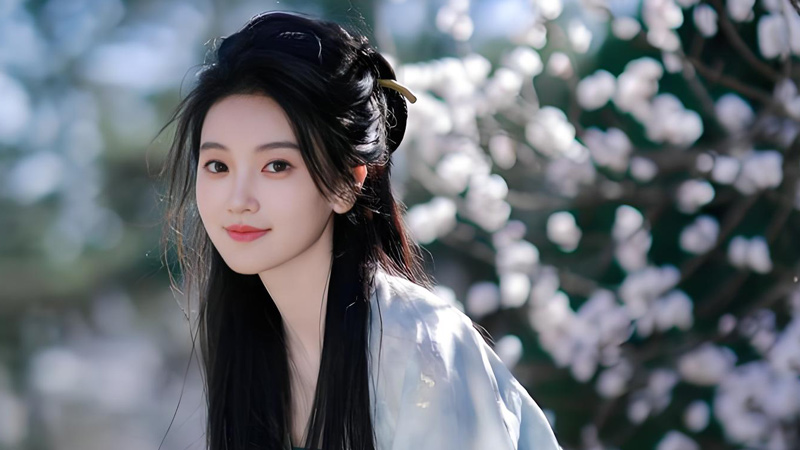
Gone are the days when Hanfu resided solely within museum displays or historical reenactments. Today, these flowing robes, rooted in millennia of Chinese tradition, are experiencing a vibrant resurgence, gracefully navigating the bustling streets and digital landscapes of contemporary life. This isn't merely a nostalgic revival; it’s a dynamic reinvention. Young people across China and the globe are embracing Hanfu not as a costume, but as a personal style statement, a tangible connection to heritage seamlessly interwoven with the fabric of the 21st century.
The intricate silhouettes and symbolic details speak of ancient philosophies, yet they are now paired with modern confidence, proving that tradition can not only survive but thrive amidst skyscrapers and smartphones. This movement transcends fashion; it's a cultural dialogue, a quiet assertion of identity where history walks confidently into the present.
Weaving Through Dynasties
Hanfu's journey is a tapestry woven through the very fabric of Chinese civilization. Its origins, traced symbolically to the legendary Yellow Emperor, evolved significantly across successive dynasties, each imprinting its distinct aesthetic and societal values. Shang and Zhou periods established the foundational "upper garment, lower skirt" structure, a visual representation of heaven and earth. The Qin and Han dynasties introduced the majestic deep robe, its continuous fabric symbolizing unity and the profound connection between humanity and the cosmos.
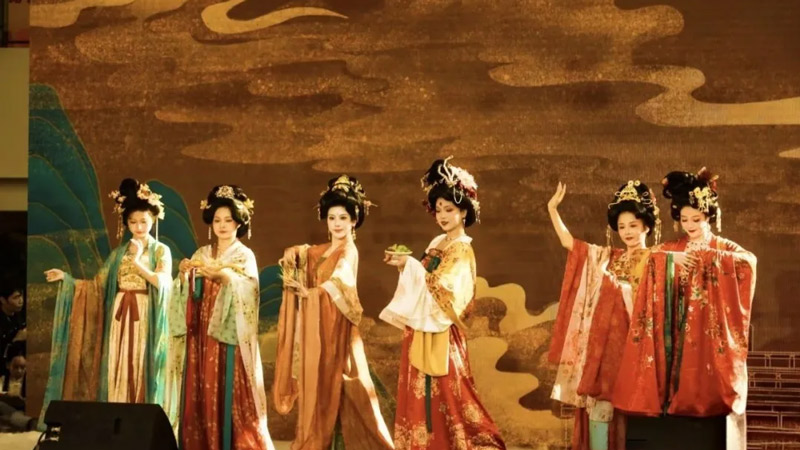
The cosmopolitan Tang era witnessed a flourishing of styles, marked by high-waisted Ruqun that flowed with unparalleled grace, reflecting an era of openness and cultural exchange. Song aesthetics favored refined elegance and practicality, popularizing the versatile Beizi (褙子) jacket and the meticulously pleated Mamianqun (马面裙). Ming designs continued this trend towards structured sophistication. Far more than mere clothing, each dynastic shift in Hanfu design mirrored societal changes, technological advancements in textiles, and evolving philosophical currents, transforming garments into living chronicles.
Philosophy in Every Fold
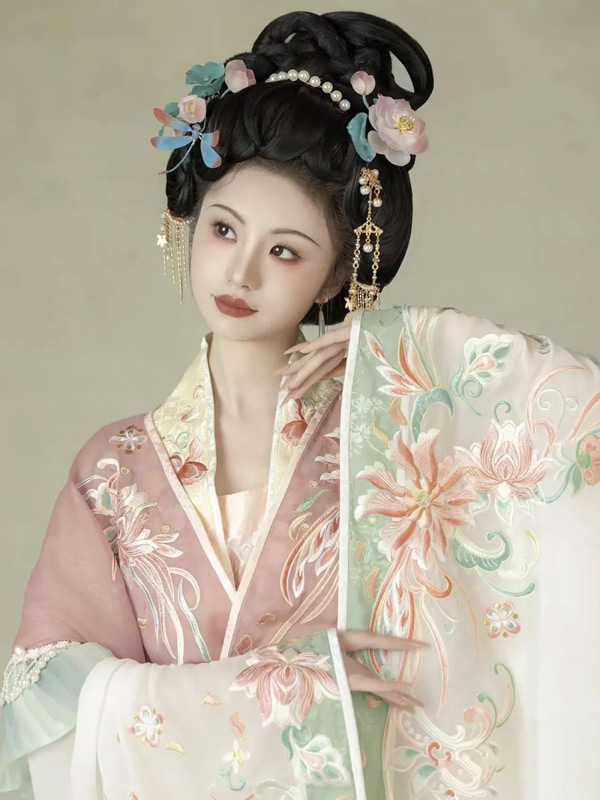
The elegance of Hanfu transcends visual appeal; it embodies profound philosophical principles central to traditional Chinese thought. The consistent right-over-left closure is more than a fastening method; it signifies cultural propriety and the harmonious balance of yin and yang. The expansive sleeves and flowing skirts are not merely dramatic; they symbolize the Confucian ideal of broad-mindedness and the Daoist appreciation for natural, unrestrained movement.
This design intelligence manifests in the very structure. Hanfu often achieves its form through ingenious knotting and strategic hidden fastenings, a testament to the principle of "great simplicity". Elements like the jin (衿), mei (袂) and the precise tailoring of skirts like the Mamianqun demonstrate a sophisticated understanding of geometry and proportion. Every component, from the curvature of a collar to the fall of a pleat, integrates philosophical concepts of balance, natural order, and the relationship between the individual and the universe into wearable art.
Street Style Renaissance
The most compelling chapter in Hanfu's modern story is its transition from ceremonial wear to everyday wardrobe. Enthusiasts are masterfully adapting ancient styles for contemporary contexts, proving their versatility beyond special occasions. The understated elegance of Song dynasty jackets and skirts offers perfect office attire when paired with modern trousers or simple flats. The playful silhouette of Tang dynasty Ruqun brings a touch of historical fantasy to weekend markets or cafe meetups.
Practicality and personal expression drive this integration. Footwear choices effortlessly bridge eras – sleek loafers, minimalist sneakers, or even rugged boots ground the flowing fabrics without clashing. Modern accessories like structured leather bags, contemporary jewelry, or a stylish berate add distinctive flair. Seasonal adjustments are intuitive: light linen or ramie for summer, layered with warm under-robes or cloaks, and accessorized with knitted scarves or capes in winter. This pragmatic approach demystifies Hanfu, making its beauty accessible for commuting, studying, or simply enjoying a city park.
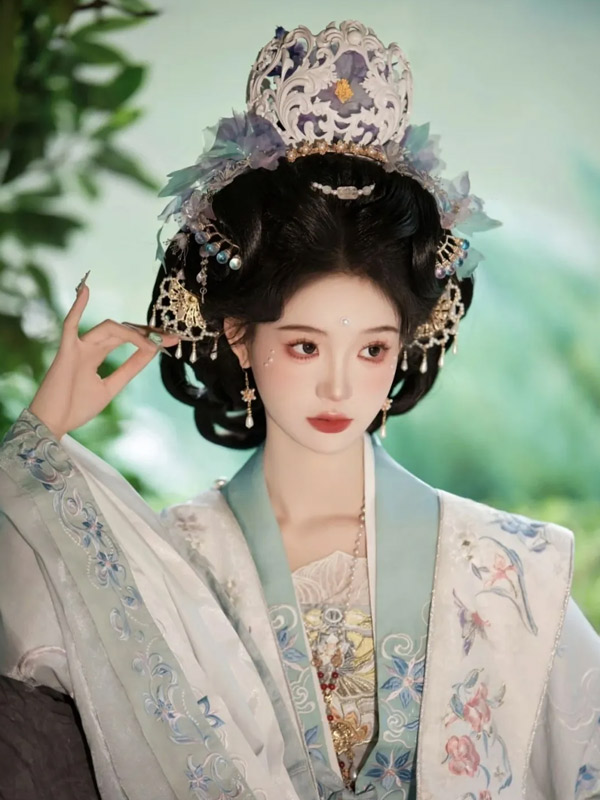
The modern Hanfu movement is less about recreating a static past and more about reclaiming a living heritage for personal expression. It demonstrates that cultural identity isn't confined to rituals; it can be woven into the mundane moments of daily life. Wearing a Song dynasty Beizi with jeans isn't a dilution of tradition; it's a declaration that these ancient aesthetics remain relevant, adaptable, and deeply personal. As silk and linen mingle with urban concrete and digital feeds, Hanfu ceases to be a relic and transforms into a vibrant, evolving language of style and self, proving that the most enduring traditions are those that find new ways to breathe within the present.