The cheongsam, with its high collars and sinuous lines, transcends mere attire—it becomes a canvas for storytelling. In Chinese cinema, this iconic garment amplifies character depth, historical nuance, and feminine power. Beyond fabric and stitch, it embodies restraint and rebellion, tradition and transformation. These 7 actresses didn’t just wear cheongsam; they breathed life into its legacy, each carving a distinct niche in cultural memory. From repressed longing to regal defiance, their performances prove that true elegance lies in nuance.
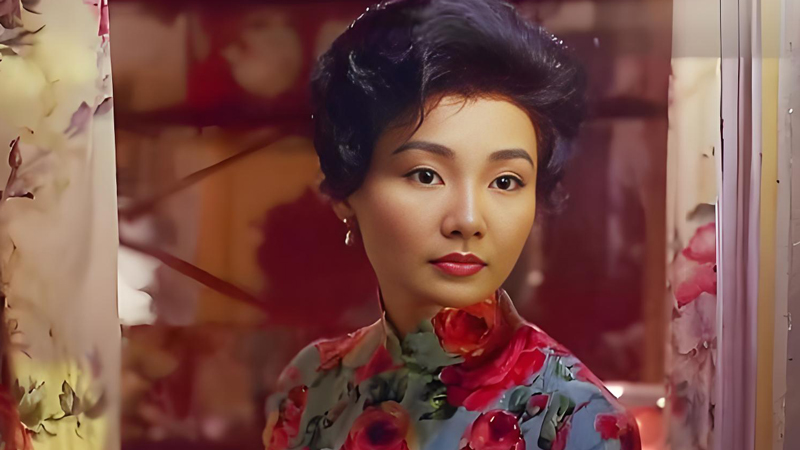
Maggie Cheung (张曼玉)
In In the Mood for Love (花样年华), Maggie Cheung’s 23 cheongsams function as emotional armor. Each hue—emerald, ruby, obsidian—mirrors suppressed desire in 1960s Hong Kong. Her posture, rigid yet fragile, turns fabric into a language of solitude. When she lowers her gaze, the rustle of silk echoes louder than dialogue. This isn’t costume design; it’s visual poetry, where cloth cages a storm of yearning.
Cheung’s genius lies in minimalism. A fingertip tracing a teacup’s rim, a hesitant step down narrow stairwells—every gesture is amplified by the cheongsam’s constraints. Director Wong Kar-wai used its structure to mirror societal pressures, transforming fabric into a metaphor for unspoken rules. The result? A performance where silence screams through sequins.
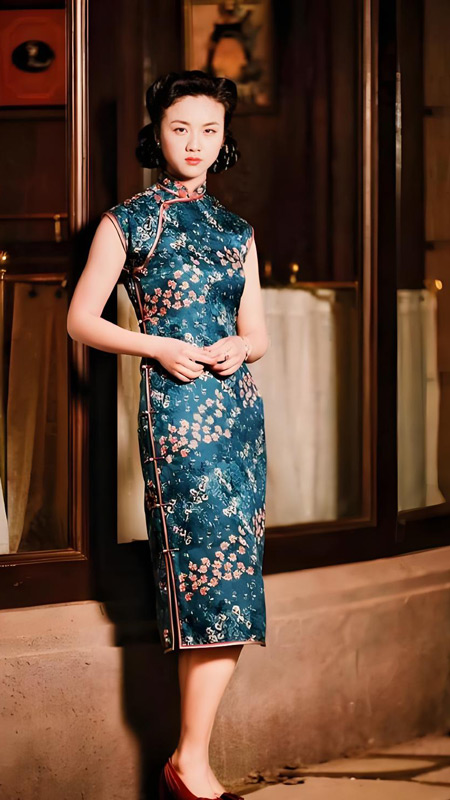
Tang Wei (汤唯)
Lust, Caution (色·戒) redefined the cheongsam as a weapon. Tang Wei wears tailored Qipaos like camouflage, her elegance a tactical maneuver. Beneath jade brocades, she hides calculated seduction and paralyzing fear. The film’s pivotal mahjong scene weaponizes fashion: as she discards tiles, her sapphire cheongsam distracts while her eyes betray lethal intent.
Tang’s portrayal shatters the "femme fatale" trope. Her vulnerability—a trembling lip, a too-quick breath—exposes the human cost of espionage. The cheongsam’s embrace becomes both shield and shackle, its beauty a double-edged sword. In the final betrayal, blood blooms on beige silk, staining idealism with sacrifice.
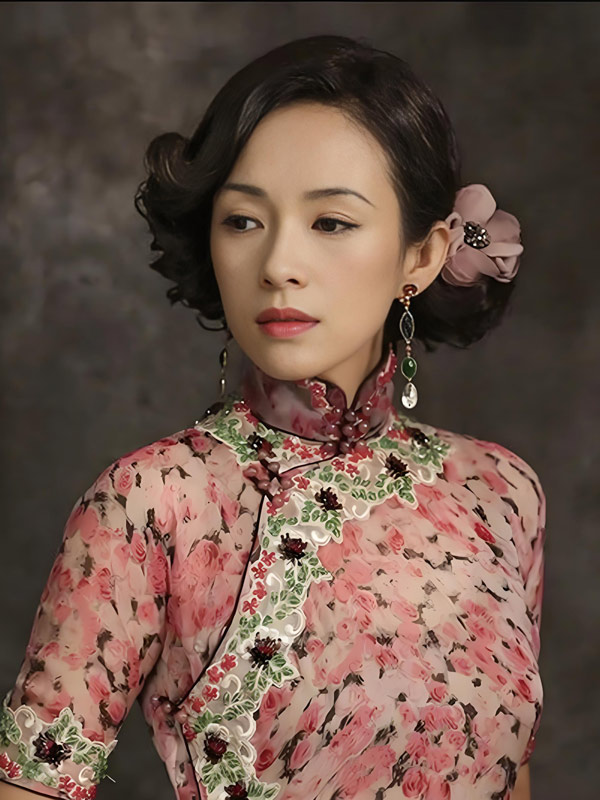
Zhang Ziyi (章子怡)
The Grand master (一代宗师) demanded martial rigor beneath elegance. Zhang Ziyi’s fights in midnight-blue cheongsam, her movements razor-precise. Where others see constraint, she finds kinetic potential—a high kick concealed by flowing silk, joint locks executed with embroidered grace. Her wardrobe whispers: tradition is discipline, not limitation.
Costume designer William Chang merged northern practicality with southern artistry. Gong’s wool-blend cheongsams withstand combat while retaining Qing dynasty motifs. Zhang’s performance elevates the garment to armor; when she declares, "This line, I draw it myself," the cheongsam becomes her manifesto. Every pleat holds the weight of legacy.
Ni Ni (倪妮)
The Flowers of War (金陵十三钗) climaxes with Ni Ni’s Yu Mo in crimson brocade. As Japanese soldiers advance, her cheongsam transforms from seduction to defiance—a flag of resistance. Director Zhang Yimou used color symbolically: red for blood, courage, and unyielding spirit. Ni’s towering headdress and gold-threaded gown reclaim opulence as protest.
Ni Ni embodies "magnificent ruin." Her Yu Mo is a courtesan sacrificing vanity for valor, the cheongsam’s grandeur underscoring her metamorphosis. When she strums the pipa atop a rubble pile, silk and stone collide—a requiem for beauty in wartime.
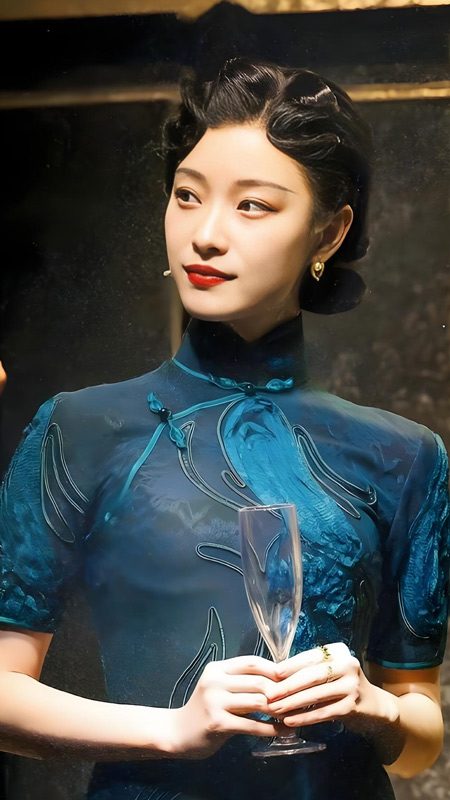
Anita Mui (梅艳芳)
Anita Mui: Her lavender stage cheongsam in Intimate Lover (亲密爱人) fused glamour with grit. Slit to the thigh, it channeled cabaret realism—a working woman’s uniform where sequins hid sweat.
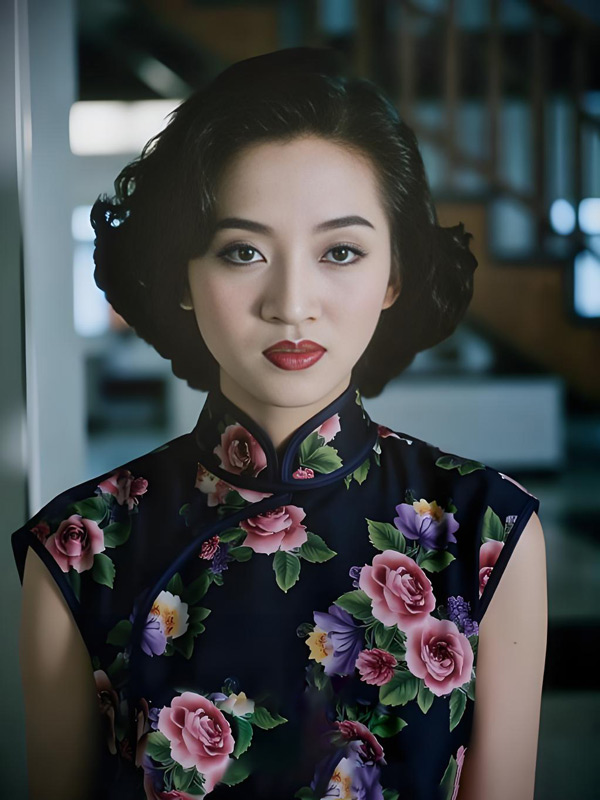
Chen Shu (陈数)
Chen Shu: Shanghai Bund (新上海滩) showcased her as a teahouse matriarch. Jade-buttoned cheongsams projected authority; her poise turned parlors into power centers.
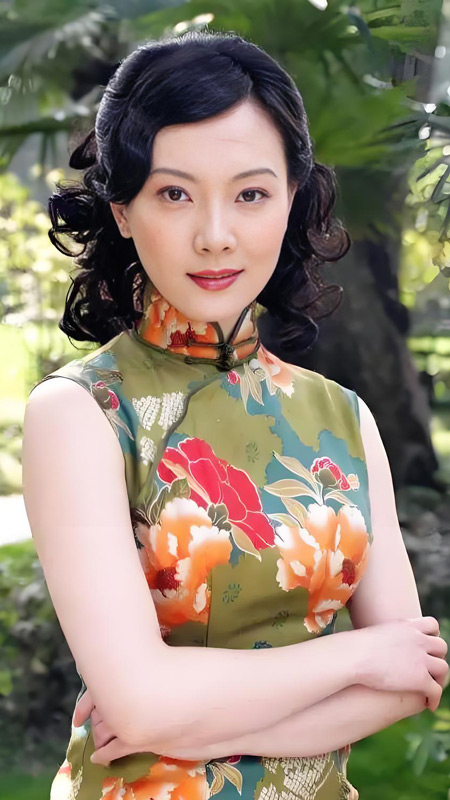
Song Yi (宋轶)
Song Yi: The Disguiser (伪装者) and Luoyang (风起洛阳) saw her reinvent the republican-era style. Delicate florals masked steel resolve, proving cheongsam suits revolutionaries, too.
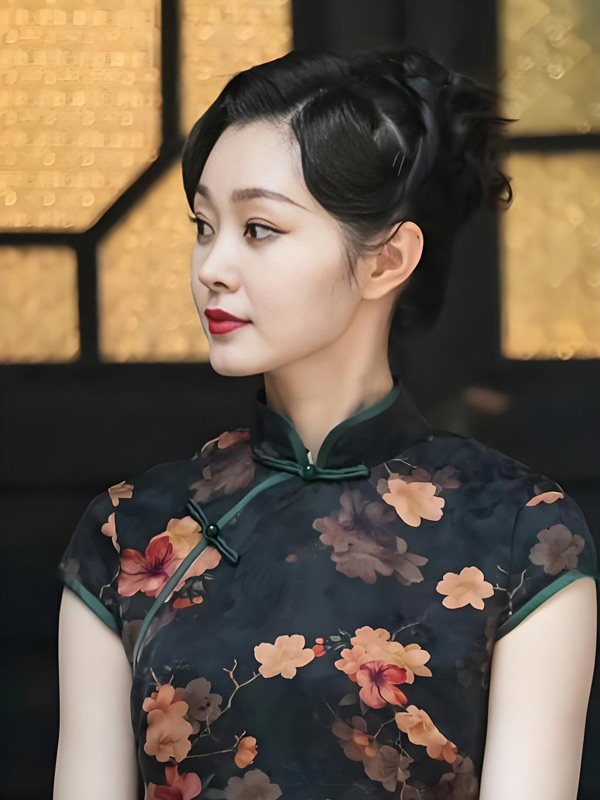
Ultimately, these icons remind us: cheongsam is not a relic, but a revolution. It carries the whisper of restrained women who roared through stitch and seam. Whose silhouette resonates with you?