Article
Search results:
-
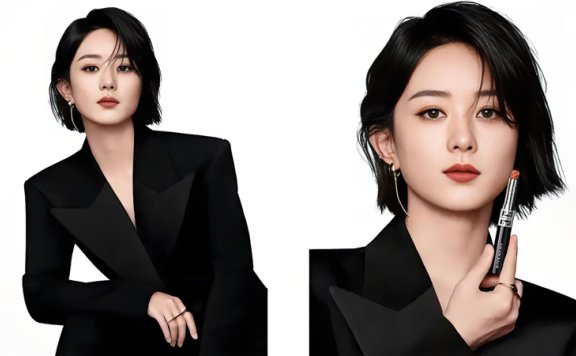
Zhao Liying Named Givenchy Global Makeup Ambassador
From provincial heroine to global icon, Zhao Liying’s (赵丽颖) appointment as Givenchy Beauty’s first Chinese global spokesperson marks a cultural watershed in luxury branding. Her journey mirrors the characters she embodies – resilient, sophisticated, and unapologetically authentic. The Unstoppable Ascent Zhao Liying’s trajectory defies conventional stardom. Emerging from rural Hebei province, she transformed early criticism about her "rustic" image into a narrative of reinvention. Roles like Minglan in The Story of Minglan (知否知否应是绿肥红瘦) and Xu Banxia in Wild Bloom (风吹半夏) showcased her ability to portray women navigating patriarchal systems with quiet strength. This artistic authenticity resonates beyond screens. Her 70 million-strong fanbase, who flooded social media with "Finally!" upon her Givenchy announcement, see their own struggles reflected in her perseverance. Her evolution parallels China’s shifting beauty ideals. Where luxury brands once exclusively favored Western or ethnically ambiguous faces, Zhao’s distinctly Chinese features – her almond eyes and porcelain complexion – now front a Parisian maison. Givenchy Beauty CEO Romain Spitzer highlighted her "independent confidence and elegant charm," qualities mirroring the brand’s haute-couture heritage. The campaign, shot near Givenchy’s historic Georges V Avenue atelier, positions Zhao not as an outsider, but as an integral thread in the brand’s tapestry. The visual… -
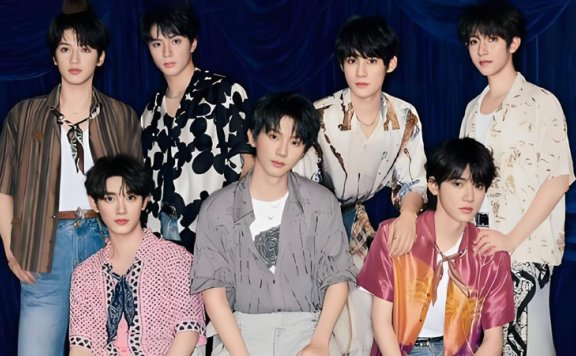
Teens in Times: End? Speculation and Unity
The whispers ripple through fan forums and entertainment news: is the era of Teens in Times (时代少年团), the junior sibling group to TFBOYS, nearing its end? Fueled by rumors of individual studios and perceived career sacrifices, the desire for solo flight burns brightly among segments of their massive fandom. Yet, beneath the surface drama of academic controversies, fledgling acting attempts, and variety show hustle, lies an unyielding reality. Teens in Times remains fundamentally bound, not just by contract, but by the intricate machinery of China's idol industry and the strategic imperatives of their powerhouse agency, Time Fengjun Entertainment (时代峰峻). Dissolution isn't on the horizon; it's a distant mirage obscured by the group's undeniable commercial synergy and the individual members' current reliance on the collective brand. The Fragile Wings of Solo Ambition Scanning the landscape of Teens in Times members' individual pursuits reveals a stark picture: potential exists, but proven, standalone stardom remains elusive. Ma Jiaqi (马嘉祺), despite gaining recognition on Singer 2025, remains tethered to the public memory of his past academic controversy. His journey on the show, often placing near the bottom, fueled speculation rather than solidifying a solo music identity. Song Yaxuan (宋亚轩), navigating his final year at… -
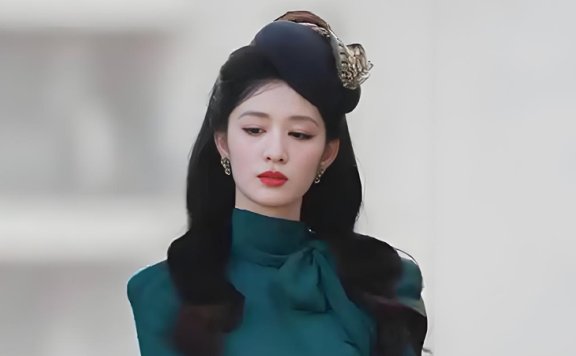
Republican-Era Costumes: Visual Storytelling in Costume Dramas
The resurgence of Republican-era aesthetics in contemporary Chinese cinema has become a visual feast, where costumes transcend mere clothing to embody character essence. Leading actresses of the post-85 generation are redefining historical narratives through meticulously crafted wardrobes, blending tradition with modern sensibilities. Wang Churan’s (王楚然) haunting elegance, Liu Yifei’s (刘亦菲) timeless grace—each ensemble stands as a silent narrator of turbulent times. This sartorial renaissance not only revitalizes period dramas but elevates them into cultural conversations, proving that fabric and silhouette can articulate emotions words often fail to capture. Visual Poetry in Motion Wang Churan’s transformation in Zhe Yi Miao Guo Huo (这一秒过火) epitomizes the power of Republican-era costuming. Her midnight-black gown and wide-brimmed hat create a chiaroscuro effect, sharpening delicate features into ethereal relief . Yet it’s her moon-white qipao that etches itself into memory: silk whispering against grey-brick backdrops, slit skirts revealing pearl-hued stockings, and jade bracelets clicking like metronomes to her movements. The ensemble merges restraint with sensuality—a collar clasped to the throat contrasting with the fluidity of draped sleeves. Liu Yifei’s legacy as Bai Xiu-zhu (白秀珠) in The Story of a Noble Family (金粉世家) remains unmatched, her teenage portrayal still shaping Republican archetypes. Decades later, her ability… -
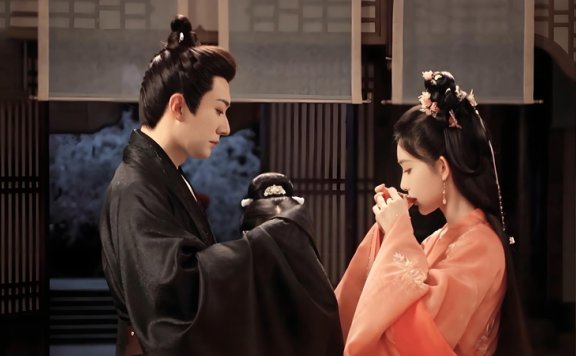
The Princess's Gambit: Wins, Flaws, Liu’s Struggle
The Princess's Gambit (桃花映江山) captivated audiences with exquisite visuals and strong lead chemistry but ultimately disappointed with fragmented plot developments and an unsatisfying ending. This article examines its strengths, narrative flaws, and Liu Xueyi’s (刘学义) struggle to find consistent dramatic success. A Visually Arresting Start The Princess's Gambit launched with significant promise, largely driven by Liu Xueyi and Meng Ziyi’s (孟子义) remarkable screen presence. Both actors, celebrated for their recent popular projects, brought undeniable charisma to their roles. Meng Ziyi’s rise from supporting parts to leading lady generated organic interest, while Liu Xueyi’s commanding portrayal of the guarded strategist Shen Zaiye (沈在野) anchored the early episodes. The drama’s production design deserved praise, with meticulous costumes and sets establishing a tangible historical atmosphere. Scenes between the leads crackled with tension, blending intellectual sparring and reluctant attraction. Shen Zaiye’s suspicion of Jiang Taohua (姜桃花) as a potential spy created compelling friction, while her resourcefulness in life-threatening situations showcased her resilience. This dynamic laid a solid foundation for their evolving relationship. Audiences responded enthusiastically to the initial episodes, drawn by the sophisticated aesthetics and the leads’ magnetic performances. The blend of political intrigue and slow-burn romance offered a refreshing take on the historical… -
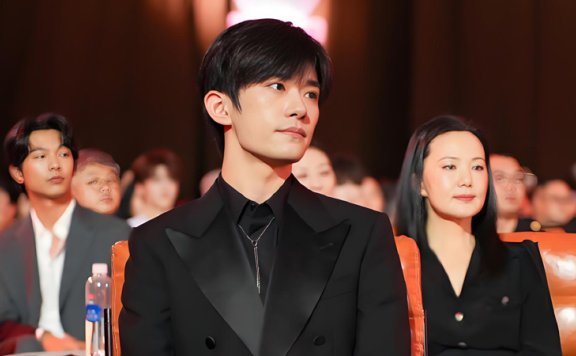
Jackson Yee Takes Unanimous Best Actor for Big World
The unexpected resonated through Beijing on July 15th. Jackson Yee, became the youngest recipient ever of the Best Actor award from the China Film Directors' Guild (2024). His transformative performance as Liu Chunhe (刘春和), a young man navigating life with cerebral palsy in the film Big World (小小的我), secured unanimous approval from the judging panel, a rarity that silenced lingering doubts about young performers' capabilities. This victory transcended personal achievement, signalling a shift in industry expectations and audience appreciation for actors emerging from idol backgrounds. Unanimous Acclaim: A Defining Performance Directors, including industry veterans like Wuershan (乌尔善), described Yee's portrayal as simply "too outstanding" to ignore. The audacity of a 23-year-old embracing such a physically and emotionally demanding role immediately set him apart. His Liu Chunhe communicated volumes not through grand gestures, but through meticulously crafted micro-expressions and constrained, authentic physicality. He captured the character's internal landscape – the simmering frustration, quiet resilience, and profound vulnerability – with a depth that rendered his pop idol origins a distant memory. The role demanded more than acting; it required immersion. Preparation was relentless. Months before filming commenced, Yee dedicated himself to understanding cerebral palsy. He observed individuals living with the condition, studied… -
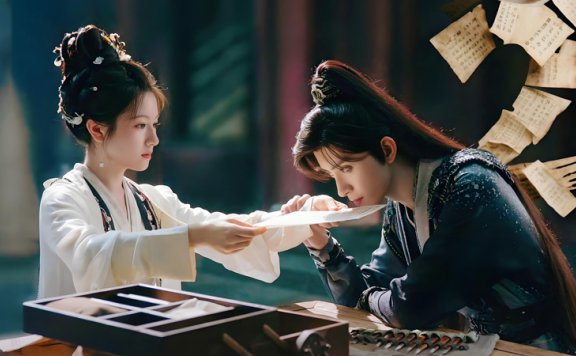
Beneath the Chilling Rain: The Power Struggle in Coroner’s Diary
Beneath Coroner’s Diary's (朝雪录) chilling rain and veiled corpses, a deeper tempest rages: the struggle for power. This acclaimed drama masterfully weaves intricate murder mysteries with profound examinations of human choice within a corrupt imperial court. As forensic investigator Qin Huan (秦莞) and military prodigy Yan Chi (燕迟) navigate a labyrinth of decaying mansions and political treachery, three pivotal male figures embody starkly divergent paths through the maelstrom. Their ultimate destinies – liberation, destruction, and disgrace – are irrevocably shaped by their responses to the siren call of authority and the weight of buried sins. This is not merely a tale of solving crimes; it’s a dissection of character under pressure, where justice demands confronting the abyss within oneself and the empire. The General's Path Yan Chi, the Shuo Xi (朔西) Army's young commander, enters Jingzhou (荆州) seemingly for a wedding feast. His true mission is far deadlier: uncovering the fate of the missing official Shen Yi (沈毅) and clearing the name of the disgraced Prince Jin. His military precision and noble bearing mask a deep commitment to justice, evident when he silently shields Qin Huan with an umbrella during a grisly rain-soaked autopsy. This quiet act of respect for… -
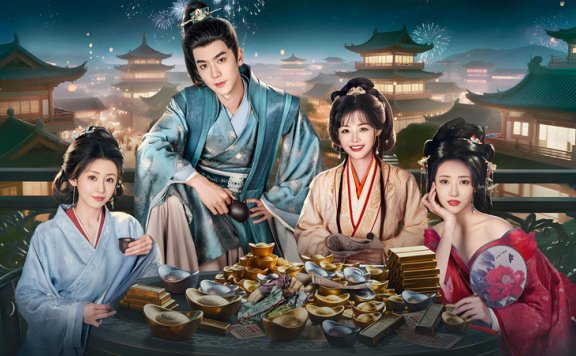
Xian Xu: Brewing Business and Laughter in Ancient Courts
Xian Xu (贤胥) injects fresh energy into historical dramas by merging commerce, comedy, and time travel. This 2025 release follows a modern underachiever who revolutionizes a fictional dynasty with bubble tea tactics and audacious business gambits. From Zero to Bubble Tea Hero Xiao Ning (Pan Yihong), a disillusioned contemporary slacker, wakes up in the Great Jing Dynasty as a despised son-in-law. Mocked by his wife’s family and stripped of dignity, he spots an opportunity in the untapped beverage market. Leveraging 21st-century insights, Xiao Ning (萧宁) crafts "ancient-style bubble tea"—a fusion of tea aromas and fermented rice wine—that ignites a local frenzy. His stall queues snake through market streets, turning copper coins into silver and humiliation into reverence. This ascent isn’t frictionless. Noble clans initially dismiss his "peasant brew," but skyrocketing demand forces them to acknowledge his disruptive influence. Xiao Ning’s triumph lies not in royal decrees but grassroots capitalism—transforming street hawking into an empire. His journey mirrors modern entrepreneurship: identifying gaps, scaling micro-ventures, and battling elitist gatekeepers who fear the power of popular taste. Comedy as a Business Strategy Xian Xu is cards the solemnity of classics like The Grand Mansion Gate (大宅门). Instead, Xiao Ning weaponizes absurdity against ancient… -
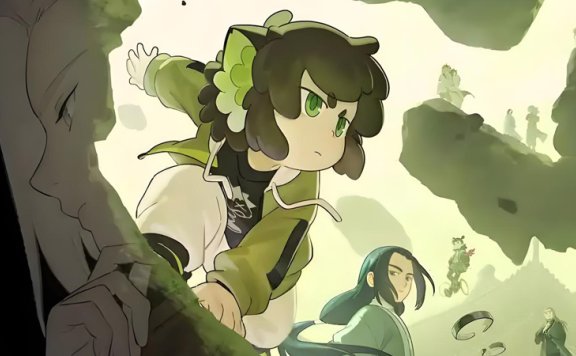
The Legend of Hei 2 Premieres July 18
The Legend of Hei 2 (罗小黑战记2) reignites the beloved saga of the cat-like spirit Xiao Hei, promising evolved battles, new allies, and a broader supernatural world. Six years after the first film, director Wooden's sequel blends signature charm with heightened stakes as Xiao Hei transitions from apprentice to protector. Shanghai’s July 14 fan event unveiled pivotal character dynamics and visual upgrades ahead of its nationwide release. The 14-year journey of "Raccoon Little Black Battle Journal" culminates in its long-awaited sequel. From 2011’s humble Flash-animated debut to a cinematic phenomenon, the series defied its "slowest-updating" reputation through endearing characters and delicate artistry. Director Wooden’s meticulous craft even drew admiration from Japanese auteur Makoto Shinkai. Now, The Legend of Hei 2 arrives July 18, continuing Xiao Hei’s tale amid escalating conflicts between humans and spirits. The Growth Sequel Xiao Hei’s growth anchors the sequel. No longer reliant solely on master Infinite’s guidance, he confronts threats with newfound confidence. Six years of training manifest in agile combat sequences where his reflexes outshine foes. Yet traces of his playful naivete remain—a strategic stumble or flustered retort still sparks laughter. This maturation stems from necessity. When an attack shatters peace at the Spirit Association branch,… -
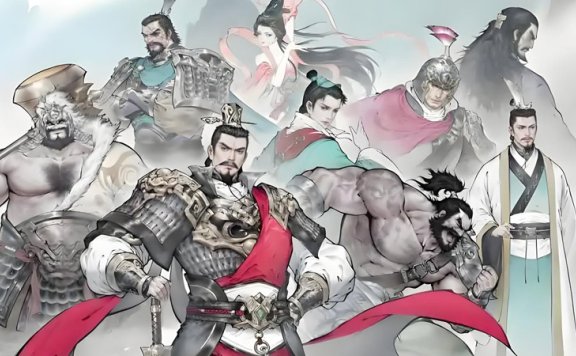
Shenzhou Saga: Three Kingdoms Revives Ink-Wash Gaming Artistry
The landscape of gaming often celebrates the future, yet a bold new title rewinds time with breathtaking artistry. Shenzhou Saga: Three Kingdoms (三国望神州), developed by Kwaiy’s "Flicker Universe," defies modern visual tropes. Instead of hyper-realism or anime vibrancy, it drapes the storied Three Kingdoms era in the ethereal cloak of Chinese ink-wash painting. This isn’t mere nostalgia—it’s a renaissance of Hanfu (traditional Han attire), reimagined through fluid strokes and subtle gradients, challenging players’ perceptions of historical immersion. As warriors stride through misty battlefields and scholars ponder amidst bamboo groves, the game proves tradition can feel revolutionary. Ink-Wash Reimagines History Shenzhou Saga: Three Kingdoms’s visual identity is its manifesto. While competitors favor saturated colors or 3D spectacle, this game embraces monochrome elegance. Mountains dissolve into washes of gray; armor gleams like wet ink on parchment. The Hanfu designs—flowing robes, wide sleeves, intricate sashes—are rendered with deliberate restraint. Shadows bloom like ink blots, and details emerge through negative space, evoking classical scrolls. This aesthetic isn’t decorative; it heightens emotional gravity. A lone general surveying a bloodied ridge feels less like a pixelated avatar and more like a brushstroke of tragedy. Historical fidelity anchors the artistry. Developers pored over Han and Jin Dynasty… -
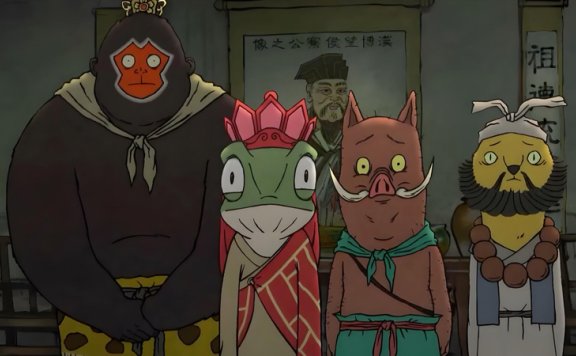
Nobody's Journey to the West: An Unlikely Quest Begins August 2
The animated comedy Nobody's Journey to the West (浪浪山小妖怪), arriving in cinemas nationwide on August 2. Instead of the revered monk and his powerful disciples, the spotlight falls on four endearing outcasts from the bottom rungs of the monster world. Zhu, a resilient pig monster; Gua, a down-on-his-luck frog spirit; Huang, a hyper-efficient weasel demon; and Xing, a timid gorilla creature, stumble into impersonating the famous pilgrims. Their haphazard mission, sparked by necessity and audacity, promises a road trip filled with absurd mishaps, surprising camaraderie, and the quest for something more than just scriptures. The Ragtag Crew Assembles Zhu, the pig monster, has spent years navigating the frustrations of Langlang Mountain life. Persistent despite constant setbacks, his sharp mind and restless spirit yearn for significance beyond menial tasks. When the idea strikes to pose as the legendary pilgrims, it's Zhu's boldness that drives the plan forward. He grabs a rake, declares himself the leader, and convinces his unlikely comrades that this chaotic scheme is their best shot at a better story. Gua, the frog spirit, finds himself unexpectedly unemployed after years spent scrubbing pots deep within a mountain cavern. His easygoing nature and knack for finding humor in the bleakest… -
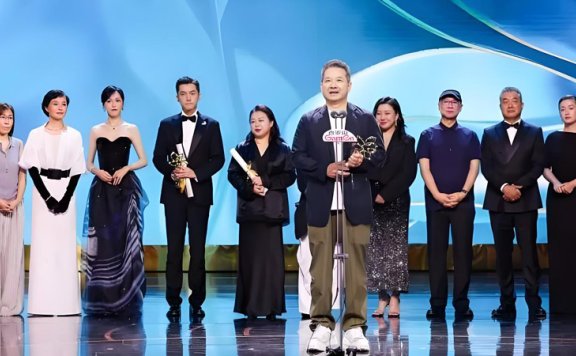
6 Chinese Actresses Redefine Victory at Shanghai's Magnolia Awards
The spotlight at Shanghai's prestigious Magnolia Awards often shines brightest on the winners, yet this year, a different narrative emerged. Several acclaimed actresses, though leaving without the coveted statuette, captured public admiration through their remarkable grace and perspective. Their responses transformed perceived loss into powerful statements about professionalism and personal growth, resonating far beyond the awards ceremony itself. These women demonstrated that an artist's true measure lies not in accolades alone, but in character revealed when the spotlight takes an unexpected turn. Zhao Liying Zhao Liying's (赵丽颖) reaction stood out for its sheer brevity and power. Facing her third nomination without a win, she could have expressed disappointment. Instead, her succinct declaration, "Keep running," became an instant symbol of resilience. This simple phrase shifted focus from the immediate result to the enduring journey of an artist committed to her craft. It acknowledged the moment without dwelling on it, signaling a forward momentum undeterred by setbacks. Fans and observers alike noted how this attitude perfectly mirrored her consistent career trajectory, marked by dedication and continuous evolution. Her words transcended the award, embodying a philosophy of perseverance applicable far beyond the entertainment industry. The public response highlighted appreciation for an outlook prioritizing… -
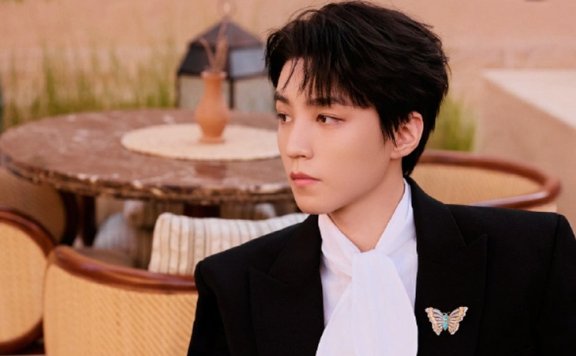
Wang Junkai Attends the 2025 Esports World Cup
Riyadh's July heat met a different kind of fire on the Esports World Cup (EWC) red carpet. Wang Junkai, stepping onto Saudi soil as China's exclusive ambassador for the 2025 tournament, ignited global attention. His appearance transcended the expected celebrity cameo, becoming a statement of evolving artistry and cultural convergence. Gone was the familiar "National Little Brother" image; in its place stood a figure radiating controlled power and international sophistication. The EWC's choice of ambassador signaled more than star power—it marked a deliberate fusion of entertainment, competitive gaming, and cultural diplomacy on the world's newest mega-stage. Sartorial Metamorphosis Wang Junkai commanded the EWC entrance in head-turning precision. A sharply tailored black Balmain single-breasted suit, defined by its assertive peak lapels, formed the foundation. It spoke of authority, meticulously crafted. Beneath it, a crisp white AMI shirt offered minimalist contrast. Christian Louboutin's signature red soles punctuated his stride with subtle luxury. Yet, the true focal point was the Buccellati gold butterfly brooch pinned near his heart. This intricate piece, far from delicate, possessed an unexpected edge—a metaphor for Wang’s own artistic transformation. His grooming completed the evolution. A severely swept-back hairstyle exposed clean, strong features, amplifying a newfound maturity. Dark sunglasses… -
The Untold Rescue Mission of Dongji Island
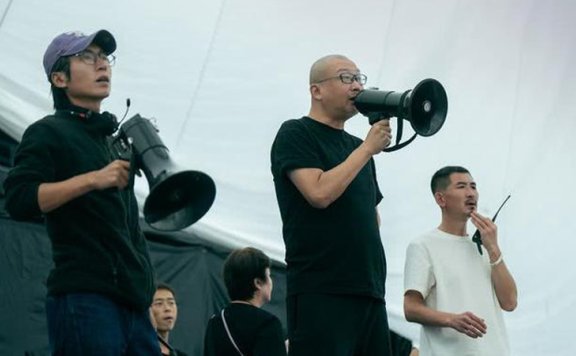
The sea holds countless secrets, but few as compelling as the story brought to light in the upcoming film Dongji Island (东极岛). Directed by Guan Hu (管虎) and Fei Zhenxiang (费振翔), this cinematic endeavor plunges audiences into 1943, when a Japanese transport ship carrying 1,816 British POWs was torpedoed near China's eastern islands. Facing certain death as their captors abandoned ship and sealed the holds, the prisoners' fate hung in the balance. Against impossible odds, local fishermen from Dongji Island launched their small boats directly into enemy fire, embodying an ancient creed: "Those in peril at sea must be saved." This act of extraordinary courage, forgotten for decades, forms the powerful core of a film six years in the making, demanding monumental effort from cast and crew to resurrect a truth the world needs to witness. Releasing nationwide on August 8th, Dongji Island stars Zhu Yilong (朱一龙), Wu Lei (吴磊), and Ni Ni (倪妮), leading an ensemble cast in a testament to human resilience. Anchored in Truth Recreating this buried history required more than sets and scripts; it demanded pilgrimage. Guan Hu and Fei Zhenxiang led their team to the actual Dongji Islands, seeking the spirit of the past where… -
Coroner‘s Diary Zhaoxuelu: A Historical Mystery with Forensic Thrills
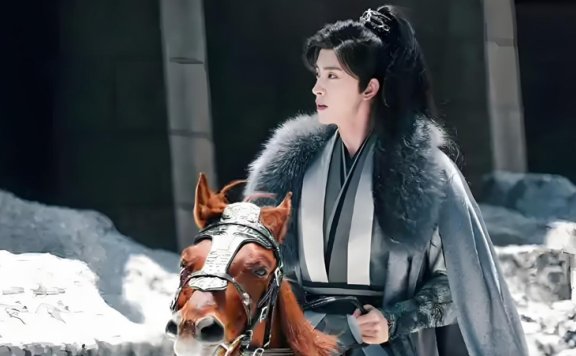
Historical suspense drama Coroner‘s Diary (Zhaoxuelu, 朝雪录) surprises audiences with a sudden July 13 premiere on iQIYI. Forensic examiner Qin Wan (秦莞) and General Yan Chi (燕迟) navigate eight chilling cases to expose imperial corruption. Li Landi (李兰迪) transforms into forensic examiner Qin Wan, hiding her identity after her family’s unjust execution. Beside her stands General Yan Chi, portrayed by Ao Ruipeng (敖瑞鹏), whose military prowess shields their investigation into eight interconnected atrocities. Their partnership anchors Zhaoxuelu, which advanced its debut by three days to dominate summer streaming. Director Li Huizhu’s (李慧珠) signature visual tension permeates previews showcasing skeletal remains in moonlit courtyards and bloodstained scrolls. This unexpected scheduling shift capitalizes on intense fan anticipation fueled by Zhou Huang’s haunting soundtrack and viral promotional clips. Premiere Strategy Shift Platform iQIYI prioritized Zhaoxuelu Files following robust early engagement metrics. Over 250,000 viewers pre-saved the series before its rescheduled launch, signaling strong market readiness. Executives moved the premiere to fill a content gap left by A Dream Within a Dream’s (书卷一梦) conclusion, avoiding direct competition with romance drama Cherry Amber (樱桃琥珀). Six consecutive episodes debuted at noon on July 13, establishing immediate narrative immersion. Audience forums buzzed with approval for the accelerated… -
How Jin Brocade Weaves Through Chinese Drama Titles
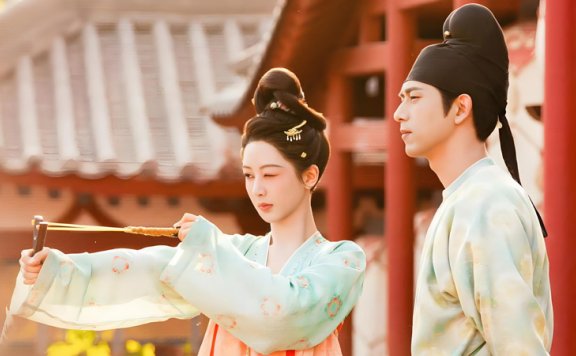
The recent phenomenon of historical dramas embracing the character "jin" (锦, brocade) in their titles, like the hit series Flourished Peony (锦绣芳华), reveals more than a fleeting trend. This linguistic choice taps into deep cultural veins, transforming titles into shimmering gateways of promise. From Colourful Life (锦绣良缘) to Under the Power (锦衣之下), "jin" functions as a multifaceted emblem—evoking luxury, craftsmanship, and narrative ambition. Its recurrence speaks to a shared visual and symbolic language between creators and audiences, where a single character conjures worlds of opulence and intrigue. Characters Woven in Gold "jin" is far more than a decorative flourish. Its linguistic structure—combining "gold" and "silk" —historically signified textiles as precious as metal. As early as the Han Dynasty, scholar Xu Shen (许慎) defined "jin" as "colorful patterned silk," while Eastern Han lexicographer Liu Xi (刘熙) noted its value "equated with gold due to meticulous craftsmanship." This heritage persists in modern dramas, where titles like The Sword and the Brocade (锦心似玉) frame protagonists’ virtues as rare and refined. The character inherently elevates a title’s stature. When paired with "xiu" (绣) in "jinxiu," it becomes "splendid" or "magnificent," transforming ordinary words into poetic ideals: Flourished Peony suggests flourishing beauty. These combinations signal… -
Fu Shan Hai: Cheng Yi's 3 Role Ignites Summer Wuxia Craze
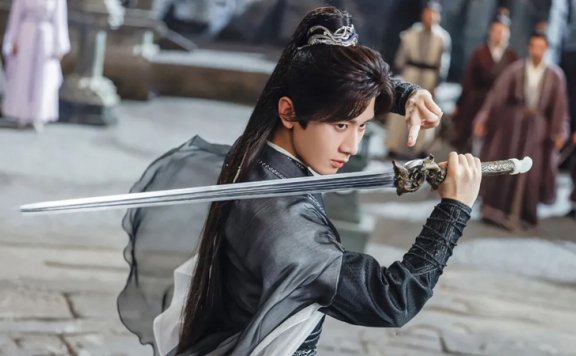
The highly anticipated Wuxia drama Fu Shan Hai (赴山海) is poised to set the summer viewing season ablaze, premiering on iQiyi July 22nd. This S+ production, a flagship entry in iQiyi's "Eastern Legends" lineup, has already shattered genre presale records, surpassing 8 million reservations across platforms. Adapted from Wen Rui'an's (温瑞安) revered Divine Land Swordsman (神州奇侠), the series injects a bold twist into the classic tale: a disillusioned modern editor, Xiao Mingming (played by Cheng Yi), finds himself transported into the very martial arts world he once penned. Thrust into the body of the youthful swordsman Xiao Qiushui (萧秋水), his journey from novice to revered hero unfolds against a backdrop of breathtaking landscapes and intricate conspiracies, promising a potent mix of nostalgia and novelty that has captivated audiences even before its debut. Transmigration Meets Tradition Fu Shan Hai masterfully blends the established lore of Wen Rui'an's universe with a contemporary "transmigration" narrative device. Xiao Mingming's (肖明明) abrupt transition from office drudgery to the perilous Jianghu creates immediate comedic and dramatic friction. His modern sensibilities clash humorously with ancient customs, offering fresh commentary on classic Wuxia tropes. Crucially, the adaptation retains the essence of the source material. Iconic characters like the… -

6 Years Later, Drama Icons Rewrite Destiny Through Flourished Peony
When Yang Zi and Li Xian reunited on screen in Flourished Peony (锦绣芳华), they reignited a flame first kindled in 2019’s Go Go Squid! (亲爱的,热爱的). This deliberate revival of chemistry—spanning modern romance to Tang Dynasty intrigue—transcended mere nostalgia, evolving into a masterclass in IP longevity. Nostalgia Crafted Frame by Frame The 2025 drama meticulously resurrected signature moments from its predecessor. The "shoulder-burrowing embrace," iconic in Go Go Squid!, reappeared in Flourished Peony as a tactile bridge across six years. During promotional livestreams, Yang Zi’s playful jab at "industrial sugar" tropes and Li Xian’s cherry-feeding gesture became viral lore. Fans crowned them "Pure Fate CP," celebrating improvised hand dances and red-string embraces that mirrored their characters’ enduring bond. On July 9, 2025—exactly six years after Go Go Squid! premiered—both series’ official accounts staged a coordinated "One Life, One World" social media exchange. A montage intertwining the couples’ journeys framed it as karmic destiny, flooding platforms with hashtags like "#19SummerWindBlowsTo25." Viewers binge-watched Flourished Peony as tribute, declaring it "the ultimate gift" for loyal followers. Characters Reborn, Themes Elevated Yang Zi’s transformation from sweet-genius computer whiz Tang Nian (佟年) to resourceful entrepreneur He Weifang (何惟芳) showcased narrative ambition. Li Xian’s shift from esports… -
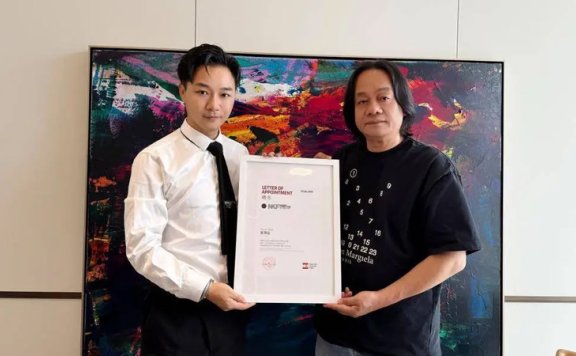
Nanjing Fashion Week 2025: Zhang Zhaoda's Vision of Six-Dynasty Design
Nanjing elevates its fashion ambitions with the appointment of Zhang Zhaoda (张肇达), a foundational figure in Chinese design, as Honorary Chairman for its 2025 International Fashion Week. His participation signals a strategic push to position Nanjing at the forefront of global fashion dialogue. Beyond a ceremonial role, Zhang will headline the opening gala with his iconic brand MARK CHEUNG, leveraging his four-decade legacy bridging Eastern aesthetics and international runways. This collaboration aims to transform Nanjing from a historical gem into a dynamic nexus for luxury commerce, cultural innovation, and trendsetting creativity. Design Philosophy Redefined Zhang Zhaoda’s journey began when Chinese design was virtually absent from global stages. His early 1980s collections introduced a nuanced equilibrium between market viability and artistic expression. The MARK CHEUNG label, renowned for its bias-cut silhouettes and subdued palettes, demonstrated that tradition could converse fluently with modernity. His approach earned him China’s inaugural Golden Top Award and UNESCO recognition. Zhang’s work consistently avoids cliched cultural symbols. Instead, he extracts abstract principles from Chinese art—like the fluidity of ink wash paintings or the structural logic of Ming furniture—translating them into contemporary garments. This intellectual rigor established him as a translator of heritage rather than a revivalist. His… -
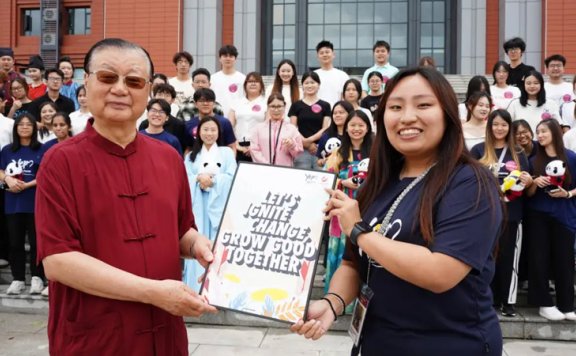
Singaporean Students Immerse in Chengdu's Culture at Jin Cheng College
On July 5th, 2025, a vibrant group of 35 students from Singapore National University and Nanyang Technological University arrived at Jin Cheng (锦城) College in Chengdu. Their half-day visit promised cultural discovery and connection. Greeted warmly by the college leadership, including Founder Professor Zou Guangyan and President Professor Wang Yali, the Singaporean delegation joined Jin Cheng students for an exploration of campus life and shared traditions. The atmosphere buzzed with anticipation for the experiences ahead: discovering campus landmarks, engaging in meaningful dialogue, and diving into hands-on cultural activities designed to foster genuine connection between the young people of both nations. Moments of Shared Discovery The initial encounter dissolved any hesitation. Ice-breaking games sparked laughter and conversation, instantly bridging the gap between the Singaporean visitors and their Jin Cheng hosts. Guided by local students, the group explored the campus heart, including the Entrepreneurship Hall and the History & Alumni Museum. This journey through Jin Cheng's spaces provided context for the institution's spirit. A formal welcome followed in Room Z203 of the Siwei Building. Professor Zou Guangyan (邹广严) expressed heartfelt enthusiasm for the exchange, emphasizing its value for educational collaboration and enduring friendship between Singapore and China. He extended an open invitation… -

Shantou Culture, Tourism and Fashion Week is About to Start
From July 14 to 20, Shantou’s skyline will ignite with the inaugural "Chaos·Surging" Cultural Tourism Fashion Week. Centered along the Inner Harbor waterfront, events will transform landmarks like the Chaoshan History & Culture Expo Center and Xiaogongyuan Pier into dynamic stages for culture, design, and community. This festival merges intangible heritage with contemporary flair, positioning Shantou as a nexus of creative innovation along China’s southeastern coast. Fusion Runway: Heritage Reimagined National intangible heritage—paper-cutting and woodcarving—takes center stage as local artisans collaborate with avant-garde designers. These crafts evolve into wearable art, where delicate cut-paper motifs contrast with structured silhouettes. captures a gown featuring laser-cut woodcarving patterns layered over modern textiles, symbolizing dialogue across eras. Each piece narrates Chaoshan’s legacy while defying tradition’s boundaries. The runway becomes a cultural laboratory. Designers like Lin Wei embed porcelain-blue gradients inspired by Chaozhou kilns into minimalist tailoring, while tech-infused fabrics mimic the translucence of rice-paper lanterns. This synergy transcends aesthetics, offering a blueprint for preserving craftsmanship through relevance. Audiences witness how heritage fuels innovation, not nostalgia. Night Market Alchemy: Sips and Sounds At Chaoren Wharf, the "Tea Genesis" pop-up redefines tea culture. Chengchuan Zhicha and Hengdao Yipin launch fusion drinks like oolong-espresso tonics and lychee-infused…
