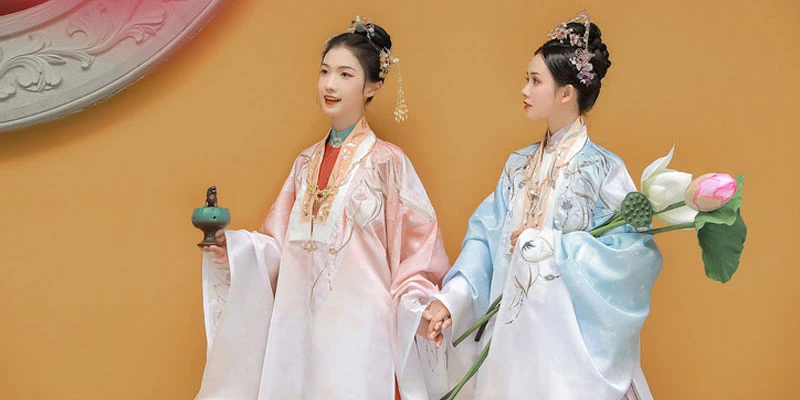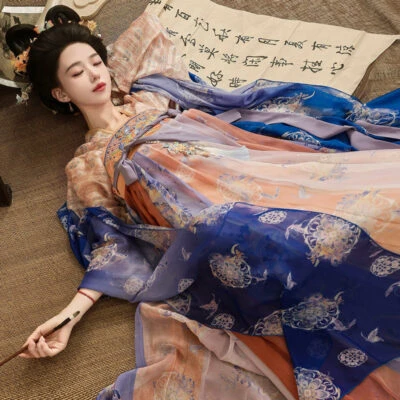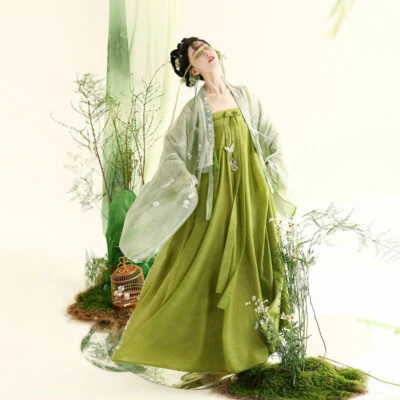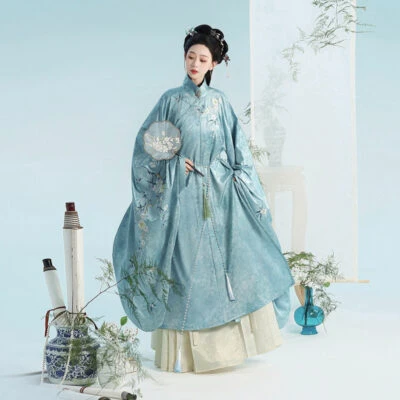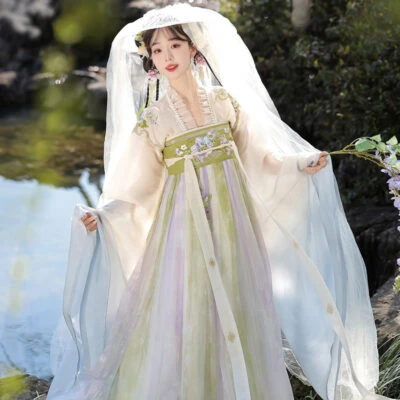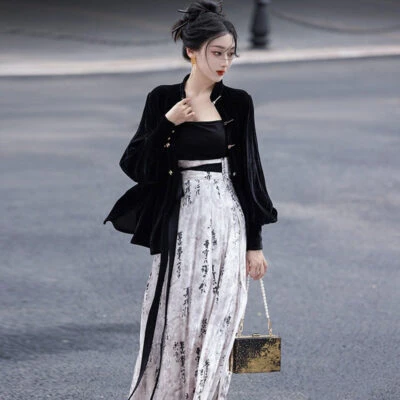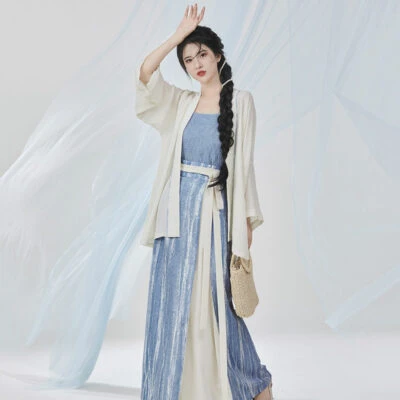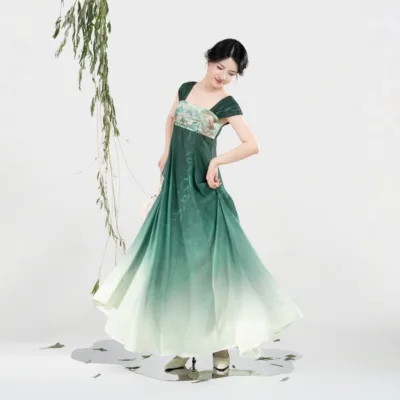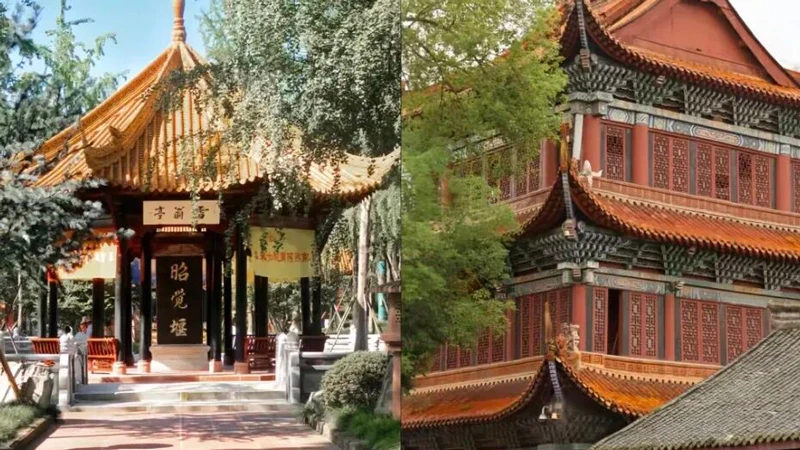
In early 2026, a social media post sparked widespread discussion. A visitor wearing a meticulously recreated ensemble from the Tang Dynasty’s Wu Zhou (武周) period was denied entry to Zhaojue Temple (昭觉寺) in Chengdu (成都). The reason given by staff was “wearing exotic costume.” The visitor’s attire, based on artifacts unearthed from the Hejiacun (何家村) collection, was historically accurate, complete with period accessories.
This single incident reignited the persistent debate: does traditional Hanfu have a place in modern public spaces? While the temple later apologized, clarifying that Hanfu is welcome, the event exposed a lingering disconnect. How, in 2026, can a garment representing millennia of Han Chinese heritage still be mistaken for a mere costume?
Misplaced Blame
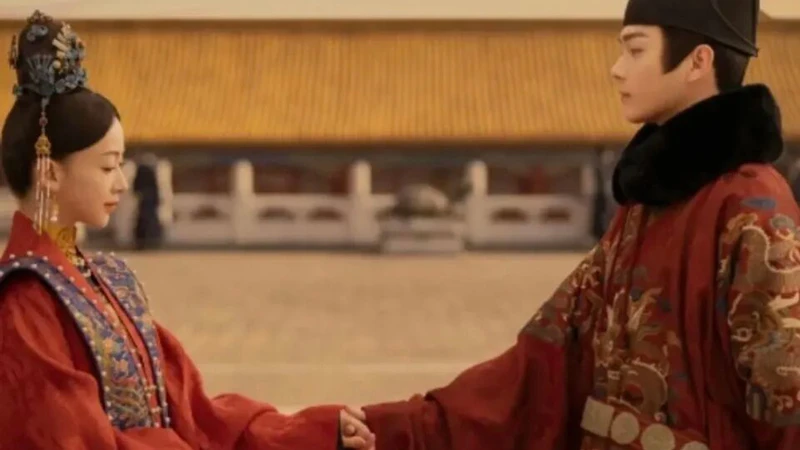
The refusal at Zhaojue Temple is not an isolated case. Similar incidents often surface online, creating a narrative that cultural sites are hostile to traditional dress. A closer look reveals a common thread. In many instances, the core issue is not the clothing itself but unauthorized commercial photography. A restaurant near West Lake once turned away a group because their Hanfu and professional camera equated to a “commercial shoot” in the management’s eyes. Shanghai Disneyland once stopped an adult guest wearing a Disney-themed Hanfu collaboration, citing a rule against adults “masquerading” as characters, confusing cultural dress with costume play.
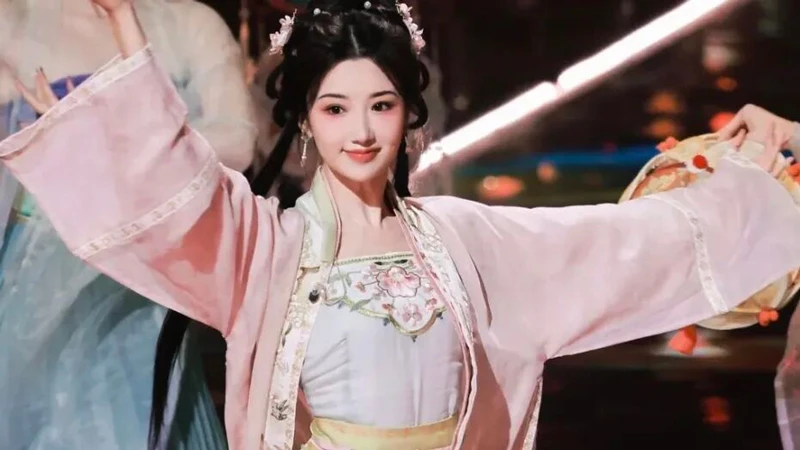
Perhaps the most famous example is the misunderstood “Hanfu ban” at the Forbidden City in Beijing. Viral posts claimed the palace museum prohibited traditional clothing. In truth, its policy targets large-scale, disruptive commercial photography sessions—those involving multiple outfit changes, extensive equipment, and prolonged occupation of space. This rule, also enforced at parks like Beihai (北海) and Tiantan (天坛), aims to protect heritage sites and ensure visitor access. Ordinary tourists wearing Hanfu for personal photos are not affected. The conflation arises when commercial teams, asked to leave, frame their rejection as discrimination against the attire.

The 2025 incident at West Lake’s Huagang Guanyu (花港观鱼) park is instructive. Initial claims of being expelled for “exotic clothes” were disproven by security footage. The actual reason was the unauthorized use of smoke pellets for photography, which posed a safety hazard and alarmed other visitors. The team had a history of complaints for monopolizing public spaces. Here, the action was against dangerous behavior, not cultural expression. These cases show that “Hanfu” frequently becomes a misleading headline, obscuring legitimate management concerns.
A Label of “Other”
For Hanfu enthusiasts, the practical inconvenience of being denied entry is often secondary to the sting of the label “qizhuang yifu” (奇装异服) or “exotic costume.” This term implies something foreign, strange, or inappropriate. To those who study and wear it, Hanfu is the opposite. It is a tangible link to aesthetics, rituals, and social structures spanning dynasties. Each style, from the Shenyi (深衣) to the Ruqun (襦裙), carries specific historical meaning. To dismiss it as a costume reflects a profound gap in cultural literacy and respect.
This gap forces enthusiasts into a frustrating paradox. Their intent to connect with and honor tradition is met with misunderstanding, sometimes from their own compatriots. It sparks an identity conflict: how can a garment so central to Han history be seen as alien in its homeland? Some online comments exacerbate this, like the erroneous claim that “Beijing isn’t suitable for Hanfu; that’s for Xi’an,” which ignores the garment’s national heritage and reduces it to a regional tourist prop.
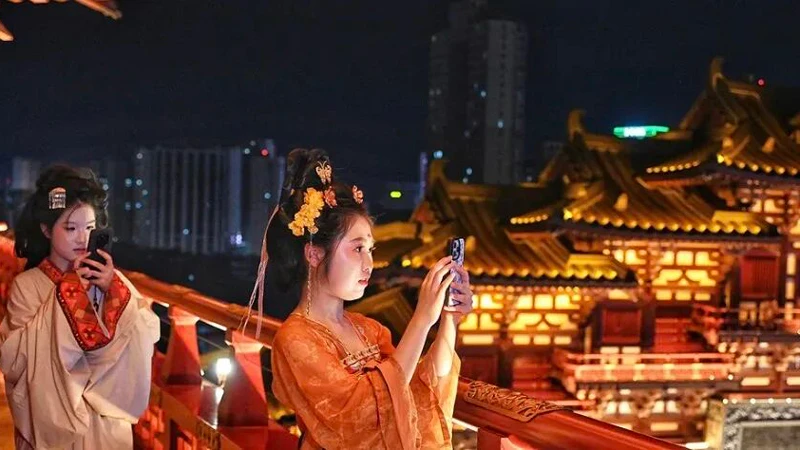
Interestingly, dress code controversies are not unique to China. The Acropolis in Athens also enforces strict rules. Officials there have stated that even national or regional traditional dress requires careful consideration. Their reasoning is not disrespect but an acknowledgment of complexity. In a global context with countless cultural symbols, staff cannot be expected to understand the nuances and potential religious or political connotations of every garment. A clear, uniform policy is seen as a practical necessity for safety and harmony, prioritizing universal accessibility over individual exceptions.
Finding Common Ground
Resolving these clashes requires clarity and empathy from all sides. For site managers, policies must precisely distinguish between disruptive commercial activities and individual cultural expression. Training staff to understand the difference is crucial. Automatically labeling Hanfu as “exotic” is inflammatory and inaccurate. Clear signage explaining rules against tripods, lighting, or prolonged staging for photos would address the real issue—congestion and safety—without targeting a specific style of dress.
Hanfu wearers also share responsibility. Researching a venue’s regulations beforehand is essential. Choosing simpler styles for crowded days, avoiding areas under restoration, and respecting the peaceful atmosphere of sacred sites like temples demonstrate consideration. The goal is peaceful coexistence, not confrontation. By prioritizing the preservation and shared experience of public spaces, enthusiasts build a stronger case for their passion.
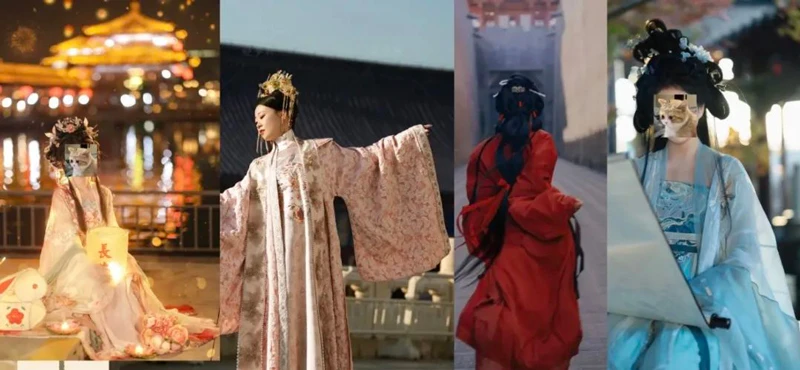
The path forward lies in mutual understanding. Management should recognize Hanfu’s cultural significance, viewing enthusiasts not as obstacles but as partners in cultural education. Enthusiasts must respect that public spaces have rules meant for everyone. When both sides move beyond stereotypes, traditional culture can find a vibrant, respectful place in contemporary life. The story that began at Zhaojue Temple’s gate could end with more doors opening, not just to sites, but to deeper cultural appreciation.