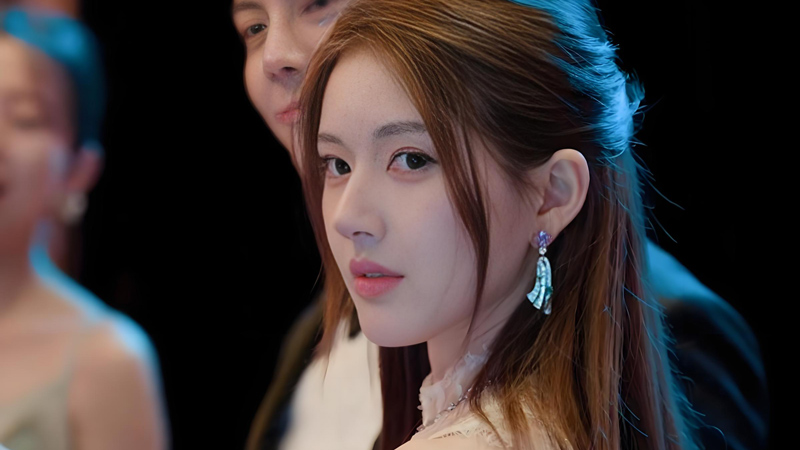
Zhao Lusi (赵露思) stands at a pivotal moment. Once celebrated for relatable charm and promising roles, the actress now navigates a landscape where viral moments eclipse artistic growth. Her absence from the screen—marked by delays like Xu Ni Yao Yan (许你耀眼) and no clear upcoming projects—contrasts sharply with relentless online buzz: trending dances, record-breaking social media engagements, and cosmetic transformations that spark more debate than her craft.
As competitors hone their skills on set, Zhao Lusi's three-month focus on livestreams and endorsements raises urgent questions about priorities in an industry where relevance fades faster than likes accumulate.
Digital Mirage and Vanishing Roles
The metrics of Zhao Lusi’s online empire paint a deceptive picture. While hashtags tout her as “95s” Top Influencer, this digital dominance lacks foundation. Her TikTok followers and Instagram milestones generate fleeting headlines yet contribute nothing to her acting portfolio. This reliance on hollow virality mirrors the industry’s broader shift toward instant gratification over enduring artistry.
Audiences increasingly question the substance behind the spectacle. When brand appearances center on makeup routines rather than character insights, the disconnect widens. Her recent explanation linking cosmetics to health struggles puzzled viewers, highlighting a narrative drift from performer to personality—a transition that risks diminishing her professional credibility.
The churn of social media offers no safe harbor. Today’s viral dance craze becomes tomorrow’s forgotten trend, eroding fan loyalty with each non-acting endeavor. As Zhao Lusi herself confessed on Instagram, "Only my world stagnates"—an acknowledgment of time lost chasing metrics that cannot replace meaningful work.
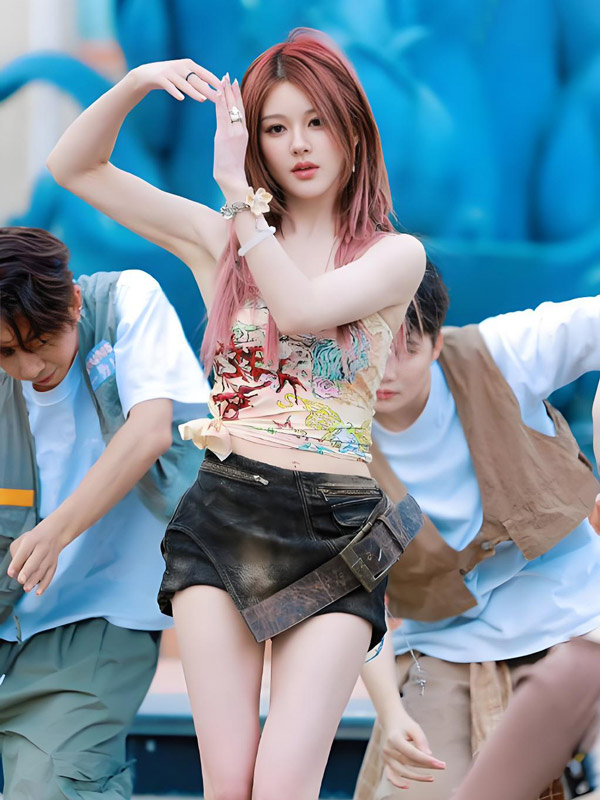
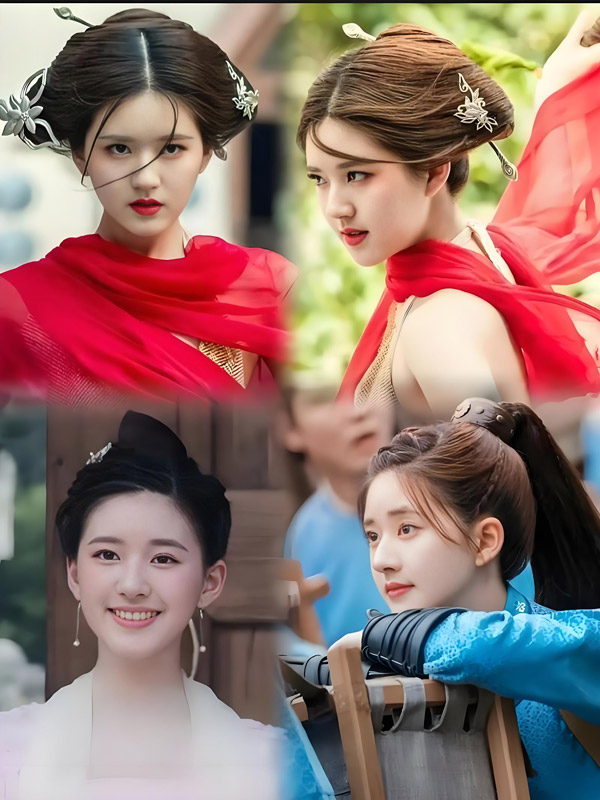
Physical changes in Zhao Lusi’s appearance have become impossible to ignore. The soft-cheeked, dark-haired actress who charmed audiences in The Romance of Tiger and Rose (传闻中的陈芊芊) has receded, replaced by sharp contours and exaggerated features that evoke uncanny dissonance. This pursuit of an "exquisite doll" aesthetic seems driven by past critiques of her "ordinary" looks, yet it sacrifices the relatability that fueled her rise.
Her styling choices during livestreams and events further blur her identity. Once praised for effortless charm, she now experiments with avant-garde looks that clash with her established screen persona. This visual rebranding feels less like evolution and more like a surrender to influencer culture’s homogenizing pressures, where distinctiveness fades beneath layers of curated perfection.
The consequence is a growing alienation from her artistic legacy. Fans struggle to reconcile this transformed figure with beloved characters like Chen Qianqian (陈芊芊), whose vivacity feels worlds apart from Zhao Lusi’s current incarnation. When an actor’s face becomes a distraction, the roles they inhabit lose resonance—a dangerous trade-off for fleeting relevance.
Career Turbulence and Lost Opportunities
Professional missteps have compounded Zhao Lusi’s challenges. Controversial exits from projects like The Lover and indefinite delays for Xu Ni Yao Yan signal instability. Her decision to unfollow colleagues amid rumored contract disputes amplified perceptions of unreliability, alienating industry partners and audiences alike.
This trajectory has tangible costs. Delayed projects lose a competitive edge, and prolonged absence erodes casting directors’ confidence. As one critic noted, "An actor’s currency is their filmography—not their follower count." Each month without substantive work diminishes Zhao Lusi’s standing in an unforgiving ecosystem.
The Path Back to Purpose
Zhao Lusi’s disillusioned social media reflection—"Only my world stagnates"—reveals awareness of her predicament. Yet recognition alone cannot reverse the damage. Reclaiming her narrative demands a return to acting fundamentals: script selection, character immersion, and collaborative discipline.
Historical precedents offer hope. For Zhao Lusi, this means rejecting the siren call of algorithmic validation and embracing the uncomfortable silence of creative process. Roles that challenge, rather than conform to, her current image could rebuild artistic credibility.
The audience’s patience, while strained, isn’t exhausted. Authenticity resonates deeper than any viral stunt. As Xu Ni Yao Yan languishes in development limbo, its eventual release could serve as a litmus test—not for Zhao Lusi’s popularity, but for her commitment to the craft that once defined her. In an industry racing toward the next trend, standing still becomes regression. Only meaningful work can reignite momentum.