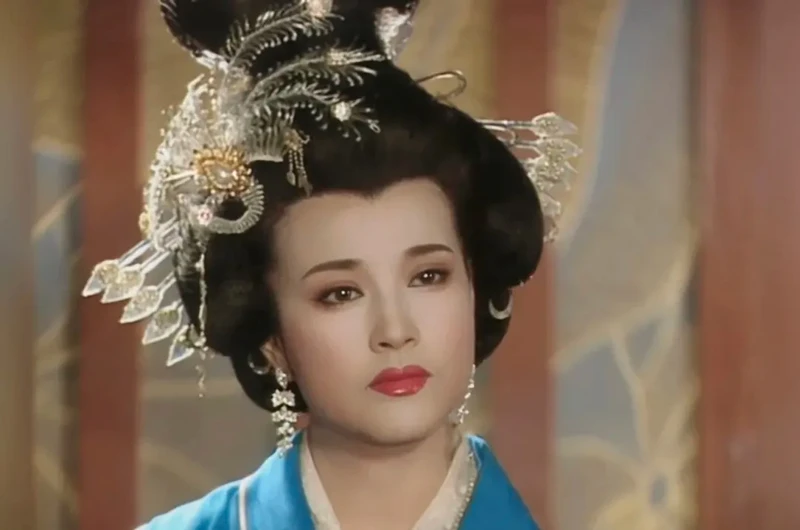
The recent announcement that 75-year-old Liu Xiaoqing (刘晓庆) will once again portray the formidable Empress Wu Zetian in a new short drama series has sent waves through the Chinese entertainment world. This marks a stunning return to the role she immortalized in the iconic 1995 television series. For many, her name is synonymous with the part; she didn’t just play the character, she embodied her journey from a young concubine to the only female emperor in Chinese history.
Yet, this casting has sparked a complex debate. While fans of the original series feel a surge of nostalgia, others question whether this represents a creative resurgence or a reluctance to pass the torch. Is this a celebration of a timeless performance, or does it highlight a shortage of actresses deemed capable of carrying such a weighty historical legacy?
An Unmatched Legacy
The 1995 series Empress Wu Zetian (武则天传奇) stands as a monumental achievement, largely due to Liu Xiaoqing’s commanding performance. She carried the narrative alone, portraying the character’s evolution across decades with a rare intensity. This was not a fragmented portrayal by multiple actresses but a single, cohesive artistic journey. The series became a cultural touchstone, defining the visual and emotional language of the Tang Dynasty for a generation. Attempts to revisit the story since have often faltered, unable to capture the same alchemy of performance, design, and narrative gravity. Liu’s version did not just depict a historical figure; it presented a complete, flawed, and compelling human story against the opulent backdrop of the Tang court.
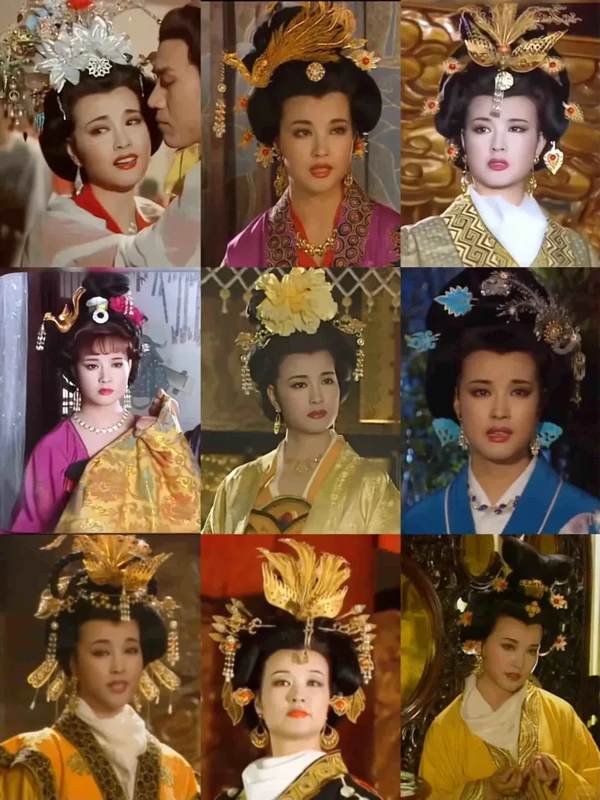
This enduring legacy creates a formidable shadow. When audiences hear “Wu Zetian,” they still see Liu Xiaoqing’s determined gaze and regal posture. This deep-seated association is a testament to her skill but also presents a challenge. It raises the question: what can a new interpretation offer that the classic did not? The decision to cast her again seems to acknowledge the unmatched connection she forged with the role, betting on the powerful pull of nostalgia. However, it also sidelines the opportunity to discover a fresh perspective through a different performer, potentially stifling new artistic interpretations of a historically rich character.
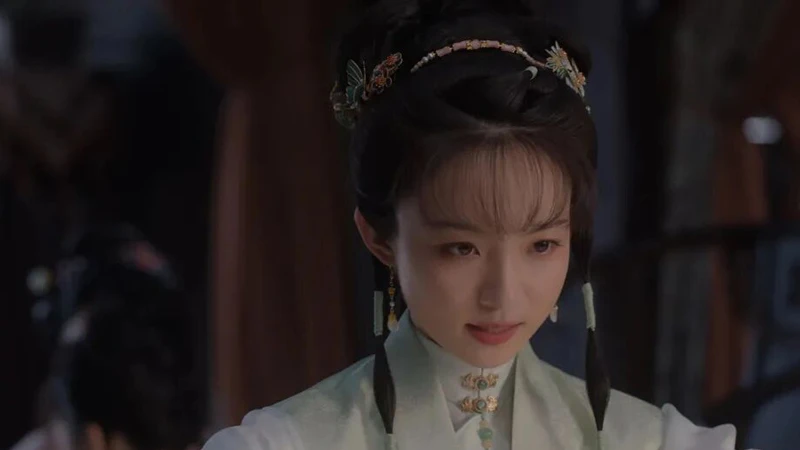
The original series’ success was not a solo effort. It was the product of a legendary collaboration between Liu Xiaoqing and master artists like makeup artist Mao Geping (毛戈平), costume designer Li Jianqun (李建群), and stylist Yang Shuyun (杨树云). This creative triad built a visual world that felt both authentically historical and vividly dramatic. Their work on Empress Wu Zetian set a gold standard for period dramas, where every hairpin and fabric fold told a story. This synergy between actor and artisans is rare, raising doubts about whether simply reassembling the star can recapture the magic of a project born from a specific cultural moment and a unique collaborative spirit.
Fashion as Narrative
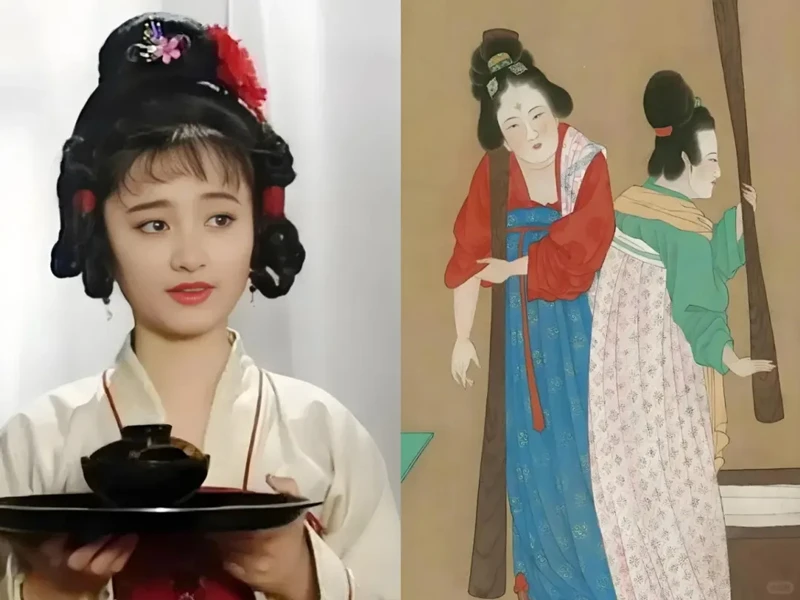
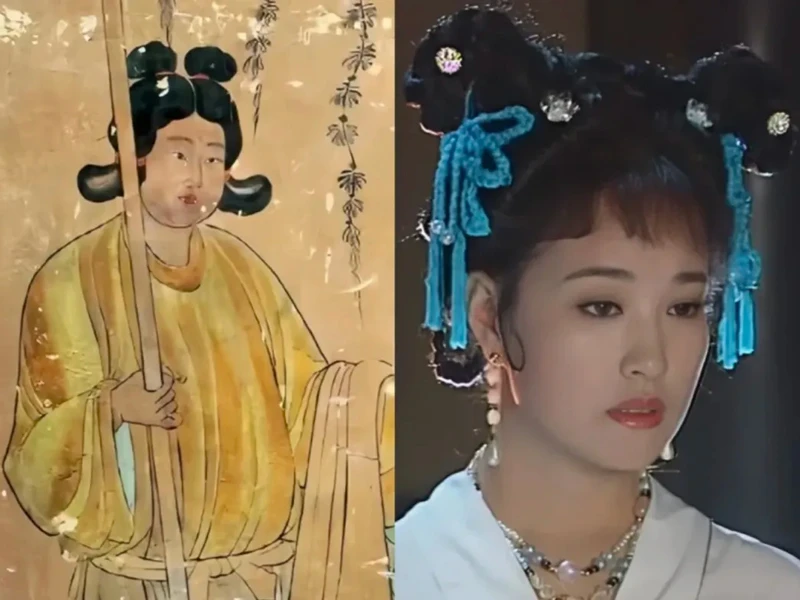
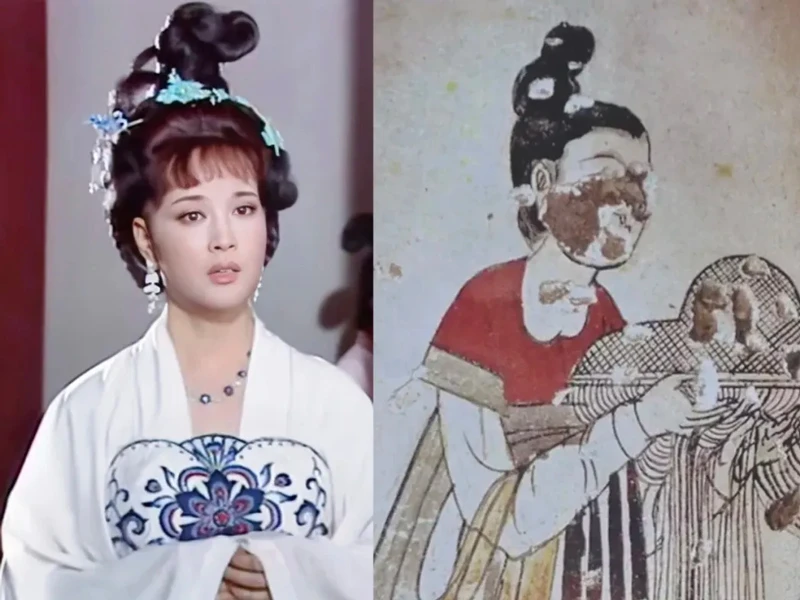
Beyond the performance, the 1995 series is remembered as a moving exhibition of Tang aesthetics, using fashion and hair as a direct narrative device. Each stage of Wu Zetian’s life was meticulously signaled through her changing appearance. In her early days as a Cairen (才人), a low-ranking consort, her hair was styled in youthful double buns, reflecting innocence and potential. References were drawn directly from artifacts like the painted pottery dancing figurine with double-ring Wangxianji (望仙髻) hairstyle, adapting historical accuracy for the screen.
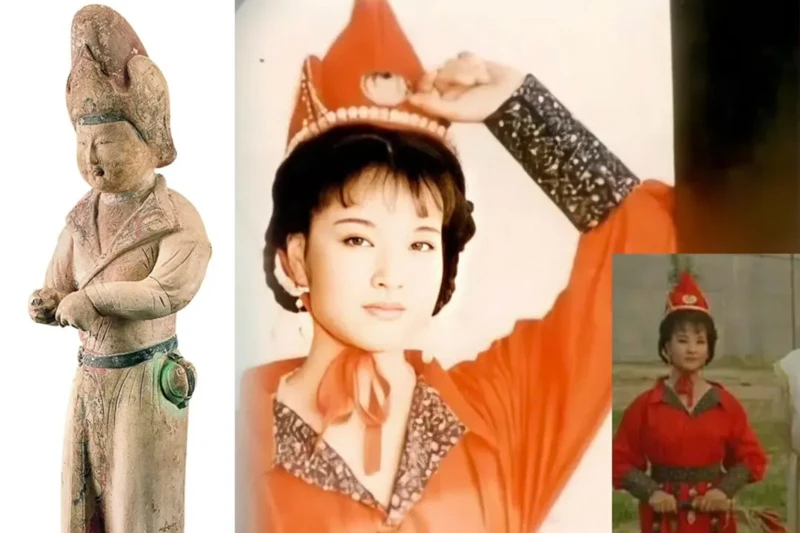
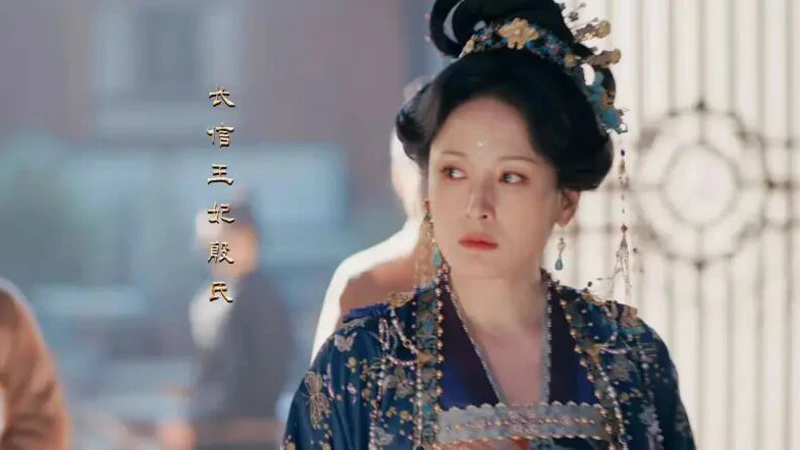
As she gained power, her hairstyles evolved to reflect her status and personality. The sophisticated Jiaoxinji (交心髻) during her time as a palace maid signaled growing maturity. A pivotal scene showing her taming a wild horse featured bold Hufu (胡服, Central Asian-style attire) and a nomadic hat, visually declaring her unbridled spirit. Upon becoming an imperial consort, the elegant single spiral chignon added a layer of graceful femininity. Her coronation as Empress brought the most opulent looks: broad headdresses, phoenix crowns, and elaborate hairpins, symbols of ultimate authority and wealth.
These styles were more than decoration; they were a visual biography. The “imprisoned bun” and later the cloud-like chignon adorned with countless hairpins communicated her political stature and the era’s shifting tastes, often referencing styles from the late Tang and Five Dynasties period. Even in her final years, her simpler hairstyles conveyed the quiet, enduring pride of a ruler. This sartorial journey did more than dress a character—it allowed viewers to witness the splendor, complexity, and vast cultural tapestry of the Tang Dynasty itself through the silhouette of one extraordinary woman.
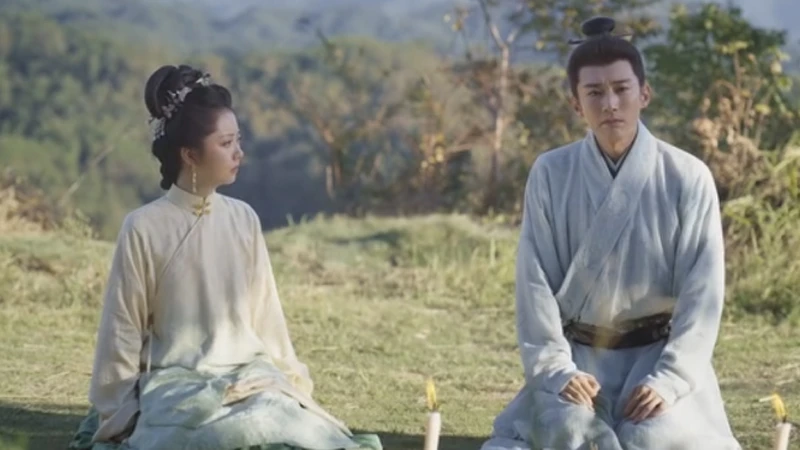
The upcoming project faces an almost impossible task of comparison. Can today’s production teams, even with advances in technology, replicate the profound cultural depth and meticulous craftsmanship of that earlier work? More crucially, can Liu Xiaoqing, decades later, reconnect with the physical and emotional trajectory of a character she first embodied in her prime? The audience’s memory holds not just a performance, but an era. The new series must grapple with this living history, deciding whether to meticulously recreate a beloved past or to boldly reimagine it for a new generation, a challenge far greater than any casting decision alone.