Article
Search results:
-
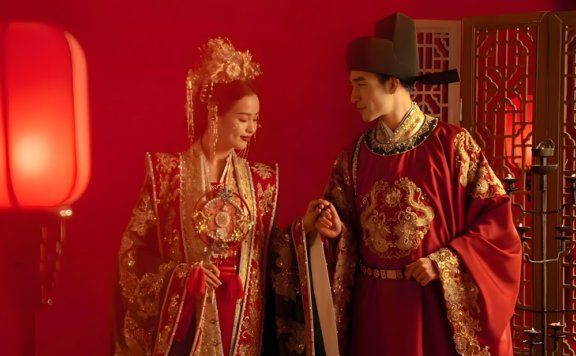
How Does Ancient Chinese Wedding Attire Captivate Modern Hearts?
Under the bright lights of contemporary weddings, a bride steps forward adorned in Fengguan Xiapei (凤冠霞帔), her ceremonial headdress and cape shimmering with jewels that chime softly like ancient wind chimes. This ensemble transcends mere clothing; it embodies millennia of Chinese tradition, weaving together ideals of love, ritual, and exquisite craftsmanship. More than a bridal costume, it represents a profound cultural legacy where every stitch whispers stories of devotion and artistry passed down through generations. Today, this iconic attire is experiencing a vibrant resurgence, captivating modern couples seeking a connection to their heritage and a deeply symbolic start to their union. Beyond Bridal Wear The Fengguan, or "phoenix crown," stands as a masterpiece of adornment. Traditionally reserved for noblewomen, its complexity signified rank. Crafted from precious metals, it features intricate phoenix motifs – symbols of grace and virtue – adorned with gleaming pearls, vibrant gemstones, and delicate tassels that sway with movement. Its brilliance was unmatched in traditional court regalia. Complementing the crown is the Xiapei, the "rosy-cloud cape." This long, rectangular garment drapes elegantly from the shoulders to the chest, its name inspired by the radiant hues of dawn. Embroidered meticulously onto rich fabrics like silk or brocade are… -
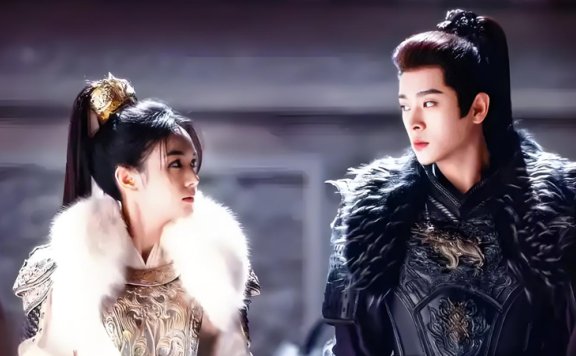
Can Love Survive the Sword? Betrayal and Redemption
Xiao Jue (肖珏) stands frozen, his blade trembling as its point rests near the throat of the woman he cherished. He knows everything now. The revelation crashes over him: He Yan (禾晏) wasn't merely a victim of circumstance when she assumed the identity of He Rufei (何如非); her delayed arrival at the Battle of Ming Shui directly caused the catastrophic loss that claimed his father and thirty thousand comrades. This truth, sharp as the steel he holds, cuts deeper than any battlefield wound. The woman before him, her eyes reflecting the same devastation he feels, embodies the source of his deepest grief and the most profound betrayal. Yet, tangled within the fury is a thread of agonizing confusion – could there be more to this tragedy than he yet understands? Broken Trust He Yan sees the finality in Xiao Jue's eyes. Explanations die on her lips; words are useless against the mountain of his pain and anger. She understands her deception, born of necessity during her time disguised as a man studying at Xianchang Academy, is unforgivable in his eyes. The revelation, inadvertently triggered by her friend Hua Youxian, shattered the fragile trust they had built. Now, a chilling distance… -
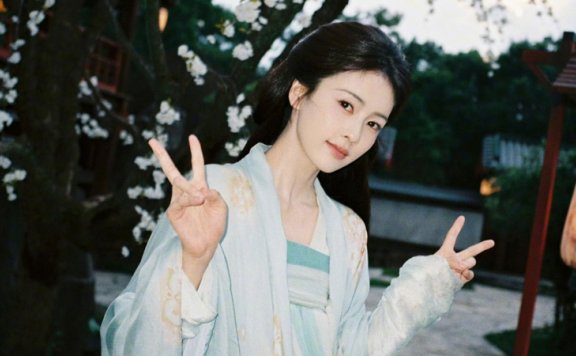
Bai Lu's Weight Loss: Health vs. Career Debate in Entertainment
Bai Lu's (白鹿) dramatic physical change has become a national talking point since spring 2024. Between March sightings on the Tang Gong (唐宫) set, where she appeared with soft, rounded cheeks, and August glimpses from Mo Li (莫离) filming revealing a drastically thinner frame, the 28-year-old actress reportedly shed over ten pounds, now weighing just 80 pounds. This places her well below a healthy BMI range. Public reaction swings between concern over her visible fragility and uncomfortable questions about the extreme demands placed on actresses. This transformation wasn't accidental. During Tang Gong filming in March, she radiated a vibrant, healthy energy, her face full and her complexion glowing. Her historical costumes emphasized a noble elegance. Fast forward to August on the Mo Li set, where her character, strategist Ye Li (叶璃), requires an ethereal thinness. Costumes hang loosely on her frame; her facial structure appears sharply defined, almost severe. Initial fan reactions weren't admiration, but alarm: "Could she faint?" While Bai attributed the weight loss to stomach issues, the sheer speed and extent suggest more than simple dietary sensitivity. Seeing an actress who once embodied youthful vitality now struggling to fill small-sized clothing is deeply unsettling. Industry's Unspoken Rulebook The… -

5 Actors That Shaped The Immortal Ascension
The portal shimmered, swallowing Han Li (韩立) whole as he escaped certain doom. In that instant, The Immortal Ascension (凡人修仙传) cemented its core truth: ascension demands sacrifice. Yang Yang's protagonist shed innocence, leaving loved ones like Mo Caihuan (墨彩环) behind, yet gained a harsh new world. This finale resonated deeply, a testament not just to the epic cultivation battles and sweeping Xinjiang landscapes, but crucially, to the actors who breathed life into its intricate characters. Their journeys, marked by grueling physical trials and emotional depth, were as compelling as the Han Li's own path. 1. Jin Chen (金晨) Portraying the revered Nangong Wan (南宫婉), Jin Chen possessed the requisite ethereal stature and displayed impressive martial prowess. Her fight sequences were executed with precision, a testament to months of arduous training. However, her performance became a focal point for audience critique. The disconnect stemmed largely from her altered appearance. The sharp contours of her face and an unusually defined nose proved distracting for viewers expecting the novel's "forbidden beauty." A persistent tendency to speak and smile with a pronounced tilt to her mouth, dubbed the "Crooked Smile Goddess" online, further broke immersion. This was especially jarring during the crucial "dual cultivation"… -
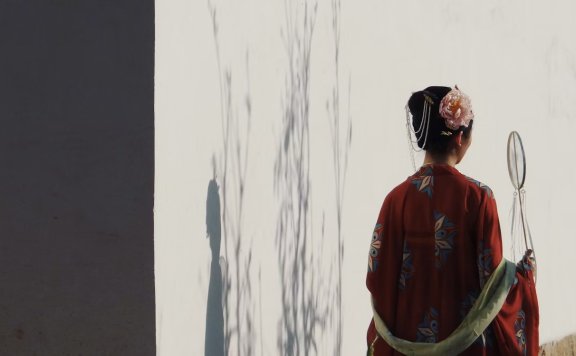
How to Turn Your Love of Hanfu into a Career
Over the past few years, hanfu has transformed from a niche hobby into a growing market worth billions. The number of people who wear traditional looks not only at festivals but also in their everyday lives is growing all over the world. According to NewHanfu, by 2028, the Chinese market is expected to have grown from its current valuation of 13.7 billion yuan (about $1.9 billion) to 33.4 billion yuan. Inspiring stories from designers, stylists, photographers, and event planners prove that a love for hanfu can become more than just a hobby, but a full-time job. The only question is how to take the first step. Why hanfu became a global trend The Hanfu revival began in China in the early 2000s as part of a movement for cultural identity. Young people were looking for ways to express their connection with history, and traditional clothing became a vivid symbol of this. Online communities quickly united fans around the world: some shared patterns, others shared photos from festivals. Pop culture projects also played a role. TV series like “The Palace” or “The Legend of Hao Lan” brought back the fashion for complex costumes and accessories. Against the backdrop of globalization, viewers… -
Why Do Hooded Cloaks Dominate Every Historical Drama?
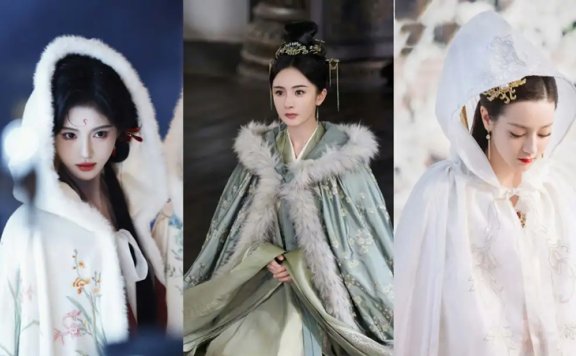
From celestial beings in fantasy epics to noblewomen in palace intrigues, one costume piece silently reigns supreme: the hooded cloak. This garment, seemingly simple in design, has become an indispensable visual shorthand across Chinese historical film and television. Its sweeping presence raises questions – is this a nod to historical authenticity, a practical filmmaking choice, or pure aesthetic enchantment? The answer weaves together threads of function, symbolism, and modern creative license, transforming the hooded cloak into far more than just a covering. Power, Mystery, and Practicality on Screen In Zhong Kui: Snow Girl and the Dark Crystal (钟馗伏魔:雪妖魔灵), the snow spirit Xue Qing (雪晴), portrayed by Li Bingbing (李冰冰), glides through icy landscapes enveloped in a pale blue hooded cloak adorned with intricate snowflake embroidery and fur lining. This exemplifies one core function: elemental protection. The cloak shields her from the biting wind and snow, a practical barrier against harsh weather. Similarly, in the acclaimed series Empresses in the Palace (甄嬛传), the protagonist Zhen Huan (甄嬛) dons a light-colored hooded cloak for discreet warmth during a nighttime visit to the Plum Garden. It allows her to move outside undetected while staying comfortable. Beyond warmth, the hooded cloak serves as the… -
What Secrets Do Your Clothes Whisper About the Seasons?
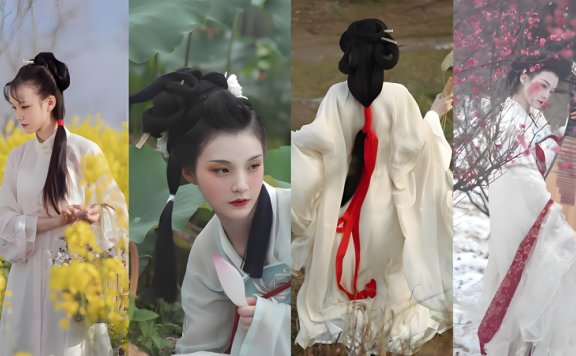
Beyond mere fabric and thread, traditional Hanfu served as ancient China's sophisticated dialogue with nature. Each season dictated distinct choices in material, cut, and decoration—a wearable language of weather wisdom. Far from rigid costume, it embodied practical adaptation: breathable linens for scorching summers, layered warmth for biting winters, and motifs celebrating nature's cyclical dance. These weren't random choices; they were intentional, elegant responses to the rhythm of the year, woven into the very soul of the attire. This intricate system transformed clothing into a living almanac, where Ramie signaled spring's arrival and padded Zhidanyi whispered of winter's chill. Spring's Light Embrace As winter's grip loosened, wardrobes shifted towards airy renewal. Ramie, a natural fiber prized for its coolness and breathability, became the cornerstone for short Ru jackets. This allowed ease of movement for tending fields or enjoying vibrant festivals. Soft hues like budding willow green and tender peach blossom pink dominated the palette. Delicate embroidery adorned collars and hems—slender willow branches unfurling or clusters of cherry blossoms in full bloom. Wearing this was like draping oneself in the season's essence, a tangible echo of the poetic sentiment, "spring robes are complete". The lightness wasn't just physical; it embodied the spirit… -
Mo Li: Bai Lu's Royal Power Play with Sharp Strategy
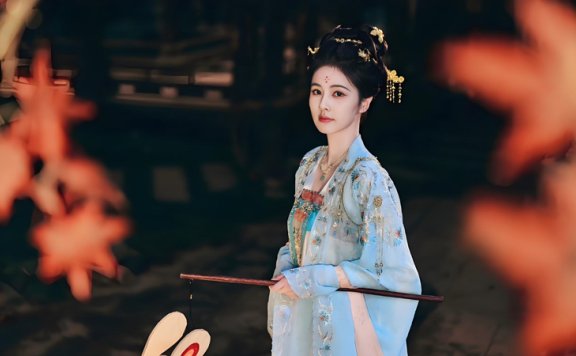
The buzz surrounding Mo Li (莫离) is impossible to ignore. Long before filming even wrapped, this historical political drama racked up over 500,000 reservations on Tencent Video, a testament to its white-hot anticipation. Adapted from the popular novel Sheng Shi Di Fei (盛世嫡妃), it thrusts a modern special forces operative into the treacherous court of ancient China. She finds herself reborn as Ye Li (叶璃), the legitimate daughter of a high minister, entangled in a political marriage with a seemingly docile prince, Mo Xiuyao (墨修尧). Directed by the acclaimed Lin Yufen (林玉芬), the series promises intricate power struggles, a fierce "power couple" dynamic, and a collision of modern wit against ancient intrigue. With Bai Lu (白鹿) taking on her first true scheming heroine role and Cheng Lei (丞磊) as her enigmatic counterpart, Mo Li isn't just aiming to be popular; it's poised to dominate. War Hero to Royal Game Player For Bai Lu, Ye Li represents a significant and welcome departure. While a staple in historical dramas, her recent roles often leaned towards ethereal "goddess" figures, particularly after the success of One and Only (周生如故). Mo Li shatters that mold. Ye Li is no passive beauty; she's a strategic powerhouse,… -
3 Fates Linked: Emotions Clash with Immortal Ambitions
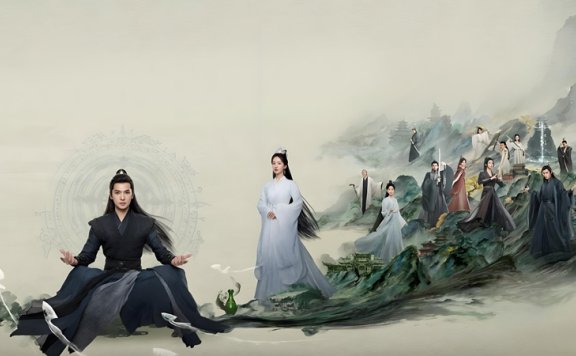
In The Immortal Ascension (凡人修仙传), the path of cultivation demands detachment, a shedding of mortal desires to ascend towards immortality. Yet, against this stark backdrop, certain characters blaze with emotional intensity, their attachments becoming defining forces. Their choices, often perceived as reckless or illogical by the detached standards of their world, paradoxically infuse the narrative with profound humanity and raise unsettling questions about the true cost of the immortal path. While figures like Li Huayuan (李化元) and Mo Caihuan (墨彩环) demonstrate potent forms of devotion, it is the consuming fixation of another that reveals the most corrosive impact of unchecked attachment. 1. Li Huayuan Elder Linghu's (令狐) calculus for Yellow Maple Valley's survival was cold pragmatism: sacrifice Hong Fu (红拂) to appease Old Demon Yunlu (云露). To him, this embodied the cultivator's ideal. He urged Li Huayuan, his disciple, to embrace this philosophy, seeing Hong Fu's removal as potentially beneficial for him. Li Huayuan, however, embodied a different truth. He understood Elder Linghu's logic, knew the overwhelming power of Old Demon Yunlu, and grasped the near-certainty of his own death. Yet, he chose defiance. His final words to Han Li (韩立) revealed a conviction deeper than survival: "The longer one… -
2 Wuxia Productions: A Contrast in Capturing the Genre's Essence
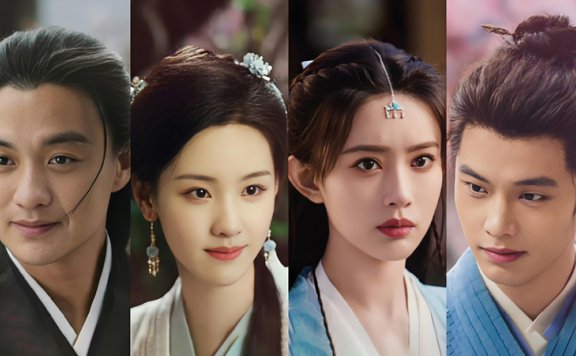
Two productions drawing from the same legendary wuxia universe couldn’t be more different in execution. While Jiuyin Zhenjing (九阴真经) offers a simplistic, romance-focused tale centered solely on its protagonist, Dongxie Xidu (东邪西毒) crafts a sprawling, gritty tapestry of authentic martial arts, complex characters, and profound themes reflecting a crumbling dynasty. The contrast exposes what truly makes Wuxia resonate: not just power fantasies, but the human struggle within a vast, unforgiving world. Fighting Spirit One relies solely on superficial spectacle. Jiuyin Zhenjing substitutes genuine martial prowess with endless slow motion, frantic camera cuts, and heavy reliance on wind machines and CGI blasts. Fight sequences feel weightless, devoid of distinct styles or credible threat. Mei Chaofeng (梅超风) masters advanced techniques like Bibo Palm implausibly fast, undermining the value of martial arts cultivation. Key figures like Huang Yaoshi (黄药师) appear weakened, acting inconsistently—such as bloodying his hands in a brawl, contradicting his established fastidious nature. The world feels small, limited to a single school, one coveted manual, and basic weapons. Conversely, Dongxie Xidu delivers visceral, varied combat grounded in martial philosophy. Different factions bring unique weapons and styles: the Zijin Tang (紫金堂) sect showcases practitioners like Yu Dian (俞典) wielding intricate bamboo umbrellas… -
Xu Kai's 7 Must-Watch Costume Dramas
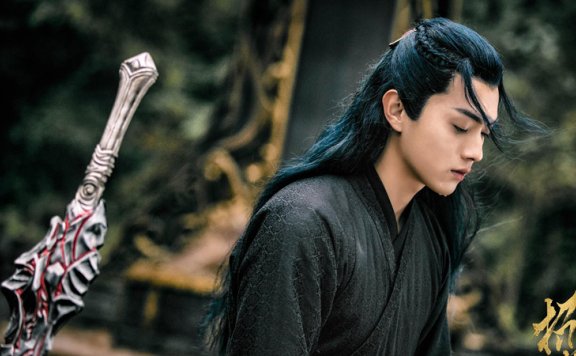
Xu Kai (许凯) has redefined Chinese costume dramas with his magnetic screen presence and transformative acting. Rising from modeling to acting, his breakthrough role in "Story of Yanxi Palace" launched him into stardom. Known for his ability to portray complex emotional arcs—from restrained nobility to playful rebels—Xu Kai dominates both historical epics and fantasy sagas. Here's a curated guide to his finest works. Story of Yanxi Palace 延禧攻略 Aired: 2018 Period: Qing Dynasty, Qianlong era Genres: Palace intrigue, Romance, Tragedy Role: Fuheng, the Empress's brother, a noble general torn between duty and love. Adapted From: Original screenplay Fuheng's arc epitomizes tragic nobility within Qing Dynasty court politics. As the Empress Fuca's brother and a military prodigy, his initial clashes with cunning seamstress-turned-consort Wei Yingluo (Wu Jinyan) evolve into profound, unspoken love. Their bond defies rigid hierarchies—he sacrifices political alliances to protect her, even accepting a forced marriage to Erqing to shield Yingluo from the Qianlong Emperor's wrath. The climax sees Fuheng volunteering for a fatal battlefield mission, delivering his iconic line: "This subject chooses death to prove loyalty". His final letter to Yingluo—"Guard your freedom; I guard you"—cements his legacy as a martyr to love and duty. Cultural Anchors: Hierarchy… -
Top 5 Xianxia Dramas of 2025: How Many Have You Seen?
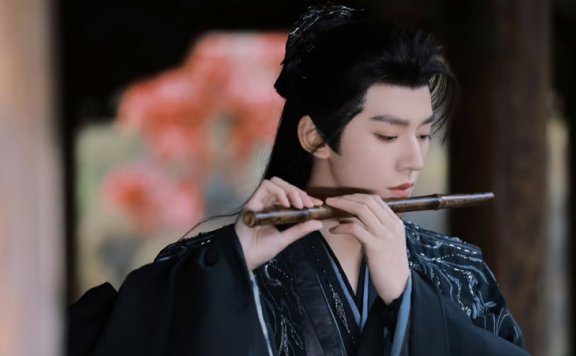
2025 dropped some seriously bingeable xianxia dramas–you know, the Chinese fantasy stuff with immortals, cultivation (basically supernatural training), gods, and magic. Forget the tired formulas and overused buzzwords, let's just talk about what actually hit the screen this year: Love of the Divine Tree 仙台有树 Starring: Deng Wei, Xiang Hanzhi Plot Overview: A Subversive Cycle of Karma Love of the Divine Treedismantles conventional xianxia reincarnation tropes by anchoring its conflict in irreversible consequences rather than romantic destiny. Sui Ying (Xiang Hanzhi), a once-revered immortal master, is reborn as a mortal child plagued by chronic illness and spiritual fragility. Her former disciple, Xue Mu'an (Deng Wei)—now a near-omnipotent celestial—discovers her and forcibly takes her under his protection. What appears to be a guardian-ward dynamic curdles into something darker: Xue's obsession with rectifying Sui Ying's past "failures" manifests as psychological control, cloaked in benevolence. He isolates her from the world, manipulates her recovery, and weaponizes her gratitude, all while denying her autonomy. The central tension isn't whether they'll reconcile, but whether Xue's actions stem from devotion to heror a pathological need to rewrite history by "perfecting" the mentor he idolized. Reasons to Recommend: Psychological Depth & Taboo Nuance The series interrogates… -
Peking Opera-Themed Film Xi Tai: Laughter Fades, Only Sorrow Remains
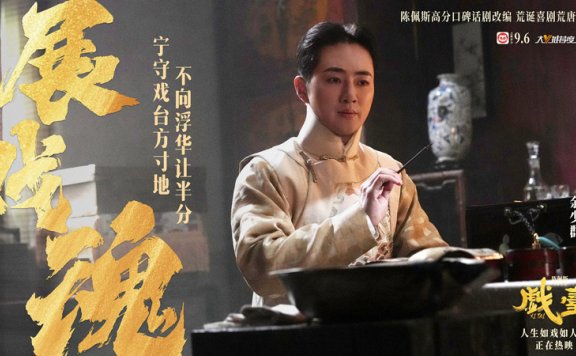
Honestly, Xi Tai (戏台) doesn't feel like a movie at first. The painted faces strutting across the stage, the exaggerated rhythm of the dialogue... it screams theater. Which makes sense, since it's adapted from a play of the same name. But as the story unfolds, it pulls you in. The jokes land thick and fast, the script is tight, and the lines have real bite. It's been a while since we've seen a comedy this sharp on the big screen. The story's set in the chaotic Republic of China era. Manager Wu (played by Yang Haoyu) of the Dexiang Theater books the famous Wuqing Opera Troupe. The whole city's buzzing to see the star, Jin Xiaotian (Yin Zheng). But then, the newly arrived warlord, Commander Hong (Jiang Wu), crashes the party. He doesn't just want to watch; he wants to change the play. So, inside the Dexiang Theater, everyone gets tangled up around the classic opera Farewell My Concubine – the warlord, the actors, the audience. Onstage and off, it's pure chaos. Warlord Rewrites the Opera Play: Obey or Die Commander Hong takes Beijing. In this unstable time, people react differently. Xu Mingli (Chen Dayu), head of the Education Department,… -
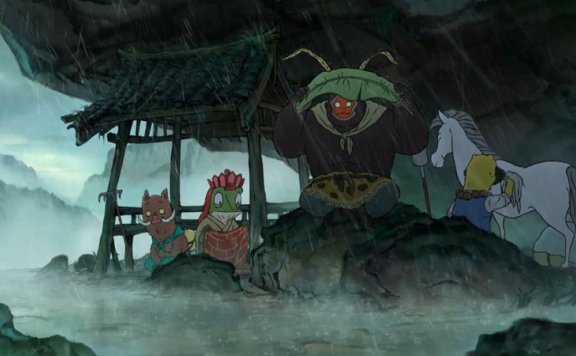
Film NOBODY: The Little Pig Demon Really Wants from a Pilgrimage
The little pig demon, down on his luck, teams up with a toad spirit, weasel spirit, and gorilla monster. Together, they pretend to be the legendary Tang Monk and his disciples, setting off on a pilgrimage to the West. That little pig who dreamed of leaving Langlang Mountain behind – did he finally get his wish? Director Ang Lee once said, "Whenever something becomes concrete on screen, it often loses its mystery. The more vivid it is, the less refined it becomes. No matter how fresh or risky the concept is, in the end it needs to land—and that landing is usually both wonderful and a little cliché." That pretty much sums up NOBODY. It's a journey that's both absurd and familiar. This time, the classic Journey to the West story doesn't center on legendary heroes saving the world. Our knock-off team doesn't even get a clear glimpse of the real monk and his disciples—just a blurry silhouette in the distance. Like a video game render that didn't load. And yet, for all its novelty, the film still borrows the same template used by generations of storytellers: a personal quest set against a backdrop of something bigger than you. That… -
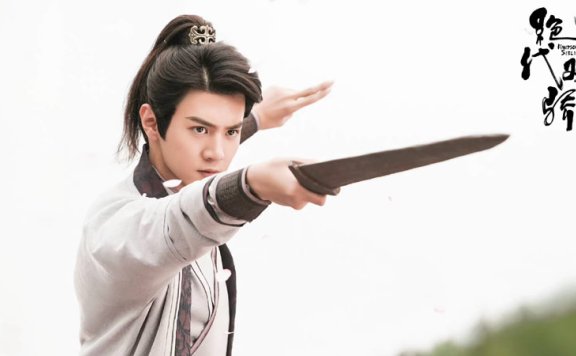
Chen Zheyuan's Top 6 Costume Dramas Recommendations
Chen Zheyuan (陈哲远), rising from indie films to mainstream acclaim, charms audiences with his chameleonic acting and intellectual depth. A philosophy graduate, he infuses characters with nuanced introspection—especially in historical roles. From brooding swordsmen to witty scholars, his seamless transitions between vulnerability and intensity redefine costume dramas. Discover how this versatile actor elevates every production with meticulous emotional layering. Handsome Siblings (2020) 绝代双骄 Plot Overview: A Clash of Destinies Forged in Deception Set within a vivid martial world inspired by the aesthetics and power structures of the Ming Dynasty, Handsome Siblings unravels the tragic destiny of twin brothers, Hua Wuque (Hu Yitian) and Xiao Yu'er (Chen Zheyuan). Torn apart in infancy by Yi Yue, the formidable leader of the Floral Palace, their separation is no accident of fate but a deliberate act of vengeance. Each brother is raised in diametrically opposed worlds, groomed as unwitting weapons against the other. Hua Wuque is nurtured within the aristocratic, disciplined confines of the Floral Palace, mastering elegant martial arts and embodying noble perfection. Xiao Yu'er, conversely, survives and thrives in the chaotic, morally ambiguous Evil Valley, honed by rogues into a cunning, unorthodox genius. Their paths violently converge as adults, propelled by Yi… -
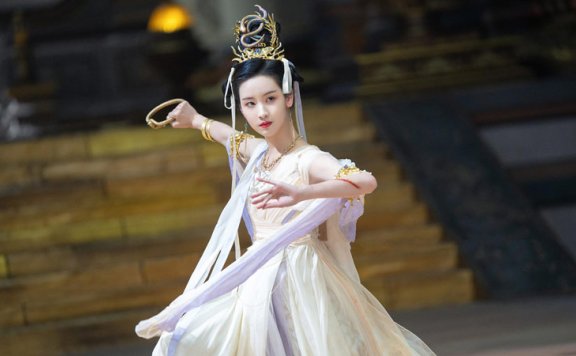
Chen Duling's 7 Essential Costume Dramas List
Chen Duling, a former aerospace engineering student at Nanjing University of Aeronautics and Astronautics, has evolved from an internet-famous "campus beauty" into one of China's most versatile actresses. Her delicate features and intellectual aura bring depth to historical and fantasy roles. Here are her essential costume dramas: The Legend of the Heroes 金庸武侠世界 Aired: Jun 26, 2024 (Tencent Video) Period Background: Southern Song Dynasty martial arts world, focusing on rival clans and Peach Blossom Island. Genres: Wuxia, tragedy, female empowerment. Main Roles: Chen Duling as Feng Heng, Meng Ziyi as Mei Chaofeng. Adapted From: Jin Yong's The Legend of the Heroes, expanding Feng Heng and Mei Chaofeng's backstory. Feng Heng stands apart in Jin Yong's martial universe as a rare non-combatant intellectual. Unlike archetypal wuxia heroines who resolve conflicts through physical prowess, Feng navigates the treacherous Peach Blossom Island and clan rivalries using scholarly insight and psychological acuity. Her pivotal role emerges when she encounters Mei Chaofeng, a martial artist consumed by vengeance after personal betrayals. Instead of condemning Mei's violent quest, Feng engages her through philosophical dialogues about karma and consequence, subtly comparing revenge to "drinking poison to quench thirst" (饮鸩止渴). Her quiet library becomes a sanctuary where Mei… -
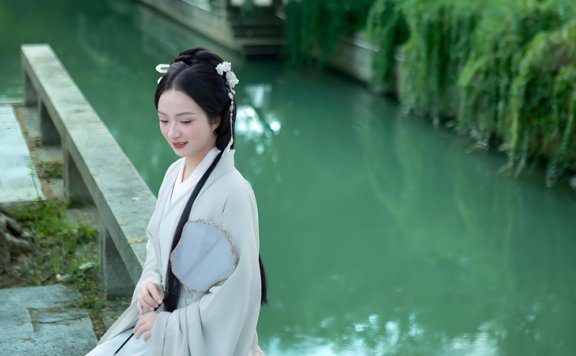
The Cultural Connotation and Future of Hanfu
Once confined to museum displays and historical dramas, traditional Chinese attire now flows through city streets worldwide. This isn't costume play—it's a cultural homecoming. Hanfu, the umbrella term for China’s pre-17th-century clothing systems, has leapt from ancient scrolls into contemporary wardrobes. Young designers, historians, and everyday enthusiasts weave threads of millennia-old aesthetics into modern life, creating wearable poetry that honors heritage without sacrificing relevance. The movement transcends fashion; it’s a tactile dialogue between dynastic splendor and digital-age identity, reshaping how generations connect with their roots. Echoes in Every Stitch Hanfu’s brilliance lies in its architectural diversity, mirroring China’s philosophical shifts across eras. The structured solemnity of Zhiju (直裾) robes from the Ming Dynasty speaks of Confucian order, while the Tang Dynasty’s wide-sleeved, high-waisted Ruqun embodies an open, cosmopolitan golden age. Song Dynasty silhouettes favored subtle elegance—cross-collared jackets paired with flowing skirts reflecting scholarly refinement. Each cut, from the curved-hem Quju (曲裾) to the horse-faced pleats of Mamianqun (马面裙), encodes dynastic values in fabric. Beyond aesthetics, these designs solved practical needs. Wide sleeves circulated air in humid summers, layered robes insulated against northern winters, and silk’s natural temperature regulation made it ideal for varied climates. The precision of symmetrical cutting (typically… -
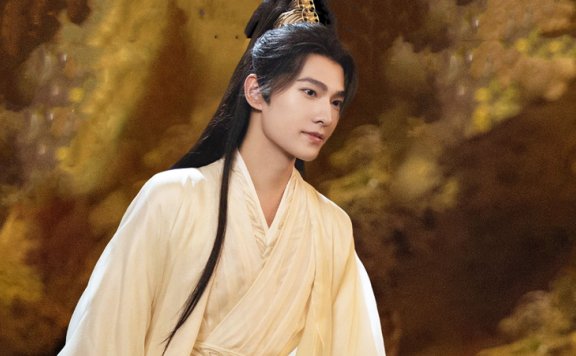
Mortal's Immortality Journey: Natural and Tech Faces Clash
The fantasy drama The Immortal Ascension (凡人修仙传), starring Yang Yang and Jin Chen, dominates streaming charts with its breathtaking scenery and spellbinding combat sequences. Praised by state media for its profound exploration of self-discovery through cultivation, the show's meticulously choreographed fights and dazzling special effects set a new standard for the genre. Yet amidst this visual feast, a discordant element emerges: the jarring presence of actresses whose altered facial features disrupt the very Xianxia essence viewers crave. Their performances, while competent, are overshadowed by the unnatural appearance that pulls audiences out of the immersive world. Technology Face 1. Jin Chen (金晨) Jin Chen portrays Nangong Wan (南宫婉), a character described as possessing noble elegance and devastating beauty. While her fight sequences are executed with impressive precision and she captures a certain aloofness fitting for a senior disciple, her physical presentation becomes an unintended focal point. An unnaturally sharp chin and sunken cheeks contrast sharply with the character's envisioned lush, majestic beauty. Distracting viewers further, an asymmetry in her mouth becomes noticeable during speech and expressions. This disconnect transforms what should be a character inspiring awe into one that provokes unintended scrutiny, diminishing the intended impact of Nangong Wan's ethereal presence.… -
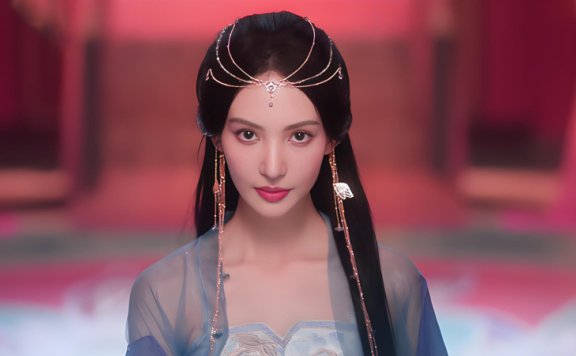
Jin Chen's Headdress: Reviving Ancient Chinese Beauty?
When Jin Chen (金晨) appeared wearing a beaded forehead ornament during a performance, audiences were stunned. Many declared this the perfect visual realization of Nangong Wan (南宫婉) from the popular fantasy series The Immortal Ascension (凡人修仙传). The delicate strands of beads, shimmering as she moved, sparked fascination. Was this intricate accessory authentically Chinese? What was its historical name and origin? This piece, evoking a blend of traditional elegance and exotic charm, represents a fascinating chapter in the evolution of Chinese adornment, challenging simple narratives of cultural borrowing. Echoes of Ancient Headwear This style of headwear, featuring strands of beads or gems draping across the forehead, finds roots deep within Chinese history. Archaeological evidence points to similar ornaments existing during the Warring States period, possibly earlier. Scholars identify it as a type of Yingluo (璎珞), a term broadly encompassing decorative netted or strung jewelery. More specifically, historical records and artifacts suggest names like Luosuo (络索), Lianshu (帘梳), and Weiji (围髻). Luosuo originally meant "cord" or "rope," evolving to describe hanging decorative elements. Song Dynasty poetry references golden Luosuo ornaments, while texts like the Southern Song Suijin (碎金) explicitly list it under headwear. Lianshu, evidenced by Song Dynasty artifacts, likely combined a functional… -
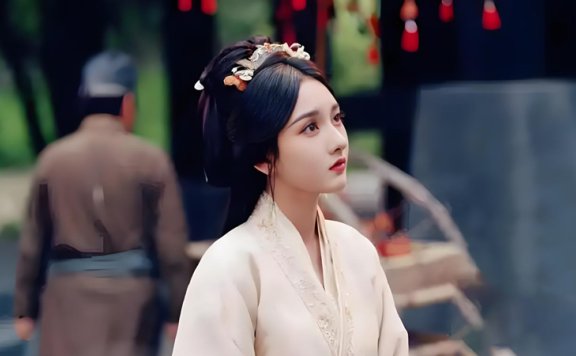
How Hanfu's Empty Spaces Create Living Poetry
Hanfu whispers where Western fashion shouts. This ancient Chinese attire reveals its genius not through ornate excess but through deliberate emptiness—inviting wind, light, and human grace to complete its design. Like a scroll with unpainted mist or a melody’s resonant pause, Hanfu transforms wearers into collaborators with nature. Its flowing sleeves and undyed linens become canvases for shifting sunlight and passing breezes, proving restraint holds more power than saturation. This philosophy of purposeful absence—Liubai (留白)—turns clothing into living art, where the unsaid speaks loudest. Colors Borrowed from Earth and Sky Forget laboratory dyes. Hanfu hues emerge from dawn skies, mossy stones, and autumn forests. Moonlight White isn’t stark but hazy—like fog on rice paper. Stone Blue mirrors rain-soaked cliffs, softened by centuries. Ocher glows like sunset-warmed clay. These colors reject artificial vibrancy, instead echoing landscapes. A plain white skirt in a gingko grove becomes gold-streaked when leaves pirouette onto its folds. Fabric doesn’t dominate; it adapts. Wind paints temporary patterns, shadows add depth, and seasons dictate palettes. Hanfu wearers don’t just dress—they carry fragments of the living world. This harmony extends beyond pigments. Linen and hemp breathe with the wearer, their muted tones shifting under sunlight like river currents. A…