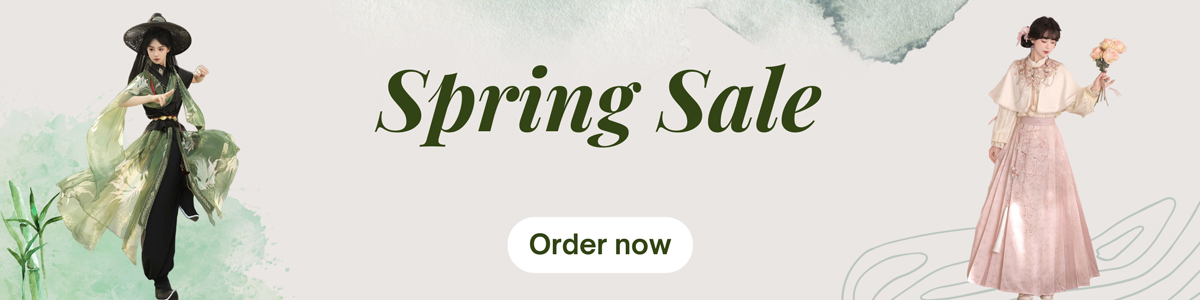
Over the past few years, hanfu has transformed from a niche hobby into a growing market worth billions. The number of people who wear traditional looks not only at festivals but also in their everyday lives is growing all over the world. According to NewHanfu, by 2028, the Chinese market is expected to have grown from its current valuation of 13.7 billion yuan (about $1.9 billion) to 33.4 billion yuan.
Inspiring stories from designers, stylists, photographers, and event planners prove that a love for hanfu can become more than just a hobby, but a full-time job. The only question is how to take the first step.
Why hanfu became a global trend
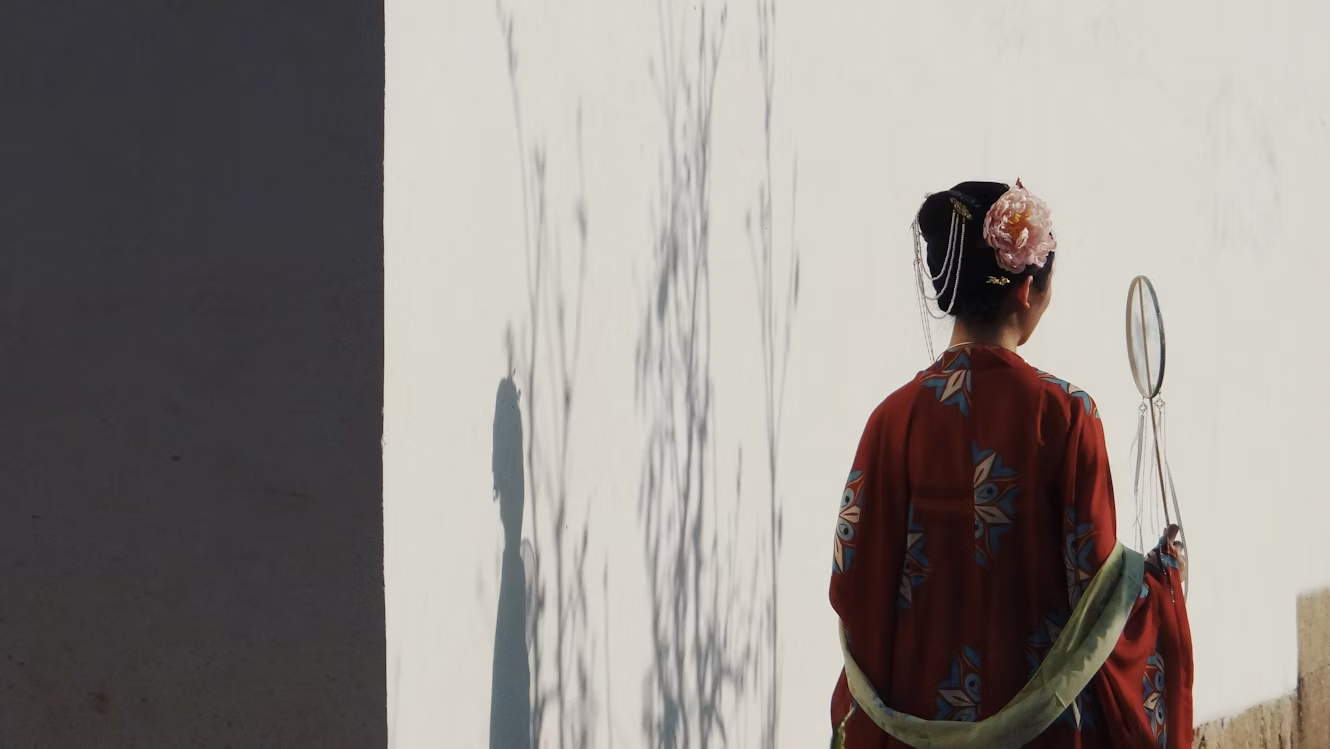
The Hanfu revival began in China in the early 2000s as part of a movement for cultural identity. Young people were looking for ways to express their connection with history, and traditional clothing became a vivid symbol of this. Online communities quickly united fans around the world: some shared patterns, others shared photos from festivals.
Pop culture projects also played a role. TV series like “The Palace” or “The Legend of Hao Lan” brought back the fashion for complex costumes and accessories. Against the backdrop of globalization, viewers from Brazil or Poland could be inspired by the characters’ images and want to try on hanfu themselves.
From hobby to profession: the first step
Many owners of successful workshops and brands started with small orders for friends. The key stage is the transition from an amateur approach to a systematic one:
- studying the history and varieties of costume to understand the cultural context;
- mastering sewing technologies, including traditional methods;
- understanding the modern market and target audience.
At this stage, it is important to determine how you want to monetize your hobby: through your own production, stylist services, event organization or media content.
If you have decided that hanfu can become part of your career, one question arises: how to find customers, partners or employers? Here it is important to understand that the hanfu market is not limited to China. There are designers working with European and American audiences, there are companies that need stylists and consultants for historical films, there are organizations that hold cultural festivals.
Once you know your direction, the next step is finding real-world opportunities – and that’s where global job platforms come in.
The website Jooble, an international job aggregator that collects offers from all over the world, helps with the search. On the platform, you can set up filters by keywords, profession and location to track not only obvious vacancies (“costume designer”), but also related areas: props assistant, traditional culture consultant, event coordinator. This approach makes it possible to enter international projects and collaborate with companies that value deep knowledge in the niche.
Hanfu career options
When people say “a career in hanfu,” they usually only think of designers. But the reality is much broader.
Production and design
This is the basis of the industry: creating your own collections, developing unique patterns, selecting fabrics. Here, skills in working with both modern equipment and manual finishing methods are in demand.
Stylist and consultant
On the set of historical films and TV series, specialists are needed who monitor the authenticity of costumes and accessories. Stylists also work on wedding photo shoots in the hanfu style or cultural festivals.
Content maker
Social networks have become a powerful channel for popularizing hanfu. Bloggers and photographers who create high-quality content can earn money from advertising, sponsorship integrations, and paid master classes.
Event planner
From small local meetings to international festivals, such events require people who can combine cultural and organizational parts.
Skills that will increase the chances of success
Regardless of the chosen direction, it is worth developing several competencies at once:
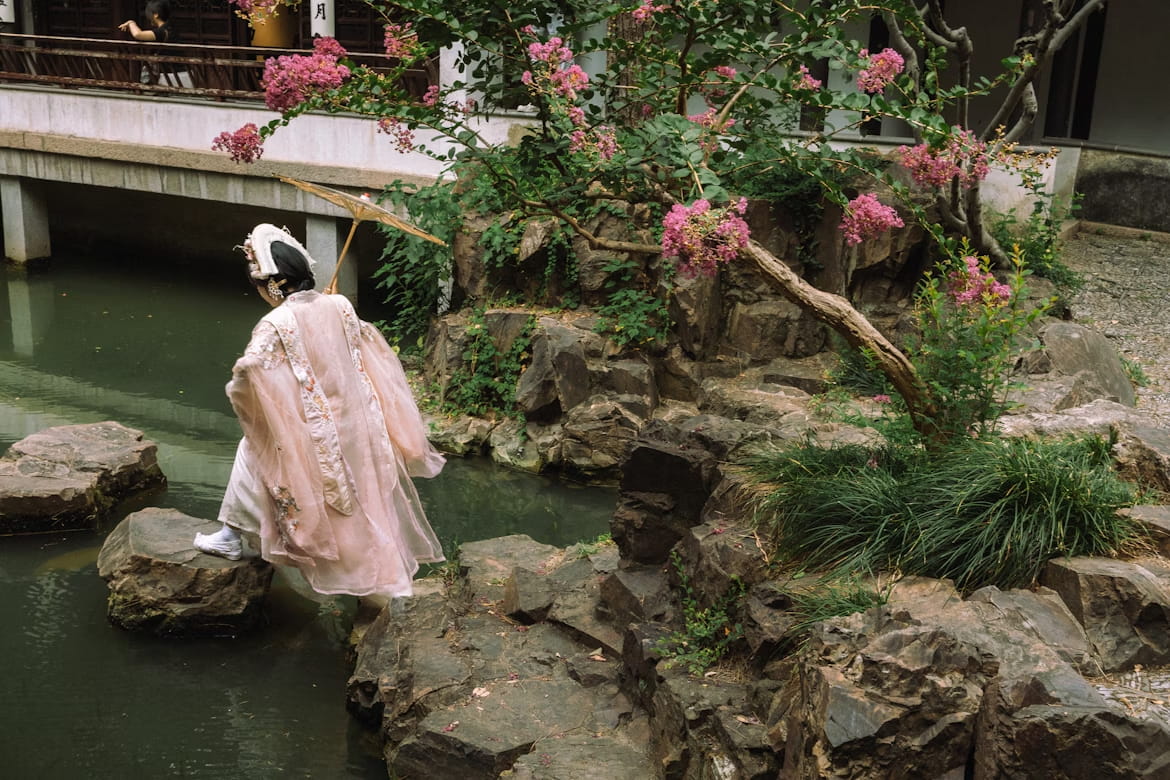
- Historical literacy – understanding the distinct styles of different dynasties and regions. For example, knowing that Tang-era hanfu often features wide sleeves and ornate embroidery, while Ming-era designs favor structured silhouettes. This knowledge builds authenticity and earns trust from clients who value cultural accuracy.
- Technical skills – from hand sewing and fabric dyeing to 3D modeling of costumes for digital projects. A designer who can create both a physical garment and a digital prototype is more competitive in markets that blend traditional fashion with gaming, VR, or film production.
- Communication – the ability to work with clients, models, photographers, and event organizers. Whether you are clarifying measurements, discussing design adjustments, or negotiating fees, strong interpersonal skills ensure smoother projects and fewer misunderstandings.
- Marketing – knowing how to promote your services or brand online. This can mean mastering Instagram Reels to showcase the flowing motion of hanfu sleeves, running targeted ads for festival-goers, or collaborating with influencers who share your cultural niche.
For example, a designer who understands how the Instagram algorithm works can quickly attract clients from other countries.
Financial side
According to the Chinese marketplace Taobao, the average price of a ready-made hanfu set in 2024 was about $50–150, while exclusive designer items can cost $500 and up. At the same time, production costs depend on fabrics and the level of detail, and the margin, if properly organized, can be comparable to the luxury segment.
However, earnings in this area are rarely stable from the very beginning. The first months (and sometimes years) may require investments in equipment, marketing, and travel to events.
Start small, and let each project bring you closer to your goal.
- Start with a small niche, such as accessories or tailored models for everyday wear.
- Develop a personal brand through social networks, showing not only finished works, but also the process of their creation.
- Study the international market and look for collaborations – this will help you go beyond the local audience.
- Don't be afraid to participate in competitions and festivals: this gives you experience and contacts.
Final words
Hanfu is not just clothing, but a cultural phenomenon that unites people around the world. Today, it can become not only a source of inspiration, but also the basis for a career in fashion, film, education, and event management. The main thing is to treat it as a full-fledged project: study, develop skills, look for opportunities, and be ready for a long-term journey.