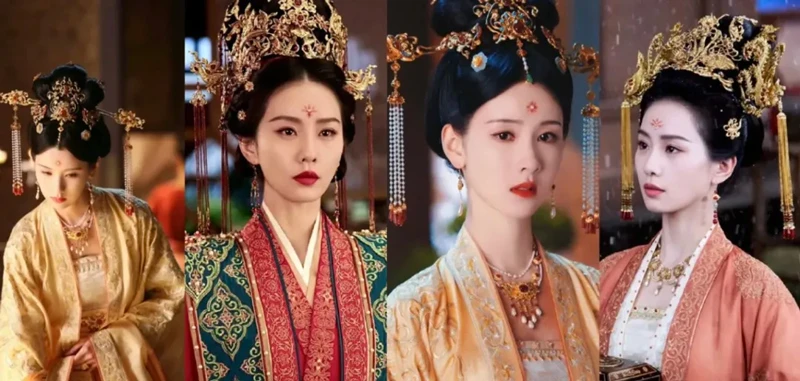
Did ancient nobles truly never wash their ornate ceremonial robes? The glittering gowns and intricate court attire seen in historical dramas often spark this question. While it seems unthinkable to modern sensibilities, the care of these garments followed a logic dictated by material constraints and social symbolism. The reality is more nuanced than a simple yes or no.
The Delicate Art of Preservation
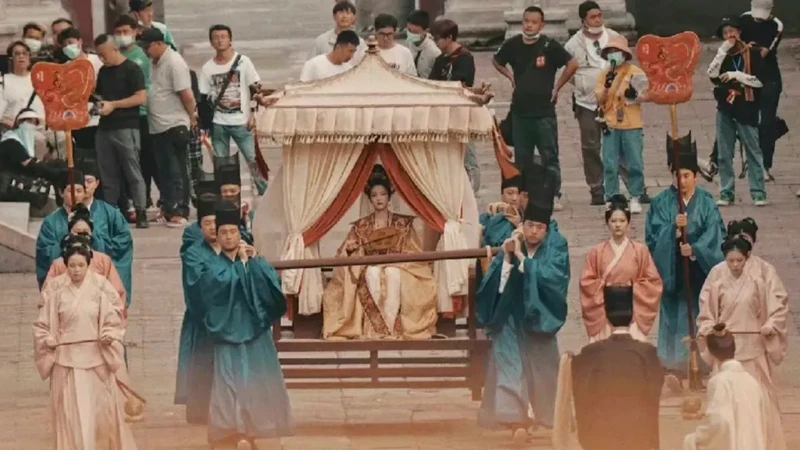
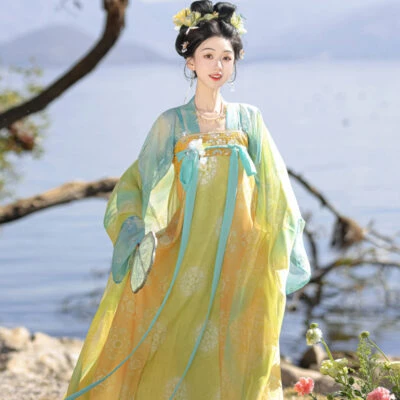
For the most splendid attire—the emperor’s dragon robe, a noble’s court dress, or a lady’s ceremonial Xiapei (霞帔)—complete immersion in water was typically avoided. This was not negligence but necessity. The fabrics and adornments were extraordinarily fragile. Silks, luxurious Yun Jin (云锦), and cloth-of-gold could be ruined by water. Protein-based silk fibers shrink, wrinkle, and lose their luster when washed. The true peril, however, lay in the decoration.
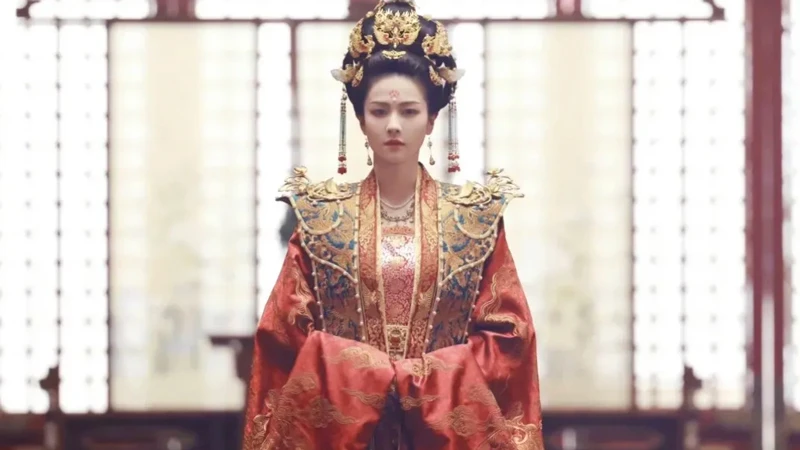
Embroidery often used Jinxian (金线, gold thread) made from silk wrapped in thin gold foil. Water could cause this foil to detach or oxidize, turning black. Pearls and gemstones might be waterproof, but the threads securing them were not; moisture loosened them, risking loss. A single robe could consume hundreds of meters of such thread. Washing it would transform a masterpiece into a crumpled, tarnished shadow of itself, an irreplaceable loss far beyond mere waste.
The strategy was maintenance over cleaning. These garments were worn sparingly, reserved for grand ceremonies like sacrifices, court audiences, or weddings. Afterward, they were carefully aired, folded, and stored in camphor wood chests to ward off dampness and insects. Localized stains might be tackled by specialized servants using dry cloths, minute amounts of alcohol, or rice water dabbed precisely on the spot, followed by air-drying away from sun. When a garment became too soiled or outdated, it was simply replaced. For the aristocracy, maintaining impeccable appearance outweighed the cost of the robe itself.
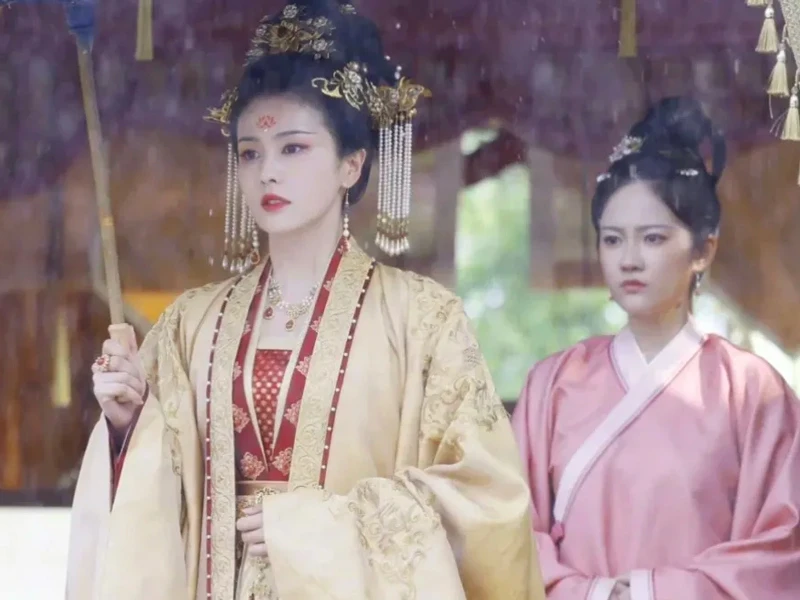
Everyday Cleansing Rituals
Contrary to the fate of ceremonial wear, the nobles’ everyday clothing was washed regularly. Inner layers like Zhongyi (中衣, under-tunics) and trousers required frequent cleaning for basic hygiene. Historical records, such as the classic novel A Dream of Red Mansions, depict maids like Xiren (袭人) regularly starching and laundering the daily wear of masters like Baoyu (宝玉).
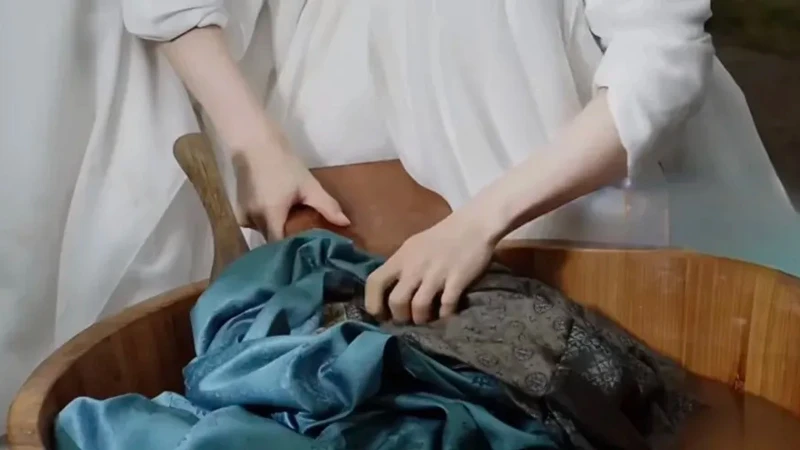
Estates had dedicated laundry spaces and servants, while commoners might use commercial washing services. The methods differed from today’s. Without modern detergents, people relied on natural cleansers: plant ash, crushed Zaojia (皂角, Chinese honey locust pods) for mild lather, or early soap forms like Yizi (胰子), made from animal pancreas and fat.
Sturdier fabrics like cotton and linen were scrubbed with these agents. For delicate silk daily wear, a gentle wash in mild Zaojia water was followed by rinsing and flat-drying in shade, never direct sun. The noble standard of cleanliness was high; clothes were changed and laundered after a day or two of wear, long before they became heavily soiled. This practice was, in fact, far more fastidious than the “wear until worn-out” necessity often faced by the poor.
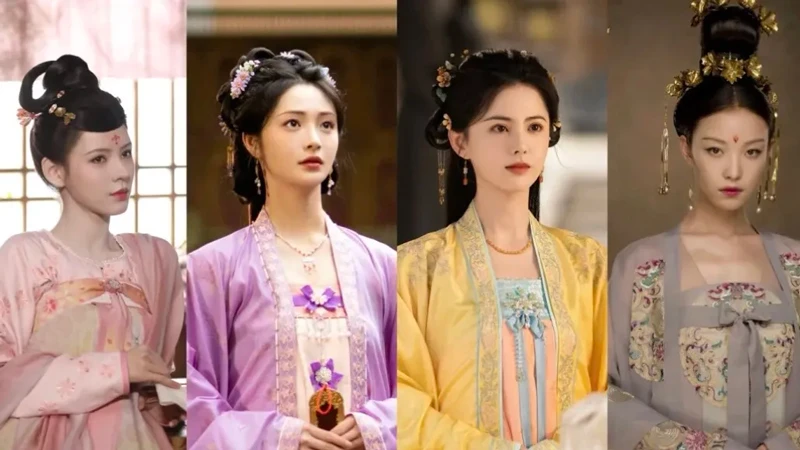
The very inability to wash certain items became a potent status symbol. Owning garments too precious to launder signaled immense wealth—enough to commission them and absorb the cost of limited use. It also implied a life free from manual labor, where clothes wouldn’t suffer heavy soiling. Conversely, the coarse, frequently washed clothes of the commoner became a marker of their station. In hot climates, nobles might use sachets of perfume within clothes, air them in breezy areas, or fumigate them with incense to refresh scents, a practice of “masking odor with fragrance” to uphold decorum.



Absolutely fascinating! Truly wonderful to have a look into the care of these garments. Really says a surprising amount about society back then. Really cool!!
So glad you enjoyed it! History is full of fun little secrets like this.