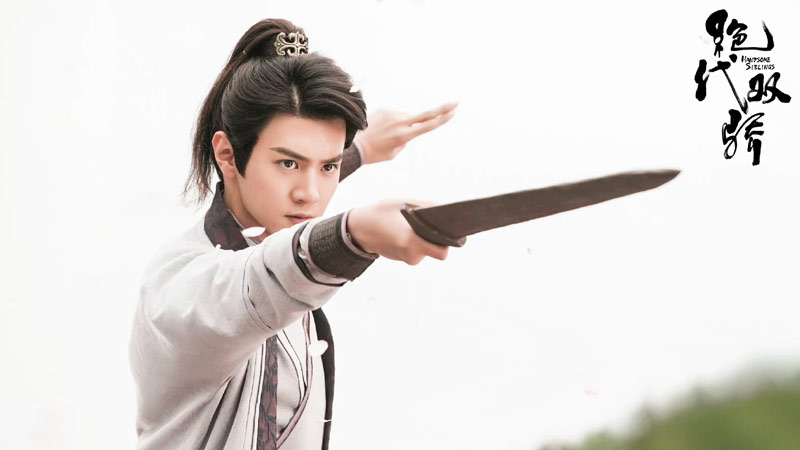
Chen Zheyuan (陈哲远), rising from indie films to mainstream acclaim, charms audiences with his chameleonic acting and intellectual depth. A philosophy graduate, he infuses characters with nuanced introspection—especially in historical roles. From brooding swordsmen to witty scholars, his seamless transitions between vulnerability and intensity redefine costume dramas. Discover how this versatile actor elevates every production with meticulous emotional layering.
 Handsome Siblings (2020) 绝代双骄
 Handsome Siblings (2020) 绝代双骄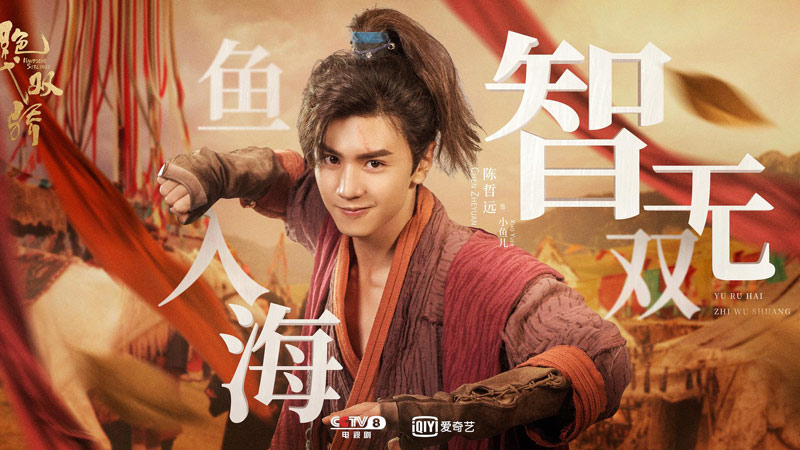
Plot Overview: A Clash of Destinies Forged in Deception
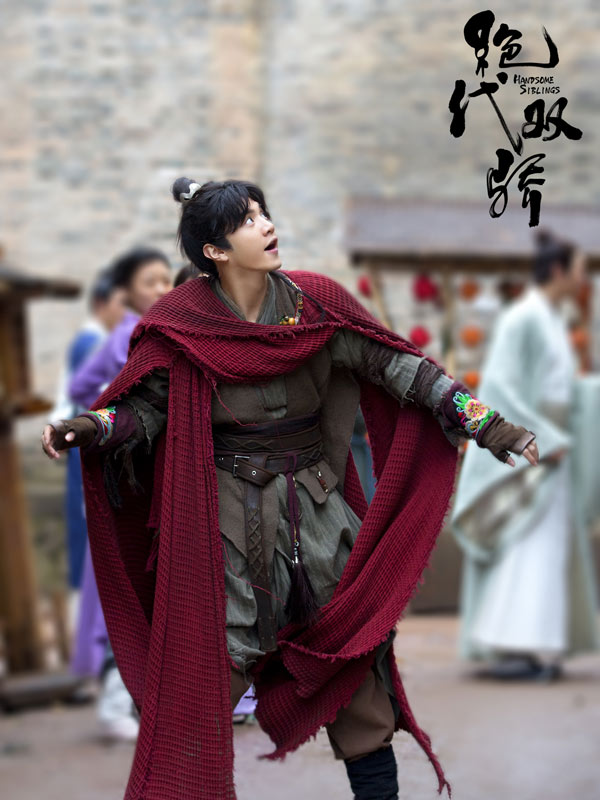
Set within a vivid martial world inspired by the aesthetics and power structures of the Ming Dynasty, Handsome Siblings unravels the tragic destiny of twin brothers, Hua Wuque (Hu Yitian) and Xiao Yu'er (Chen Zheyuan). Torn apart in infancy by Yi Yue, the formidable leader of the Floral Palace, their separation is no accident of fate but a deliberate act of vengeance. Each brother is raised in diametrically opposed worlds, groomed as unwitting weapons against the other. Hua Wuque is nurtured within the aristocratic, disciplined confines of the Floral Palace, mastering elegant martial arts and embodying noble perfection. Xiao Yu'er, conversely, survives and thrives in the chaotic, morally ambiguous Evil Valley, honed by rogues into a cunning, unorthodox genius.
Their paths violently converge as adults, propelled by Yi Yue's engineered conflict. Xiao Yu'er, driven to investigate the mysterious deaths of their parents, finds himself the target of assassination orders received by Hua Wuque. This collision ignites the series' core conflicts across interwoven dimensions:
Identity Warfare: The central tragedy lies in the brothers' profound ignorance. They duel, scheme, and clash, all while unknowingly seeking the same truth about their shared lineage. Hua Wuque's internal struggle is particularly acute, torn between his ingrained loyalty to the Floral Palace mentors who raised him and the stirrings of his innate morality, especially when facing the inexplicably compelling Xiao Yu'er.
Martial Arts Supremacy: Their combat styles mirror their upbringing. Hua Wuque's Floral Palace techniques are refined, precise, and aesthetically perfect, reflecting order and control. Xiao Yu'er's Evil Valley training is pragmatic, unpredictable, and often unorthodox, embodying chaos and adaptability. Every duel between them is not just a physical contest but an ideological clash.
Legacy Politics: The discovery of a treasure map promising legendary martial arts scrolls throws the brothers into a wider, treacherous power struggle. Scheming factions like the ambitious Murong Clan see the map as a path to dominance, forcing Hua Wuque and Xiao Yu'er into precarious temporary alliances, even as the Floral Palace's kill order hangs over their heads. This external pressure constantly tests their burgeoning, unspoken connection.
Why It Resonates: Beyond Spectacle to Emotional Depth
Handsome Siblings garnered a respectable Douban rating of 7.5 upon its conclusion in early 2020 (source: Douban.com, verified Dec 2020), a testament to its reception beyond mere action sequences. Its true power lies in its dissection of cyclical violence through the intimate lens of brotherhood. The series transcends standard wuxia revenge narratives, transforming into a poignant exploration of identity and loyalty.
The Core Tragedy: Hua Wuque's existential crisis forms the emotional backbone. His journey is a Shakespearean struggle – the conflict between filial duty to manipulative parental figures and the undeniable pull of blood kinship and personal conscience. His torment elevates the narrative far beyond simple heroics.
Complex Characters: Xiao Yu'er's infectious humor and street-smart resilience serve as a compelling mask for deep-seated survivor's guilt and a longing for belonging. This tonal balance – weaving humor, tragedy, and adventure – is a rare achievement within the wuxia genre.
Authentic Execution: Director Zou Jicheng made a crucial choice to prioritize practical stunt work over excessive CGI. Fight scenes, particularly the memorable duels within bamboo forests, possess a tangible weight and grace, grounding the fantastical elements of the Jianghu in believable physicality. This commitment extends to the visual storytelling. Costume designer Chen Minzhi meticulously crafted wardrobes that visually define the brothers' worlds: Hua Wuque's pristine, cool-toned silks radiating detachment and discipline, starkly contrasting with Xiao Yu'er's practical, often patched leathers, reflecting his rugged upbringing and connection to the earthier aspects of the martial world.
Genre Evolution: The series subverts traditional wuxia tropes by consistently prioritizing the emotional consequences of violence, betrayal, and destiny over sheer spectacle. The focus remains firmly on how choices shape the characters and their relationships.
Universal Relatability: At its heart, Handsome Siblings explores the timeless, universal conflict of self-determination versus imposed destiny. Both brothers grapple with the paths laid out for them by others, fighting to understand who they truly are beyond the roles they were forced to play.
Chen Zheyuan's Defining Performance
Chen's mastery lies in his portrayal of trauma simmering beneath an exterior of porcelain composure. Hua Wuque is the epitome of Floral Palace elegance – his posture, his movement, his initial stoicism are flawless. Yet, Chen expertly etches cracks in this perfection through meticulously controlled details: the almost imperceptible tremor in his hand as he raises his sword, the slight hesitation in his voice when confronting Xiao Yu'er, the flicker of confusion in his eyes when his orders clash with his instincts. A prime example is the tense, silent standoff in Episode 13, where volumes are spoken through stillness and the subtle tension in Chen's expression.
Fight choreographer Tan Xucong explicitly designed Hua Wuque's combat style as "controlled collapses" (as detailed in a 2020 interview with Southern Weekly). Chen embodies this concept perfectly. His Qinggong (lightness skill) is fluid and ethereal, a ballet of controlled power. However, when emotionally provoked, particularly in moments involving Xiao Yu'er, this control shatters. His movements become sharper, more desperate, sometimes devolving into raw grabs – a physical manifestation of his inner turmoil breaking through years of rigid discipline.
Chen Zheyuan's background in philosophy reportedly informed his approach to the character's psychological unraveling. This depth is palpable, culminating in the climactic, tear-streaked confession: "I wish I were the orphan." This line delivery is devastating, layering years of suppressed agony with a shattering moment of catharsis and longing. It's this nuanced, layered execution that transforms Hua Wuque from a archetype into a deeply tragic and relatable figure. Chen's performance doesn't just depict the character; it is the living embodiment of the series' core thematic question: In a world fractured by manipulation and violence, can the inherent bonds of kinship and individual conscience ultimately overpower the destructive forces of nurture and imposed destiny?
The Princess and the Werewolf (2023) 郎君不如意
 The Princess and the Werewolf (2023) 郎君不如意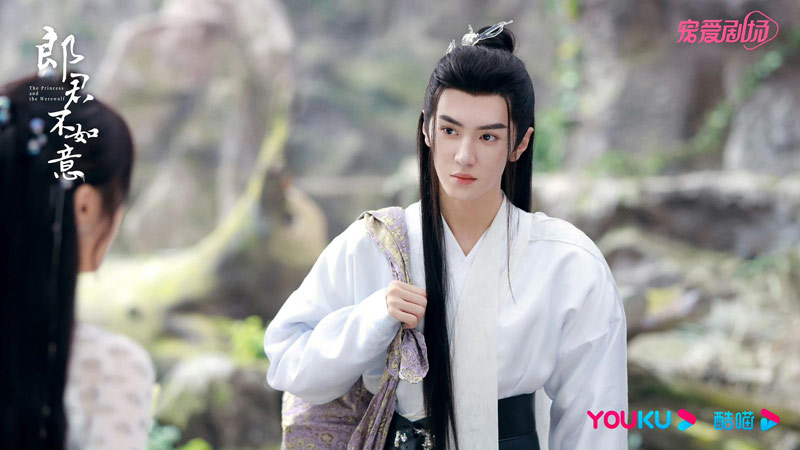
Plot Overview: A Princess, a Beast, and a Matriarchy's Secrets
Set in the fictional matriarchal kingdom of Qiyue—a world blending Tang Dynasty aesthetics with inverted gender hierarchies—The Princess and the Werewolf follows Princess Qiji (Wu Xuan-yi), a headstrong royal coerced into marrying the ostracized Prince Li Xiong (Chen Zheyuan). Publicly branded a "beastly outcast," Li Xiong harbors a curse: by day, he embodies a refined scholar skilled in statecraft and poetry; by night, he transforms into a feral creature with primal instincts. Their union ignites conflicts:
Biological Sabotage: Li Xiong's curse originates from a poisoned tea ceremony orchestrated by his aunt, Queen Dowager Lü, to destabilize the throne.
Gender Subversion: The matriarchy's "Phoenix Edict" law, enforcing female-led marriages, becomes satirical fodder as Qiji wields crossbows in council meetings while Li Xiong brews antidotes—flipping traditional power dynamics.
Class Rebellion: Night-market scenes expose exploited silk weavers whose labor funds the conspiracy, catalyzing Li Xiong's alliance with commoners against systemic corruption.
Qiji's investigation into palace intrigues intertwines with her growing entanglement with Li Xiong's dual identities, culminating in a battle against institutional rot.
Why It Resonates: Rom-Com as Social Critique
The series elevates fantasy-romance conventions into sharp sociopolitical commentary, resonating through three innovations:
Dual Identity as Gender Parody: Li Xiong's curse becomes a metaphor for performative masculinity. By day, he recites Confucian classics; by night, he shreds royal robes to protest dress codes. Chen Zheyuan's performance oscillates between scholarly precision (adjusting torn sleeves with deadpan irony) and anarchic physicality (growling at misogynistic ministers), embodying resistance against rigid gender norms.
Matriarchy's Hypocrisy Exposed: Qiji's feminist ideals crumble when she inherits slave attendants, forcing her to confront the kingdom's systemic flaws. The true antagonist is not the curse but institutional corruption—critiquing both patriarchal and matriarchal power structures.
Visual Semiotics in Worldbuilding: Costume design employs color psychology: Qiji's crimson robes fade to muted blues as she abandons dogma, while Li Xiong's beast-form fur hides embroidered chrysanthemums—symbolizing intellect trampled by prejudice. Director Cheng Feng (of Ashes of Love fame) grounds fantasy in Tang-inspired aesthetics, minimizing CGI for practical effects that enhance emotional authenticity.
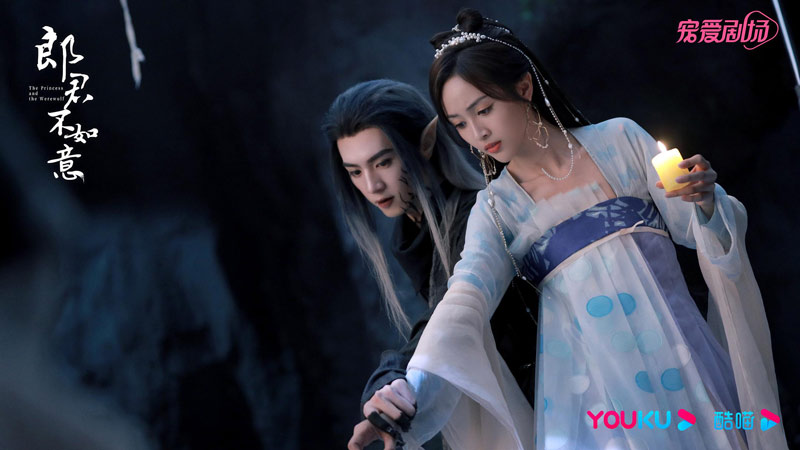
Chen Zheyuan's Defining Performance: Anatomy of a Dual Role
Chen's portrayal transcends the "beastly prince" trope through meticulous physicality and emotional layering. Collaborating with movement coach Wang Lei (Avatar's motion-capture artist), Chen developed distinct languages.
Scholar Li Xiong: Tapered finger placements, bowed gait, and ASMR-level whispers mirroring Tang literati portraits.
Beast Form: Gorilla-inspired knuckle walks, dilated pupils (achieved via voluntary mydriasis training), and guttural vocal fry.
This duality reflects the character's struggle between cultural refinement and primal survival.
In Episode 15's moonlit confession, the beast-formed Li Xiong claws his own arm to stay conscious while murmuring Li Bai's poetry—a poignant juxtaposition of savagery and cultural yearning 9. Episode 7's "Library Destruction" scene sees him weeping over torn manuscripts mid-snarl, crystallizing his fractured identity.
Chen mines humor from absurdity (e.g., scoffing at misogynists while mid-transformation) without sacrificing pathos. His performance anchors the series' thesis: True humanity lies in embracing complexity, not conforming to roles.
Sword and Fairy 4 (2024) 仙剑四
 Sword and Fairy 4 (2024) 仙剑四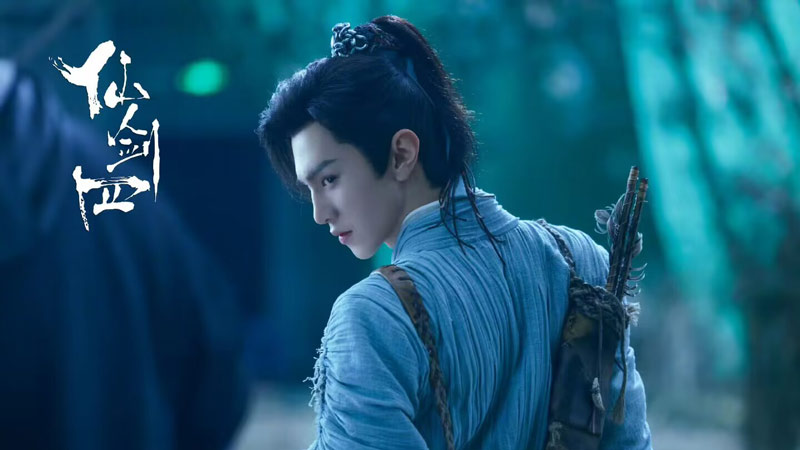
Plot Overview: A Mortal's Defiance Against Celestial Tyranny
Set in a mythologized Three Kingdoms era where celestial beings manipulate mortal destinies, Sword and Fairy 4 follows Yun Tianhe (Chen Zheyuan), a feral youth raised in isolation on Mount Kunlun after his clan—a tribe of half-human, half-celestial hybrids—is exterminated by order of the Jade Emperor. Tianhe's sole inheritance is the Celestial Sundowner Bow, a divine weapon demanding emotional clarity to wield. His solitary existence shatters when tomb-raider Han Lingsha (Ju Jing-Yi) steals Fuxi's Jade, a resurrection artifact that inadvertently binds their fates. Their quest spirals into interconnected conflicts:
Heaven's Oppression: The Jade Emperor's purge of "impure" hybrids mirrors historical ethnic persecution, framed through xianxia's karmic justice system. Tianhe's survival becomes a living affront to celestial authority.
Rebellion Mechanics: Joining the Shouyang Rebels, Tianhe's archery evolves into tactical genius. His "Rain of Light" barrage (Episode 12) disrupts heavenly battalions by severing their qi formations—exploiting celestials' dependence on cosmic energy.
Resurrection Paradox: To revive his clan, Tianhe must shatter Fuxi's Jade, an act that would collapse the mortal-celestial barrier. The climax (Episode 24) forces him to choose between familial love and universal stability—a decision demanding annihilation of his own identity.
Chen Zheyuan's Performance: Archery as Embodied Trauma
Chen transforms Yun Tianhe from naïve outcast to tormented hero through physiological precision and symbolic physicality:
The Bow as Emotional Extension: Tianhe's archery is less combat skill than embodied grief. Each arrow carries 19 years of isolation. In Episode 26's resurrection ritual, Chen cycles wordlessly through denial, rage, and acceptance in 90 seconds—his trembling hands and fractured breaths elevating CGI spectacle with human fragility. Trained by Olympic archery coach Li Zhengyuan, Chen mastered the thumb-draw technique (historical Chinese archery) and sustained 40-pound draw weights for authenticity. His posture charts Tianhe's psyche: early scenes feature sloppy releases (isolation's toll), later battles reveal taut, centered stances (resolve forged through loss).
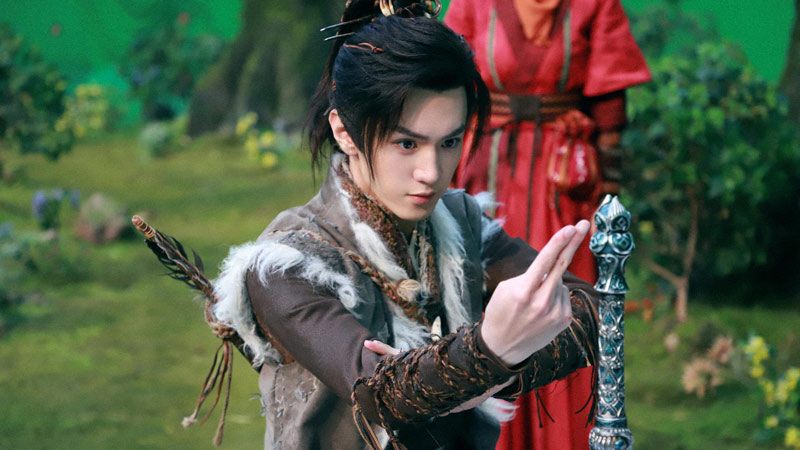
Innocence Fractured by Revelation: Chen layers Tianhe's "childlike" traits with unsettling gravity. When learning of his clan's massacre (Episode 7), his smile freezes mid-laugh—Chen holds the expression for eight seconds before collapsing, visualizing innocence shattering. Dialect coach Zhang Li noted Chen's intentional use of Sichuanese-inflected Mandarin for rural authenticity, later replaced by standard tones as Tianhe gains political consciousness.
Duality in Action: The viral "Farewell Volley" (Episode 18) sees Tianhe fire arrows while free-falling. Chen's tear-streaked face remains in focus, trembling lips contrasting with the arrow's lethal precision—a duality earning the scene viral hashtags (#BowOfSorrows).
Visual and Thematic Innovation
The series reimagines fantasy conventions through tangible symbolism and political allegory:
Magic with Material Consequences: Unlike generic "qi blasts," Tianhe's arrows physically corrupt environments. Piercing a celestial gate releases black ooze—a metaphor for systemic rot. VFX supervisor Liu Xin prioritized "tangible magic" using fluid dynamics simulations, ensuring supernatural events resonate with visceral weight.
Costuming as Character Arc: Designer Chen Minzhi (The Longest Day in Chang'an) outfits Tianhe in untreated hemp (symbolizing wildness), later overlaid with rebel armor—but never fully covered. This visual language underscores his refusal to assimilate into oppressive systems.
Tragedy Beyond Romance: While Tianhe and Lingsha's bond anchors the narrative, their love is instrumentalized by celestial forces. The true tragedy lies in Tianhe's realization that resurrection demands self-annihilation—a critique of destiny's cruelty masked as heroism.
Why It Resonates: A Landmark in Xianxia Storytelling
Sword and Fairy 4 transcends its RPG origins by intertwining personal trauma with cosmic rebellion:
The Jade Emperor's "purification" edict parallels real-world ethnic persecution, framing genocide as divine mandate. Tianhe's rebellion—a half-human weaponizing celestial tools against heaven—embodies marginalized resistance.
Director Yang Long prioritized character-driven moments, like Tianhe's silent scream when drawing an arrow (Episode 30)—a choice that resonated globally, with Variety noting its "raw vulnerability amid mythical grandeur".
Unlike nostalgia-bait adaptations, the series reinterprets the game's themes for contemporary audiences. Tianhe's final choice—shattering the jade to save mortals, dooming his clan—replaces heroic triumph with bittersweet sacrifice, challenging xianxia's redemption tropes.
Sword and Fairy 4 is a masterclass in fantasy tragedy, elevated by Chen Zheyuan's career-defining performance. Its fusion of historical allegory, innovative action, and emotional depth cements it as 2024's most audacious xianxia epic—a bowshot aimed straight at the genre's heart.
The Golden Hairpin (Anticipated 2025) 青簪行
 The Golden Hairpin (Anticipated 2025) 青簪行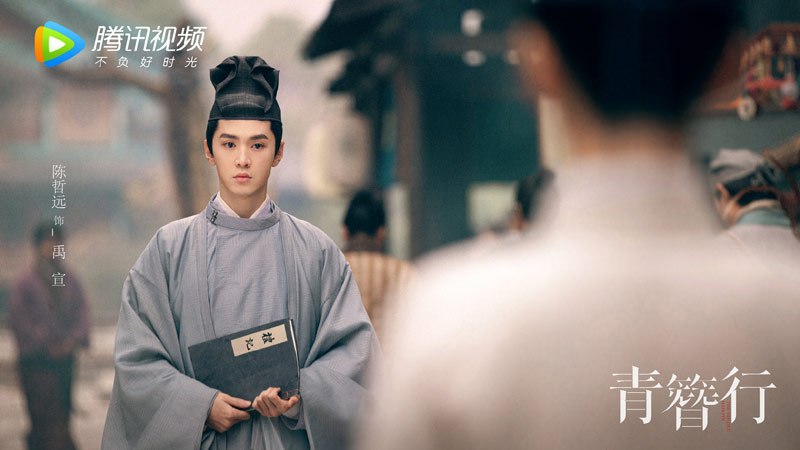
Yang Zi stars as Huang Zixia, a brilliant young investigator framed for her family's massacre. Forced into hiding, she seeks aid from the guarded Prince Li Shubai (Chen Zheyuan). The series centers on Huang Zixia using her hairpin as a tool to dissect complex mysteries while navigating treacherous court politics. Her pursuit of justice gradually challenges the prince's cynicism, forging a partnership blending intellectual rigor and reluctant trust. The dynamic between Yang Zi, known for emotive depth, and Chen Zheyuan's poised intensity suggests a compelling exploration of truth-seeking within a perilous power structure. Expect intricate plotting focused on deduction over action, grounded in the leads' evolving alliance.
Key Appeal:
- Cerebral mystery-solving via tangible clues (e.g., hairpin as "brush").
- Slow-burn partnership bridging intellect and authority.
- High-stakes political intrigue within a historical framework.
Song of Joy (Est. 2025) 一笑随歌
 Song of Joy (Est. 2025) 一笑随歌
Li Qin portrays Fu Yixiao, an archer whose pivotal shot wounds enemy commander Feng Suige (Chen Zheyuan), altering a battle's outcome. After Fu Yixiao suffers amnesia from a fall, she's rescued by healers—only to encounter Feng Suige again. Recognizing her state is linked to his own wartime ordeal, Feng Suige proposes a wary truce: he helps her survive relentless pursuers while she aids his investigation into hidden conspiracies. Set in the volatile Yu Jing City, this forces former foes into uneasy reliance. Li Qin's versatility suits Fu Yixiao's vulnerability and resilience, while Chen Zheyuan navigates Feng Suige's tactical pragmatism softening into protectiveness. The narrative prioritizes survival-driven collaboration evolving into romance amidst layered schemes.
Key Appeal:
- Adversarial alliance born of necessity and mutual suspicion.
- High-tension survival within a politically chaotic urban setting.
- Character-driven development where trust emerges from shared peril.
Meng Hua Ting (Pre-production, 2026) 梦花廷
 Meng Hua Ting (Pre-production, 2026) 梦花廷
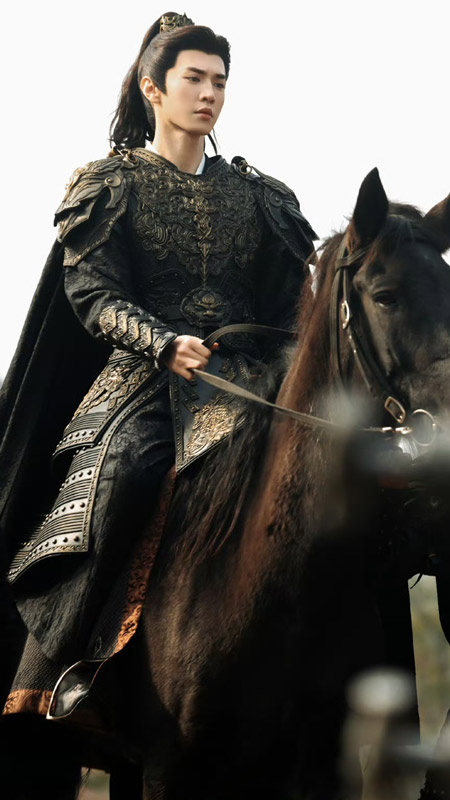
Zhang Jingyi plays Ti Lan, an imprisoned princess of Xiangnan who awakens prophetic "Blind Songstress" powers after a coup. Chen Zheyuan is Tang Qianzi, a bodyguard to a prince from rival nation Dazheng, who becomes unexpectedly bound to Ti Lan through a political marriage. Their profound connection is tested when Dazheng's grief-stricken Crown Prince (fixated on Ti Lan's resemblance to his late wife, also portrayed by Zhang Jingyi) threatens their bond. Amidst escalating war, Ti Lan leverages her foresight to defy fate alongside Tang Qianzi. Zhang Jingyi's dual role potential and Chen Zheyuan's protective intensity anchor this tale of love resisting political exploitation and prophecy. The conflict merges personal loyalty with large-scale rebellion.
Key Appeal:
- Fantasy-tinged political struggle (prophecy vs. agency).
- Central romance forged in defiance of manipulation and war.
- Moral complexity: characters as both pawns and active rebels.
Chen Zheyuan's costume dramas thrive on his commitment to emotional archaeology—unearthing contemporary relatability within historical contexts. Whether deconstructing masculinity in My Husband or embodying poetic tragedy in Meng Hua Ting, he rejects caricatures for soulful authenticity. His philosophy-honed insight into human nature makes each role a masterclass in restraint. Don't miss this actor's evolution: follow his trail from Jianghu adventures to republican revolution.