
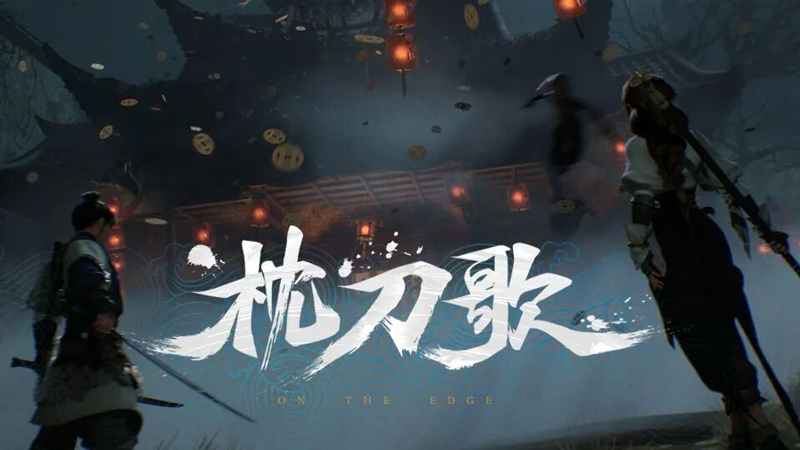
In a landscape where traditional Wuxia stories struggle to capture modern attention, one team refuses to let the dream fade. The creators behind the acclaimed animated series Song of the Blade (枕刀歌) have made a desperate, daring pivot. After years of producing a visually stunning, narratively gritty saga, they faced a dead end. Their answer was not to surrender, but to change the battlefield entirely. Now, they are channeling six years of accumulated passion into a single-player RPG game, carrying the soul of their series into a new realm. This is not a corporate expansion, but a story of survival—a final stand for a particular vision of honor and revenge in the martial world.
A Story of Survival
The path here has been brutally difficult. After the second season concluded, the original animation studio went bankrupt, felled by a combination of financial blows and shifting platform support. The team, stubbornly dedicated, managed to reassemble and produce a third season, only to see it meet with a muted reception in a crowded market. They endured betrayals from within and vanishing support from without. Yet, the core vision for their world—a world of concise dialogue, morally ambiguous characters, and breathtakingly visceral combat—remained intact.
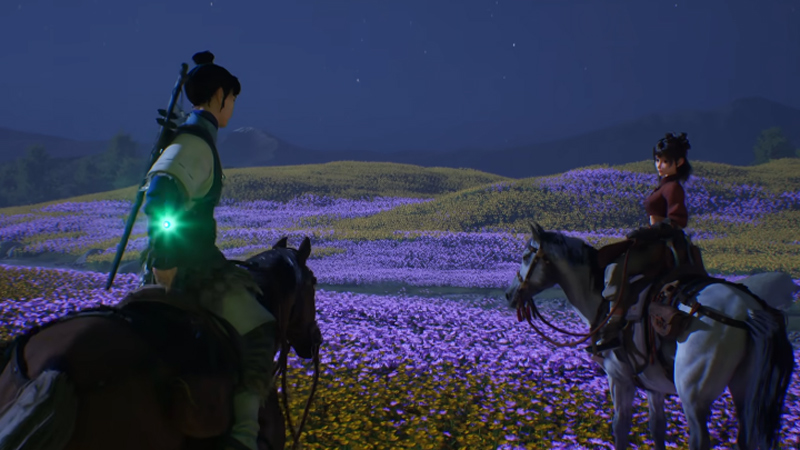
This resilience defines them. Moving into game development was not a whimsical leap, but a strategic retreat to familiar ground. Several key members had prior experience in the gaming industry. For them, creating this RPG is a homecoming of sorts, a way to apply their narrative and artistic skills through a different lens. It is a pragmatic choice, born from necessity, but fueled by an unwavering belief in the story they have to tell.
Their commitment is a stark contrast to the fate of another project bearing the Song of the Blade name. A separate action game, Song of the Blade: Bai Ren Xing (枕刀歌:白刃行), developed by an external studio, has effectively been canceled due to funding issues. The team is quick to clarify that their current endeavor is an entirely independent project, a fresh start built from their own hands, free from the baggage of past disappointments.
A New Blade, Same Edge
The upcoming game is a turn-based RPG, crafted with the Unreal Engine 5. This choice of genre is revealing. In an era dominated by fast-paced action titles, opting for a deliberate, strategic combat system is both a practical and philosophical decision. Limited by budget and scale, it allows the team to focus on their strengths: meticulous scene composition, character-driven storytelling, and the tactical depth of martial arts, avoiding direct competition with saturated action genres.
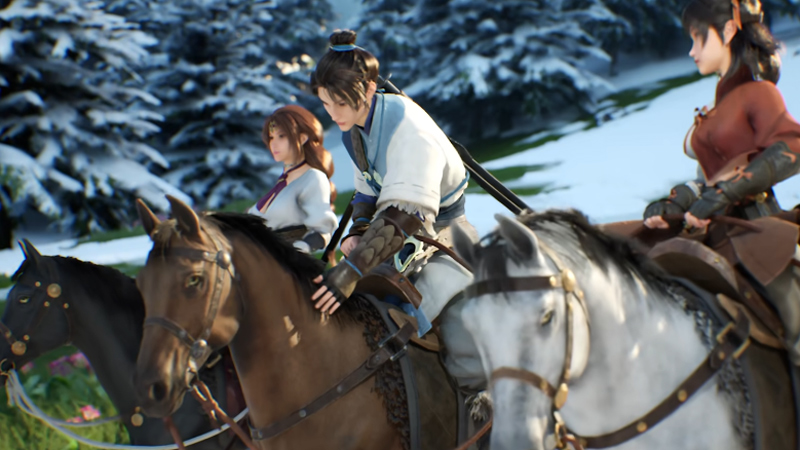
The game will exist within the established universe of the animation but will follow a new protagonist and a fresh central plot. This ensures accessibility for newcomers, who can step into this Jianghu without prior knowledge. For dedicated fans, it offers deep enrichment. Beloved characters like the the vengeance-driven He Fangzhi (何方知) will appear, and unresolved threads from the series—such as the bond between Xiao He (小何) and A Ya (阿牙), or the full story of Long Chong (龙充)—will be explored through side quests and narrative details. The game’s timeline will intertwine with the animated plot, creating a richer, more complete tapestry.
The developers are strikingly transparent about the project's early state, with less than a year of full development behind it. They openly acknowledge the rough edges in current previews, even humorously calling themselves "primary school students" in game development. However, their promise is clear: the core aesthetic and spirit of the animation will be preserved. The weight of a well-thrown punch, the sharp, period-accurate dialogue, and the complex gallery of heroes and villains—all will translate into the interactive framework of an RPG.
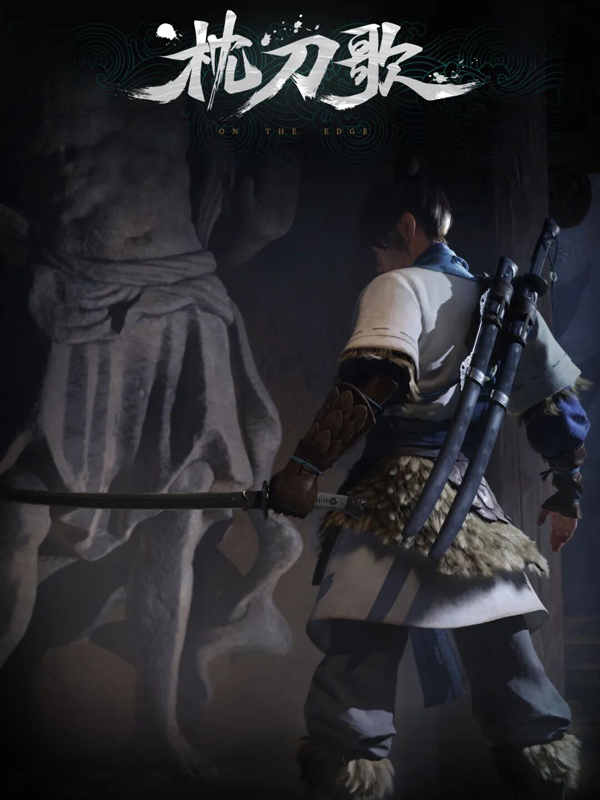
One producer's defiant question echoes the team's driving ethos: "Is chivalry really useless? I don't believe it, and I won't accept it." This sentiment is more than a motto; it is the fuel for their entire endeavor. For those wishing to understand the soul they are fighting to preserve, the three seasons and movie of the animation stand as a powerful testament. They offer a masterclass in kinetic fight choreography and a narrative stripped of pretension, focused on a pure, relentless drive for retribution.
From screen to console, the vessel has changed, but the essence remains. In a time when the Wuxia genre faces undeniable headwinds, this team's stubborn gamble represents more than the extension of a single intellectual property. It is a case study in creative endurance, a possible blueprint for how passion, when honed like a blade, can find a way to cut through even the most challenging circumstances.
