Article
Search results:
-
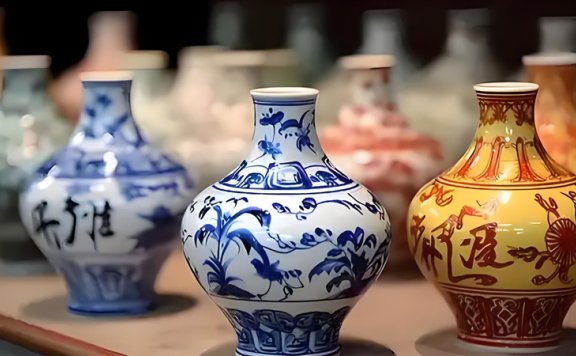
Top 10 Traditional Cultural Treasures of China
The traditional culture of China, with its profound historical roots, represents a rich tapestry of philosophical, artistic, and social traditions that have evolved over five millennia. Originating primarily along the basins of the Yellow River and the Yangtze River, this ancient civilization flourished through continuous migration, integration, and development of various ethnic groups. These dynamic processes helped form a unique and enduring cultural heritage, often described as an ancient castle of wisdom and refinement, admired and preserved through successive generations. Among its most distinguished elements are the quintessential aspects of Chinese culture, known as Guocui (国粹) or national essences. These are the elite achievements intrinsic to China’s native civilization, embodying the highest aesthetic and intellectual values of the nation. Examples include Peking Opera, traditional Chinese medicine, calligraphy, and martial arts—each originating entirely within China and reflecting the depth and spirit of its indigenous culture. These cultural treasures not only symbolize China’s historical identity but also continue to inspire global appreciation today. Magnetic Kiln China's relationship with clay transformed functional pottery into transcendent art. Early kilns near Magnetic Kiln centers produced robust vessels later termed porcelain. Artisans perfected techniques through tireless experimentation—wedging clay to eliminate air pockets, throwing precise forms on… -
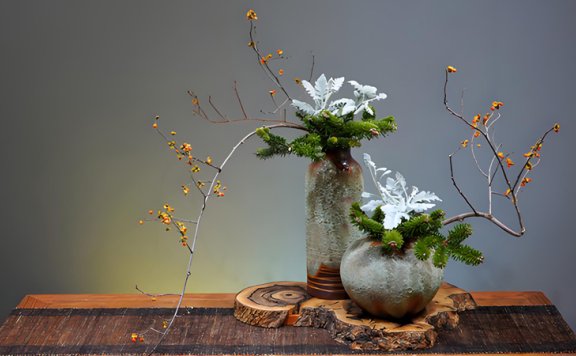
The 6 Classical Vessels of Chinese Floral Art
Chinese flower arrangement, known as Chahua (插花), is far more than mere decoration; it is a profound cultural art form and one of the esteemed "elegant pursuits" deeply intertwined with traditional Chinese humanistic philosophy. This ancient practice transcends aesthetics, serving as a medium for spiritual expression and philosophical contemplation. At the heart of this art lie the six canonical vessels, which are vase, Pan, vat, bowl, Tong, and basket; each possessing distinct symbolic meaning and formal characteristics. More than simple containers, these vessels are foundational elements that interact with carefully selected flora to create intricate miniature landscapes. Each combination conveys a unique spirit and atmosphere, reflecting nuanced artistic intentions—from the scholarly pursuit of quiet refinement to the imperial celebration of grandeur. Thus, the evolution of these vessels and their stylistic applications offers a fascinating lens through which to observe the flow and transformation of Chinese social and cultural values across dynasties. 1. Tong Hua (筒花) 1.1 Form Follows Beauty Tong Hua, a distinct Chinese floral art, blossomed during the Five Dynasties and flourished in the Song and Jin periods. Its core lies in cylindrical vessels, simple yet elegant arrangements, and a deep appreciation for natural lines. This art form transcended mere decoration,… -
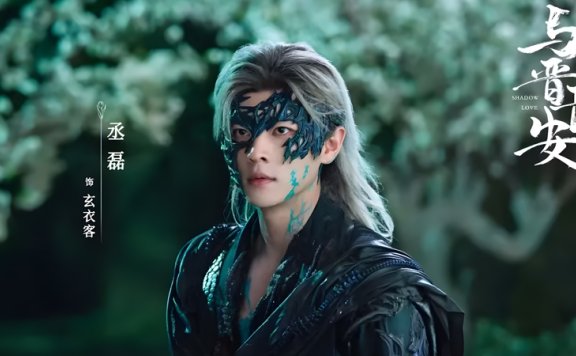
Who Can Resist Cheng Lei's Triple Charm in Shadow Love?
If you're craving a drama that blends heart-fluttering romance, intense action, and stunning visuals, look no further than Shadow Love (与晋长安). This show has taken viewers by storm, thanks to Cheng Lei's (丞磊) captivating portrayal of a character with three distinct personas, each offering a different flavor of love and excitement. Paired with Song Yi's (宋轶) strong-willed general, their chemistry ignites the screen, making it impossible to look away. Fans are raving about how the series perfectly balances sweet moments with adrenaline-pumping scenes, proving that a great story doesn't need fluff—it just needs authenticity and passion. Dive in, and you'll find yourself grinning from ear to ear, swept up in a world where every episode delivers pure, unadulterated joy. Triple Identity Thrills At the heart of Shadow Love is Cheng Lei's character, Jin An (晋安), who masterfully switches between three identities, each embodying a unique boyfriend archetype. First, as the amnesiac "puppy dog," he's adorably clingy and devoted to Li Shuang (黎霜), played by Song Yi. He lights up at any chance to be near her, like when they pretend to be a married couple, and he sweetly coaxes her through tough times, such as patiently feeding her medicine with… -
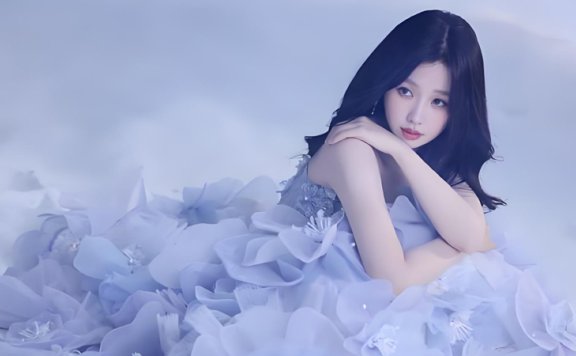
Yu Shuxin's Empire Crumbles: Brand Exodus and Fan Fury
The once-bright star of Chinese entertainment, Yu Shuxin (虞书欣), finds her career teetering on the edge. Brand partnerships dissolve overnight, scheduled live streams vanish, and her social media presence hemorrhages followers – hundreds of thousands lost in a matter of days. For Yu Shuxin, the descent seems inevitable. The Unraveling Yakult's abrupt deletion of all promotional content featuring Yu Shuxin on August 29th wasn't entirely unexpected. Scouring their official Weibo reveals a complete erasure of her image. While some questioned the move since she hasn't faced an official ban, the reasons are clear. Yu Shuxin is engulfed in controversy. Resurfaced clips from the 2016 reality show Graduation Recap (一年级·毕业季) depict behavior interpreted as bullying and exclusion, including mocking peers as "spider spirits" and asserting regional superiority with statements like "I'm from Shanghai, this role is definitely mine." These remarks ignited widespread criticism, painting her as disrespectful and entitled. Compounding this, a prominent finance blogger exposed serious allegations against her family's business dealings. Accusations center on her father, Yu Moujie (虞某杰), allegedly misappropriating 1.5 billion RMB in state-owned enterprise funds through affiliated companies. Further claims suggest abnormal tax burdens, hinting at potential tax evasion or financial fraud. While unproven, the damage… -
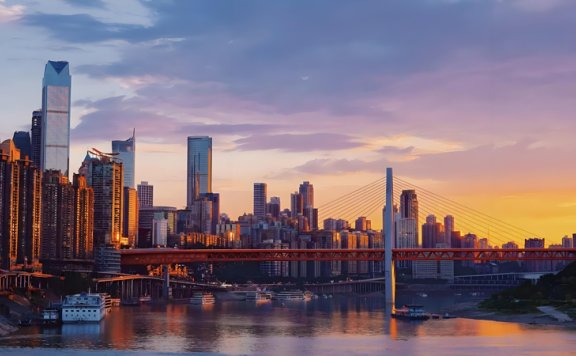
A Guide to Chongqing's Wild Heart and Fiery Plate
Chongqing, a metropolis renowned for its pivotal historical role and modern urban energy, reveals its truest essence not in its cityscape but in the breathtaking natural and cultural landscapes that surround it. This guide ventures beyond the urban sprawl to uncover ten exceptional natural escapes, each offering a unique window into the region's soul. 1. Chongqing's Wild Heart: 10 Natural Escapes Chongqing, shaped by three historic capitalships and pivotal wartime resistance, reveals its soul beyond the urban sprawl. While the revolutionary spirit of Hong Crag resonates, the surrounding landscapes offer profound tranquility and awe. This guide highlights ten natural wonders within reach for enriching day trips. Each presents a distinct facet of the region's diverse beauty, from mist-shrouded peaks echoing ancient battles to vibrant ethnic traditions thriving in mountain towns. Discover these escapes, where nature's grandeur meets enduring culture. 1.1 Borderless Horizons Xiushan's (秀山) Chuanhegai Scenic Area (川河盖风景区) sits just 15 kilometers from the county town. Its unique plateau landscape borders Hunan Province, with the Yezhuping (野竹坪) area reaching into Chongqing like a peninsula. The historic Taiping Township (太平乡场) market street literally straddles the provincial line, a century-old symbol of connection. On clear days, the plateau offers breathtaking views across… -
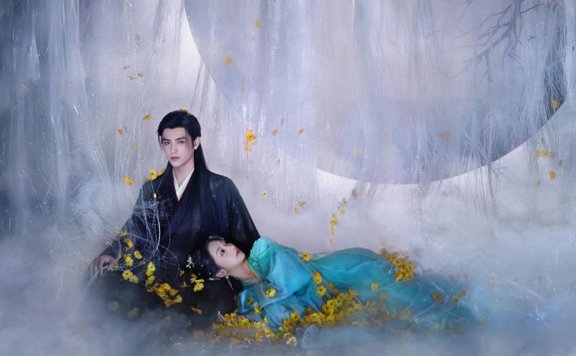
The Untold Tragedy of Hei Snake and Ye Ruling's Stolen Hearts
Amidst the celestial clashes and grand destinies of When Destiny Brings The Demon (献鱼), a quieter, more poignant tragedy unfolds. While viewers followed the epic journey of Sima Jiao (司马焦) and Liao Tingyan (廖停雁), the complex entanglement between the serpent-turned-man Hei Snake (Hei Nianjiu) and the burdened strategist Hei Nianjiu offered a devastating counterpoint. Their story, woven from duty, deception, and fragile hope, reached an ambiguous crescendo in the drama's finale, leaving many hearts aching for resolution. This is the untold saga of When Destiny Brings The Demon's most tragic pair. The Weight of a Stolen Heart Hei Nianjiu (黑廿九) entered the world bearing chains she never chose. Born to a captive mother from the Mo Realm (魔域) within the walls of Gengchen Immortal Manor (庚辰仙府), her existence was defined by a single, crushing purpose: liberate her people. Her mother's desperate mantra, "Return to Mo Realm," became her own prison. Every breath she took was measured against this impossible duty. Escape through the formidable Xianmo Pingzhang (Immortal-Demon Barrier) seemed unattainable. Her initial hope rested on her unexpected friend, Liao Tingyan, whose unique constitution might bypass the barrier. Yet, that path proved futile, and Hei Nianjiu refused to sacrifice her only… -

The Potter's Stage: Crafting Showstopping Ceramic Plates in 3 Acts
Want to transform your ceramic plates from purely functional pieces into captivating works of art? Forget complicated jargon; mastering three fundamental acts unlocks stunning results. This guide shares core techniques even beginners can embrace, culminating in exclusive decoration inspiration. Discover how patience and these focused steps turn humble clay into gallery-worthy tableware. Act 1: The Foundation - Mastering Form Every masterpiece begins with solid structure. For plates, achieving perfect centering is non-negotiable. Firmly place your kneaded clay on the wheel head. Use your palms to press it down securely, ensuring zero wobble as rotation begins. Beginners: practice only this step until the clay spins smoothly and obediently under your hands. This control is paramount. Raising the walls demands consistent, gentle pressure. Push your thumb vertically down into the centered clay to open it. Then, cradle the emerging form with both hands, thumbs outside and fingers inside. Using the fleshy base of your thumbs (near the web ), steadily coax the clay upwards. Too little pressure yields a lopsided wall; too much causes collapse. Imagine cradling a fragile bloom, encouraging it to open. A stable base ensures your creation "stands." Maintain a thickness of 5-8mm at the bottom for durability. While… -
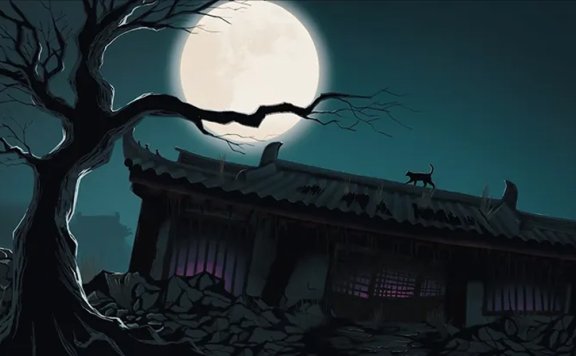
Is Moonlit Reunion Truly Haunting? A Stunning Yet Shallow Chinese Fantasy Saga
Chinese television has embraced a thrilling wave of horror-fantasy, and Moonlit Reunion (子夜归) stands at the forefront with its breathtaking visuals and eerie atmosphere. Starring Tian Xiwei (田曦薇) as the formidable Wu Zhen (武祯) and Xu Kai (许凯) as the reserved Mei Zhuyu (梅逐雨), this series plunges viewers into a supernatural Tang Dynasty world where humans and demons clash. Set in the mystical Chang'an, it weaves elements of folklore, mystery, and romance into a tale that promises much but often falters under its own ambition. While the show dazzles with artistic craftsmanship, its narrative depth feels disappointingly thin, leaving audiences torn between admiration and frustration. This review unpacks the highs and lows of Moonlit Reunion, revealing why it's a visual feast that struggles to satisfy the soul. Visual Brilliance Moonlit Reunion excels in its aesthetic execution, crafting a world that's both opulent and ominous. The costumes and sets are meticulously designed, reflecting distinct character identities. For instance, Wu Zhen's regal attire contrasts sharply with Mei Zhuyu's modest robes, emphasizing their social divide. Key locations like the demon-run Yao Market (妖市) glow with gilded splendor yet drip with ghostly dread, creating a parallel universe to the bustling Chang'an. This attention to… -

The Chaoshan's Feeding the Hungry Ghosts Tradition
The Chaoshan region in Guangdong Province stands as a remarkable repository of ancient Chinese customs, with the "Shi Gu" (施孤) ritual—commonly translated as "Feeding the Lonely Ghosts"—serving as a profound embodiment of its cultural values. Rooted in folk beliefs, Confucian ethics, and Buddhist philosophy, this tradition highlights the region's enduring emphasis on compassion, communal harmony, and historical remembrance. Historical and Cultural Foundations Chaoshan's cultural heritage, including its renowned Yingge (英歌) dance, intricate embroidery, wood carving, and traditional architecture, is deeply intertwined with ancient rituals. The "Shi Gu" custom, closely associated with the Buddhist Ullambana Festival (also known as the Ghost Festival), can be traced back to the Northern and Southern Dynasties (420-589 AD). Historical texts such as the Jingchu Suishiji (荆楚岁时记) document the practice of making offerings to spirits and deities on the fifteenth day of the seventh lunar month. By the Song Dynasty (960-1279 AD), these observances had evolved into elaborate rituals involving lantern floating, communal feasts, and public ceremonies aimed at appeasing wandering spirits. In Chaoshan, the seventh lunar month is traditionally believed to be a period when the gates of the underworld open, allowing spirits who died without descendants, in disasters, or during wars to wander the… -

Yunnan Summer Travel Handbook: Dive Into Nature and Culture Magic
Forget the standard tourist checklist. Yunnan is not a destination to be simply seen; it is a sensory awakening waiting to be experienced. This is a land where nature writes poetry across dramatic landscapes—from stone forests clawing at the sky to serene lakes mirroring snow-capped peaks. It's a place where ancient towns hum with centuries of stories, and vibrant traditions are woven into the very slopes of the mountains. To travel here is to step into a living tapestry, a breathtaking dance of earth, water, and sky. Pack your curiosity, leave your expectations behind, and prepare to be surprised by the wild heartbeat of eternal spring. 1. Yunnan's Wild Heartbeat Forget guidebooks. Yunnan isn't a checklist; it's a sensory awakening. Imagine stone forests clawing skyward, ancient towns humming with stories, lakes mirroring snow-capped giants, and traditions woven into mountain slopes. This isn't just travel; it's stepping into a living tapestry where earth, water, and sky perform an ancient dance. Pack curiosity, leave expectations behind, and let the land of eternal spring surprise you. 1.1 Shilin (石林) Step into a world sculpted by epochs. Shilin isn't merely rocks; it's a petrified ocean frozen mid-storm. Towering limestone pillars, resembling mythical beasts or… -
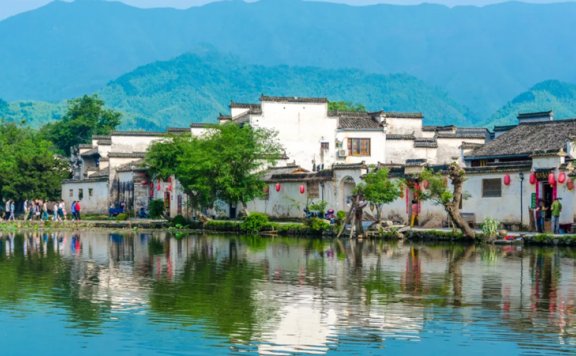
Anhui: Where Nature’s Dances with Centuries of Culture
Nestled between mist-shrouded peaks and time-honored traditions, Anhui reveals itself not just as a destination, but as an experience—where nature’s quiet grandeur merges seamlessly with a culture carved by centuries. Here, mountains breathe, villages dream, and every flavor tells a story. 1. 6 Canvases of Wonder 1.1 Huangshan (黄山) Some places speak without words. Huangshan whispers through stone. Granite peaks pierce shifting clouds like ancient brushstrokes. These mountains breathe. Watch mist curl around twisted pines clinging defiantly to cliffs. Sunlight fractures on dew-heavy branches, scattering diamonds before your eyes. Dawn here paints the sky in watercolor washes – peach, lavender, gold. Those patient enough witness halos of light encircling their shadow on the clouds below. This realm feels sculpted by wind and time, not human hands. Paths wind past rocks resembling mythical beasts frozen mid-roar. Natural hot springs steam quietly at the mountain’s feet, offering warmth after cool summit winds. Come winter, ice glazes every branch, transforming the forest into crystal. Huangshan isn’t scenery. It is atmosphere. 1.2 Hongcun (宏村) Southward, stillness reigns. Hongcun floats. Its whitewashed walls and ink-black tiles mirror perfectly in the crescent-shaped Moon Pond. Rain turns pathways into liquid obsidian, reflecting curved eaves and carved wooden… -
Shadow Love Weaves Political Intrigue and Identity Crisis
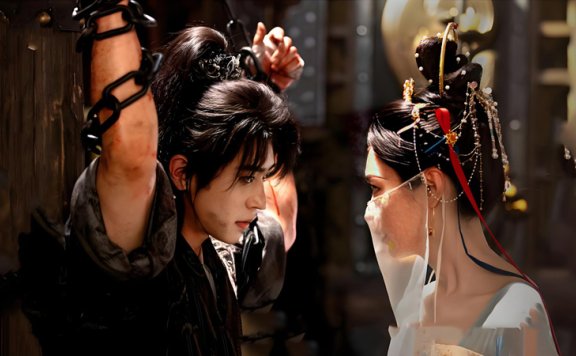
Shadow Love (与晋长安) premiered on iQiyi on August 24, instantly igniting the late summer historical drama landscape. Adapted from Jiu Lu Fei Xiang's (九鹭非香) novel, this fantasy romance follows General Li Shuang (黎霜) who rescues amnesiac enemy prince Duan Aodeng (段敖登, now Jin An 晋安). Their accidental blood pact triggers a love story tangled with shifting identities and national loyalties. Within hours, its anime-inspired visuals, layered romance, and high-octane action propelled the series past 8000 on iQiyi's popularity charts, proving compelling stories always find their audience. Anime Power Unleashed The opening episodes deliver an unforgettable visual punch. Director Deng Ke (邓科) establish a distinct aesthetic, blending historical grandeur with dynamic fantasy. A defining moment arrives early: Duan Aodeng's plunge into a blood pool. Emerging transformed, plasma streaming from his hair and chiseled features, his eyes glow with unnatural blue and red hues. Intricate blue sigils pulse across his chest under the crimson rain. This isn't just spectacle; it's narrative alchemy. He becomes Yulinglong's (玉玲珑) vessel – an amnesiac, unstable shadow puppet bound by instinct. This accident binds him to Li Shuang through a blood covenant. As Jin An, he oscillates between childlike dependence and lethal potential. When Li Shuang faces danger,… -
3 Tales of Love and Sacrifice in Moonlit Reunion
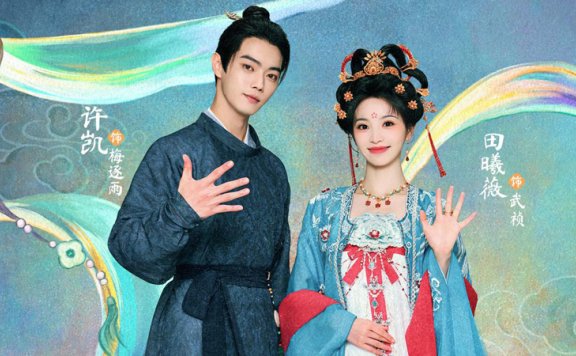
Amidst the buzz surrounding Moonlit Reunion (子夜归), a Chinese fantasy drama set in Tang Dynasty Chang'an, the series shines with its exquisite production, stunning visuals, and compelling storytelling. While off-screen controversies swirl around lead actor Xu Kai (许凯), the show itself delivers a rich tapestry of relationships, particularly through its central character Wu Zhen (武祯), a half-demon cat guardian striving to maintain peace between realms. Her interactions with characters like Mei Zhuyu (梅逐雨) and Pei Jiya (裴季雅) add depth, but it's the three unforgettable couples that steal hearts with their poignant tales of love and sacrifice. Each pair embodies unique struggles, blending fantasy with human emotion to create moments that resonate long after the credits roll. 1. Fu Chao (蝠朝) and Fu Xi (蝠夕) Fu Chao and Fu Xi emerge as enchanting figures in Moonlit Reunion, born from a pair of ancient bat-shaped earrings that have shared a century as twin spirits. Their story unfolds when Fu Chao, driven by curiosity, briefly leaves Chang'an to explore the human world, leaving Fu Xi distraught and vulnerable to dark influences that turn her into a vengeful demon. This separation highlights their inseparable bond, as Fu Xi's descent into darkness stems from a… -
Zezhou's Molten Iron Rain Illuminates Centuries of Craftsmanship
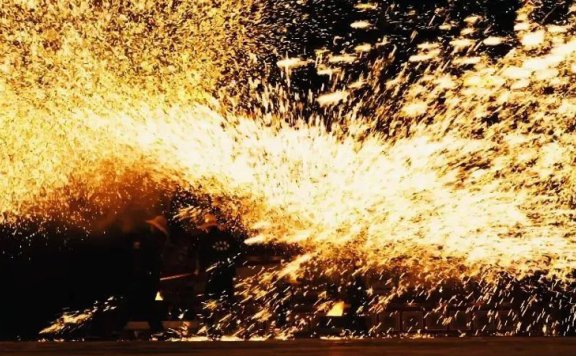
In the heart of Shanxi province, an extraordinary celestial spectacle unfolds against the night sky as temperatures drop during winter months. Zezhou (泽州) Iron Floral Fireworks, an ancient performance art dating back over a millennium, transforms 1600°C molten metal into breathtaking aerial displays that dance between danger and beauty. This incredible tradition, recognized as a provincial-level intangible cultural heritage in 2012, represents not just artistic expression but the enduring spirit of Shanxi's iron civilization that has flourished for well over two thousand years. The Iron Land's Historical Legacy People have long celebrated the region surrounding Jincheng City (锦城市), historically known as Zezhou, as the "hometown of coal and iron." The area's rich mineral resources have been exploited since the Spring and Autumn Period (770-476 BCE), with mining and metallurgy industries developing almost simultaneously with the birth of Chinese metallurgical history. Ancient texts, including the Classic of Mountains and Seas, specifically mention iron ore deposits in the Tiger Tail Mountain mining area within the ancient Zezhou prefecture. During the Warring States Period (475-221 BCE), Zezhou became a crucial production center for iron weaponry supplied to northern states. The legendary Yang'e Sword, produced in the region, was renowned for its incredible sharpness—reportedly… -
Beyond Ghosts: The True Spirit of China's Zhongyuan Festival
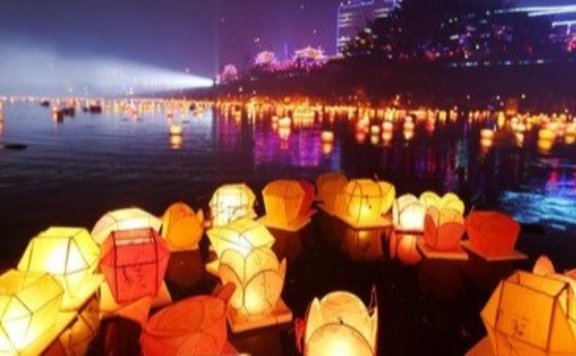
As autumn's chill begins to whisper through the air, a unique phenomenon unfolds across cultures. From the costumed revelry of Halloween to the vibrant altars of Mexico's Día de Muertos, societies worldwide acknowledge the thinning veil between the living and the dead. In China, this observance takes its most profound form during the entire seventh lunar month, culminating in the Zhongyuan Festival (中元节), or Hungry Ghost Festival. More than just a "ghost day," it's a deeply woven tapestry of ancestral respect, philosophical thought, and community care that defines its core. The Ghost Month The entire seventh lunar month is traditionally known as the "Ghost Month" in Chinese folklore. The belief holds that on the first day of the month, the gates of the underworld open, allowing spirits to roam the human realm. The festival peak arrives on the fifteenth day, though some regions observe it on the thirteenth or fourteenth. This isn't framed as a terrifying invasion. Instead, it's viewed as a sacred period where the departed can return to visit their families and receive sustenance. The month is dedicated to providing for these spirits. It begins with ceremonies to "receive the ancestors" , and families make offerings throughout the… -
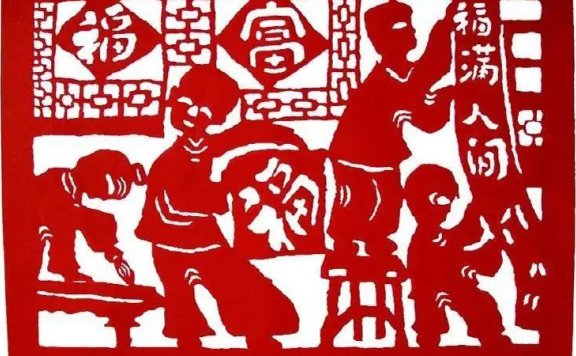
The Silent Language of Chinese Paper Cutting Through Centuries
Chinese paper cutting represents an extraordinary cultural tradition that has evolved over two millennia, serving as both artistic expression and cultural documentation. This intricate art form transforms simple paper into complex visual narratives using only scissors or knives, creating works that embody the collective memory, social values, and aesthetic sensibilities of Chinese civilization. Far more than mere decoration, these delicate cuttings represent a sophisticated visual language that continues to communicate cultural identity across generations. Historical Development The origins of Chinese paper cutting predate the invention of paper itself, with early artisans practicing similar techniques on various thin materials, including leather, metal foils, and silk fabrics. During the Warring States period, these precursor arts reached remarkable sophistication, establishing technical foundations that would later transfer to paper. The subsequent invention of paper during the Han Dynasty provided the perfect medium for these techniques to flourish and evolve into what we now recognize as traditional paper cutting. The Tang Dynasty witnessed the art form's emergence as a distinct cultural expression. As paper became more widely available, artists developed specialized forms, including window decorations, figurative representations, and floral patterns that enriched daily life and celebrations. The Song Dynasty marked another significant advancement with the… -
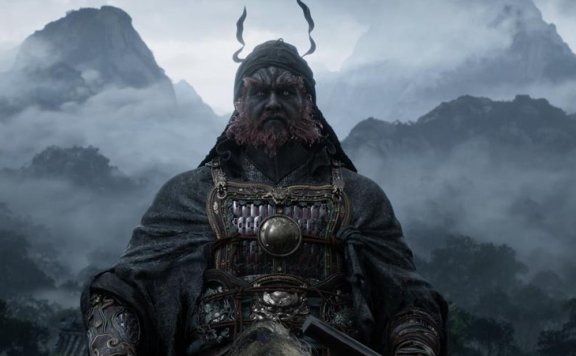
Why Black Myth: Zhong Kui Choose a Niche Cultural IP
I was keeping an eye on the news from Gamescom, and when Zhong Kui (钟馗) popped up, my first reaction was genuine surprise. It wasn't that I was expecting DLC for Black Myth: Wukong - it was more that the Zhong Kui IP feels like a familiar yet distant figure. The last time I heard this name in mainstream pop culture was probably over a decade ago in a TVB series. Using a traditional cultural IP that has somewhat faded from public memory means there's almost no existing blueprint to follow. They'll have to rebuild public recognition of Zhong Kui almost from scratch. But then again, the first Black Myth game laid a solid foundation. Not only did it turn developer Game Science into an IP with a loyal fanbase, but it also established a framework for using the gaming medium to deconstruct and reimagine traditional culture—a framework Black Myth: Wukong has already proven can effectively break through cultural barriers overseas. For Game Science, an IP like Zhong Kui—rich in meaning and open to reinterpretation—offers tremendous creative freedom. Unlike Sun Wukong, a household name and national-level IP, Zhong Kui lacks a clearly defined canonical narrative or a structure that easily lends… -
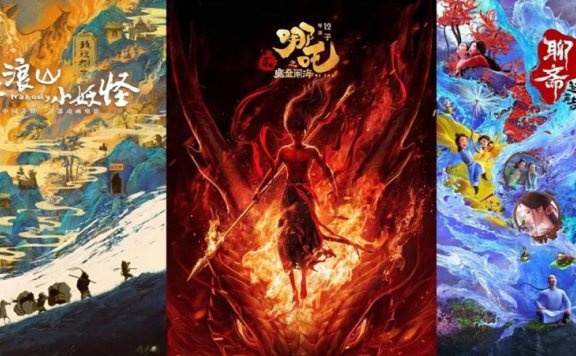
Why Are So Many Chinese Anime Films Adapted from Traditional IP?
The surprise hit NOBODY (浪浪山小妖怪) has now passed the 1-billion-RMB mark at the box office. Like its name suggests, this one is another spin-off from Journey to the West—and that's hardly unusual anymore. Among the five domestic animated films this year that crossed the 100-million-RMB line, three were based on classic novels. Aside from Langlang Mountain, there's Ne Zha 2, adapted from The Investiture of the Gods. That one grossed 15.446 billion RMB early this year, setting a new record for single-film earnings in China. The summer release Curious Tales of a Temple (聊斋:兰若寺) also brought in 242 million RMB. Looking more closely, the relationship between domestic animation and these classic stories feels like a kind of "two-way dependency." Not only do most blockbuster animated films come from traditional literature, but in recent years, successful adaptations of these works seem to appear almost exclusively in animation. The live-action side has never stopped trying to make hits out of Journey to the West or The Investiture of the Gods (sometimes nicknamed "the fifth great classic"), but more often than not those attempts flop. So why is it that animated films can consistently turn these ancient texts into box-office gold? What creative… -
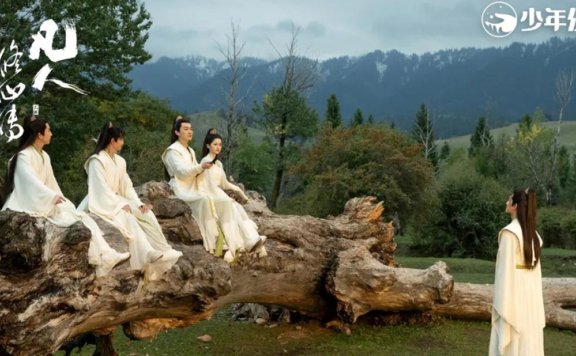
The Director of The Immortal Ascension: I'm Here to Tell a Human Story
The shoot was about to start. Everyone on set was waiting, but director Yang Yang (杨阳) just couldn't figure out how to stage the scene. "My brain just wouldn't click." She stared at the dense block of text in the script, thoughts all tangled up. In The Immortal Ascension (凡人修仙传), cultivation usually means meditating, training, and leveling up. But how do you show Han Li's progress in cultivation through visuals? How do you film something as abstract as a "breakthrough"? "I thought so hard my head hurt," she admitted. And this wasn't a one-time problem—it was basically a daily struggle throughout production. And that was just one of many challenges. Whenever Yang Yang felt mentally exhausted, she would put down the script and sit in meditation herself, just like Han Li. If that didn't calm her down, she'd pick up something completely unrelated to filmmaking. "Sometimes I'd play the Xuankong Drum (a kind of handpan instrument)." Stepping away from the shoot oddly helped—ideas would suddenly spark the moment she let go. Yang Yang described her whole preparation and filming process as "working like a migrant laborer, hauling bricks every day." She went with her crew to Xinjiang, shooting at altitudes… -
Moonlit Reunion: New Drama about Strange Tales Aesthetics
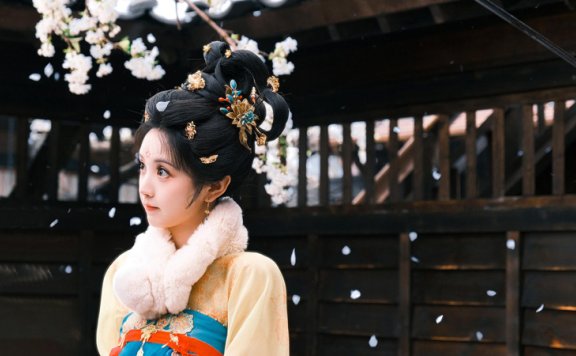
In traditional Zhi Guai (志怪, tales of the supernatural) stories, fox spirits deceive scholars, white snakes give up immortality for human love, and demon hunters and demons are sworn enemies. But when these same elements are reimagined today, they can completely overturn old assumptions. So how fresh is the setup of Moonlit Reunion (子夜归), the latest Tencent Video drama? By day, the male lead is just another disgruntled office worker, demoted after angering his boss. By night, he becomes a sharp-witted demon hunter who even teams up with a cat spirit to solve cases. The female lead, meanwhile, can be a playful tabby leaping across rooftops one moment, and with a change of clothes transforms into a glamorous county princess adored throughout Chang'an. When darkness falls, the bustling capital transforms into a sanctuary for spirits. Yet instead of bloody predator-prey battles, the nocturnal city dazzles with lights and order, forming a poetic contrast to the daytime metropolis. Directed by Lü Haojiji and produced by Ningmeng Pictures, Moonlit Reunion stars Xu Kai and and premiered exclusively on Tencent Video on August 18. The series presents a bold vision of a "dual Chang'an"—one world in daylight, one in shadow—woven together through mystery,…