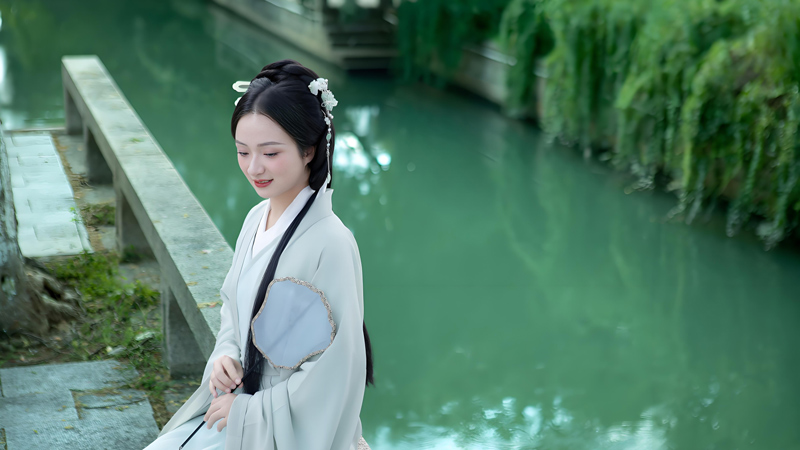
Once confined to museum displays and historical dramas, traditional Chinese attire now flows through city streets worldwide. This isn't costume play—it's a cultural homecoming. Hanfu, the umbrella term for China’s pre-17th-century clothing systems, has leapt from ancient scrolls into contemporary wardrobes. Young designers, historians, and everyday enthusiasts weave threads of millennia-old aesthetics into modern life, creating wearable poetry that honors heritage without sacrificing relevance. The movement transcends fashion; it’s a tactile dialogue between dynastic splendor and digital-age identity, reshaping how generations connect with their roots.
Echoes in Every Stitch
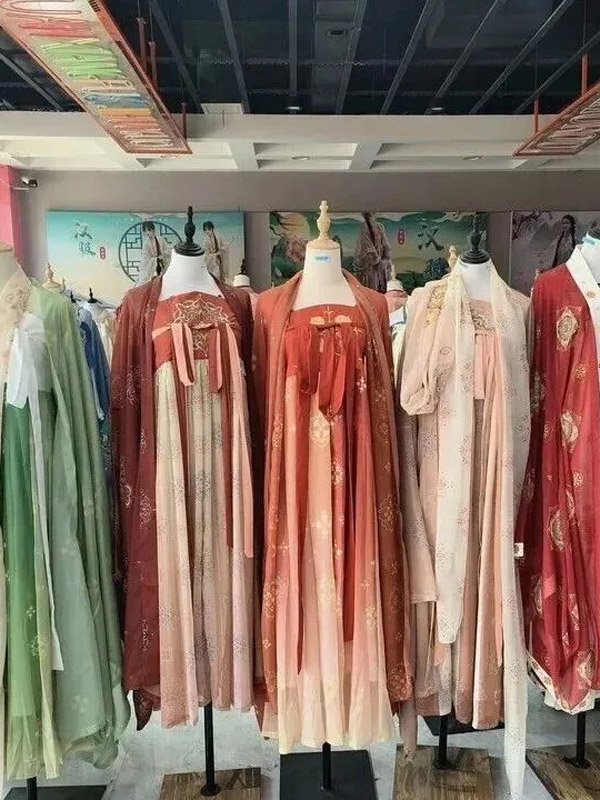
Hanfu’s brilliance lies in its architectural diversity, mirroring China’s philosophical shifts across eras. The structured solemnity of Zhiju (直裾) robes from the Ming Dynasty speaks of Confucian order, while the Tang Dynasty’s wide-sleeved, high-waisted Ruqun embodies an open, cosmopolitan golden age. Song Dynasty silhouettes favored subtle elegance—cross-collared jackets paired with flowing skirts reflecting scholarly refinement. Each cut, from the curved-hem Quju (曲裾) to the horse-faced pleats of Mamianqun (马面裙), encodes dynastic values in fabric.
Beyond aesthetics, these designs solved practical needs. Wide sleeves circulated air in humid summers, layered robes insulated against northern winters, and silk’s natural temperature regulation made it ideal for varied climates. The precision of symmetrical cutting (typically using rectangular fabric panels) minimized waste—an ancient sustainability practice.
Language of the Robes
Dressing in Hanfu activates forgotten rituals. The left-over-right collar wrap (called Jiao Ling You Ren) signifies yang-over-yin harmony, a philosophy embedded in the drape. Seasonal ceremonies regain tactile meaning—wearing azure Shenyi (深衣) robes during Qingming Festival connects wearers to tomb-sweeping ancestors through color symbology.
Academic initiatives deepen engagement. Peking University’s "Textiles as Text" seminar decodes political messages in Qing Dynasty dragon motifs, while the Hangzhou Silk Museum’s workshops teach Luosha (罗纱) gauze weaving—a near-lost Tang-era technique. This knowledge transforms wearers into storytellers. A cafe barista serving matcha lattes in Song-style Beizi becomes an inadvertent ambassador, explaining robe features to curious customers. The garment itself becomes a conversation starter, collapsing centuries in a single glance.
Global Stitchwork
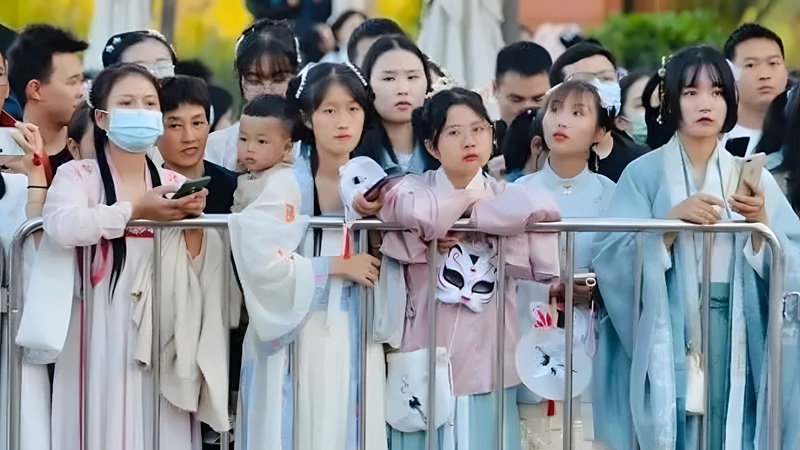
From Paris runways to Brooklyn streets, Hanfu sparks cross-cultural dialogues. Designer capes reinterpreted at Milan Fashion Week drew direct inspiration from Ming court robes. Meanwhile, London’s Victoria & Albert Museum now hosts annual Hanfu tea ceremonies, where participants knot sashes alongside tying kimono Obi belts—highlighting shared East Asian textile legacies. This global resonance stems from universal elements: the mathematics of pleating, the geometry of layered silhouettes, and the human desire for adorned belonging.
Technology accelerates this exchange. Augmented reality apps like "Hanfu Mirror" overlay digital embroidery onto real-world garments via smartphone cameras, while blockchain platforms authenticate vintage silks. Crucially, sustainability narratives resonate globally; Hanfu’s emphasis on natural dyes and zero-waste patterning aligns with slow fashion movements. When a Berlin student pairs a Tang Ruqun top with denim, it’s not appropriation—it’s innovation rooted in mutual appreciation.
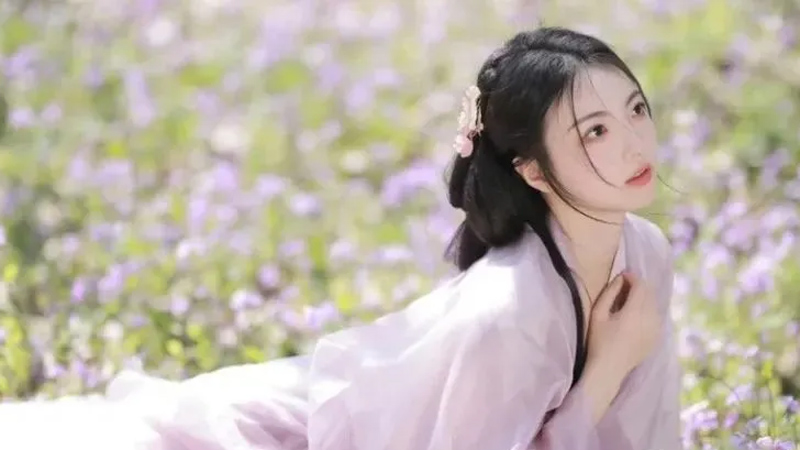
The fabric carries forward. As weavers blend nanofibers with mulberry silk and gamers don digital Hanfu in metaverse galleries, the tradition proves astonishingly malleable. This isn’t about freezing the past in satin stitches; it’s about threading ancestral wisdom into tomorrow’s tapestry. Each wearer becomes a living loom—interpreting history, weaving identity, and draping the future in continuous reinvention.