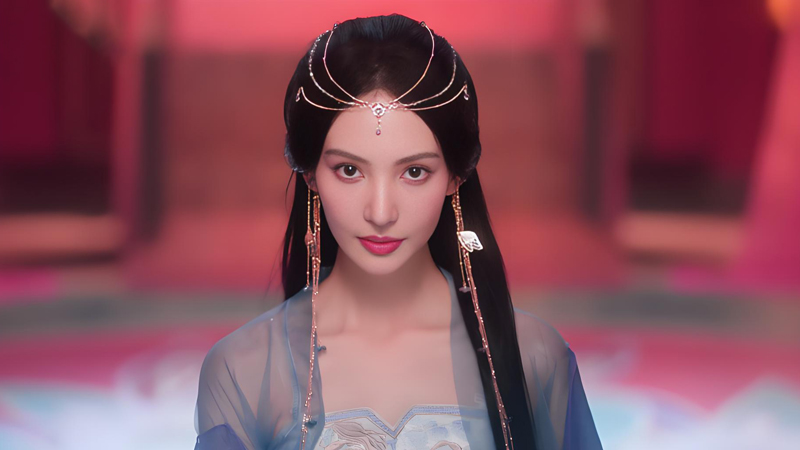
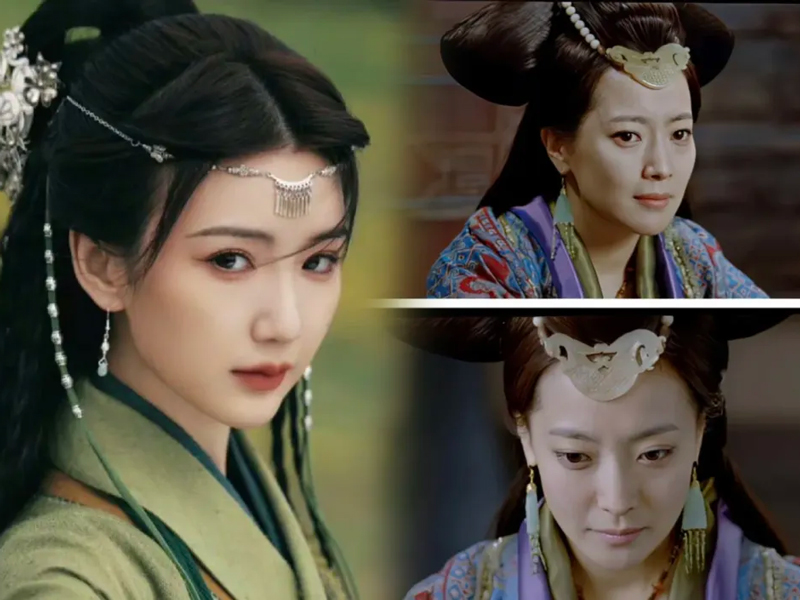
When Jin Chen (金晨) appeared wearing a beaded forehead ornament during a performance, audiences were stunned. Many declared this the perfect visual realization of Nangong Wan (南宫婉) from the popular fantasy series The Immortal Ascension (凡人修仙传). The delicate strands of beads, shimmering as she moved, sparked fascination. Was this intricate accessory authentically Chinese? What was its historical name and origin? This piece, evoking a blend of traditional elegance and exotic charm, represents a fascinating chapter in the evolution of Chinese adornment, challenging simple narratives of cultural borrowing.
Echoes of Ancient Headwear
This style of headwear, featuring strands of beads or gems draping across the forehead, finds roots deep within Chinese history.
Archaeological evidence points to similar ornaments existing during the Warring States period, possibly earlier. Scholars identify it as a type of Yingluo (璎珞), a term broadly encompassing decorative netted or strung jewelery. More specifically, historical records and artifacts suggest names like Luosuo (络索), Lianshu (帘梳), and Weiji (围髻).
Luosuo originally meant "cord" or "rope," evolving to describe hanging decorative elements. Song Dynasty poetry references golden Luosuo ornaments, while texts like the Southern Song Suijin (碎金) explicitly list it under headwear. Lianshu, evidenced by Song Dynasty artifacts, likely combined a functional hairpin with the decorative hanging "Lian" strands. Over time, these terms converged, leading to the Ming Dynasty Weiji – literally meaning "encircling the hair bun" – describing ornaments that encircled the hairstyle with shorter, face-framing strands.
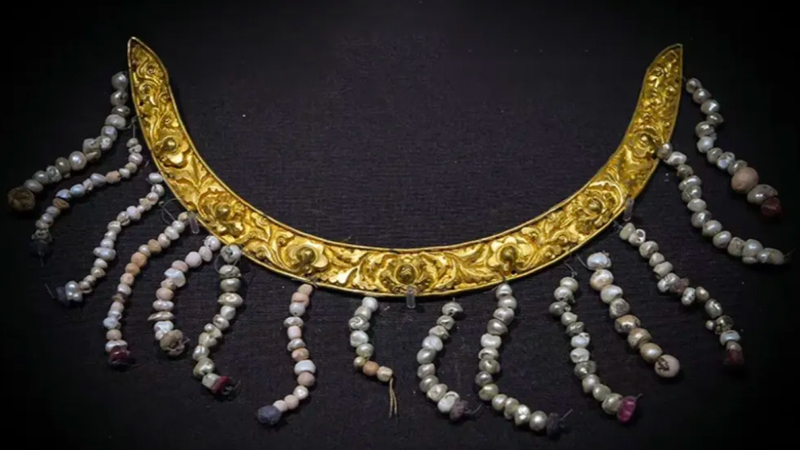
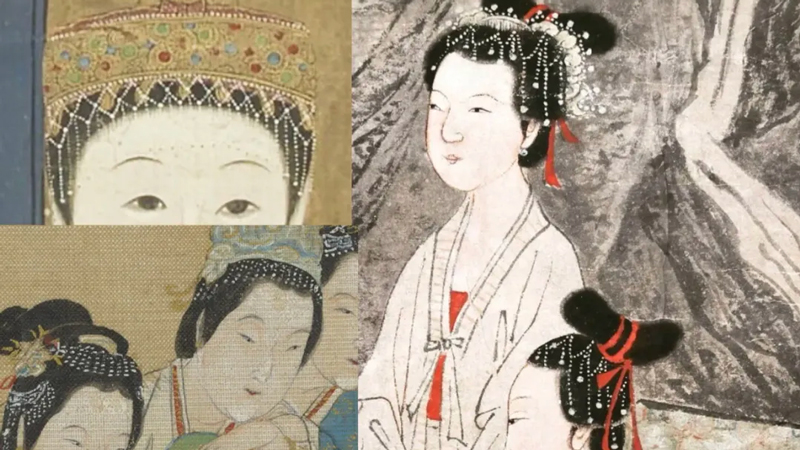
Depictions in ancient paintings and limited archaeological finds confirm their use. Variations existed: some worn centrally on the forehead, others at the temples or encircling the bun. Materials ranged from pearls and jade to precious metals and stones. Beyond beauty, these accessories served practical purposes. A forehead Luosuo could soften a high hairline or wide forehead, balancing facial proportions. Strands helped secure loose hairs and added dynamic movement, catching light with every step. Their aesthetic closely resembles finds like the turquoise-inlaid headdress from the Majiayuan (马家塬) Warring States cemetery.
Crossroads of Culture
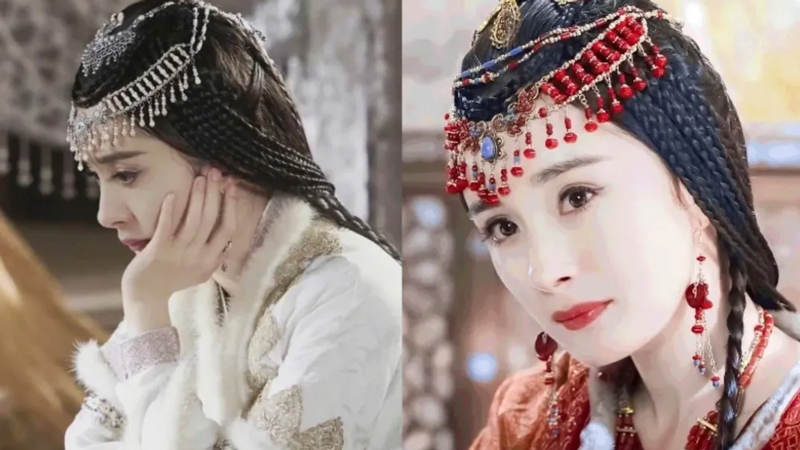
The immediate association some viewers make with Indian or Bohemian styles is understandable. India's Maang Tikka (meaning "central forehead ornament") is culturally significant, worn traditionally at the midpoint of the hairline. Rooted in spiritual belief, this spot is considered the seat of intuition and wisdom, making adorning it auspicious. Similar forehead ornaments appear across South and Central Asia.
This visual similarity fuels debate: is the headdress seen in Chinese dramas a direct import, perhaps influenced by Buddhist iconography traveling the Silk Road? Or is it a purely indigenous development? The question of "authentic" origin versus cultural exchange often arises. Some argue it signifies borrowed exoticism in modern Chinese period dramas.
However, evidence complicates this narrative. Jade figurines from the Shang Dynasty depict headbands or caps potentially incorporating similar decorative elements around the forehead or hairline, predating significant Indian cultural influence in China. This suggests parallel aesthetic developments. While the Silk Road undeniably facilitated exchange, the fundamental human desire for adornment – framing the face, adding sparkle, signifying status – manifests independently across cultures. The specific form of the Luosuo/Lianshu reflects unique Chinese craftsmanship and stylistic preferences evolving over centuries.
Beauty Reimagined
Jin Chen's portrayal of the powerful yet graceful cultivator Nangong Wan in The Immortal Ascension brought this historical accessory into the contemporary spotlight. While her performance received mixed reactions regarding capturing the character's ethereal softness, the specific choice of the Luosuo headdress struck a powerful chord. Viewers felt its intricate delicacy and inherent elegance perfectly embodied the otherworldly beauty described in the original novels.
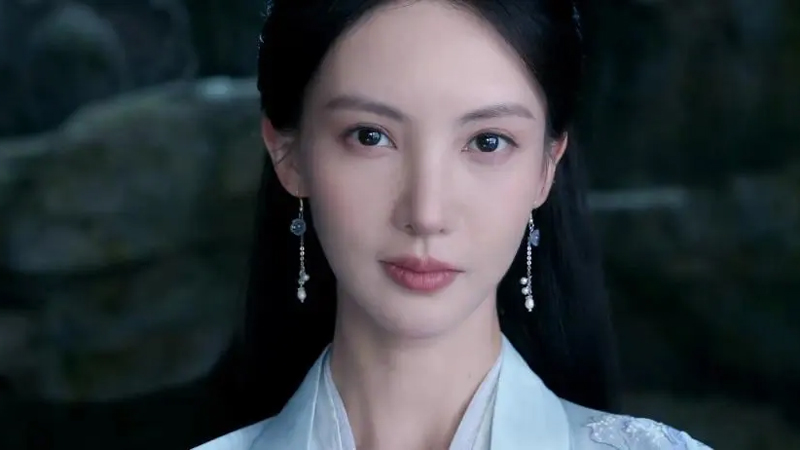
Its impact highlights a broader revival of interest in historical Chinese aesthetics within modern media and fashion. Designers increasingly delve into museum collections and classical texts for inspiration, moving beyond the more commonly seen Hanfu robes. Accessories like the Luosuo offer nuanced ways to incorporate tradition, adding layers of historical depth and cultural resonance to a character or a look.
The headdress worn by Jin Chen transcends being mere costume decoration. It acts as a tangible link to centuries of Chinese artisanship and evolving beauty standards. Its presence sparks conversation about cultural identity, the fluidity of artistic inspiration, and how the past continues to inform our visual language. Whether perceived through a lens of distinct tradition or fascinating cultural interplay, its undeniable beauty captivates modern audiences just as it might have adorned someone millennia ago. Does this intricate piece make you see Nangong Wan – and ancient Chinese elegance – in a new light?